


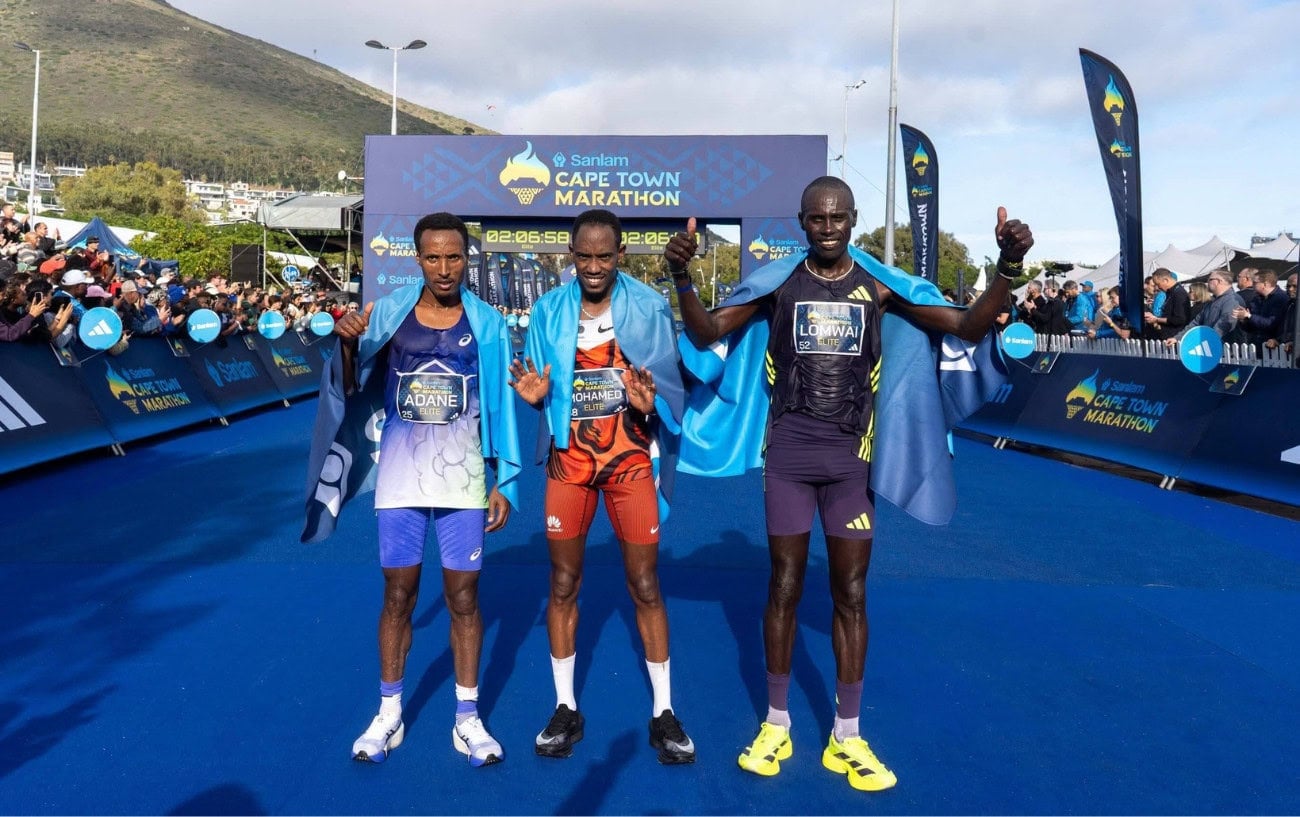
Africa has a Major. That sentence has been waiting to be written for the better part of fifteen years, and on Wednesday it finally became true. The Sanlam Cape Town Marathon was confirmed as the eighth Abbott World Marathon Major, slotting into a late-May spot on the calendar between London and Sydney.
We covered the basics in our emergency podcast: why an African Major was overdue, why Cape Town was probably the only race on the continent that could clear the bar, and why this was the worst-kept secret in distance running. Worth saying again. But underneath the celebration, there are two things worth sitting with, and they decide what this announcement actually means.
Why this, why now, and why it took so long
You cannot run a series that calls itself the global pinnacle of the marathon and leave Africa off the map indefinitely. Roughly 80 percent of the top 50 marathoners alive today come from East Africa. Every men’s and women’s marathon world record set in the last decade has been set by an African-born athlete. A “global” circuit with zero races within 5,000 km of those runners was always going to age badly.
The interesting question is not whether Africa would get a Major, but why it took until 2026, and why Cape Town specifically. The honest answer to both is money. Becoming a Major is not an award handed out. It is a contractual relationship that demands international broadcast, anti-doping infrastructure, a course measured to AbbottWMM specifications, prize money in line with the rest of the series, and a multi-year financial commitment most race directors will not talk about on the record. The Valencia Marathon, statistically one of the fastest courses in the world and home to a million-euro world-record bonus, has openly said the math does not work for them. If Valencia cannot make it work, the list of African races that could clear that bar is short.
Cape Town had three things going for it. A title sponsor in Sanlam now committed through 2030, providing the kind of stable revenue base AbbottWMM requires. A working partnership with Infront, the same sports marketing agency that also brought Sydney and Shanghai through candidacy. And a host city already running international tourism infrastructure at scale. That combination is rare on the continent, and probably impossible to assemble anywhere else right now.
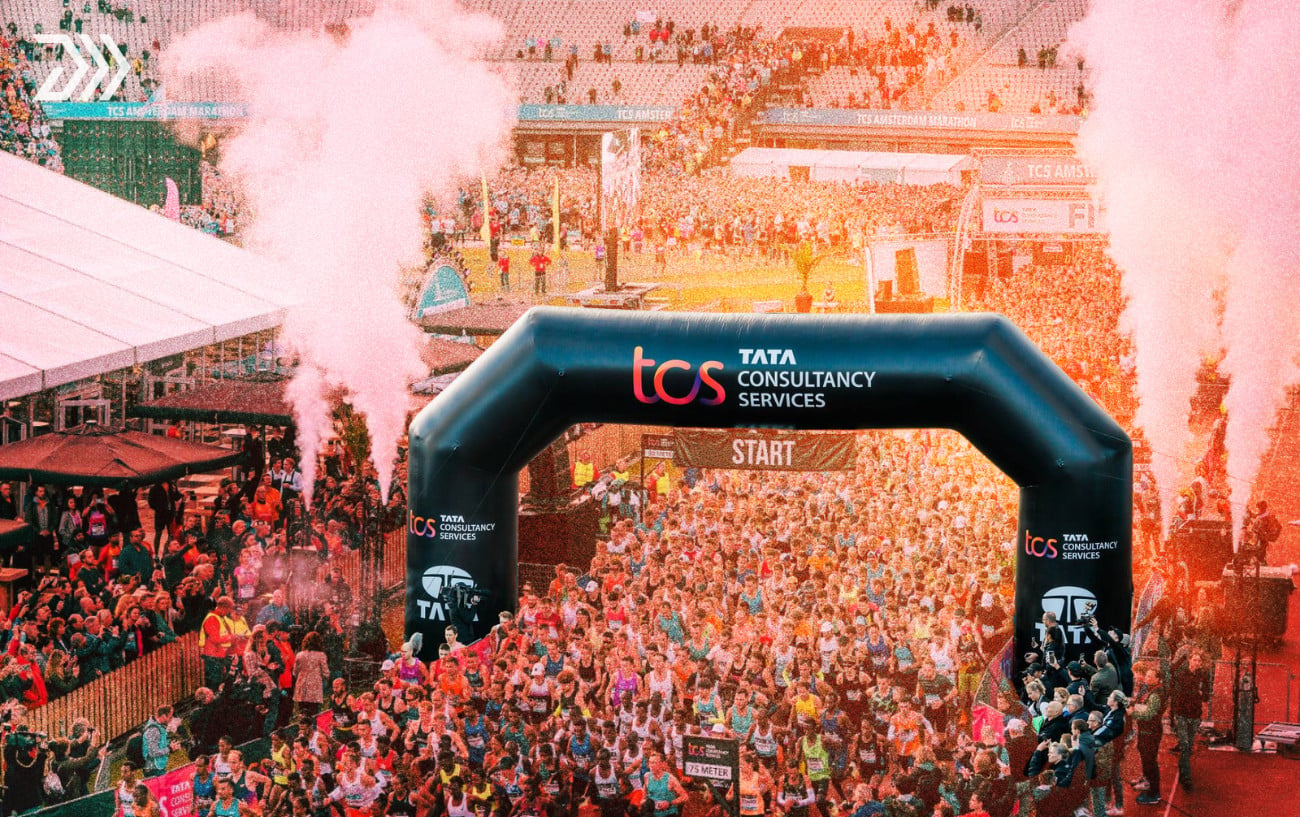
What sealed it was 2025. The race was 90 minutes from gun time when overnight gusts pushed past 60 km/h and organisers made the safety call. Roughly 24,000 runners stood down in the dark at Green Point. The candidacy assessment for that year was supposed to happen at that race. It did not. Most bids would have ended there. This one did not. Sanlam stayed and signed a longer extension. The candidacy clock got pushed by twelve months. The 2026 race then delivered around 27,000 starters, up from 16,500 finishers in 2024. AbbottWMM watched how the organisation handled the worst day in its history and apparently liked what it saw. The new bar for becoming a Major now quietly includes the ability to survive a disaster.
Without Kipchoge, and the question Africa is still waiting on
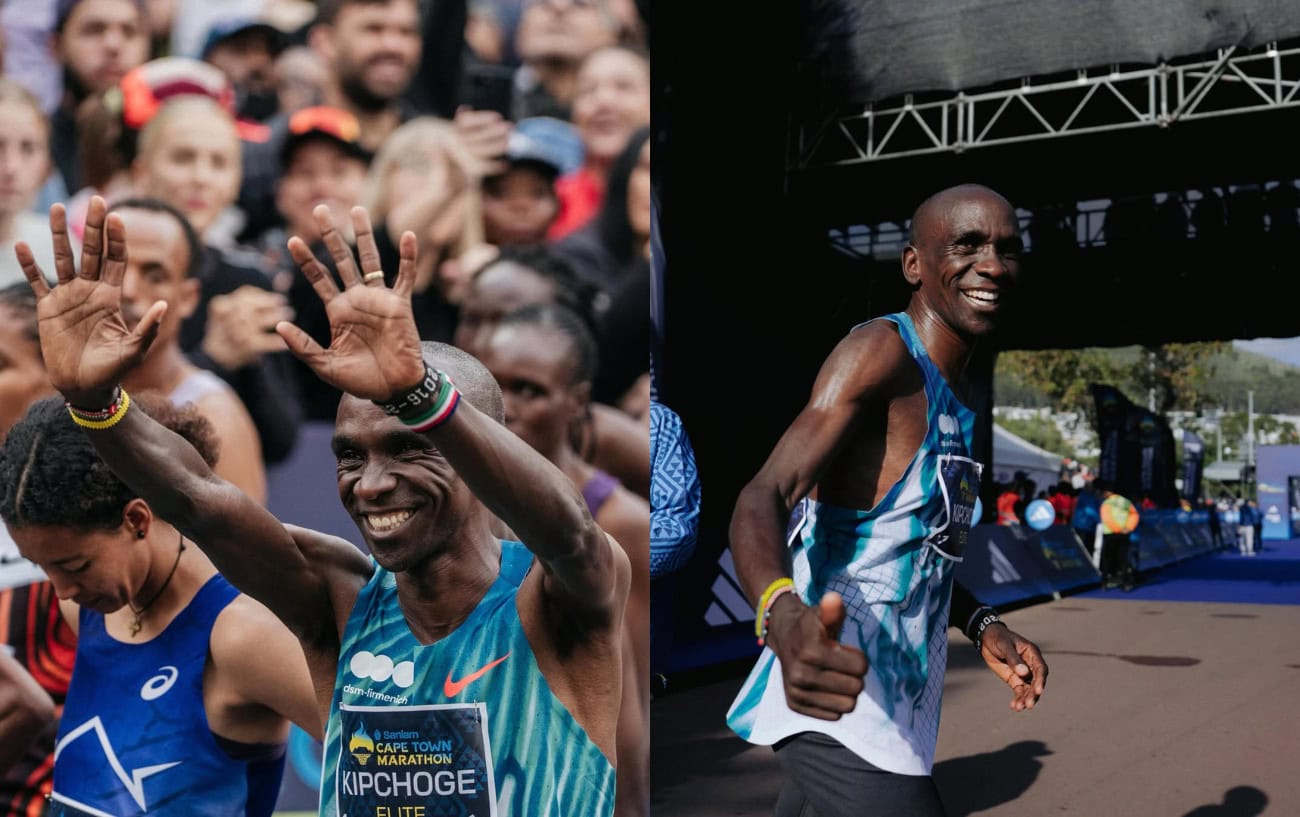
Eliud Kipchoge ran 2026 as the first stop on his world tour. It was the biggest piece of media leverage the race could have had at the moment it needed it most. He cannot run it back in 2027.
That is the immediate problem. Sydney faced the same one this year and had to argue for itself with the harbour bridge, the Opera House finish, and the hill profile. Cape Town will face the same test. The course is beautiful and the city is iconic, but a Major needs a defining character. Boston has its qualifying mystique. Berlin is where world records get set. London does charity at a scale no other race touches. Tokyo is the most precisely organised marathon on earth. New York is the biggest, full stop. Cape Town has to decide what it is.
The most likely answer is already implicit in the announcement itself. Two-thirds of Cape Town’s 2027 entries are reserved for African runners. That is an unusual policy choice for a Major. If Cape Town opened its field on the same basis as London, where the 2026 ballot drew a record 1.1 million applications, the African runners the race exists to serve would lose their spots to Six Star chasers from Europe and North America. The reservation prevents that. It also means the international ballot will be brutal. Depending on global demand, Cape Town’s international entry odds could rival or beat London’s.
That two-thirds rule is the most underrated number in this announcement, because it tells you what the race wants to be. Not a tourism Major dressed up in African scenery. A Major where African runners are the dominant field, the dominant story, and the dominant footage on the global broadcast. If Cape Town leans into that, the identity problem solves itself.
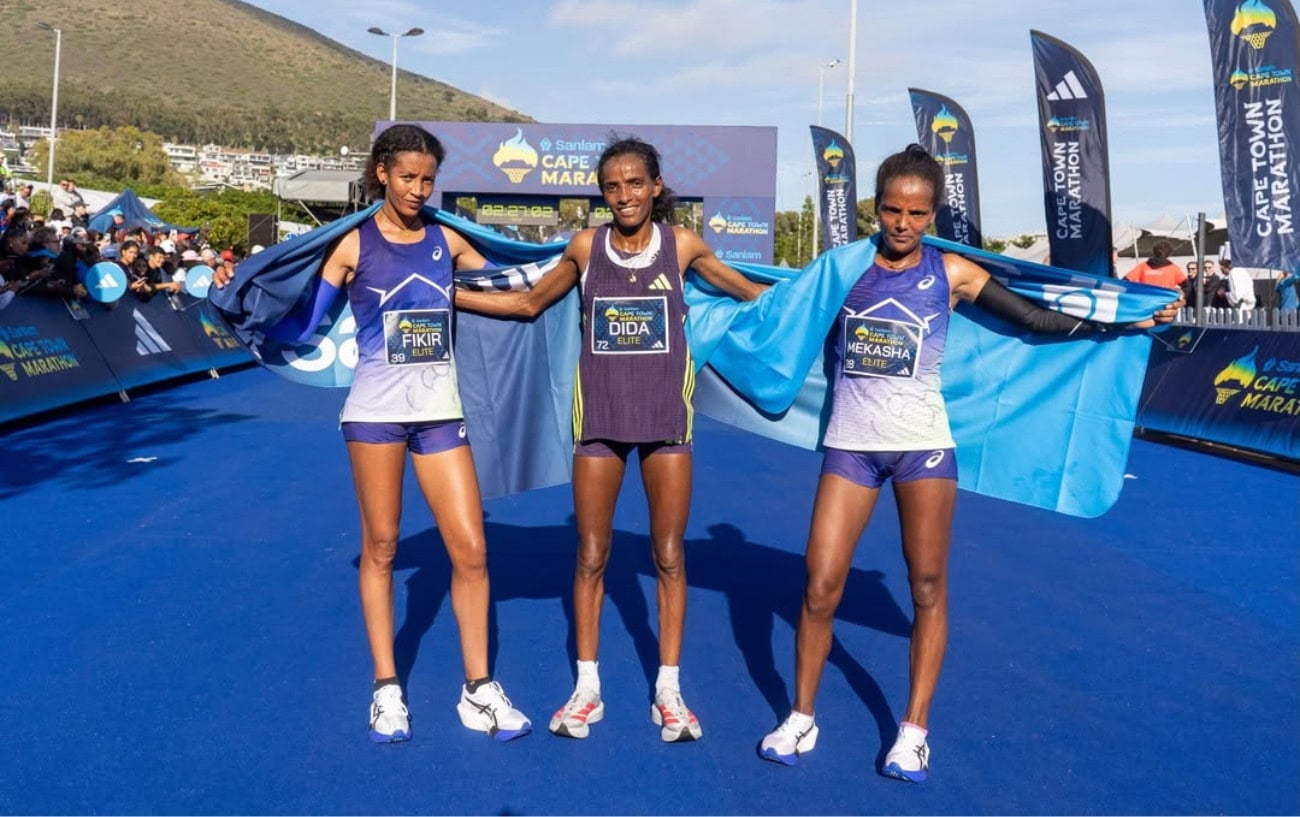
Which brings us to the part nobody wants to say out loud. Africa got one Major. The continent that produces most of the sport’s elite talent has, by athletic output alone, a credible argument for two. Shanghai is the next candidate and will almost certainly be confirmed for 2027. After that, a series with nine Majors and no race in South America, the Middle East or India still does not look like its name, and São Paulo, Mumbai, Dubai and Riyadh are all conversations that will happen. Most of them will be driven by money rather than by where the runners come from.
Whether Africa is in line for a second Major when those conversations happen, or whether Cape Town was the box being ticked, is the real test of whether the World Marathon Majors mean their name. It is too early to answer. It is not too early to ask.
RunClub
Get more running stories — join RunClub
Daily running news, a community of 300,000+ runners, free training plans for every distance, and a daily running game. Free to join — no card.
Already a member? Log in →





Start the conversation