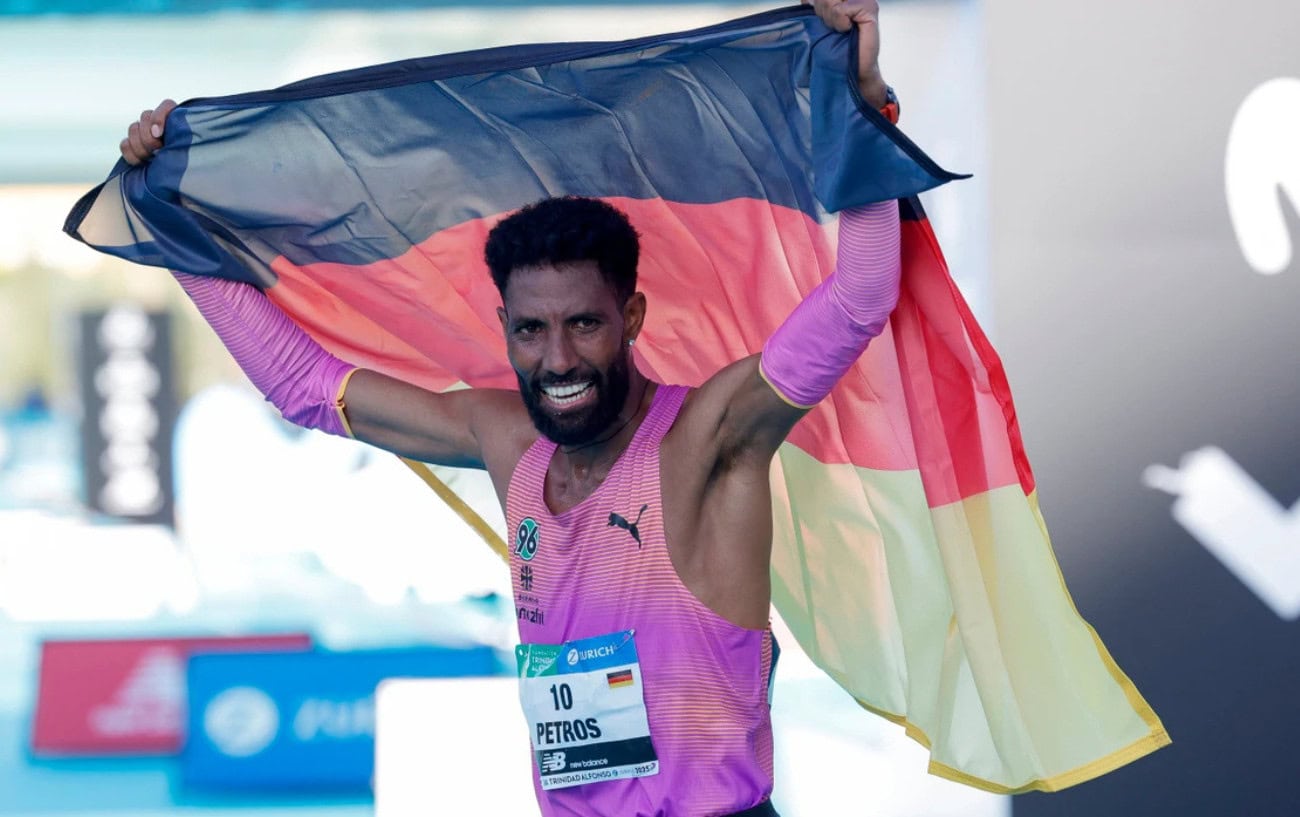
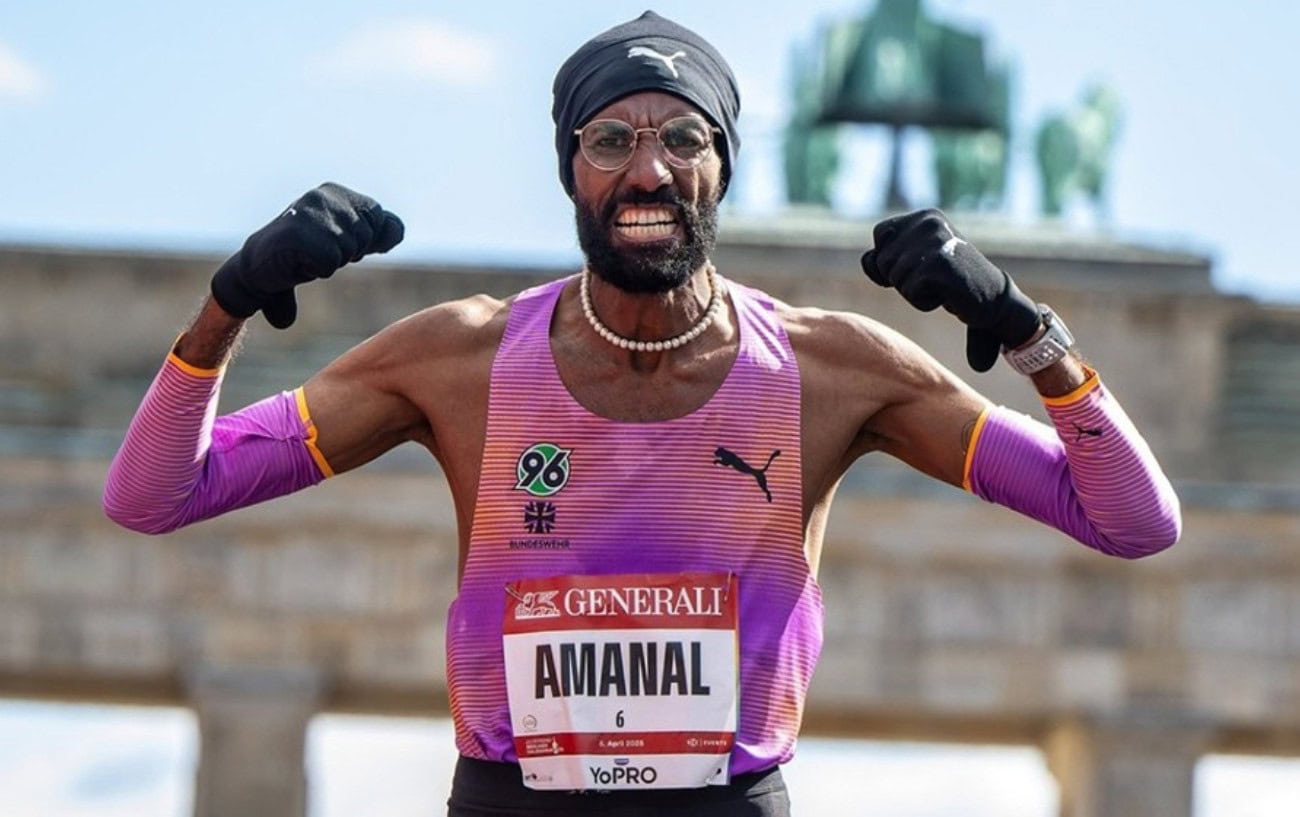
When Amanal Petros crossed the line in Valencia, the achievement spoke for itself.
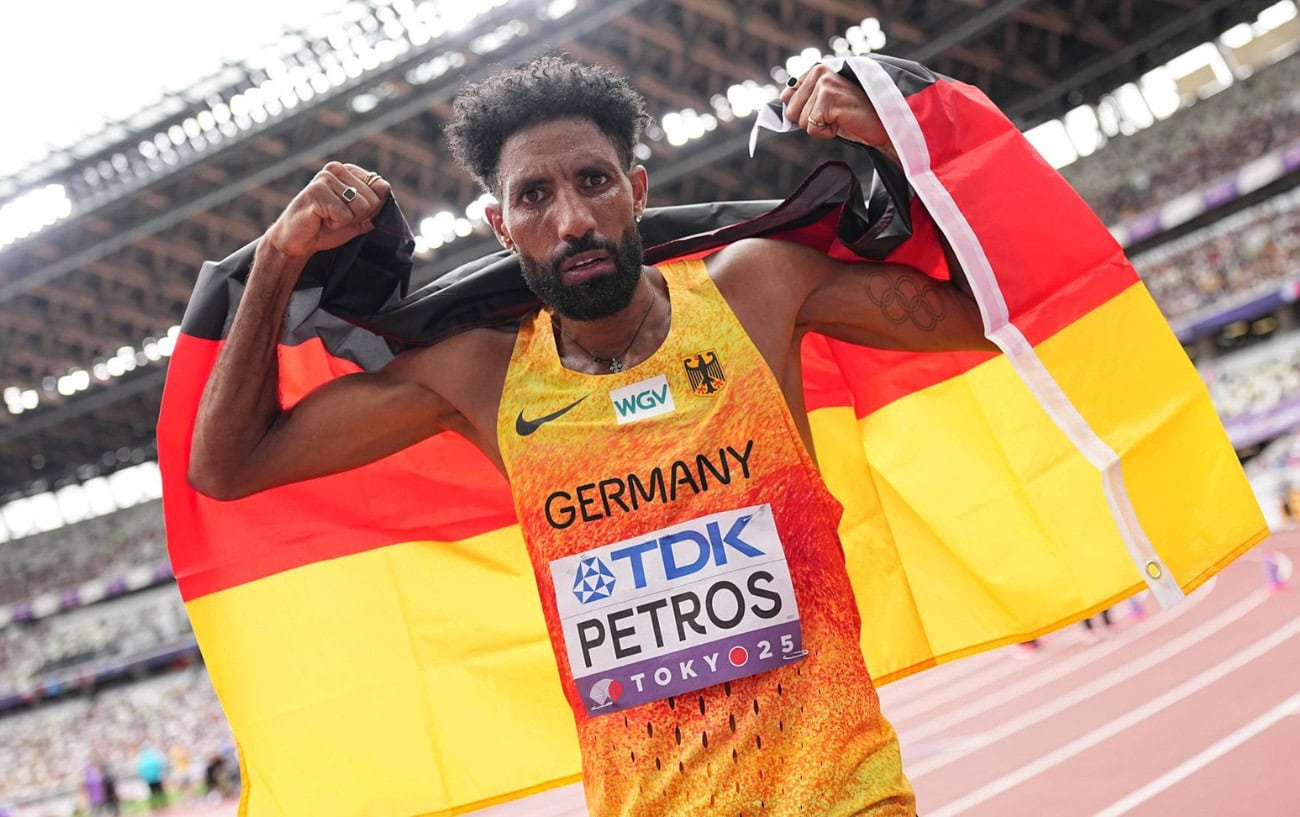
Second place at one of the fastest marathons in the world, a new German national record. Another star next to his name following his second place at World Championships, it’s clear Petros is making himself part of the conversation.
Not long after Valencia, Amazfit announced Petros as its newest athlete signing. While they leaned hard into the result, the brand, more so, framed the partnership around preparation, pacing, and recovery, language that felt deliberately understated given the magnitude of the performance.
This, call it restraint, is not accidental. It reflects how Amazfit has been approaching running sponsorships more broadly, and more importantly, why it has been signing athletes like Petros in the first place.
Petros fits the profile Amazfit has been quietly building toward. He is not a personality-driven athlete and he is not marketed as a star in the traditional sense.
Where his value comes from repeatability, from showing up healthy, from racing intelligently, and from delivering performances that consistently, yet quietly, contest with the best. For a marathon-focused audience, that matters far more than flash.
For Amazfit, adding Petros is less about celebrating one race and more about placing itself inside a part of the sport that is notoriously hard to crack.
Why Amazfit is signing runners like this
At a basic level, Amazfit is doing what any ambitious wearables brand has to do if it wants to compete seriously in a world dominated by Garmin, COROS, and Suunto. They are trying to convince athletes and everyday runners to trust their data.
That trust gap is the core problem Amazfit faces. GPS accuracy, pacing metrics, recovery scores, and training load are no longer differentiators. Every major brand offers them.
What separates Garmin, Coros, and Suunto from newer entrants is not features, it is years of accumulated belief that the watch will not fail when it matters.
Amazfit cannot shortcut that process. What it can do is attach itself to athletes whose careers depend on consistency and reliability, then let those performances accumulate quietly over time.
That helps explain the pattern across its roster.
Ruth Croft is not just successful; she is known for being meticulous and vocal about what works and what does not. Grant Fisher is one of the most data-literate distance runners in the world, always operating at the sharp end of the international track scene. Gabby Thomas brings credibility from a different end of the performance spectrum, one where precision matters just as much. Rosa Lara Feliu represents a younger European trail scene that values function over hype.

Petros fits squarely into that logic. Marathoners are conservative, often to a fault. They stick with what they know because the cost of change is high. A watch failure in training can derail a cycle. A failure on race day can undo months of work. By aligning with athletes who have reputations for getting things right rather than getting attention, Amazfit is making a very specific bet.
The bet is that trust can be built slowly, through association, repetition, and visibility at the right races.
Learning from an earlier, louder moment
That approach also looks like a response to Amazfit’s earlier initial attempt to make a splash in endurance running. The brand’s partnership with the late Kelvin Kiptum placed it at the very top of the sport overnight. When the world record holder wore Amazfit devices in training and competition, it sent a clear message about intent.
But it also exposed the limits of star power. Kiptum’s unfortunate death ended that partnership abruptly, and with it any chance of letting the relationship mature into long-term credibility. Since then, Amazfit has moved away from single, headline-grabbing signings and toward a broader, more resilient strategy.
Instead of asking runners to believe in one extraordinary athlete, the brand is asking them to notice a pattern.
Petros joining that pattern matters because road marathoning remains the most traditional and skeptical corner of distance running. Trail and ultra athletes are often more open to experimentation. Marathoners are not. If Amazfit wants to be taken seriously in the global running market, it has to prove itself here.
So, Why Would Any Of This Matter?
None of this guarantees success. Amazfit is still competing against brands with decades of institutional trust, entrenched ecosystems, and massive user bases. A few strong performances will not immediately change buying habits.
But the strategy itself is clear and increasingly hard to dismiss. Amazfit is not chasing virality. It is not flooding the sport with logos. It is placing its products on the wrists of athletes whose credibility comes from doing the same hard thing well, over and over again.
Petros’ performance in Valencia does not “prove” anything on its own. What it does do is reinforce the logic behind Amazfit’s approach. This is a brand trying to earn a seat at the table by aligning itself with how serious runners actually think about training, racing, and recovery.
That is a slower path than most companies choose. But in running, it may be the only one that truly works.