


For years, Chris Nikic finished Ironman triathlons on feet that were screaming at him. There was no running shoe designed for the anatomy of someone with Down syndrome — so he made do, training through blisters and pain that he says registered at an 8 out of 10 while most runners barely felt a 2.
That changes this week.
On March 21 — World Down Syndrome Day — adidas launched the Supernova Rise 3 Adaptive, the brand’s first performance running shoe built specifically for athletes with disabilities. It’s the result of a multi-year collaboration with Nikic and GAMUT Management, a firm specializing in inclusive product design, and it’s the first shoe of its kind from a major running brand to receive the GAMUT Seal of Approval for meeting rigorous accessibility standards.
“What feels like a 2 out of 10 in pain for most people hurts like an 8 for me,” Nikic said. “adidas understood exactly what I need in a shoe. Now I love running — because my feet don’t hurt anymore.”
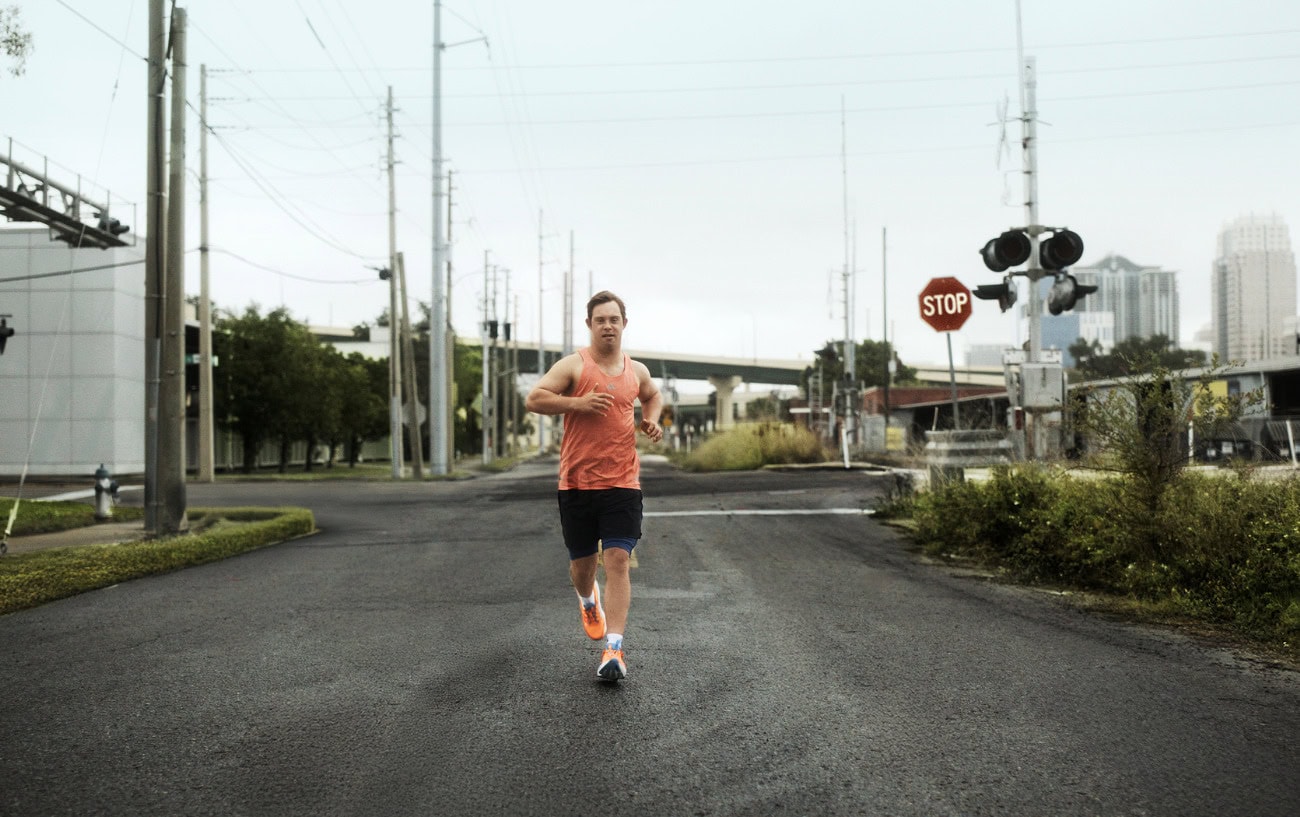
Nikic, 26, has completed three full Ironman triathlons, four half Ironmans, and 20 marathons since partnering with adidas. He trained in prototypes throughout the shoe’s development — prototypes that not only carried him across finish lines but shaped the final design now available to consumers.
Years in the Making
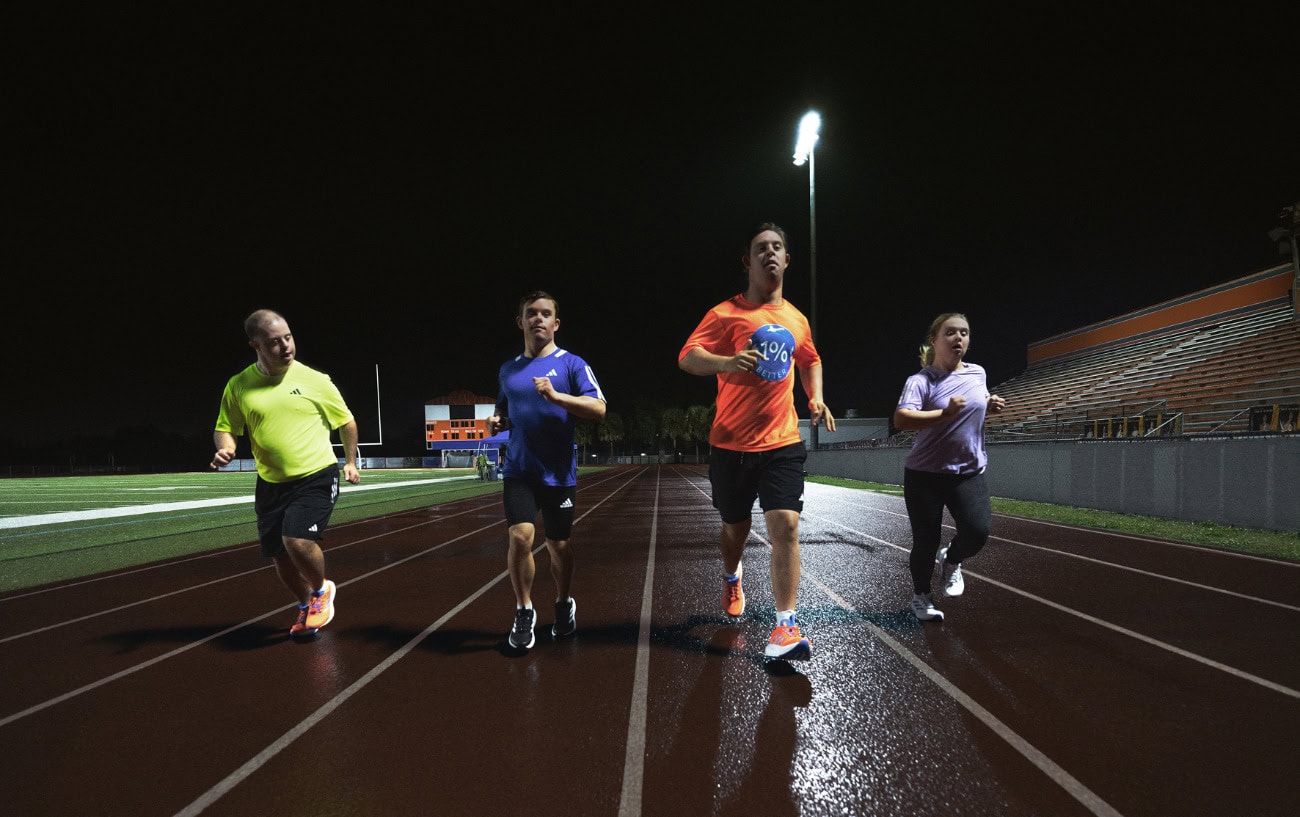
The shoe’s development wasn’t a short sprint. adidas assembled focus groups that included people with Down syndrome, wheelchair users, individuals with chronic illnesses, those with mobility and fine motor challenges, and athletes with upper and lower limb differences. Two Paralympians — Tracy Otto and Haven Shepherd — were part of that testing process.
The collaboration with GAMUT was central to the project. The organization’s Seal of Approval is awarded only when a product meets specific quality standards for the adaptive community, and the Supernova Rise 3 Adaptive earned it.
Paralympian Tracy Otto described her time working on the shoe. “My experience collaborating with adidas on this project was incredible and such an adventure,” she said. “The entire team was devoted to making this the best adaptive shoe available, building in features that give me the freedom and independence I’ve been missing for so long.”
What’s Actually Different
The shoe shares DNA with the standard Supernova Rise 3 — the same Dreamstrike+ foam cushioning (now 20% softer than the version in the Rise 2), and the same LIGHTTRAXION outsole for reliable grip. But the adaptive version adds several features that standard adidas running shoes have historically not included.
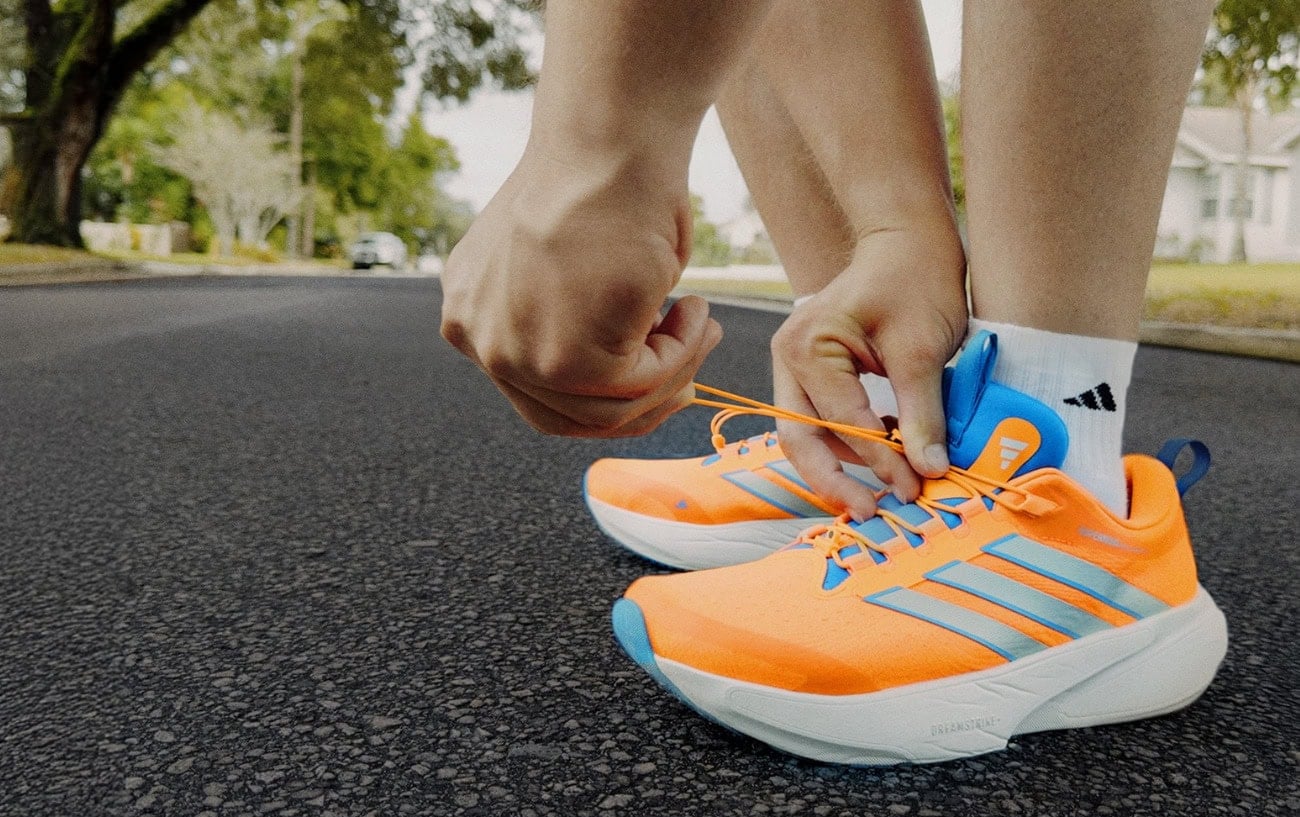
The heel is stiffened to allow hands-free entry, a critical detail for anyone who can’t bend down or use both hands to put on a shoe. A low-pressure lacing system lifts laces away from sensitive areas to reduce irritation. Magnetic toggles on the heel and tongue loops make adjustments easier for those with limited fine motor control. Tactile prints, including a chevron pattern at the heel, help athletes with visual or sensory needs orient the shoe correctly.
The forefoot is also wider than the standard model, giving toes room to spread naturally — the kind of fit adjustment that matters enormously for people whose foot anatomy doesn’t match the narrow templates most shoe companies design around. If you’ve ever dealt with foot pain after running, you’ll understand why this detail matters.
The shoe weighs 290g for men’s sizes and 246g for women’s, with an 8mm drop and stack heights of 37mm at the rearfoot and 29mm at the forefoot. It retails for $140 in the US and €150 in Europe.
A Gap Long Overdue for Closing
Patrick Nava, Global General Manager at adidas Running, said the project was about something bigger than a single product launch.
“At adidas, we believe sport has the power to change lives, and our role specifically as adidas Running is to make running more accessible and enjoyable for all athletes,” Nava said. “We’ve spent countless hours listening to and innovating alongside adaptive athletes and people with disabilities to create a shoe that addresses the real needs of a diverse population. We’re building truly equitable products for the entire running community, ensuring adaptive performance isn’t treated as an afterthought.“
For the running community, the launch raises a straightforward question: why did it take this long? Millions of people with disabilities participate in running events — from 5Ks to marathons to triathlons — yet the performance footwear market has largely treated them as an afterthought, if it considered them at all.
If you’re new to running and looking for accessible options, our guide to the best running shoes for beginners is a good place to start — and the Supernova Rise 3 Adaptive may well earn a spot on that list. You can also browse our runner’s foot care guide for tips on keeping your feet healthy on the road.
The adidas Supernova Rise 3 Adaptive is now available on adidas.com, in the adidas app, and at select retail stores worldwide, priced at $140 USD / €150.
RunClub
Get more running stories — join RunClub
Daily running news, a community of 300,000+ runners, free training plans for every distance, and a daily running game. Free to join — no card.
Already a member? Log in →





Start the conversation