


In 2019, when I was 24, I traveled to Boston to watch my friend race the marathon. The fan-packed streets, the expo’s fanfare, and the packed bars post-race all convinced me that I, too, should absolutely take part in a marathon major one day.
Seven years later, marathon mania has only metastasized; and the majors are becoming victims of their own success. Berlin runners complain about overcrowded corrals. Paris and New York flirt with 60,000-person fields. London’s acceptance rate has fallen below five percent. Boston qualifying times grow increasingly ruthless. And the appetite continues to expand: Sydney and Cape Town were added to the majors circuit, and Shanghai lingers as possible future addition.
From the crowded lotteries, inflated hotel prices, endless queues, and influencer activations comes this vague sense that the race itself is becoming secondary to the content ecosystem surrounding it.
So last fall, a few years into my own road running journey, I decided to opt out of the circus. I signed up for the Philadelphia Marathon weekend. I would race the half marathon on Saturday, stay for the full marathon on Sunday, and see whether a non-major race weekend could still deliver the magic I remembered from Boston.
Philadelphia, of course, is not tiny; its population doubles Boston’s, and roughly 20,000 runners participate across the weekend’s events. The race appeared sophisticated enough to check my boxes as a competitive runner. I wanted clear mile markers, and waves that wouldn’t leave me weaving around traffic for the opening kilometres. The entry fee was also an affordable $140 USD, roughly half that of New York City or Chicago. All of it caused me to fly into Philly on Thursday with confidence.
The day before the race, I jogged a shakeout run along the Schuylkill River Trail, where rowers skimmed across grey water beneath skeletal November trees. Then, I changed my shoes in my hotel room, and strolled into a city conscious of its own historical weight. Pewter plaques flanking cobblestone streets commemorated the Declaration of Independence. Billboards marked America’s approaching 250th anniversary.
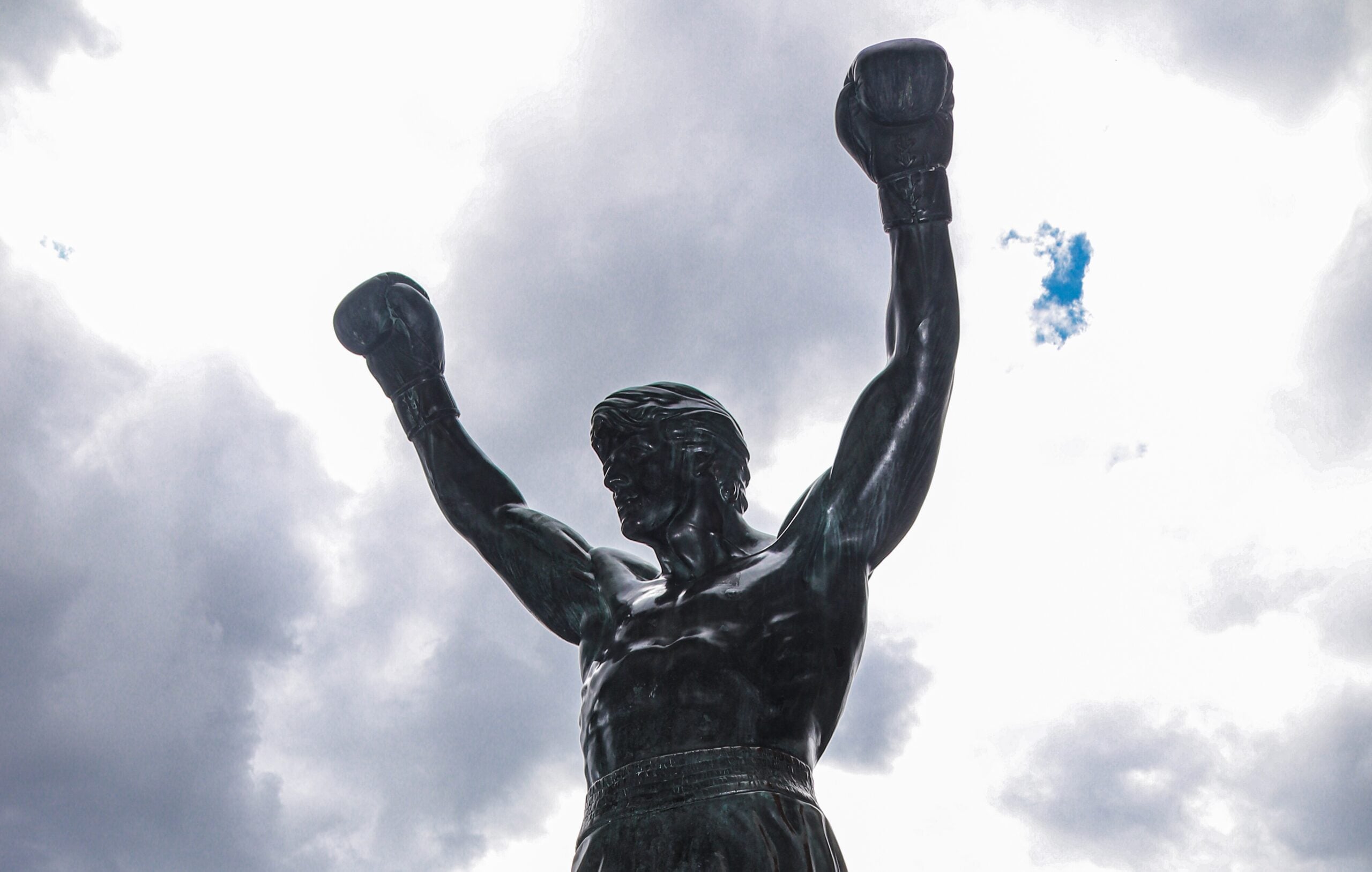
At Reading Terminal Market, runners wandered the aisles carrying carb-heavy takeout containers. Later, I drifted through Philadelphia’s Christmas market, crossing beneath the vaulted architecture of Philadelphia City Hall while anxious runners ambled up the Philadelphia Museum of Art stairs for photos with Sylvester Stallone’s bronze likeness.
Race morning arrived cold and wet.
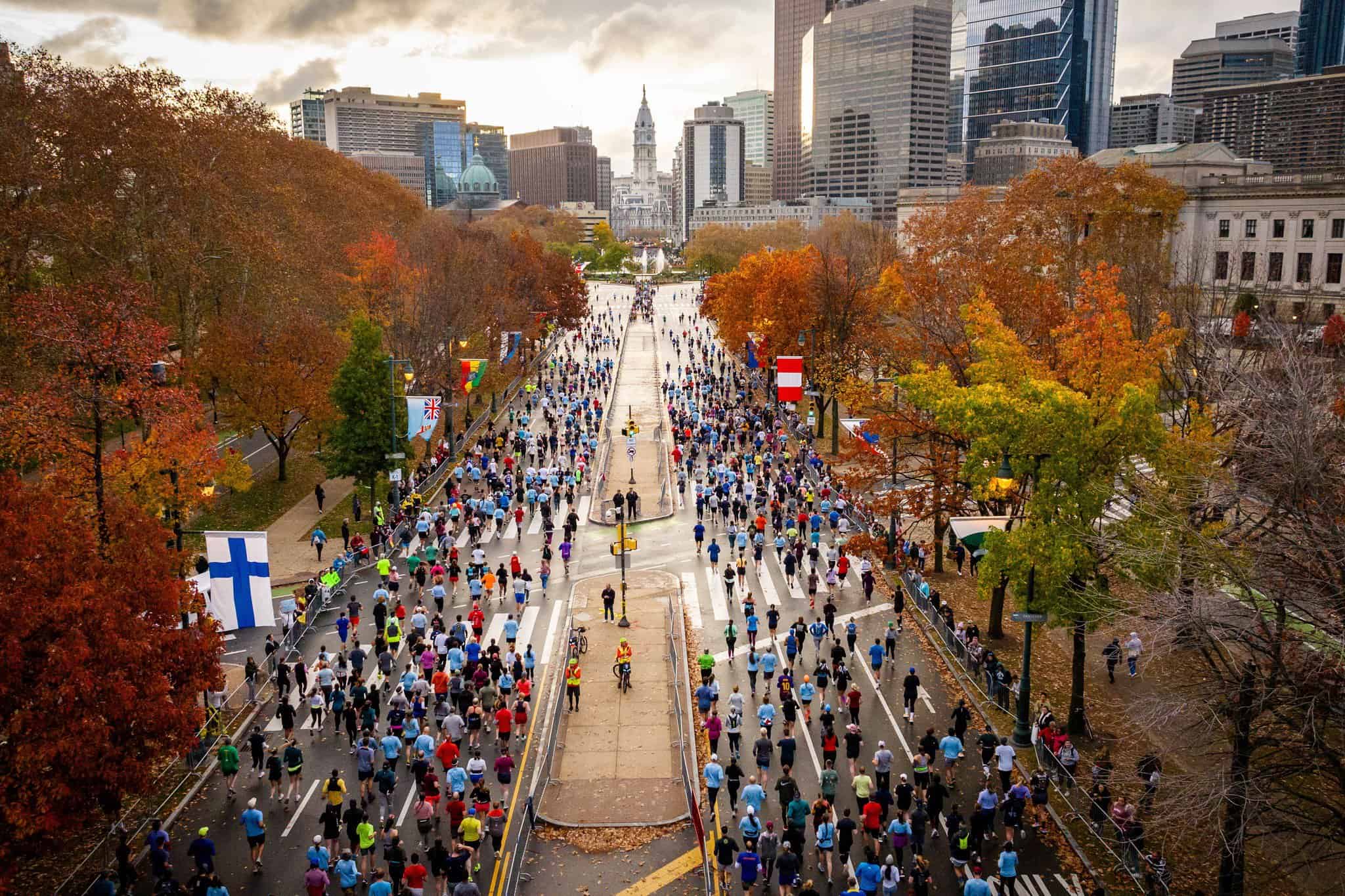
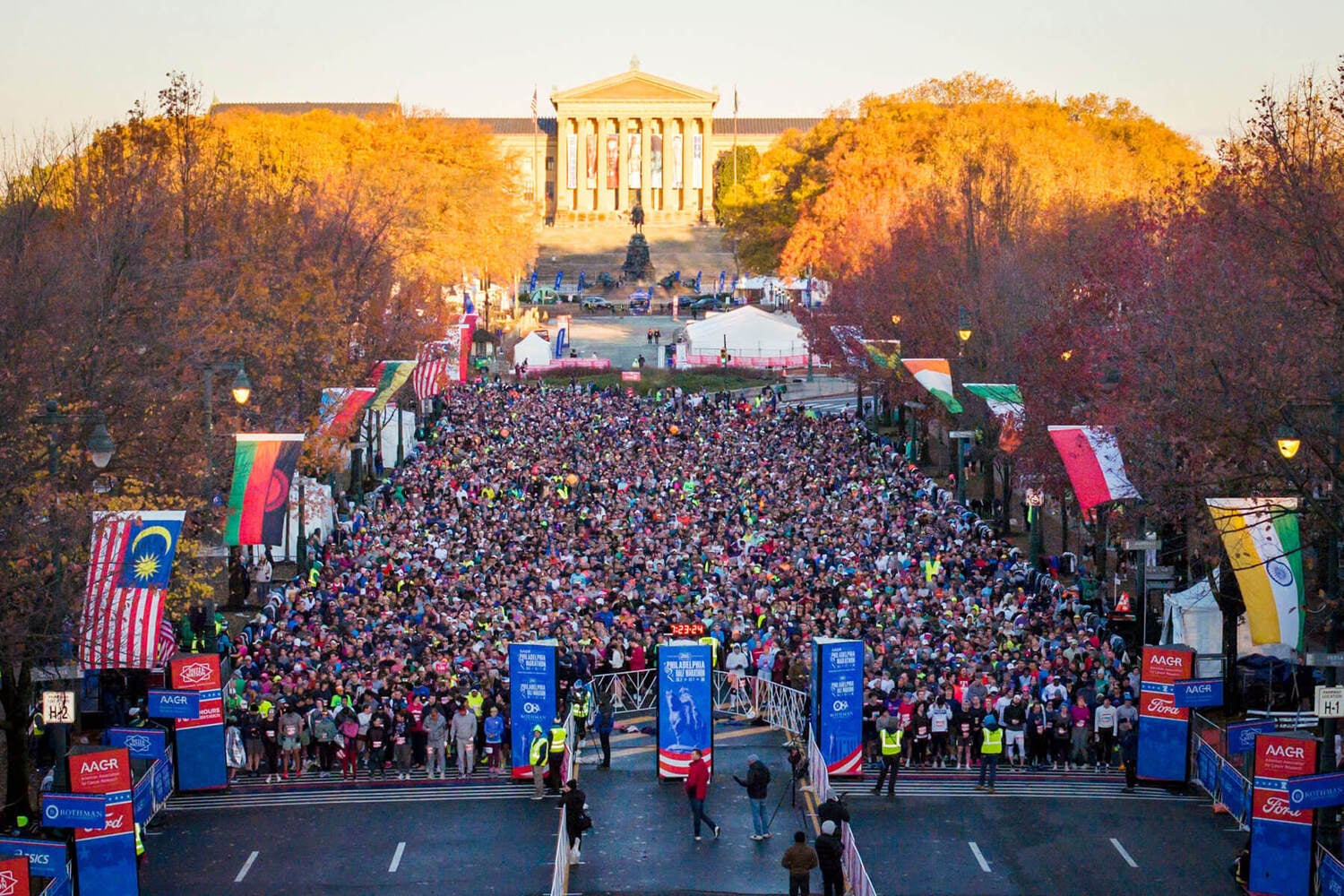
Rain fell lightly as I stared down Benjamin Franklin Parkway and its national flags, snapping in the wind. The announcer welcomed both race ambassadors, U.S. Olympians Dakotah Popehn and Jared Ward, the latter of whom I suddenly realized was standing only a few feet away from me on the start line.
My goal that morning was straightforward: break my personal best of 1:05:04 in the half marathon. On paper, such a time placed me roughly 13th in the field.
I slotted behind a dozen fast runners at the sound of the gun. We surged past City Hall, cut east toward the Delaware River, then doubled back through broad downtown avenues where spectators banged cowbells despite the rain. The crowds surprised me most. Philadelphians showed up in force, layering the course with noise from the opening kilometres onward.
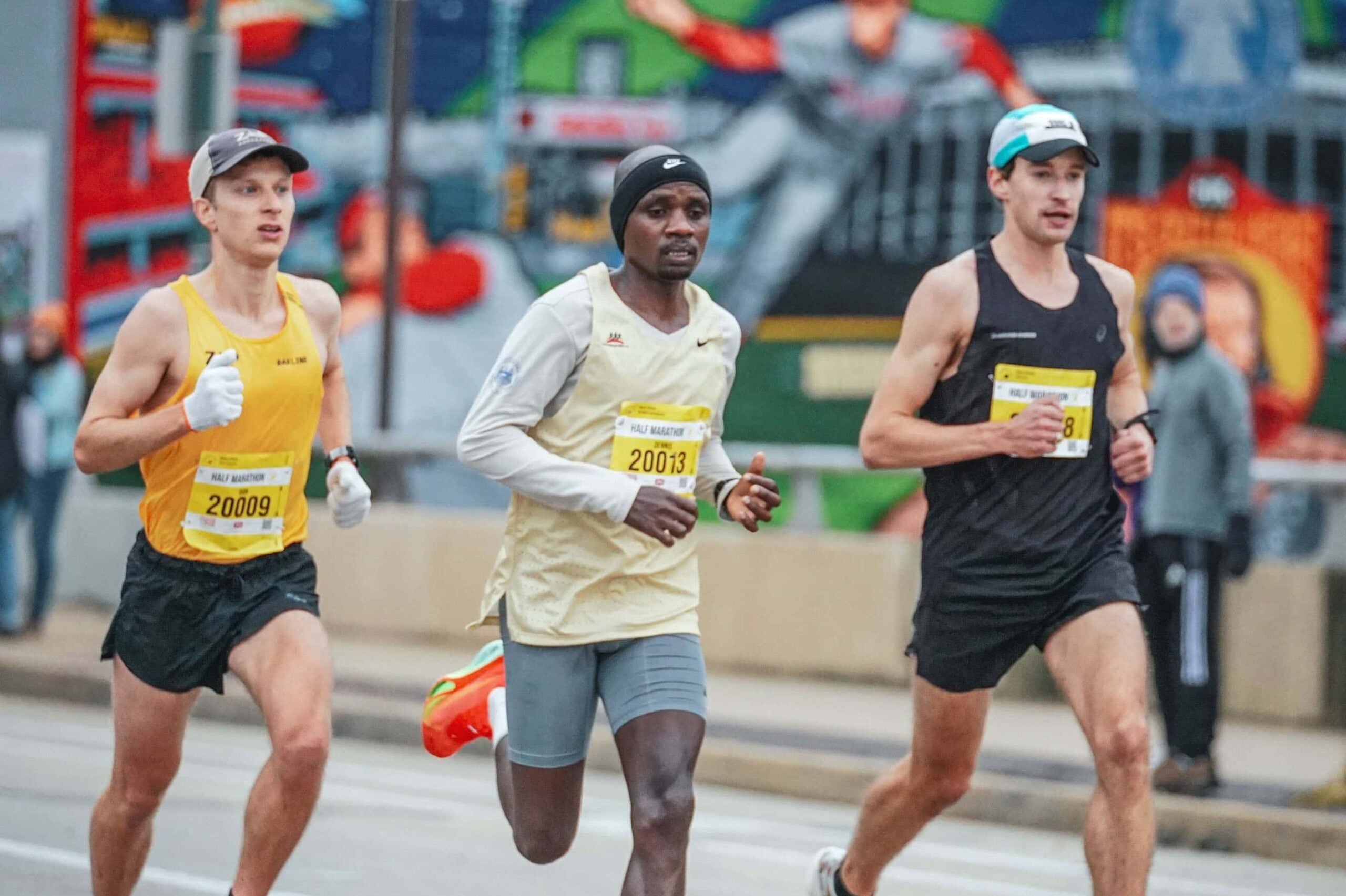
I gradually lost contact with Ward’s pack. Still, through ten kilometres, I remained on pace. My breathing settled into rhythm as the cheers dissolved into background static. Then came the bridges.
The first climb arrived around twelve kilometres: picturesque, but subtly draining. The second half of the course rolled more than the elevation charts had suggested, a series of undulating inclines that slowly extracted energy from the legs. By eighteen kilometres, the race had narrowed into something more private and difficult. We descended toward the park system and eventually onto Kelly Drive, the usually traffic-heavy roadway transformed into a runner’s corridor.
There, with the Philadelphia Museum of Art appearing again in the distance, the race tilted from discomfort into desperation. I rounded the final turns and sprinted toward the finish.
1:04:27. A personal best.
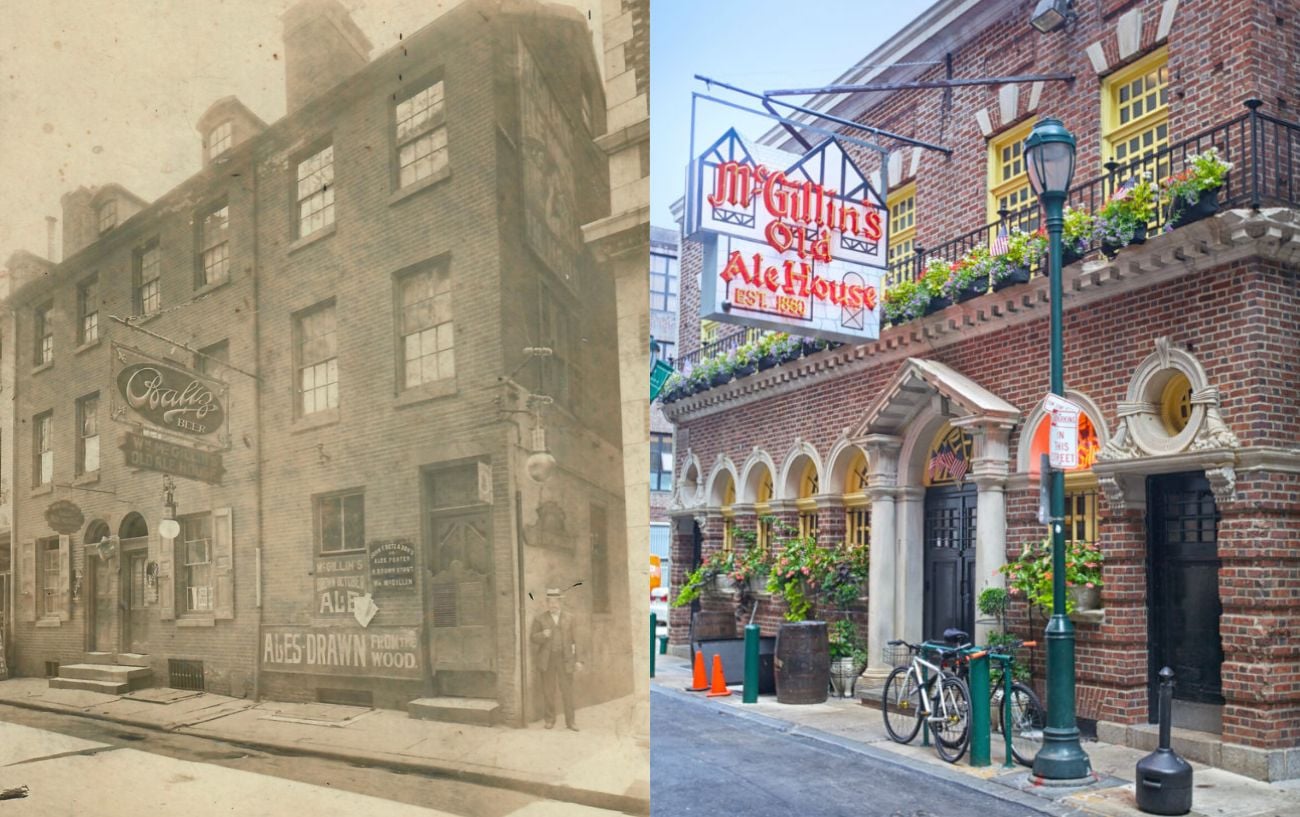
Later that afternoon, I squeezed into McGillin’s Olde Ale House, where elated runners mingled with roaring Philadelphia Eagles fans. The bar pulsed with precisely the kind of post-race exhilaration I’d once associated exclusively with marathon majors. Only here, it lacked the exhaustion of navigating an event too large for its own infrastructure.
After the weekend, I drove north to The Lodge at Woodloch in the Pocono Mountains, where recovery replaced adrenaline. I revived my dead legs with a deep tissue massage and hot-and-cold therapy overlooking bare trees. Finally, an easy gym session on Tuesday morning to loosen stiff legs before returning to Canada.
Races like Philadelphia are filling a gap in North American running culture. Events such as California International Marathon, Twin Cities Marathon, Grandma’s Marathon, Houston Marathon, and Indianapolis Monumental Marathon have become refuges for runners priced out of – or shut out of – the majors arms race.
They are large enough to feel significant, yet small enough that the cities themselves do not disappear beneath the event. Memorable race weekends are not created by a label; but rather by atmosphere, competence, and the strange intimacy of thousands of people choosing to suffer together through city streets on a cold morning.
You do not need a marathon major to find that. Sometimes you only need a good race and a city that still fits around it.
RunClub
Get more running stories — join RunClub
Daily running news, a community of 300,000+ runners, free training plans for every distance, and a daily running game. Free to join — no card.
Already a member? Log in →


Start the conversation