


Why it matters
Strava’s long-anticipated move toward the public markets signals growing investor confidence in consumer health and fitness platforms—particularly those with global reach and loyal communities. If the IPO proceeds, it would be among the most high-profile public debuts in the fitness-tech space since Peloton in 2019.
What’s happening
- The San Francisco–based company has begun holding talks with top-tier banks including Goldman Sachs, JPMorgan, and Morgan Stanley to lead its IPO, according to sources familiar with the discussions.
- Strava was last valued at $2.2 billion in May during a funding round led by Sequoia Capital. Other backers included TCV, Jackson Square Ventures, and Go4it Capital Partners.
- The company recently appointed a chief financial officer, a common prelude to a public offering.
While no valuation target or fundraising amount has been finalized, sources say the company is looking to capitalize on improving IPO market conditions.
By the numbers
- Founded: 2009 by Michael Horvath and Mark Gainey
- Users: Over 150 million across 185 countries
- Revenue growth: From $91 million in 2021 to an estimated $163 million in 2024, per Business of Apps and ElectroIQ
- Acquisitions: The Breakaway (2023), Runna (2024)
The bigger picture
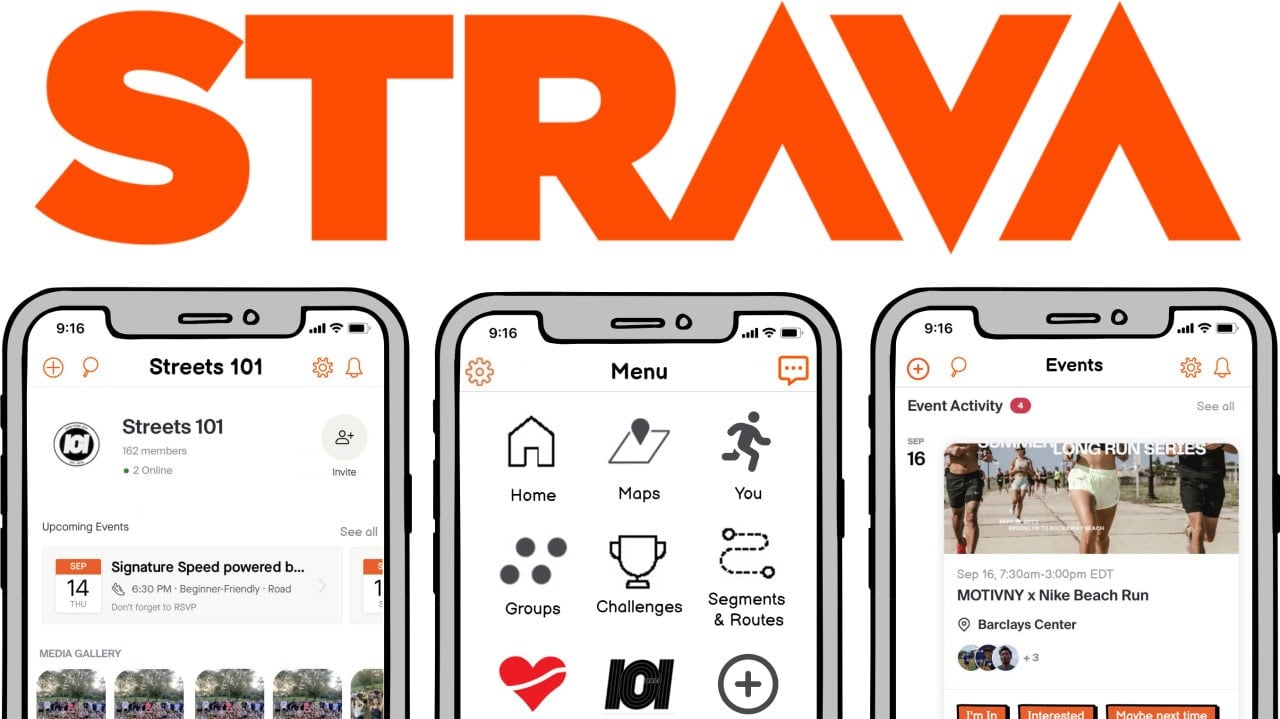
Strava saw explosive growth during the pandemic as users flocked to outdoor activities and social fitness communities. The app’s core appeal—GPS-based tracking, leaderboards, and “kudos”—has helped it become a staple for runners and cyclists globally.
To keep that momentum, Strava has expanded its ecosystem by acquiring training and coaching platforms, aiming to serve both casual athletes and serious competitors. But turning millions of free users into paying subscribers remains one of the company’s biggest challenges. The company has not disclosed whether it is currently profitable.
What’s next
Strava’s public debut would come amid a cautiously recovering IPO market. Last week marked the busiest stretch since 2021, with six listings raising over $4 billion. Targeting early 2026 may be a strategic decision to ride a potentially stronger economic window.
For now, both Strava and the banks involved have declined to comment publicly. But the signals—fresh capital, C-suite expansion, and strategic acquisitions—suggest a company preparing to make its Wall Street debut.
RunClub
Get more running stories — join RunClub
Daily running news, a community of 300,000+ runners, free training plans for every distance, and a daily running game. Free to join — no card.
Already a member? Log in →










Start the conversation