


A deepening trade war and economic uncertainty are shaking the running industry — and runners could soon feel it in their wallets.
🧹 Why it matters
The Trump administration has escalated its trade war with China, announcing a 145% tariff on Chinese imports. While most other countries are temporarily spared the harshest penalties for 90 days, even they face still face baseline 10% tariffs, threatening to raise prices and choke supply chains across the running industry.
With retail shoe sales already down nearly 10%, and production being scaled back, runners should brace for price hikes on shoes and GPS watches, product shortages and delayed releases, and fewer discounts and limited stock at retailers.
💥 What’s happening
The administration’s latest tariff move slaps Chinese-made goods with a 145% import tax, made up of a 125% “reciprocal” tariff and an additional 20% levy tied to geopolitical concerns—including fentanyl policy and trade imbalances, according to the White House.
The ripple effects are immediate:
- In the 11 weeks since Trump’s inauguration, U.S. retail shoe sales are down 9.5% year-over-year, per the Footwear Distributors and Retailers of America, whose members include big volume brands like Nike, Adidas, and Skechers. (This includes all footwear, although running shoe sales have fared better to start 2025.)
- According to a recent FDRA executive survey, 72% expect worsening business conditions this year.
- Brands are considering freezing hiring, scaling back production, and delaying new product orders.
- Retailers are preparing for tightening inventory, especially in trail, racing, and seasonal models that depend on long lead times.
💸 What a 145% tariff actually means
If a running shoe manufactured by Adidas in China sells for $150 at retail, a 145% import tariff would tack on between $25-$75 in duties, as these fees are applied to the cost of manufacturing the shoe and not the end retail price. Then Adidas would have to account for distribution, retail markup, or margin recovery in its end pricing.
In other words: expect sticker shock. Either the brand eats the cost (unlikely) or consumers pay significantly more for the same product.
🧵 Who’s at risk
Brands still reliant on Chinese manufacturing are suddenly on the brink:
- Adidas, Under Armour, Saucony, and The North Face still produce a significant share of their running gear in China.
- Indie brands like Rabbit (apparel and shoes) and upstart challengers like Coros (watches) are also made primarily in China.
- Mount to Coast, a rising ultrarunning brand based entirely in China, could see its U.S. presence deeply impacted under the 145% tariff burden.
Brands like Nike, Brooks, Hoka, Asics, and New Balance, which now manufacture primarily in Vietnam, aren’t in the clear — they face a 10% baseline tariff come July unless trade talks resolve.
⌚ The tech squeeze
Running technology isn’t exempt:
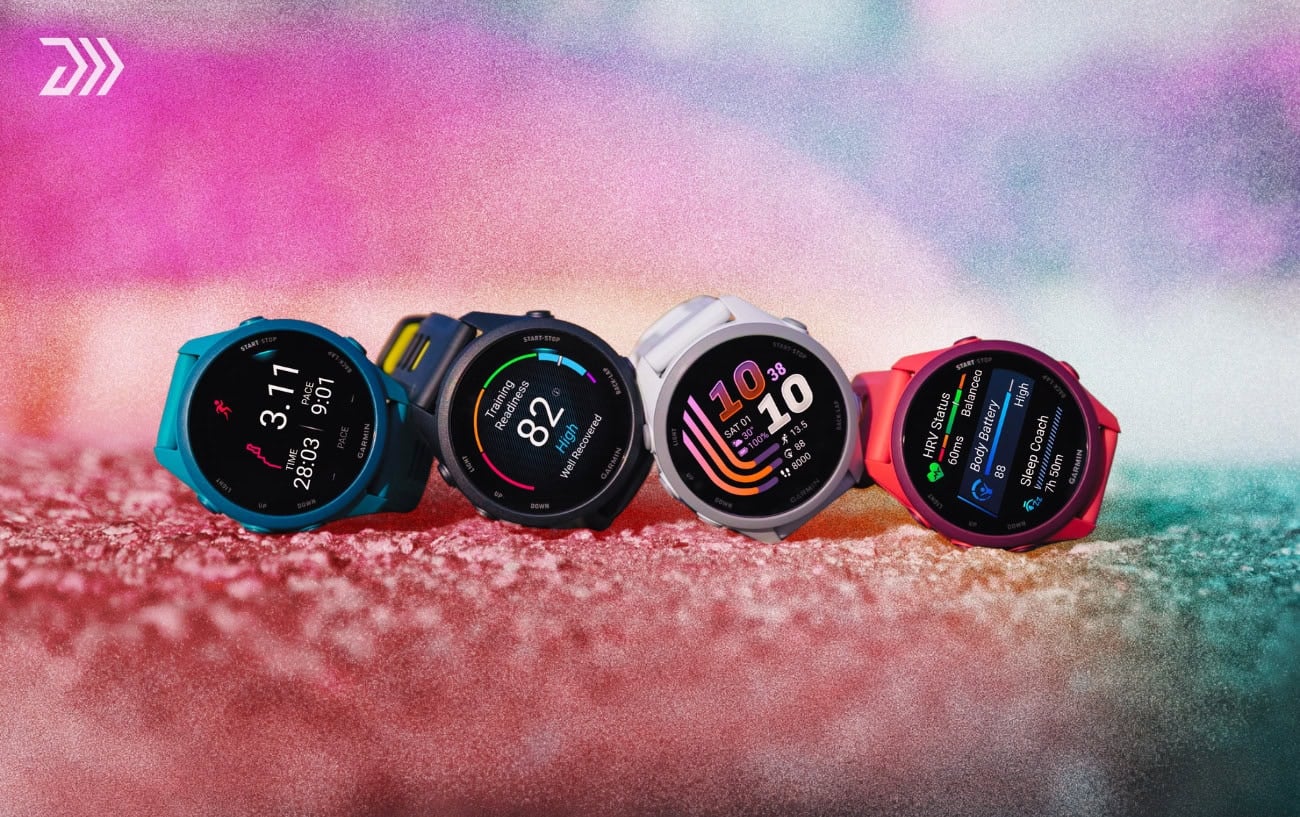
- Garmin manufactures most of its Forerunner watches in Taiwan but still sources parts and products from China.
- Apple, whose Apple Watch is made entirely in China, is directly exposed.
- Coros, a fast-growing GPS watch brand based in China, may find itself priced out of the U.S. market altogether.
A New York Times editorial warns these tariffs could “kill off competition and innovation” — especially in sectors like wearables where affordability and quick iteration drive success.
🔍 The bigger picture
The running industry is a visible casualty of the broader economic fight:
- Ninety-nine percent of the shoes sold in the U.S. are imported from South East Asia, mostly from China, Vietnam and Indonesia.
- According to the American Apparel & Footwear Association (AAFA), 61.9 percent of shoe imports come from China, with 21.4 percent coming from Vietnam.
- Supply chains will no doubt start shrinking, and production cycles for some brands reliant on Chinese factories will freeze.
- For runners, that will mean higher prices later this year, fewer options, and potential delays in getting gear they rely on — from shoes to tech to apparel.
RunClub
Get more running stories — join RunClub
Daily running news, a community of 300,000+ runners, free training plans for every distance, and a daily running game. Free to join — no card.
Already a member? Log in →






Start the conversation