


The London 2012 women’s 800m was already one of the most rewritten finals in Olympic history. On Monday, it got rewritten again.
The IOC’s Executive Board approved a fresh medal reallocation in the event, prompted by the final disqualification of Russian runner Yekaterina Poistogova, who now goes by Yekaterina Guliyev. With her result wiped, the rest of the field shifts up one spot. Pamela Jelimo of Kenya takes silver. Alysia Montano of the United States takes bronze. Francine Niyonsaba of Burundi is now fourth. Janeth Jepkosgei Busienei of Kenya rounds out the ranking in fifth.
That makes three Russians stripped from a single race. Guliyev joins Mariya Savinova and Elena Arzhakova, both disqualified earlier from the same final. The official field, per World Athletics, is now five women. Russia’s track and field programme remains under suspension, an ongoing reckoning that traces back to the state-sponsored doping schemes uncovered in the years after London 2012.
How we got here
Guliyev’s case was not a quick one. The Court of Arbitration for Sport ruled against her on 28 March 2024. She appealed. CAS dismissed that appeal on 23 May 2025, making the disqualification final and binding. World Athletics then updated the rankings, and the IOC took the last step this week.
Medal reallocation does not happen automatically, and the IOC reviews each case on its own terms. Promotion only goes through once every legal path has closed and no anti-doping flags are sitting against the athletes about to move up. With nothing left to wait on, the IOC confirmed that Jelimo will receive the silver medal, the second-place diploma and the silver medallist pin. Montano gets the bronze medal, the third-place diploma and the bronze medallist pin. Niyonsaba is owed a fourth-place diploma. Busienei picks up the fifth-place diploma.
What changes, and what doesn’t
The runners are not getting a do-over. No anthem in the stadium, no podium photograph from 2012 to redo, no fresh lap of honour. What they are getting is the hardware, the paperwork, and a corrected line in the Olympic record books.
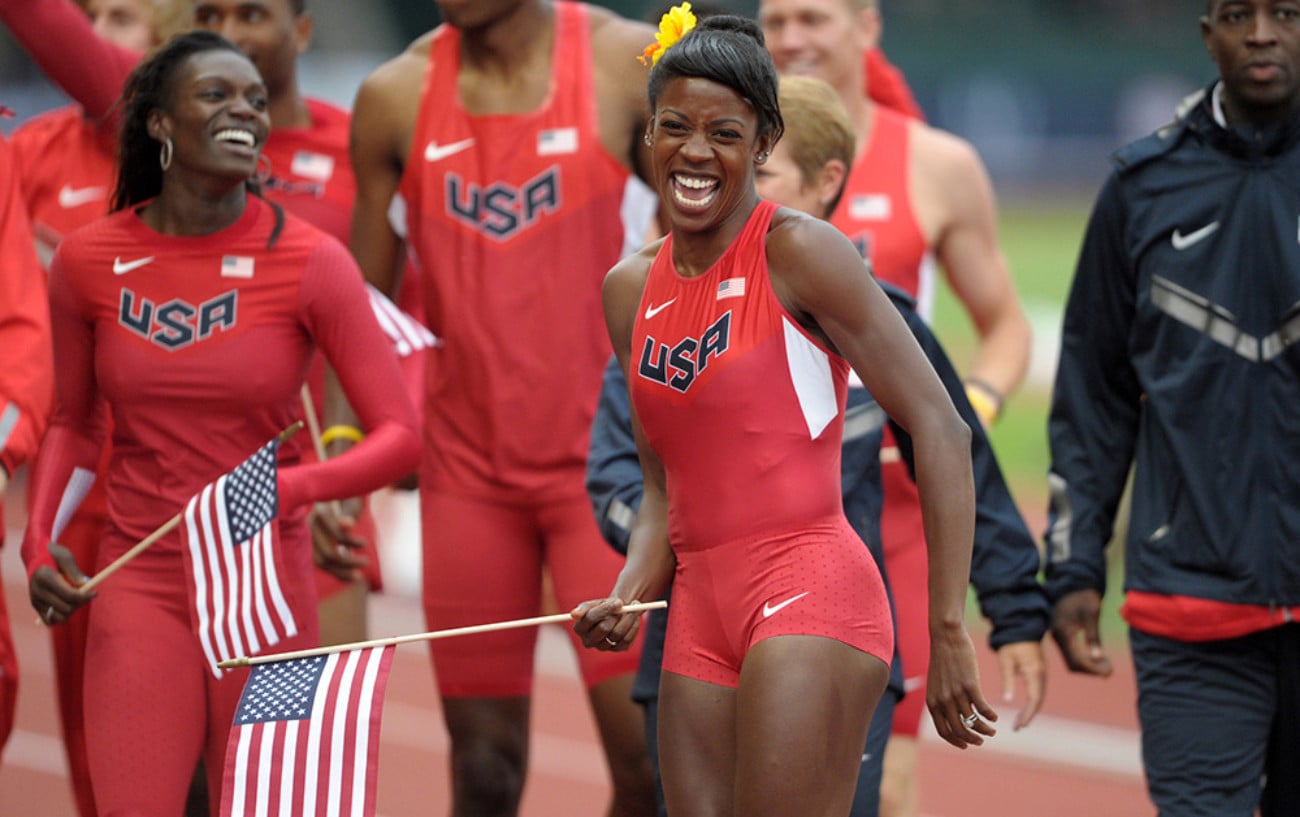
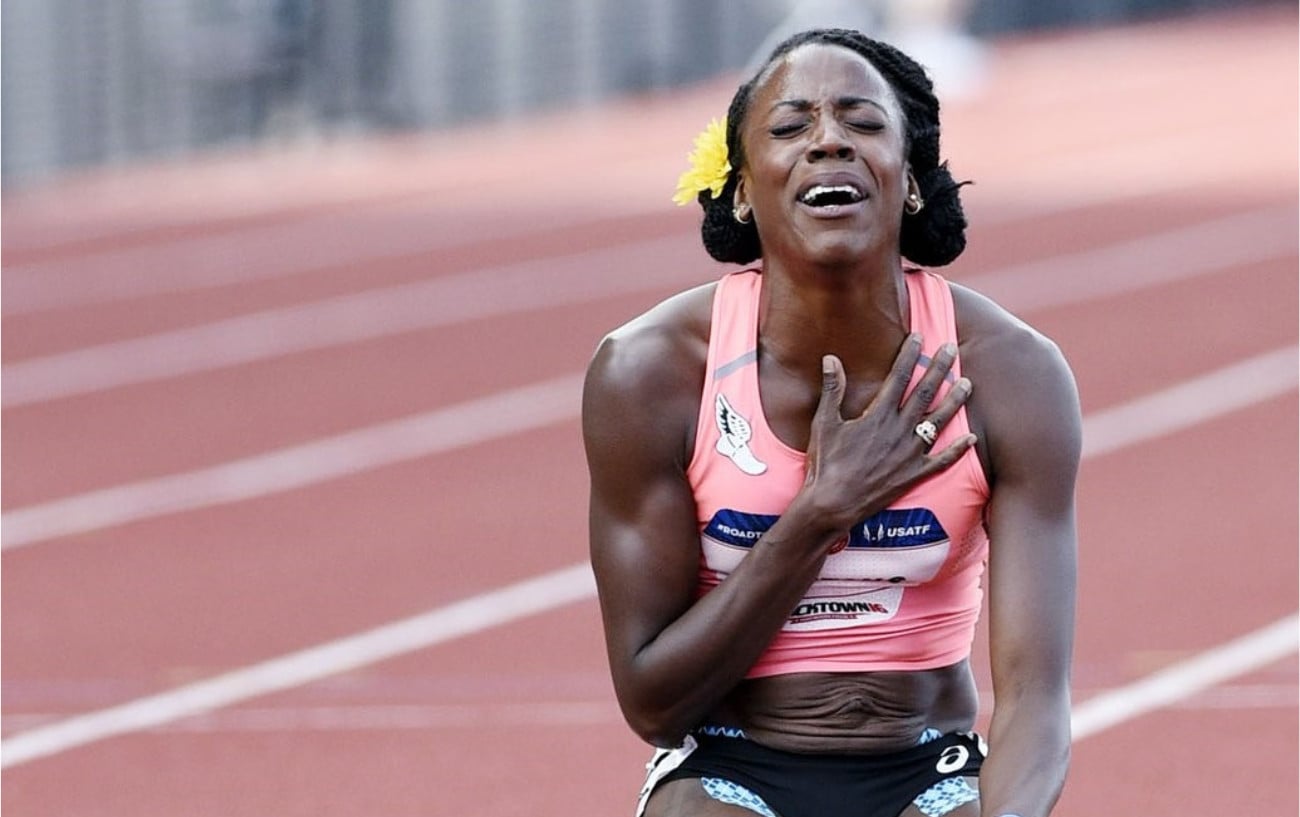
For Montano, that line is worth a lot. She walked off the London track in 2012 with no medal. Fourteen years later, a bronze is finally on its way to her, with no ceremony, no cheering crowd, and three Russian names crossed off the result sheet that day. The aftermath of a doping ban is rarely tidy, and for the athletes who were beaten by cheats, the medal often arrives quietly, years after it should have. It is a familiar pattern in the sport’s long fight against PEDs.
RunClub
Get more running stories — join RunClub
Daily running news, a community of 300,000+ runners, free training plans for every distance, and a daily running game. Free to join — no card.
Already a member? Log in →










Start the conversation