


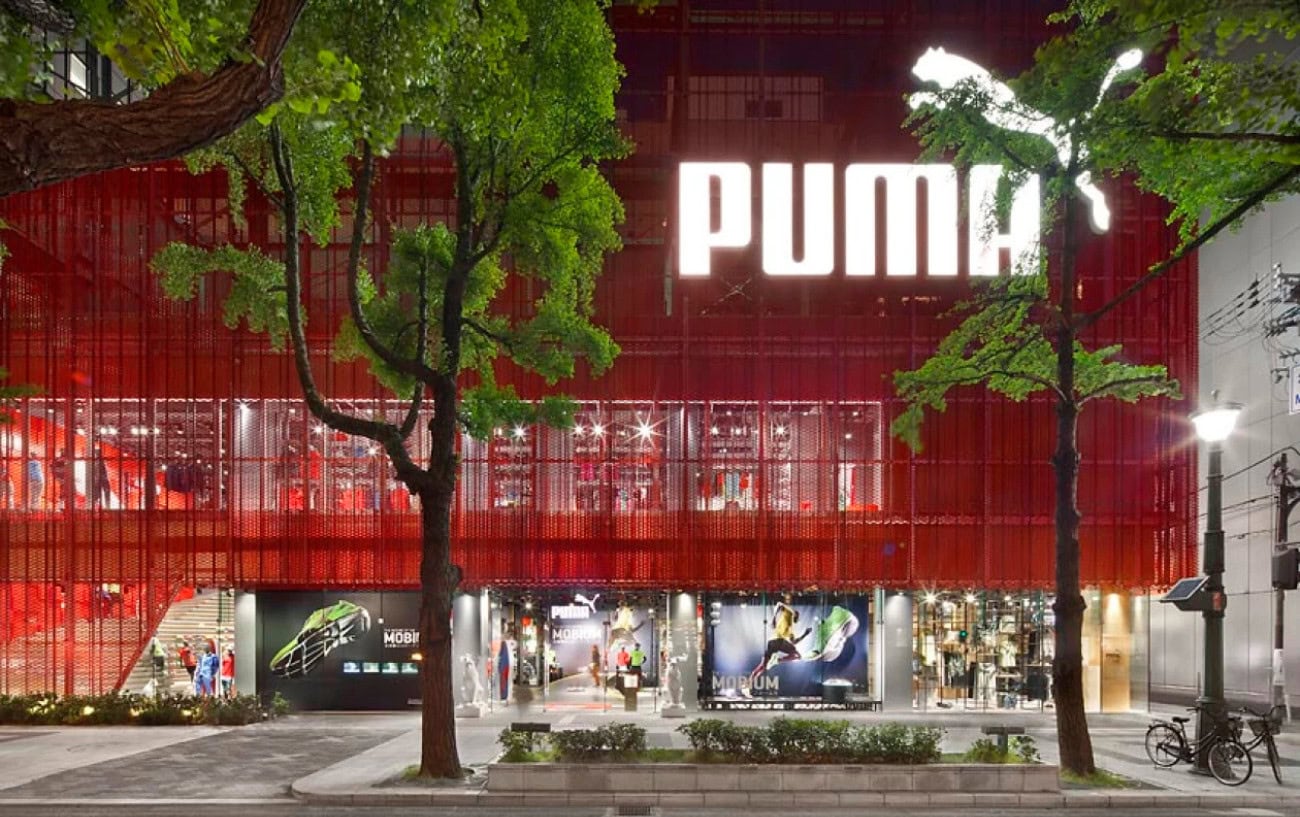
Chinese sportswear company Anta Sports Products has agreed to buy a nearly 29% stake in Puma for €1.5 billion, or about $1.8 billion, in a move that makes Anta the German brand’s largest shareholder.
The deal, announced Tuesday, comes as Puma is trying to recover from a turbulent year marked by leadership changes, layoffs, and falling sales. Anta said it sees long-term value in Puma’s brand and believes the company is undervalued after a steep drop in its share price.
Anta is already one of the most powerful players in global sportswear. Its portfolio includes Fila, Descente, and Jack Wolfskin, and it is the majority owner of Amer Sports, the group behind Salomon, Arc’teryx, and Wilson.
A cash deal with no takeover planned
Anta will buy the stake from Groupe Artémis, the investment company controlled by the Pinault family, which has held shares in Puma since 2018. The purchase will be made entirely in cash, and Anta said it does not plan to make a full takeover offer.
The transaction is expected to close by the end of 2026, subject to regulatory and antitrust approvals.
“Anta aims to empower Puma to fully realise its brand potential and its heritage to create long-term value for global consumers and stakeholders,” Puma’s chief executive, Arthur Hoeld, said in a statement. “We see this as a vote of confidence in Puma and its strategic direction.”
Anta said it would seek seats on Puma’s supervisory board but stressed that the brand would retain its independence, governance, and identity.
Puma shares jump
Investors reacted quickly.
Puma shares surged more than 16% after the announcement and were still trading well above recent levels later in the day. Anta agreed to pay €35 per share, a 62% premium to Puma’s closing price on Monday.
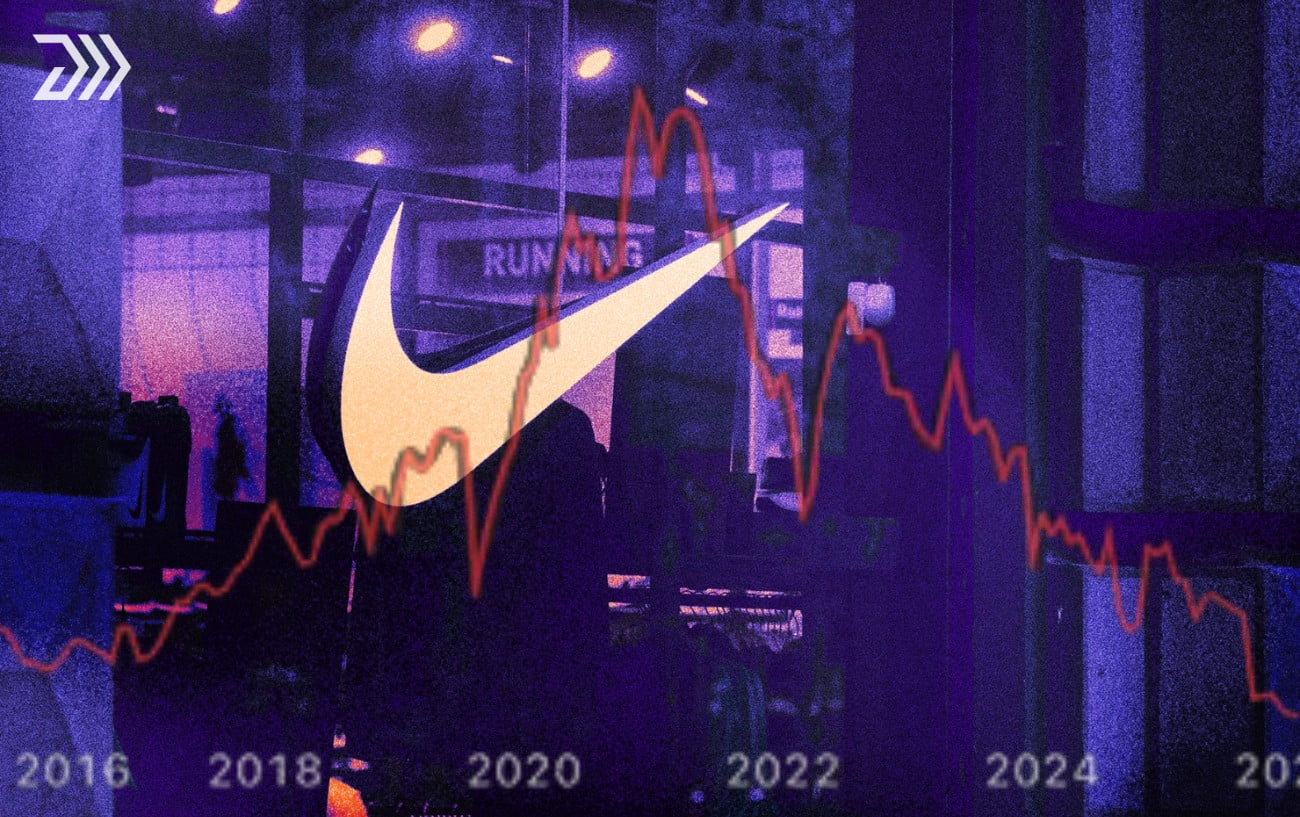
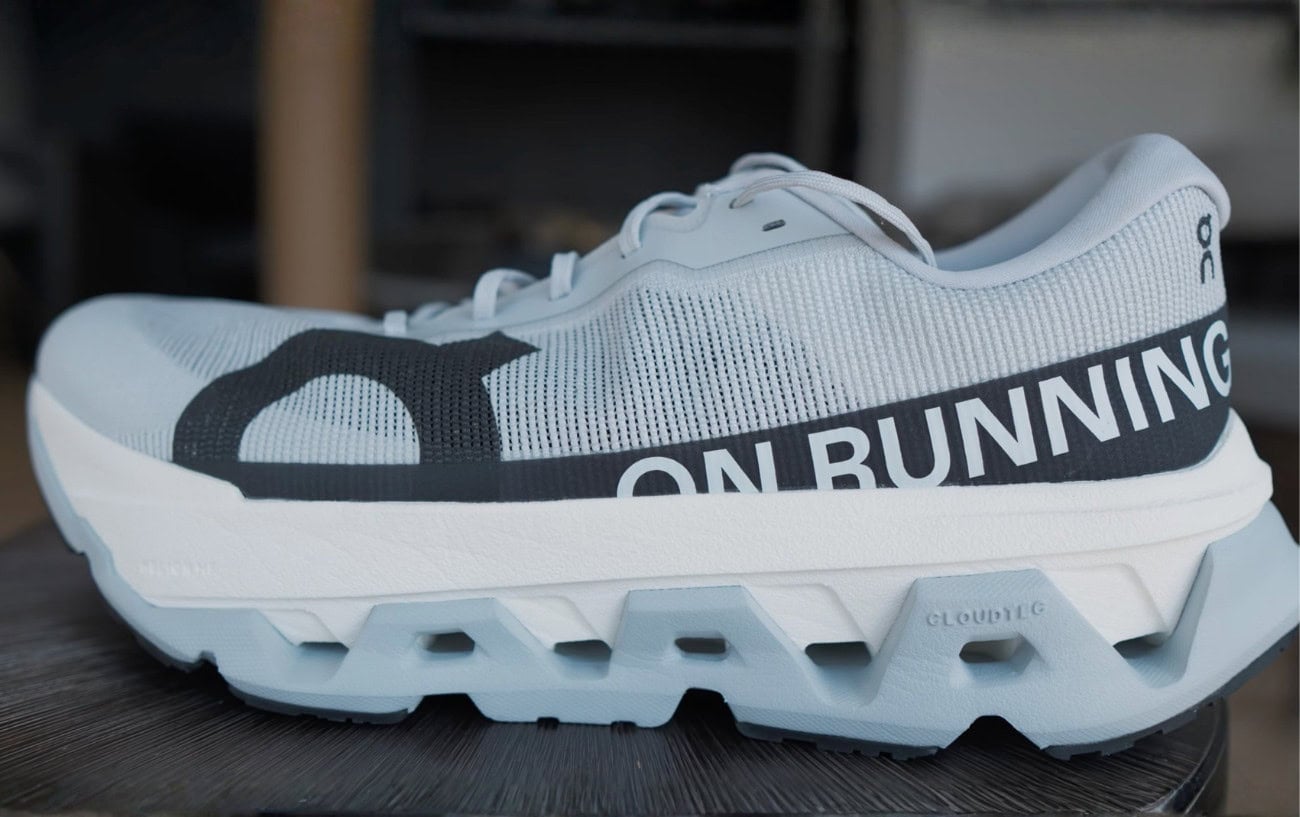
The rally followed a long decline. Puma’s shares have fallen more than 80% from their peak in late 2021, reflecting weaker sales, intense competition from Nike and Adidas, and the rise of newer brands like On Running.
Puma is valued at roughly €3.2 billion, a sharp contrast to its position just a few years ago.

A brand in the middle of a reset
Puma’s struggles came to a head in 2025. The company went through a leadership shakeup, announced hundreds of layoffs, and reported continued sales declines. Some recent sneaker launches, including the Speedcat revival, failed to gain the traction executives had hoped for.
Hoeld, who took over as chief executive last summer, has laid out a turnaround plan focused on cutting discounts, simplifying the product range, and investing more in marketing. Puma is set to report fourth-quarter earnings on February 26, which investors see as an early test of that strategy.
Anta’s chairman, Ding Shizhong, said the company believes the market has been too pessimistic.
“We believe Puma’s share price over the past few months does not fully reflect the long-term potential of the brand,” Ding said. “We have confidence in its management team and strategic transformation.”
China seen as the biggest opportunity
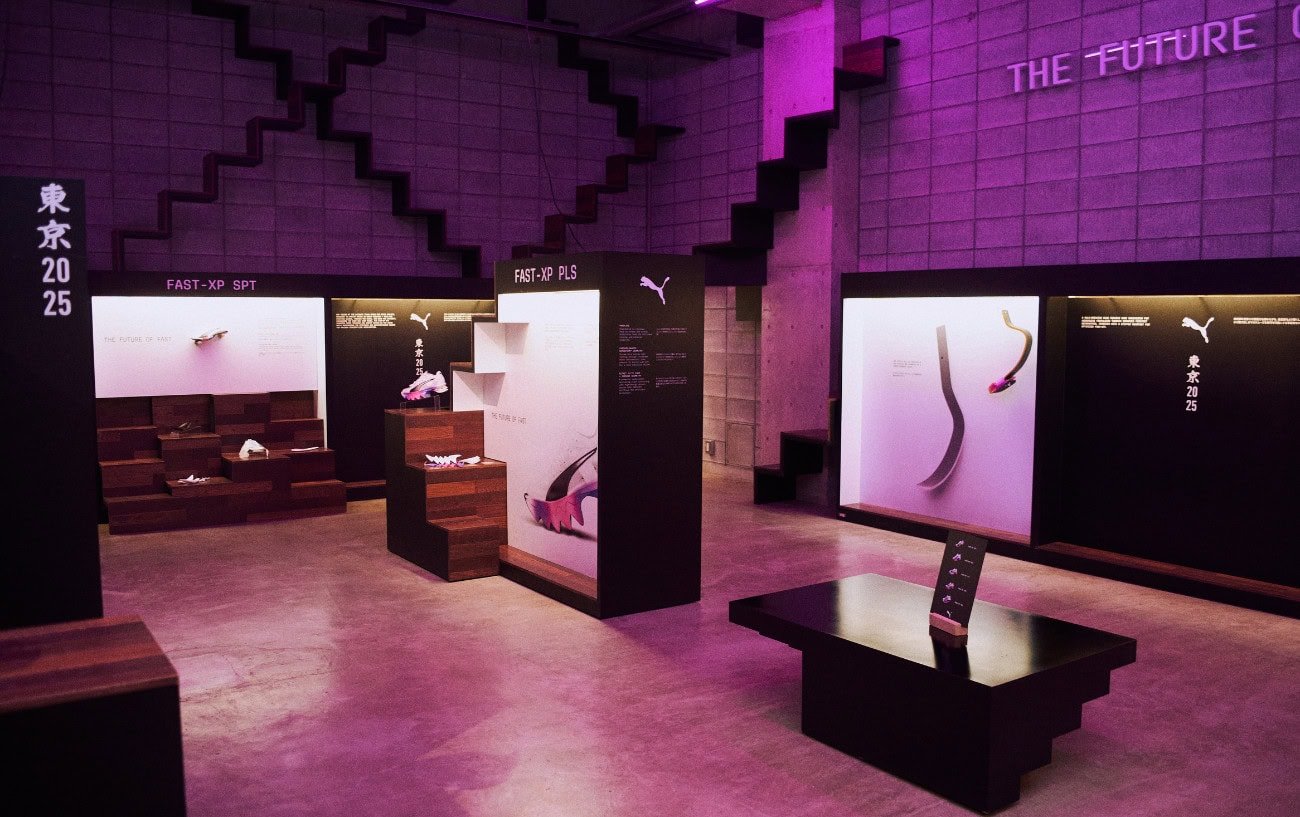
One of Anta’s main goals is to help Puma grow in China, where the German brand remains relatively small.
“Puma has more potential in the Chinese market where they are underrepresented with only 7% of their global revenues,” said Wei Lin, Anta’s global vice-president for sustainability and investor relations. “We have a lot of insight on how to make Puma more successful in China.”
For runners and endurance athletes, China has become one of the most important growth markets in the world, with booming participation in road races, trail running and outdoor sports. Anta’s experience scaling brands like Salomon in Asia is a key part of its pitch.
A familiar playbook for Anta
Anta has built a reputation for buying Western brands and investing heavily in product, retail and distribution. Amer Sports, which it controls, has grown Salomon into a major player in trail running and performance footwear, even as parts of the broader sneaker market have slowed.
“Anta has already shown with other brands that it can successfully support them,” said Christian Reindl, a portfolio manager at Union Investment and a Puma shareholder. He added that Puma still faces “significant restructuring” in the near term.
For now, Anta says it is playing the long game. The company does not plan to absorb Puma, but to work alongside it as a strategic partner, betting that one of the world’s oldest sportswear brands can still find its footing in a crowded, fast-changing market.
RunClub
Get more running stories — join RunClub
Daily running news, a community of 300,000+ runners, free training plans for every distance, and a daily running game. Free to join — no card.
Already a member? Log in →



Start the conversation