


Back in 2017, Nike’s Vaporfly 4% changed everything. Runners shaved minutes off their marathons, world records tumbled, and the idea of what a racing shoe could do was completely rewritten.
Now, Puma is stepping into the spotlight with a bold claim of its own: their new Fast-R Nitro Elite 3 could be the most efficient marathon shoe yet.
But bold claims are easy. Real results? That’s another story.
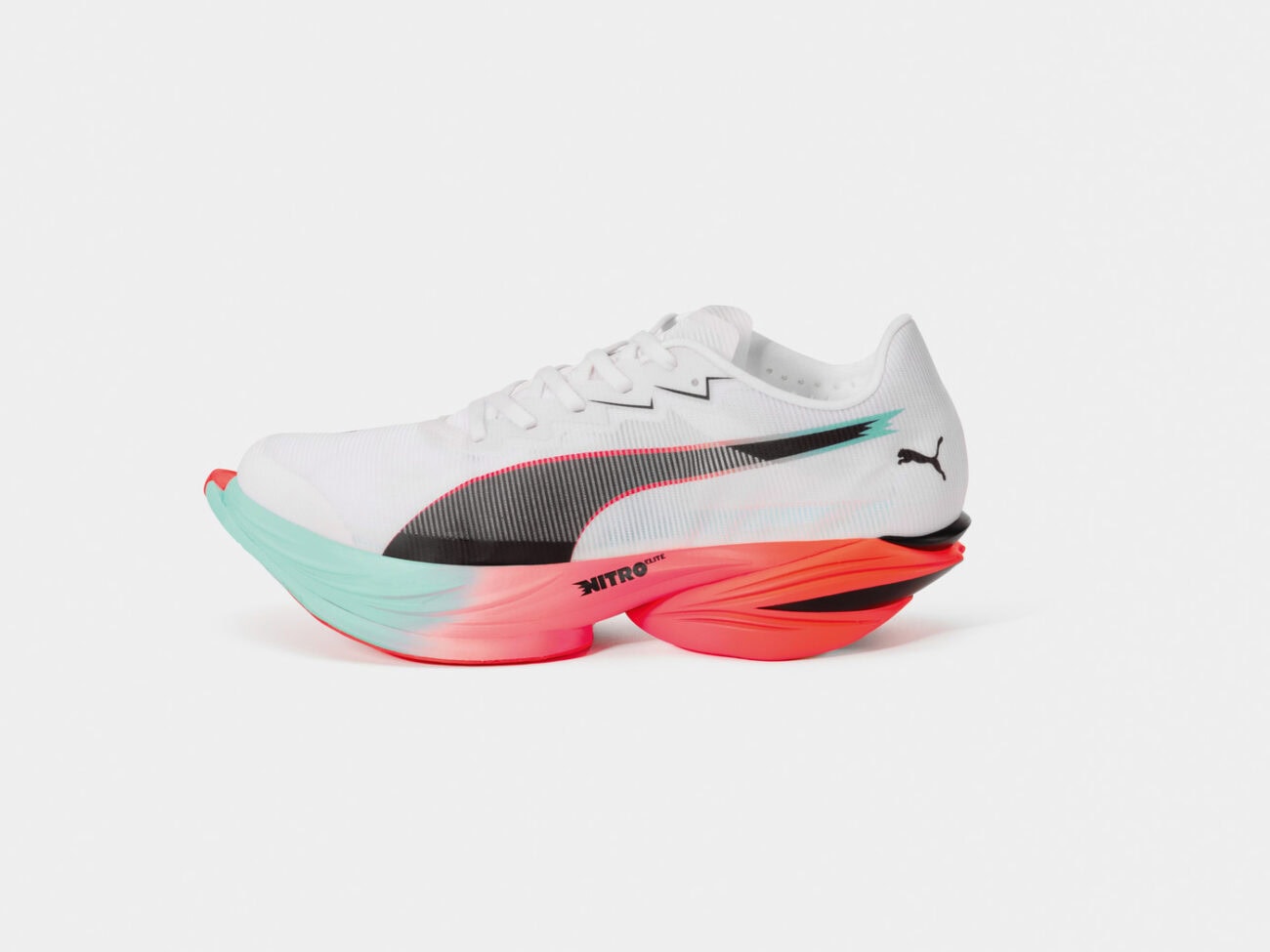
Quick Hits: Fast-R Nitro Elite 3 by the Numbers
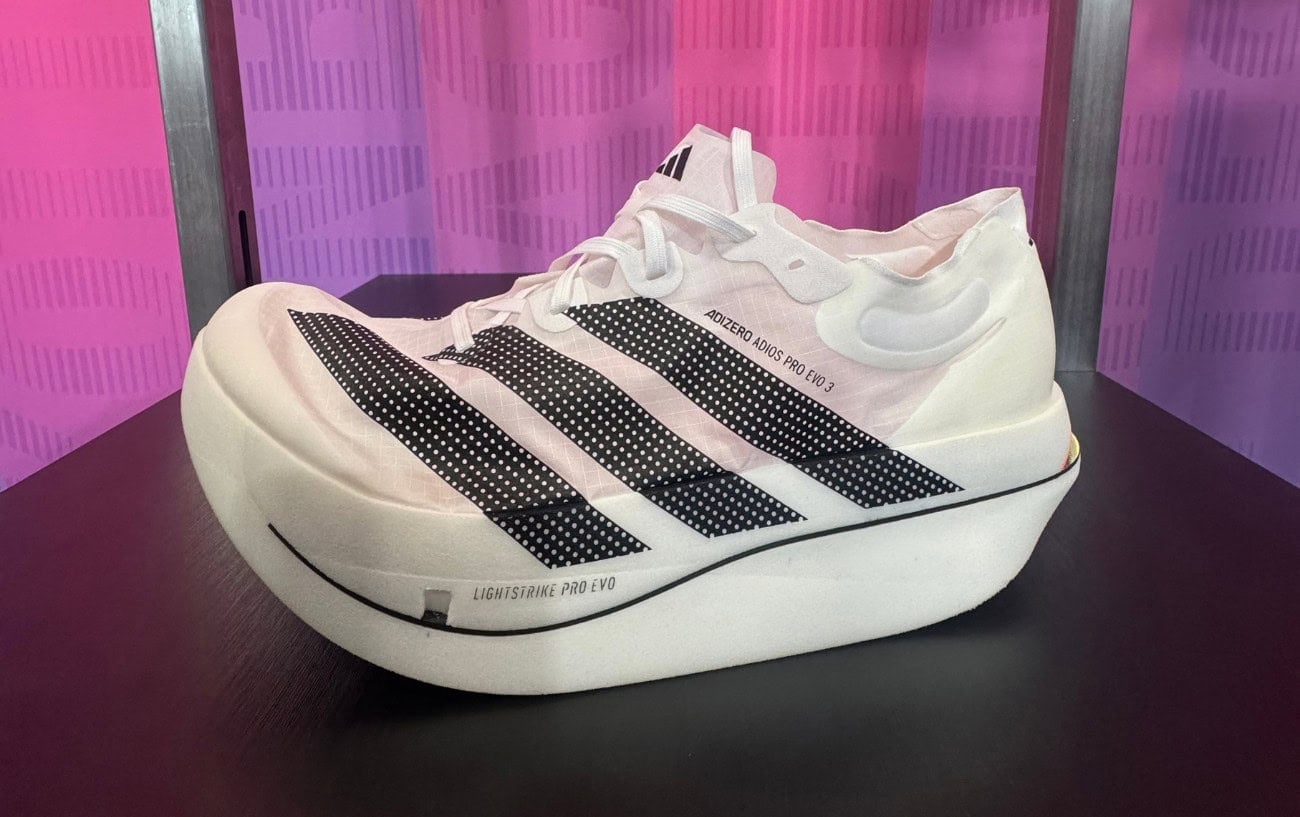
- 3.15% improvement in running economy vs Nike Alphafly 3 and Adidas Adios Pro Evo 1
- 4+ minutes saved for a three-hour marathoner
- 30% lighter than its predecessor (249g → 167g)
- 90%+ energy return from NITROFOAM Elite midsole
- Every runner in testing showed their best results in the Fast-R3
The Science That’s Getting Everyone Talking
The Fast-R Nitro Elite 3 isn’t just another flashy release.
Puma put it through independent testing led by Dr. Wouter Hoogkamer at the University of Massachusetts Amherst — the same researcher who helped validate Nike’s Vaporfly claims.
His latest study found that the Fast-R3 improved running economy by an average of 3.15% compared to top-tier competition.
It’s an impressive number. But it’s worth noting that real-world results can vary.
Shoe tests in controlled environments don’t always tell the whole story when race day brings heat, hills, and the grind of 26.2 miles.
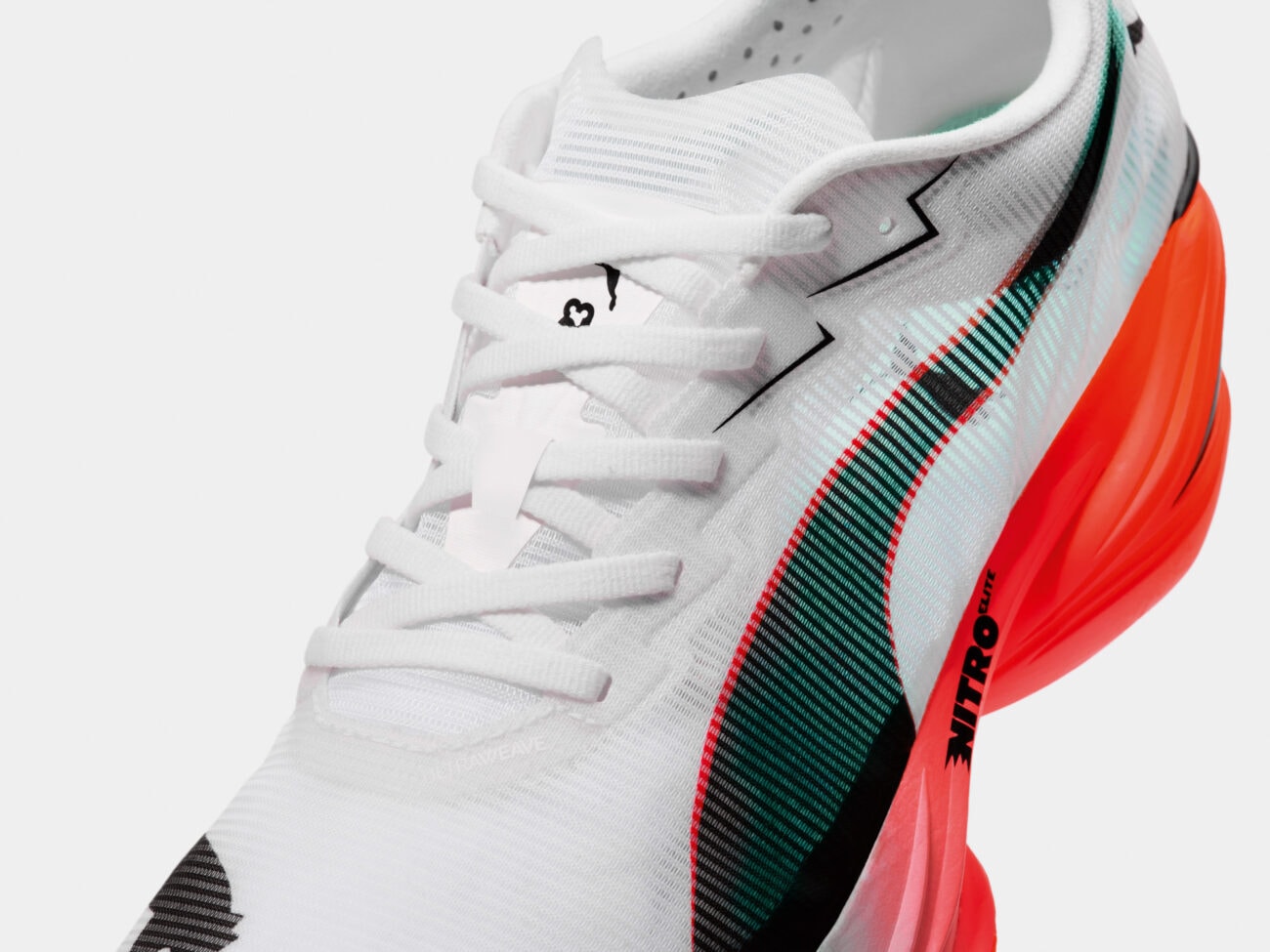
So What Makes This Shoe So Different?
At first glance, you might not think Puma’s latest looks all that different from other supershoes. But the innovation lies under the surface.
Instead of traditional prototyping, Puma digitally modeled the shoe’s biomechanics. By pinpointing areas of strain and redundancy, they trimmed down the shoe’s weight dramatically — a 30% reduction.
Less mass on your feet generally means less effort with every stride.
The NITROFOAM Elite midsole, offering over 90% energy return, and the upgraded PWRPLATE give the shoe a snappy, forward-propelling feel. Still, it’s not some magic bullet. Design can only go so far; how a shoe feels on your foot matters just as much.
Real Runners, Real Feedback
Canadian marathoner Rory Linkletter, who’s racing in the Fast-R3 at London, praised the shoe’s lightness and “remarkable bounce.” But like any new gear, it’s tough to separate shoe effect from good training or ideal conditions.
Amateur runner Rachel Boswell shared a similar experience.
Skeptical at first, she found the Fast-R3 came alive at marathon pace. After over 150km of training, she called it “surprisingly accommodating,” though she wisely reminded that shoes aren’t miracle workers — a lot still depends on the engine driving them.
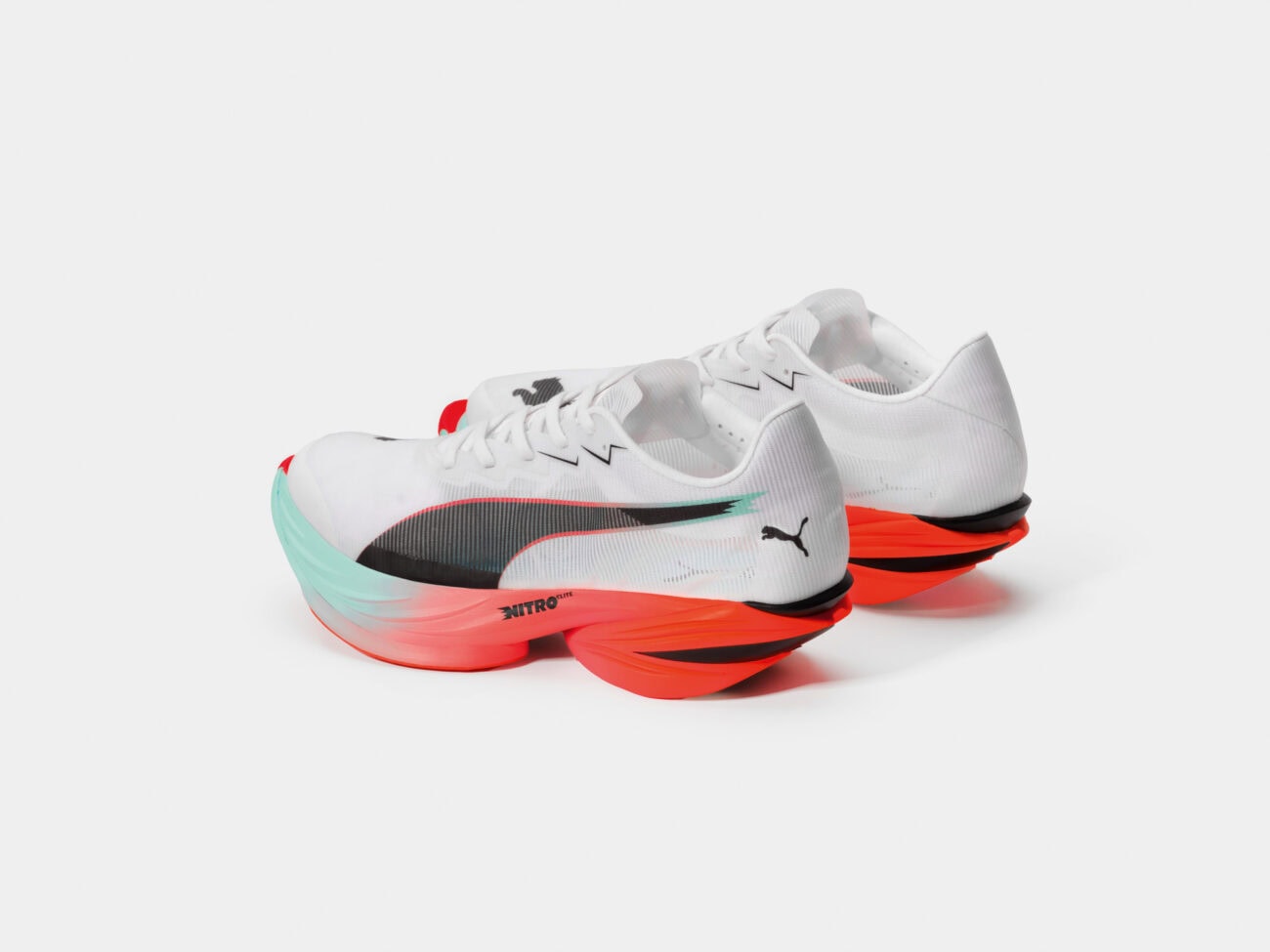
Big Picture: Why This Matters
Since the first Vaporfly, improvements in supershoes have been incremental — often around 1% gains. The Fast-R3’s 3.5% boost feels like a genuine leap forward.
But context matters.
As Dr. Hoogkamer himself pointed out, no shoe can guarantee a PR. Weather, fitness, race tactics — they’re all part of the equation. Even the best gear can’t overcome a bad day.
Still, it’s hard not to be intrigued.
The Fast-R3 might represent the next phase of racing shoes, much like the “tech suit” era briefly did for swimming before regulations kicked in.
Where and When You Can Grab a Pair
Puma is releasing the Fast-R Nitro Elite 3 in limited quantities at “The High Point,” their Boston Marathon pop-up starting April 18. A broader global launch follows on April 25 through Puma’s website and select retailers.
Whether it lives up to the hype on race day is something we’ll find out soon enough. But no matter what, Puma just made the supershoe arms race a whole lot more interesting.
RunClub
Get more running stories — join RunClub
Daily running news, a community of 300,000+ runners, free training plans for every distance, and a daily running game. Free to join — no card.
Already a member? Log in →







Start the conversation