


The ASICS Superblast line has quickly become one of the most talked-about super trainers in running. With the Superblast 3 now available, runners who loved the Superblast 2 are asking: is it worth upgrading — and what actually changed?
Having tested both versions, here’s the short answer: the Superblast 3 is lighter and bouncier thanks to new FF Leap foam, while the Superblast 2 offers a firmer, more stable platform that some runners actually prefer. Let’s break down every difference.
ASICS Superblast 2 vs 3: Quick Verdict
Choose the Superblast 3 if you want the lightest, bounciest super trainer ASICS has ever made. The new FF Leap foam makes it feel more energetic underfoot, and it’s ideal for long runs, uptempo sessions, and even race day.
Choose the Superblast 2 if you prefer a firmer, more grounded ride with a bit more stability. It’s also likely available at a discount now that the v3 is out — making it a compelling value play for the same basic concept.
Key Specs Compared
| Spec | ASICS Superblast 2 | ASICS Superblast 3 |
|---|---|---|
| Weight (Men’s) | 8.8 oz / 250g | 8.4 oz / 239g |
| Heel-Toe Drop | 8mm | 8mm |
| Stack Height | 45mm / 37mm | 46.5mm / 38.5mm |
| Midsole | FF Turbo+ / FF Blast Plus | FF Leap / FF Blast Plus |
| Outsole | ASICSGRIP | ASICSGRIP + AHAR LO |
| Best For | Daily training, long runs, marathon | Daily training, long runs, uptempo, racing |
| Price | $200 (often discounted) | $200 |
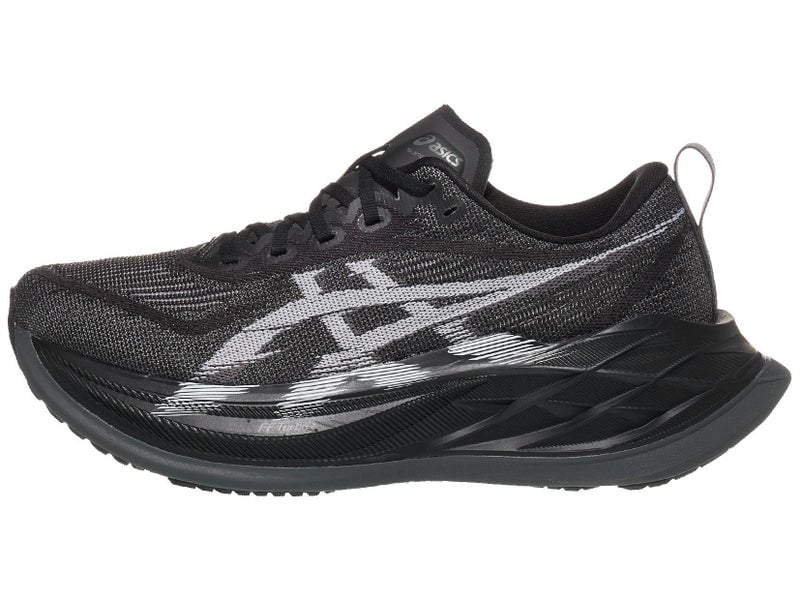
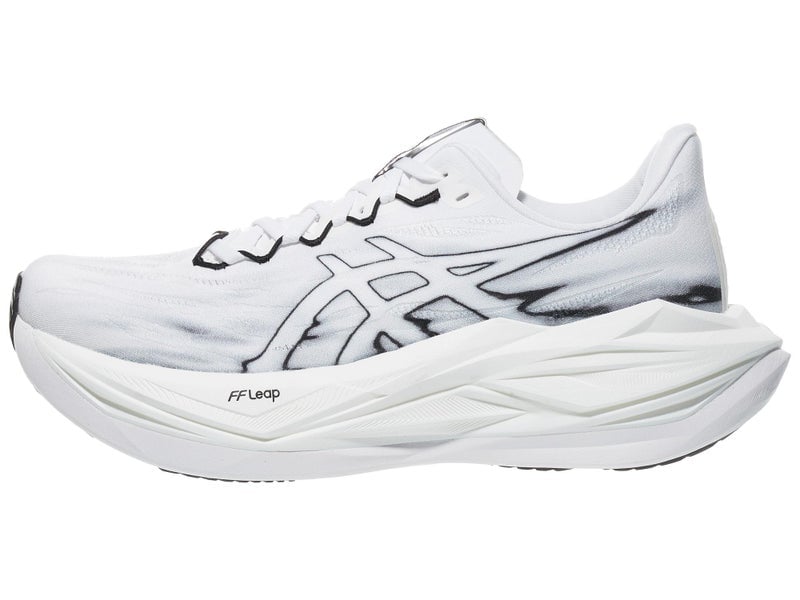
Midsole Foam: The Biggest Change
This is the headline upgrade. The Superblast 2 used FF Turbo+ as its top-layer foam over a base of FF Blast Plus. The Superblast 3 swaps that FF Turbo+ layer for the brand-new FF Leap foam — a lighter, softer, and more resilient compound that ASICS developed specifically for energy return.
What FF Leap Actually Changes
The result is a shoe that feels noticeably bouncier from the first step. Where the Superblast 2 had a plush-but-planted feel, the v3 has more pop and spring — closer to a super shoe sensation without a carbon plate. The FF Leap layer sits on top, so it’s the first thing your foot hits, creating an immediate sense of energy return that the v2 didn’t quite match.
The Tradeoff: Stability
That softer, bouncier foam does come at a cost. The Superblast 2’s firmer FF Turbo+ layer gave it a more grounded, controlled feel — especially on tired legs late in a long run. Runners who valued that stable platform may find the v3 slightly wobblier, particularly at slower paces where the extra bounce isn’t as welcome.
Weight: Superblast 3 Wins
At 8.4 oz vs 8.8 oz, the Superblast 3 shaved nearly half an ounce compared to the v2. That might not sound like much on paper, but in a shoe that’s already positioned as a lightweight super trainer, every fraction of an ounce counts — particularly over marathon distance.
Where You’ll Notice the Difference
The weight savings come primarily from the FF Leap foam, which is inherently lighter than the FF Turbo+ it replaced. You’ll feel it most during tempo runs, intervals, and the back half of long runs where fatigue amplifies every extra gram. For daily easy runs, both versions feel light enough that the difference is negligible.
Stack Height and Ride Feel
The Superblast 3 sits 1.5mm taller than the v2, with a 46.5mm heel stack vs 45mm. Both share the same 8mm drop, so the proportional feel between heel and forefoot hasn’t changed — but you are getting more foam underfoot overall.
How the Extra Stack Affects the Ride
More stack + softer foam = a ride that feels taller and more cushioned. The Superblast 2 already had a generous stack, but it felt more compact because the FF Turbo+ layer was denser. The v3 leans into the super-trainer category even harder — it’s the kind of shoe where you feel like you’re running on top of the foam rather than in it.
For runners who prefer a more connected ground feel, this extra height and softness might be a negative. If you want maximum cushion and bounce for the miles, it’s a clear positive.
Outsole and Durability
Both shoes use ASICSGRIP rubber, but the Superblast 3 adds AHAR LO rubber to the mix — a harder compound in high-wear zones that should extend the outsole’s lifespan and improve wet-weather grip.
Real-World Durability Expectations
The Superblast 2 was already reasonably durable for a super trainer, lasting most runners 400-450 miles. The v3’s AHAR LO additions should push that ceiling slightly higher and reduce the slippery feeling some v2 runners reported on wet roads. Neither shoe is a tank — they’re still lightweight super trainers — but the v3 is a step forward here.
Upper and Fit
Both models use engineered woven uppers, but ASICS refined the Superblast 3’s mesh for better breathability and a more adaptive fit. The v3 also features a slightly roomier toe box — addressing one of the most common complaints about the Superblast 2, which ran narrow up front for some runners.
Fit Recommendations
If the Superblast 2 fit you well, the v3 should be very similar with a touch more room in the toes. If you found the v2 tight in the forefoot, the v3 may solve that problem. Both shoes run true to size for most runners.
Value: Superblast 2 Has the Edge
Both shoes retail at $200, but with the Superblast 3 now on shelves, the Superblast 2 is frequently available at significant discounts — often $140-160. That makes the v2 one of the best value super trainers on the market right now.
Is the Upgrade Worth Full Price?
If you’re buying new at MSRP, the Superblast 3 is the better shoe — lighter, bouncier, better outsole, improved fit. But if you can find the Superblast 2 on sale for 25-30% off, it’s still an outstanding super trainer that delivers 90% of the experience at a much lower price point. The v2 isn’t suddenly a bad shoe because the v3 exists.
The Bottom Line
The ASICS Superblast 3 is the better shoe on paper — and underfoot. FF Leap foam delivers a noticeable upgrade in bounce and energy return while cutting weight, and the improved outsole and fit round out a meaningful update. If you want the best super trainer ASICS makes right now, it’s the v3.
But the ASICS Superblast 2 remains an excellent shoe — especially at the discounted prices it’s currently selling for. Its firmer, more stable platform is actually preferable for some runners, and it still delivers the high-cushion, low-weight combo that made the Superblast line famous. If you value stability or want to save $40-60, the v2 is a smart buy.
Shop ASICS Superblast 2
Shop ASICS Superblast 3
More Shoe Roundups From Marathon Handbook
- Best Running Shoes Reviewed
- Best Daily Running Shoes
- Best Marathon Running Shoes
- Best Carbon Plate Running Shoes
More Shoe Comparisons From Marathon Handbook
- ASICS Novablast vs Nimbus
- ASICS Gel Nimbus vs Kayano
- Hoka Mach vs Clifton
- Saucony Ride vs Triumph
- Brooks Glycerin vs Hoka Clifton
- Brooks Ghost vs Hoka Bondi
RunClub — Free
Join 300,000+ runners in RunClub
Free training plans for every distance, a daily running game, exclusive coaching content, and a real community of runners. Create your free account in 20 seconds — no card.
Already a member? Log in →


Start the conversation