


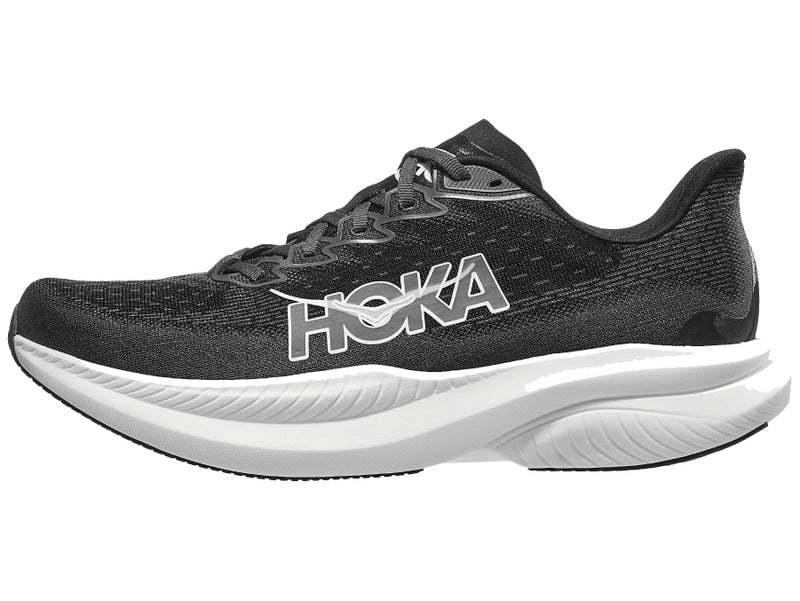
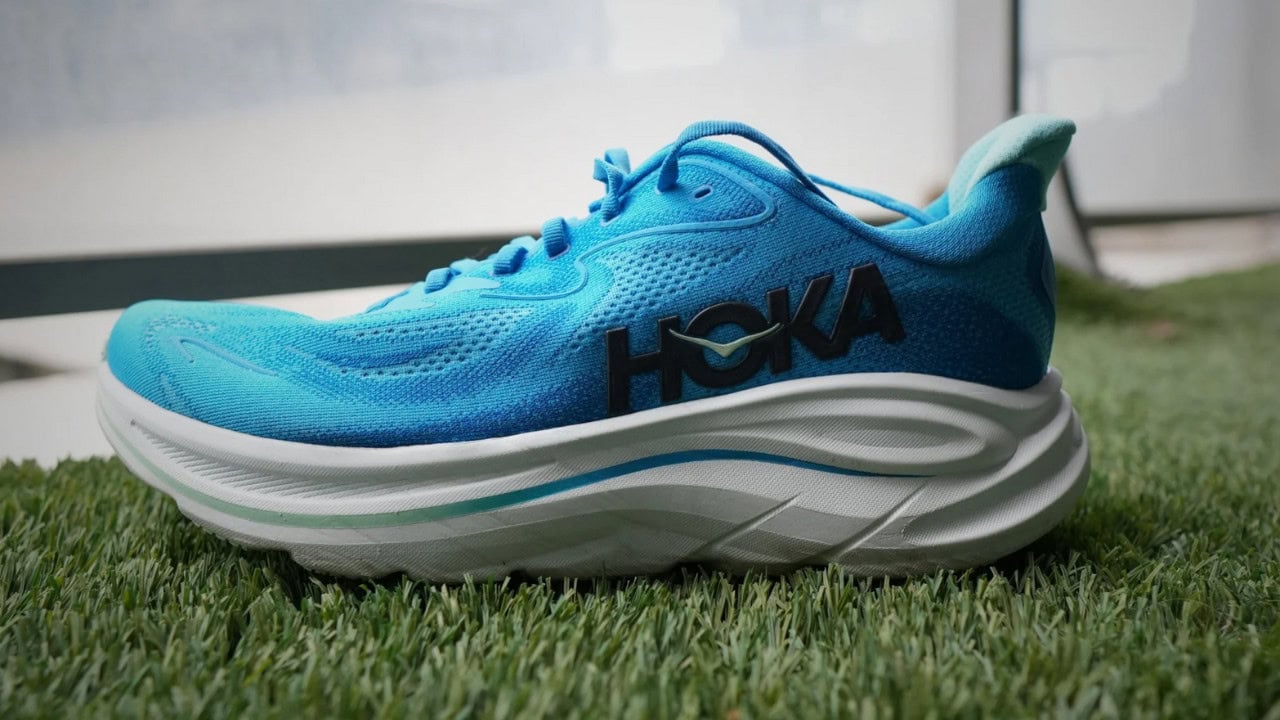
The Hoka Mach 6 and Hoka Clifton 10 are two of the most popular shoes in Hoka’s lineup — but they’re built for very different types of runs. If you’re a Hoka fan trying to decide between these two, the choice comes down to what kind of running you do most.
Having tested both shoes, here’s the short version: the Mach 6 is lighter and snappier for uptempo work and speed days, while the Clifton 10 is the more cushioned, versatile daily trainer. But there’s a lot more to unpack.
Hoka Mach vs Clifton: Quick Verdict
Choose the Hoka Mach 6 if you want a lightweight, responsive shoe for tempo runs, speed sessions, and race day. It’s the better pick for runners who want something snappy that can still handle daily miles when needed.
Choose the Hoka Clifton 10 if you want a plush, versatile daily trainer that handles easy runs, long runs, and everything in between. It’s the better all-rounder for runners who need one reliable shoe for most of their training.
Key Specs Compared
| Spec | Hoka Mach 6 | Hoka Clifton 10 |
|---|---|---|
| Weight (Men’s) | 8.2 oz / 232g | 9.6 oz / 272g |
| Heel-Toe Drop | 5mm | 8mm |
| Stack Height | 37mm / 32mm | 35mm / 27mm |
| Midsole | Supercritical EVA | CMEVA |
| Best For | Tempo runs, speed days, racing | Daily training, easy runs, long runs |
| Price | $140 | $150 |
Weight and Speed: Mach 6 Wins
Weight is the most obvious difference between these two shoes, and it has a real impact on how each one performs.
Why the Mach 6 Feels Faster
At 8.2 oz, the Mach 6 is a full 1.4 oz lighter than the Clifton 10. That’s a significant difference you can feel immediately. The Mach 6’s supercritical EVA foam is designed for energy return and a propulsive feel, making it a natural choice for workouts, tempo runs, and even race day for many runners. It transitions quickly through the gait cycle and encourages a faster turnover.
When Weight Actually Matters
The Clifton 10 isn’t slow by any means, but its heavier build and softer foam are tuned for comfort rather than speed. You won’t notice the extra 1.4 oz on a casual jog, but during intervals, tempo work, or races, the Mach 6’s lighter frame makes a tangible difference in how snappy your legs feel — especially in the final miles.
Cushioning and Comfort: Clifton 10 Wins
Cushioning philosophy is where these two siblings really diverge. Both are well-cushioned by general standards, but they approach it very differently.
The Clifton’s Plush Ride
The Clifton 10 delivers a plush, well-cushioned ride that absorbs impact beautifully on easy and long runs. Its CMEVA midsole is softer and more forgiving than the Mach 6’s firmer, more responsive foam. For runners who rack up steady mileage at moderate paces, the Clifton 10 feels like it’s protecting you mile after mile without any harshness.
How the Mach 6 Cushions Differently
The Mach 6 has decent cushioning for a lightweight shoe, but it’s noticeably firmer underfoot. Over long distances at easy pace, you may feel more ground impact than in the Clifton. The tradeoff is that firmer foam means better energy return — the Mach 6 gives back more of what you put in, while the Clifton absorbs it for comfort.
Versatility: Clifton 10 Wins
If you can only own one running shoe, versatility matters. These two take very different approaches to the question of “how many run types can one shoe cover?”
The Clifton as a Do-Everything Shoe
If you could only own one running shoe, the Clifton 10 would be the safer bet. It handles easy runs, long runs, and moderate-pace sessions with equal composure. It won’t win any speed awards, but it rarely feels out of place — making it a genuine do-everything daily trainer that many runners use as their only shoe.
Where the Mach 6 Fits in Your Rotation
The Mach 6 excels at faster running but can feel a bit firm and unforgiving on recovery days or very long slow runs. It’s best as a second shoe in a rotation — your go-to for workouts and tempo days — rather than a solo daily trainer. If you only run fast, the Mach 6 can do it all, but most runners will want something softer for easy days.
Durability: Clifton 10 Wins
Longevity is always a consideration at these price points. Both shoes are reasonably durable for their weight class, but there’s a clear winner.
Outsole and Midsole Longevity
The Clifton 10’s rubber outsole provides solid durability that should last 400-500 miles for most runners. The Mach 6’s lighter build and exposed foam midsole sections mean it wears faster — expect 300-400 miles before the cushioning starts to flatten out. If you’re a high-mileage runner, the Clifton 10 delivers better cost-per-mile.
Value: Mach 6 Wins
Price alone doesn’t tell the full story — value is about what you get for what you pay.
Price Per Mile Comparison
At $140 vs $150, the Mach 6 is the slightly cheaper option — and it punches well above its weight class in terms of performance. For runners who want a shoe that can handle workouts and race day, the Mach 6 offers near-race-shoe performance at a daily trainer price. The Clifton 10 costs more and wears longer, so the per-mile cost is similar — but the Mach 6’s versatility at speed gives it the edge on pure value.
The Bottom Line
Both shoes are excellent — this is really about what role you need filled in your rotation. The Hoka Mach 6 is the go-to for speed work, tempo runs, and racing, while the Hoka Clifton 10 is the better pure daily trainer for easy and long runs. Many Hoka fans end up owning both: the Clifton for most days, the Mach for the hard stuff.
Shop Hoka Mach 6
Shop Hoka Clifton 10
More Shoe Roundups From Marathon Handbook
- Best Hoka Running Shoes
- Best Running Shoes for Beginners
- Best Daily Running Shoes
- Best Running Shoes Reviewed
More Shoe Comparisons From Marathon Handbook
- Hoka Clifton vs Bondi
- Brooks Glycerin vs Ghost
- Nike Vomero vs Pegasus
- ASICS Gel Nimbus vs Kayano
- Hoka Bondi vs Brooks Ghost
- Brooks Ghost vs Nike Pegasus
- Hoka Clifton vs Brooks Ghost
- New Balance 1080 vs Brooks Glycerin
- Hoka Clifton vs Nike Pegasus
- Saucony Ride vs Triumph
- Brooks Glycerin vs Hoka Clifton
- ASICS Novablast vs Nimbus
- Brooks Ghost vs Hoka Bondi
RunClub — Free
Join 300,000+ runners in RunClub
Free training plans for every distance, a daily running game, exclusive coaching content, and a real community of runners. Create your free account in 20 seconds — no card.
Already a member? Log in →







Start the conversation