


A record 306,465 runners registered for Fourth of July races in the United States this year, according to RunSignup, the registration platform that handled them, a 39 percent increase over 2025. Most of that jump came from the calendar rather than a rush of new runners.
The 2026 total spanned 769 races, up 55 percent from the 497 held a year earlier. RunSignup attributed the surge to three things: the Fourth landing on a Saturday, usually the busiest day of the racing week; the extra attention around the country’s 250th anniversary; and its own continued gains in market share as events moved onto the platform from competitors. Set those aside and the underlying growth is more modest. Among races that used RunSignup in both 2025 and 2026, participation rose 9.9 percent, the figure that best isolates real demand from the noise of the calendar.

Even so, 9.9 percent is a substantial year, and it sits on top of a longer climb. RunSignup’s Fourth of July registrations have gone from 51,607 in 2021 to 306,465 in 2026, close to a sixfold rise in five years. The number of races over the same period grew from 203 to 769.
The growth has come from more events rather than bigger ones. Average race size actually fell in 2026, to 399 runners from 444 the year before, as hundreds of new and one-time races entered the mix. Only 66 of the 769 races, about 9 percent, drew more than 1,000 runners, and none approached the scale of the largest Thanksgiving turkey trots, which can top 20,000.
The headline figure also undercounts the day. RunSignup estimates it processes roughly 60 percent of the U.S. endurance market, so races on rival platforms fall outside its tally. The single largest event of the weekend is one of them: the Peachtree Road Race in Atlanta, billed as the world’s largest 10K, drew about 50,000 runners on July 4 through the Atlanta Track Club’s own system. Counting races like it, the true national turnout on the Fourth likely runs well beyond 306,465.
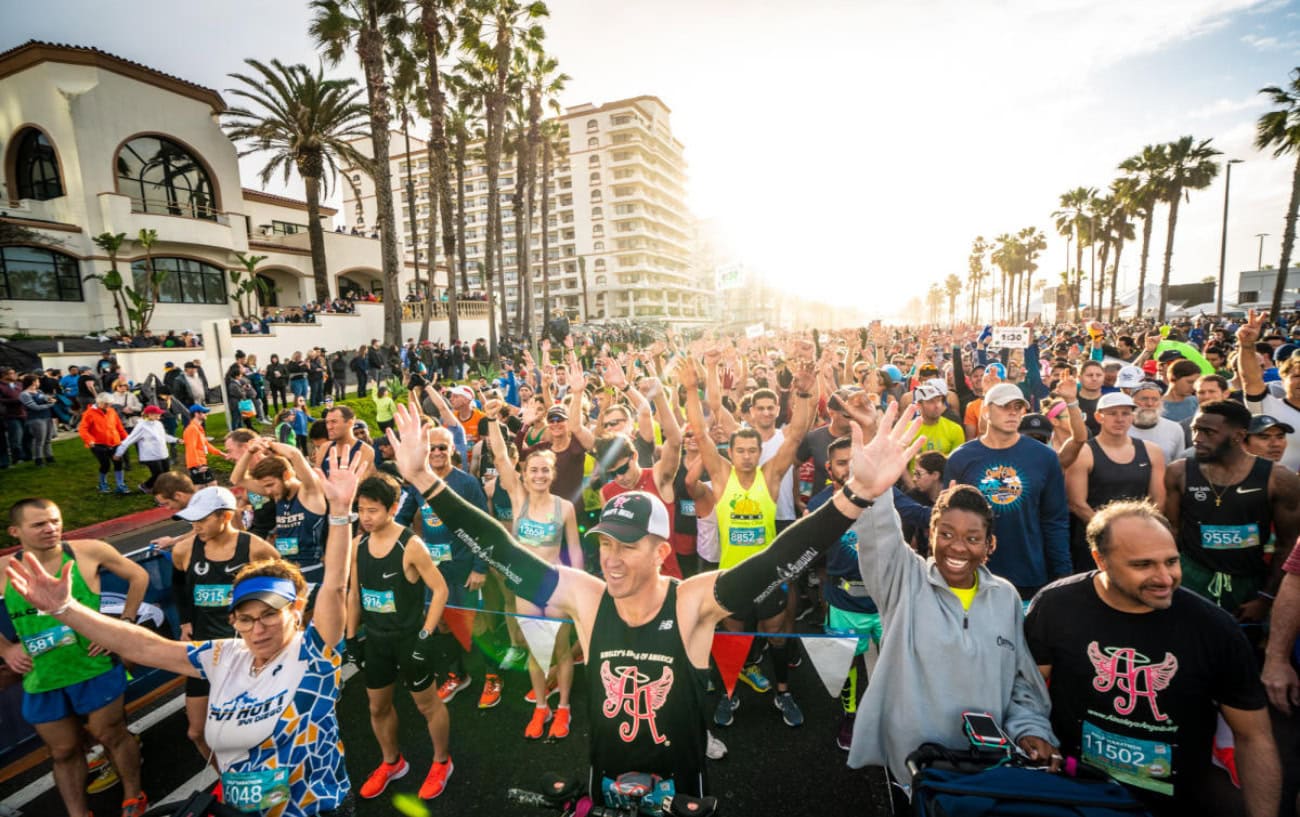
The Fourth of July numbers track a broader recovery in American road racing. In its midyear report, RunSignup found per-race participation up 5.9 percent across the first half of 2026, ahead of the 5 percent recorded for all of 2025. Large races, those with 5,000 or more runners, grew 8.2 percent, the strongest of any size group for the first time since the pandemic, after years in which the biggest events were slowest to fill. That recovery at the top has left several major marathons pressing against the limits of the roads they use, with races such as Tokyo expanding their fields and still turning applicants away. Runners aged 18 to 29 made up 21.8 percent of participants, a share that has been rising as younger runners return to organized racing.
Where the running took place followed population more than geography. Every state hosted at least one race, with Texas (50), California (48), Ohio (47), and Florida (46) leading the count.
Whether the record holds is partly a question of the calendar. The Fourth falls on a Sunday in 2027, preserving the weekend advantage, before landing on a Tuesday in 2028, the first time the holiday returns to midweek since the current growth run began. RunSignup, for its part, suggested that race directors who added an event this year treat it as an annual fixture rather than a one-off.
RunClub
Get more running stories — join RunClub
Daily running news, a community of 300,000+ runners, free training plans for every distance, and a daily running game. Free to join — no card.
Already a member? Log in →










Start the conversation