


Garmin released the Cirqa Smart Band on Tuesday, a $199.99 screen-free fitness tracker that records the same training and recovery metrics as the company’s high-end running watches, with no subscription required to use any of them. The price places the band directly against Whoop: a one-time $199.99, where Whoop’s cheapest membership costs $199 every year.
Whoop, which created the screenless category, does not sell its hardware on its own. The Whoop 5.0, introduced in May 2025, comes bundled into memberships priced from $199 to $359 a year. Every rival since has attacked that model. Amazfit’s Helio Strap, on the market since June 2025, costs $99 with no subscription. Polar’s Loop, released in September, costs $199.90, also subscription-free. Google’s Fitbit Air, launched in May, costs $99, with core features free and an optional $9.99-a-month Google Health Premium tier.
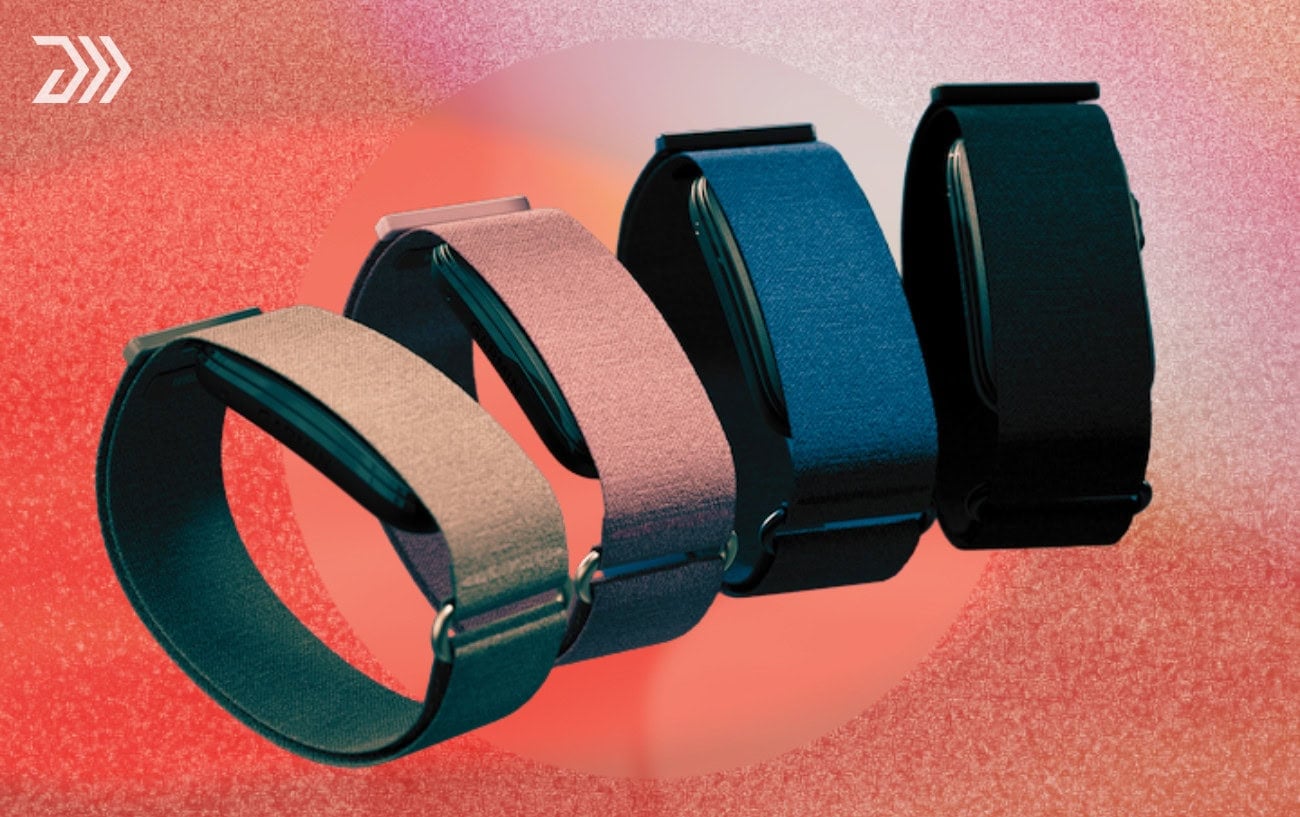
What separates the Cirqa within that field is the depth of its training analytics. The band runs the same engine as Garmin’s top-end Fenix watches: Training Readiness, Training Status, acute training load, recovery time, and VO2 max estimates, alongside sleep staging, nightly skin temperature, and heart rate variability tracking. It broadcasts heart rate over ANT+ and Bluetooth to apps such as Zwift and to bike computers, and its data merges with any other Garmin device on the same account. For runners who train by heart rate zones, keep easy days in Zone 2, or use their HRV trends to decide when to go hard, that is functionality the cheaper bands only partly match.
The hardware is minimal: a fabric strap over a 20-gram sensor pod with a single button and a claimed 10 days of battery life. It is waterproof to 50 meters, can be worn on the wrist or the upper arm, and went on sale Tuesday in two sizes, with a bicep strap sold separately for $59. There is no screen of any kind; everything the band records appears in the Garmin Connect app, and a double tap of the pod lights a small LED to show battery status.
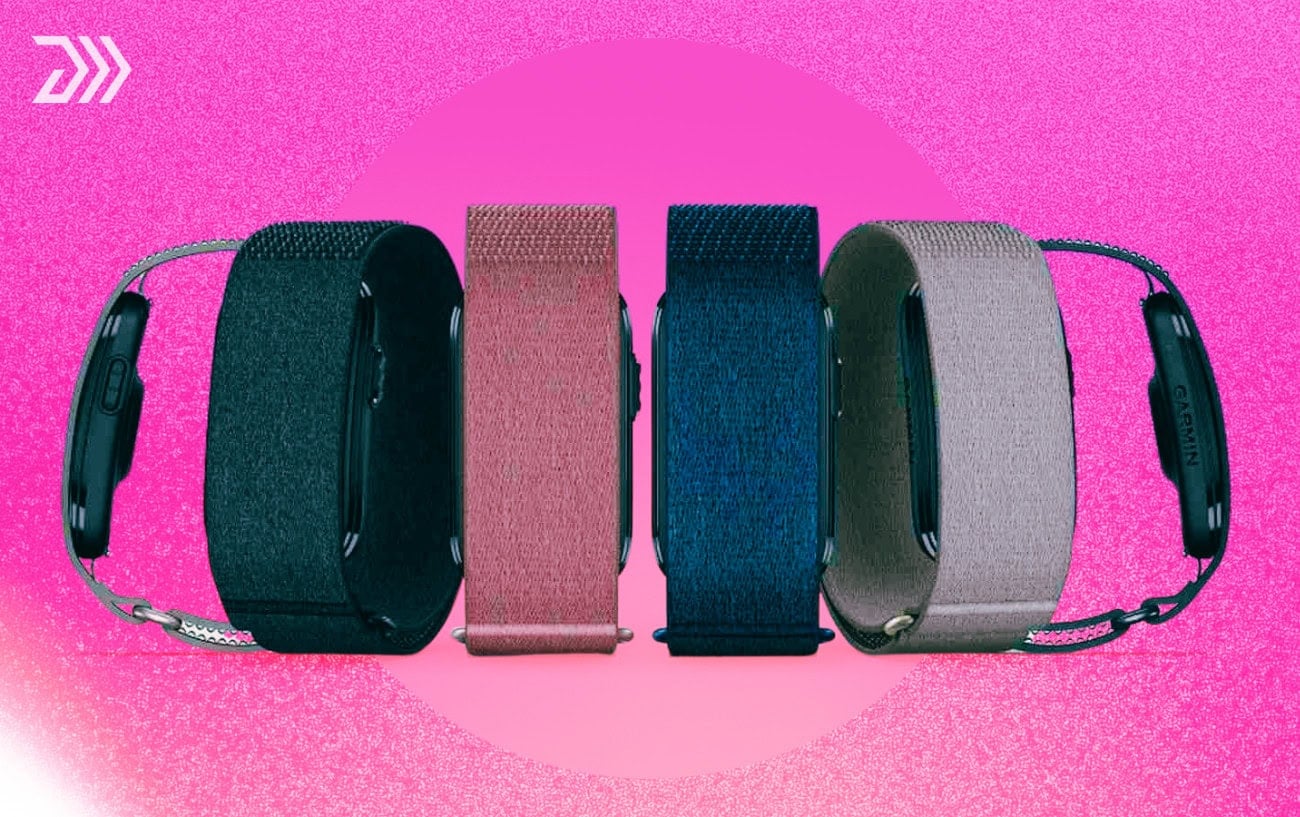
The Cirqa lacks two things runners may expect. There is no onboard GPS, so pace and distance for outdoor runs depend on a phone connection, and the band uses Garmin’s older Elevate Gen4 optical sensor, which cannot take ECG readings. Early testing also turned up launch-week problems. Ray Maker, the reviewer behind DC Rainmaker, reported in a hands-on published Tuesday that automatic run detection was slow or absent in his testing, that a tool for trimming auto-detected activities failed, that his Training Readiness score swung erratically over a single afternoon, and that his workouts did not reach Strava or other third-party platforms, although Garmin says that syncing is supported. Maker also noted that the app’s live workout view will not display current heart rate unless users pay for a subscription.
That subscription is Garmin Connect+, the $6.99-a-month tier the company introduced in March 2025. The Cirqa’s core features require none of it.
The Cirqa is the fifth major screenless tracker to reach the market in the past 15 months. Of the five, only the Whoop still requires a paid membership to function.
RunClub
Get more running stories — join RunClub
Daily running news, a community of 300,000+ runners, free training plans for every distance, and a daily running game. Free to join — no card.
Already a member? Log in →








Start the conversation