


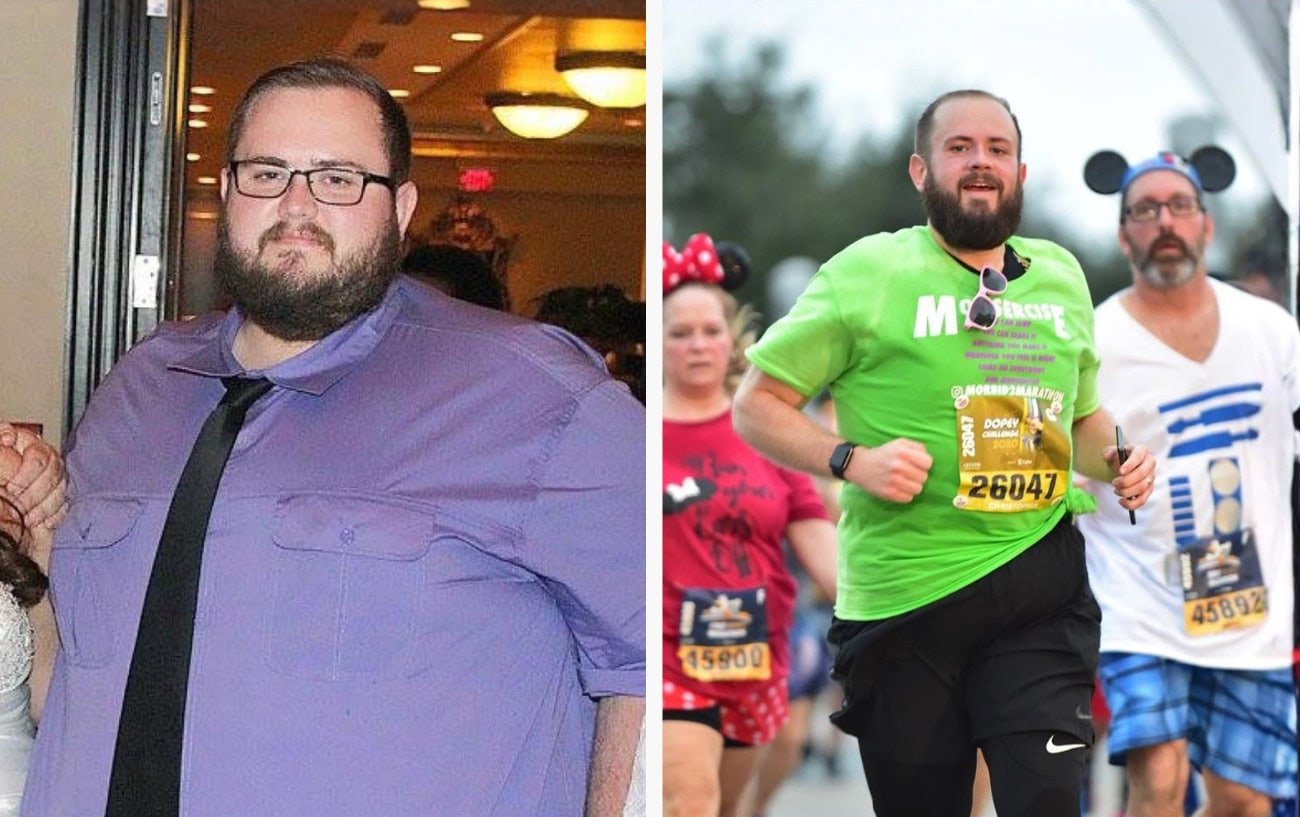
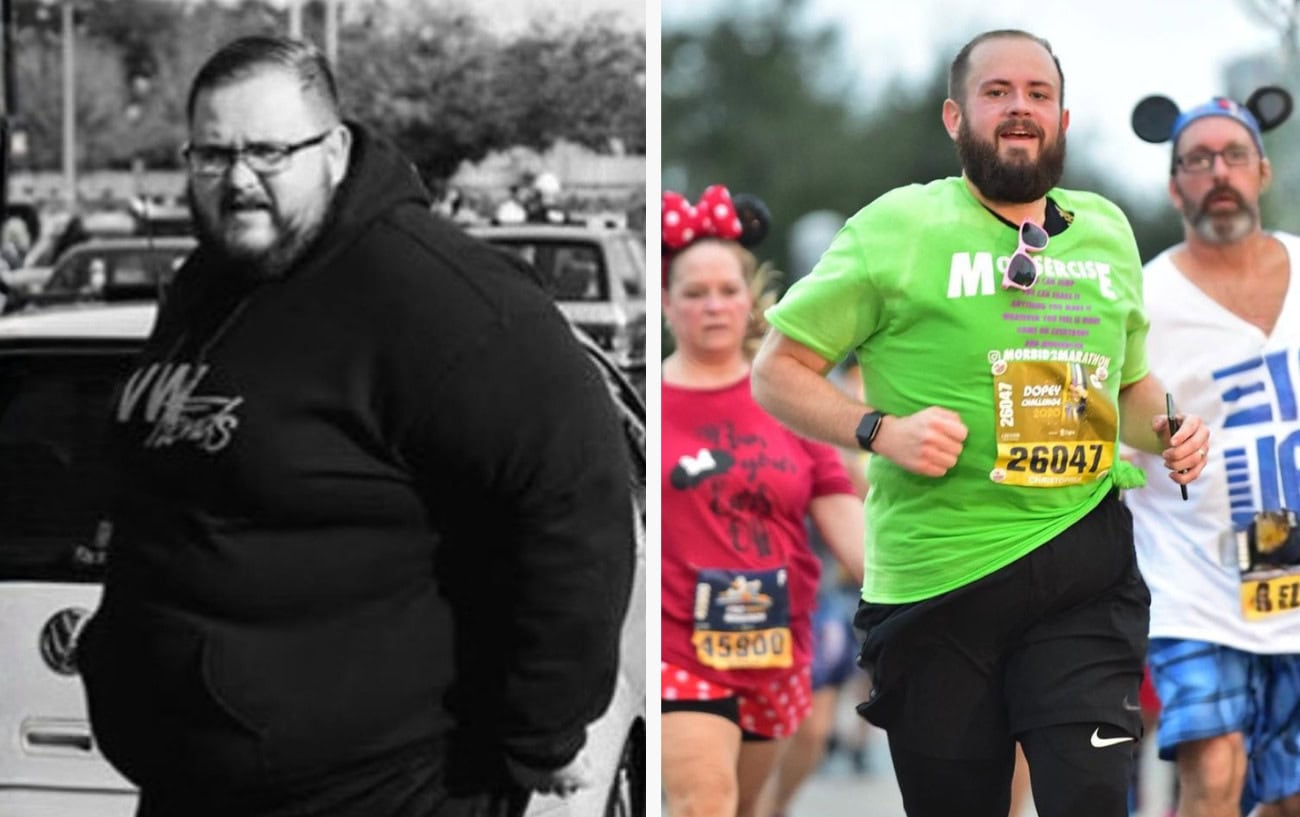
At his heaviest, Christopher Hasty weighed 462 pounds and was too exhausted to walk across a room without struggling. Today, he’s a marathoner. But the road between those two realities was paved with surgery, setbacks, and sweat.
Christopher knew, somewhere in the back of his mind, that he was dying. Not dramatically, not all at once — but slowly, quietly, one exhausted day at a time. He had high blood pressure. He was borderline diabetic. And he had made a kind of private peace with all of it.
“For a long time, I was content with being fat and dying that way,” he said.
That peace didn’t last. But what shattered it wasn’t a doctor’s warning or a frightening diagnosis. It was a woman named Casey.
“She Loved Me When I Was at My Worst”
When Hasty met his future wife, something shifted that no diet or gym membership had ever been able to move. It wasn’t about the number on the scale anymore. It was about a reason to change.
“I met my wife and she gave me purpose,” he said. “She loved me when I was at my worst. She gave me a reason to be better, to do better for myself.”
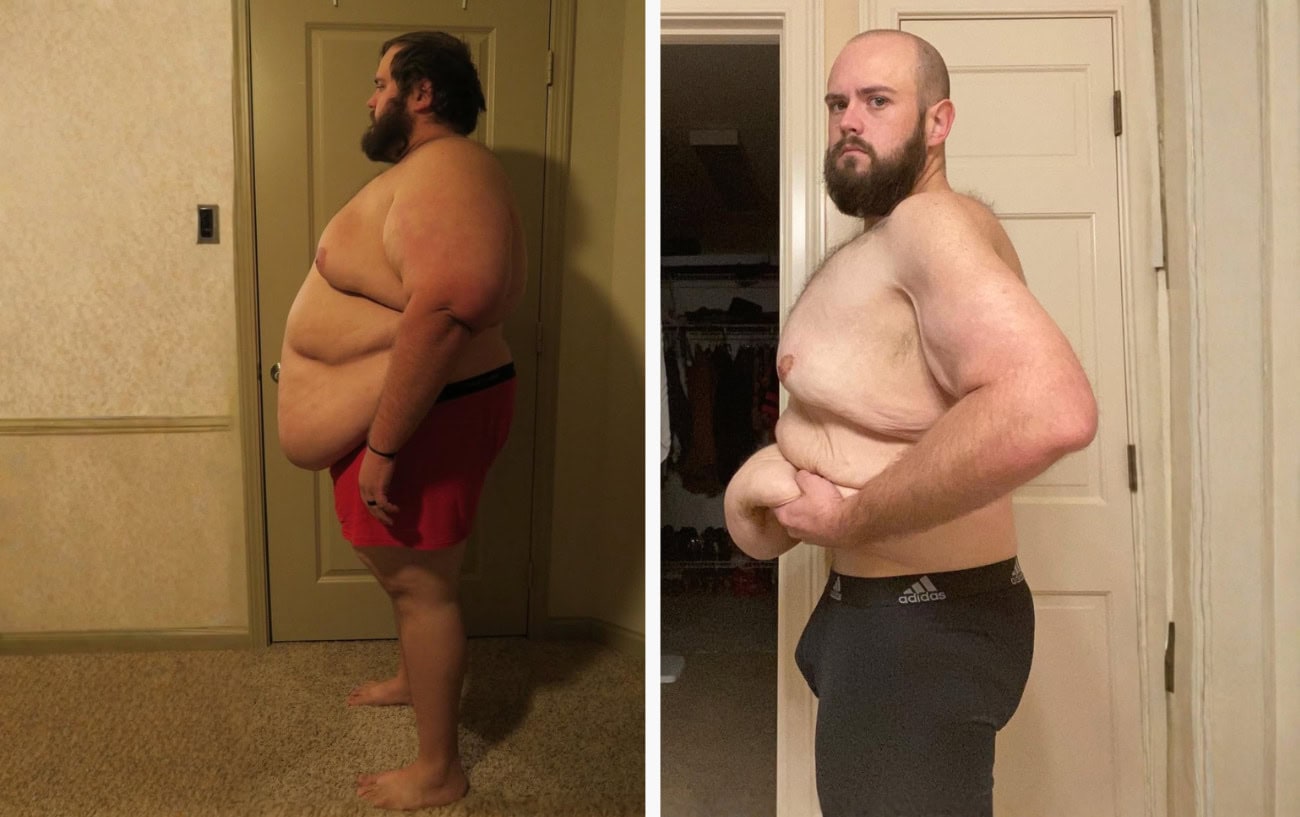
Together, he and Casey decided that his best path forward was a duodenal switch — a bariatric surgery that reduces the stomach’s size and restructures part of the small intestine. In August 2017, at 462 pounds, he went under the knife. He’d heard stories of both triumph and failure from others who had the procedure. He was determined to make his a success.
One month after surgery, still recovering, he started running.
“Something Clicked”
The early days were slow and unglamorous. Hasty would push through the hills of Clermont, lungs burning, body protesting. But the weight kept coming off, and with it came something he hadn’t felt in years: energy. Optimism. The will to keep going.
“When I lost the first 50 or 75 pounds, something clicked,” he said. “I felt better every day. I wasn’t exhausted all the time. My will to live and enjoy life was different.”
Before his transformation, even his job as a hospital worker had been affected by his weight. “I could run to an emergency at work,” he recalled, “but by the time I got there, you didn’t know if it was the patient or me that needed the emergent help.”
Now, for the first time, his body was starting to cooperate. He began hitting the gym as often as he could and signed up for his first 5K race. It wasn’t fast — “when I ran my first 5K it took almost an hour” — but he finished. And finishing changed everything. “I kept growing and getting healthier and my pace got faster.”
He started posting updates regularly on social media – “The big reason I started it at first was to keep me accountable,” he said. It quickly grew into something larger — a community of people fighting their own battles, looking for proof that transformation was possible.
Quitting, and Coming Back
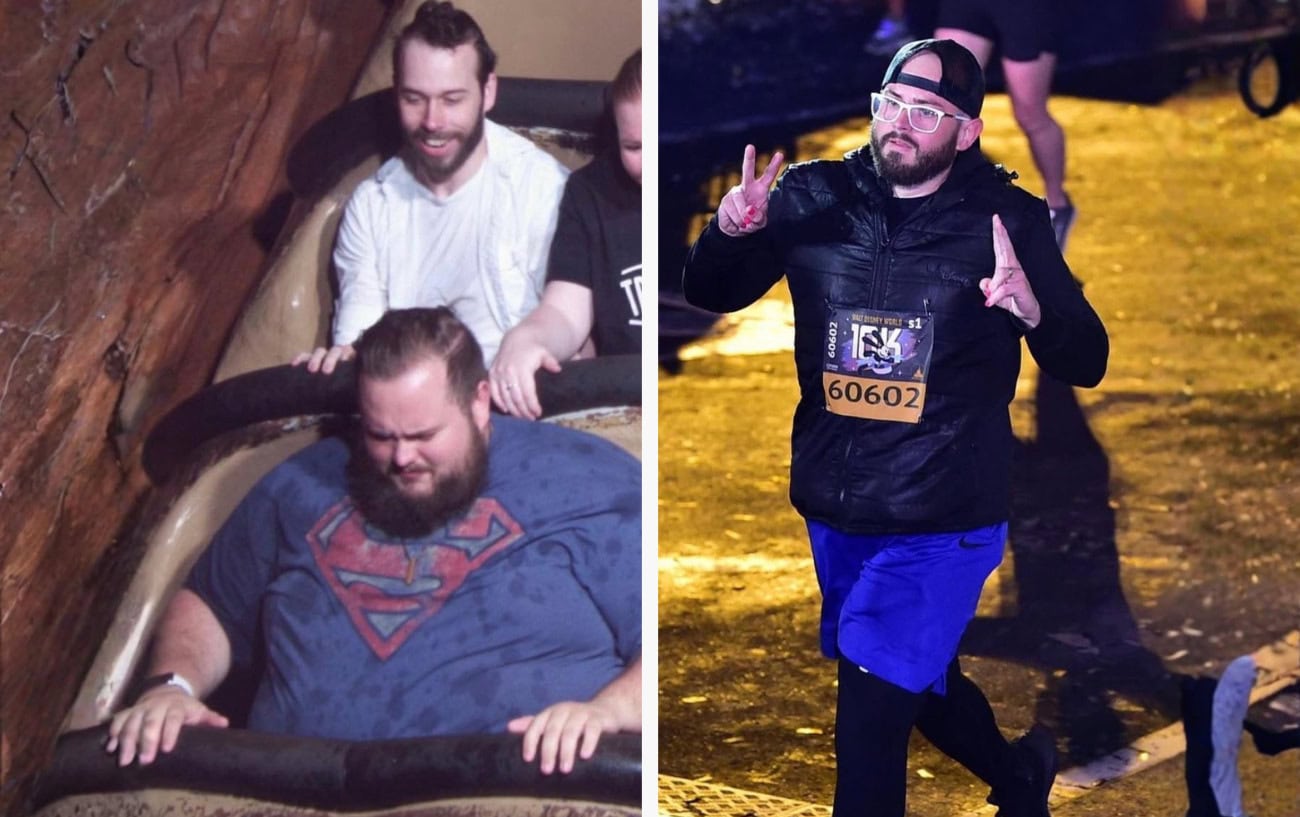
Progress was never a straight line. After his first 5K, Hasty signed up for a 10K — and quit two miles in. It stung. But he refused to let it be the last word.
“I try to get people to not dwell on failures,” he said. “They’re going to happen. You can’t define yourself by your failures. You need to define yourself by that ultimate goal. It takes time. It takes dedication. You need to put in the work.”
He came back. In April 2019, he ran the Star Wars half marathon and shaved 45 minutes off his first half marathon time. That’s when the idea took shape: why not go bigger? Why not go all the way?
Not just a marathon — but the Walt Disney World “Dopey Challenge.” Four races. Four consecutive days. A 5K, a 10K, a half marathon, and a full 26.2-mile marathon. A total of 48.6 miles.
For a first-time marathoner, it was an audacious goal. Hasty didn’t flinch. “Overshooting what I should be doing is how I’ve kept this train moving,” he said. “So I went for it.”
He recruited four friends to run alongside him and began training in earnest.
“It’s a Journey — You Have to Get Your Head Right”
There’s a practicality to how Hasty talks about transformation that cuts through any sentiment. He doesn’t pretend it’s simple or that willpower alone is sufficient. He’s worked for every pound, every mile.
“It’s a journey,” he said. “You have to get your head right. You have to understand what you’re going through, what you’re going to put your body through.”
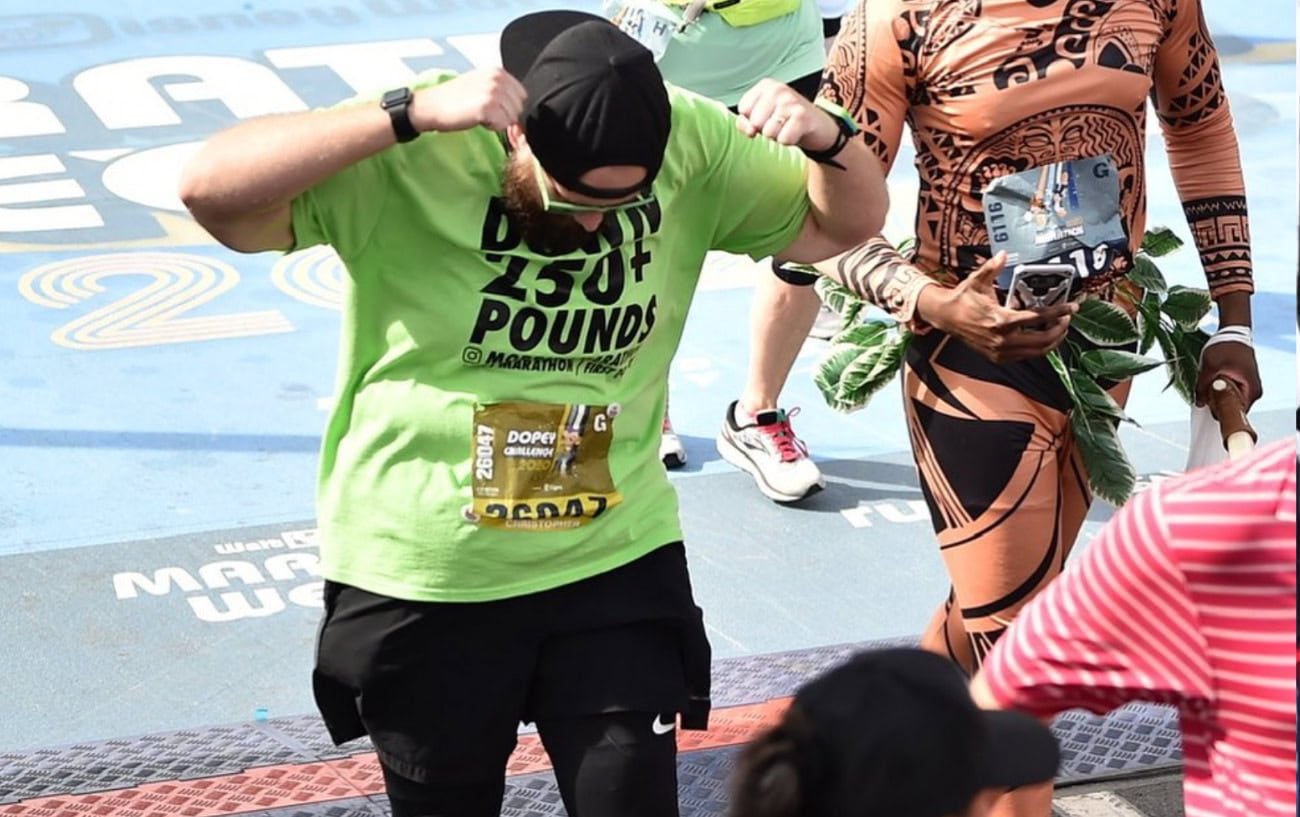
What he didn’t fully prepare for was the emotional weight of race day itself. When the Dopey Challenge arrived, Hasty weighed around 210 pounds — a loss of more than 250 pounds in two and a half years. But the marathon still nearly broke him. He ran the entire 26.2 miles in a full-body compression suit, necessary to hold his loose skin in place and prevent painful irritation. At mile 16, he cramped. He hit the wall hard.
Then, at mile 19, he saw a friend volunteering at a water station.
“It was definitely one of the hardest things I’ve ever done,” Hasty said. “One of my friends was a volunteer at the mile 19 water station and when I saw him I had one of the biggest emotional releases I’ve ever had on a run. I ran up to him and cried. Then I got back out there and finished.”
He crossed the finish line. Casey was there, having completed the 10K herself. Together, the couple had now lost a combined 300 pounds.
“I Used to Look in the Mirror and Hate Myself”
In the aftermath of the race, Hasty reflected on how far he had traveled — not just in miles, but in how he saw himself.
“I was one of those people,” he said quietly. “I used to look in the mirror. I hated myself and I never thought this was remotely something I could do.”
The loose skin left behind by his dramatic weight loss remains a physical reminder of the old life, and Hasty has been open about the challenges it brings.
“In the last two years I’ve lost 250+ pounds. It has left me with a huge amount of loose skin that causes not only issues in my everyday personal life, but it also impacts my future physically. I have pushed very hard and completed my first marathon, but it required a huge amount of cumbersome and uncomfortable compression gear just to hold it all in place so I didn’t suffer major irritations as a result of the running.”
He added, with characteristic honesty: “I was very hesitant about posting this. You have to swallow a certain amount of your pride when you realize you’re not capable of doing something on your own, and ask for help.”
His next goals — a Half Ironman and skin removal surgery — are already on the horizon. He’s not slowing down.
“Overshooting what I should be doing,” after all, is how he’s kept the train moving.
RunClub
Get more running stories — join RunClub
Daily running news, a community of 300,000+ runners, free training plans for every distance, and a daily running game. Free to join — no card.
Already a member? Log in →



Join the conversation
Wow, happy for him, and what a great inspiration for others. Thanks for sharing!