


Olympic athletes, including the runners who line up at the Summer Games, will soon be able to apply for $10,000 cash grants under a new International Olympic Committee program worth more than $100 million through 2028.
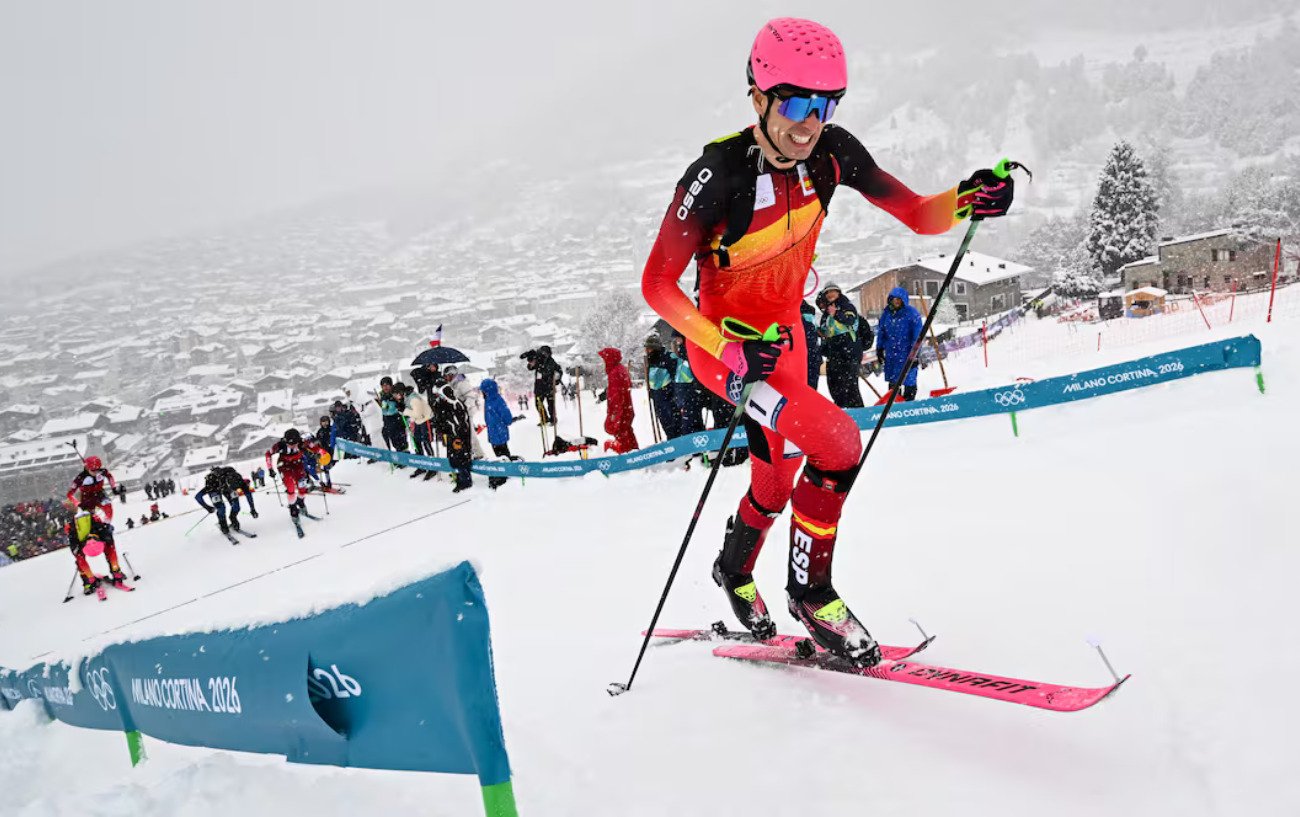
The IOC announced the fund on Wednesday at a meeting in Lausanne, according to the Associated Press. It will first open to the roughly 2,900 athletes who competed at the 2026 Milan Cortina Winter Games. The nearly 11,000 athletes expected at the 2028 Los Angeles Summer Games will then be able to apply for a share of about $110 million, provided they meet eligibility criteria such as not having tested positive for doping.
The announcement was delivered by former NBA star Pau Gasol, who represents athletes on the IOC’s 15-member executive board.
“This is a win for all of us,” Gasol said, taking care to note that the payments are “not prize money.”
A response to years of pressure
The cash commitment follows years of pressure on the IOC to share more of its Olympic revenue with the people who actually compete. Those calls grew louder after World Athletics broke ranks at the 2024 Paris Olympics and paid $50,000 to each gold medalist in its sport, which includes the marathon. In Los Angeles, World Athletics plans to extend prize money to silver and bronze medalists as well.
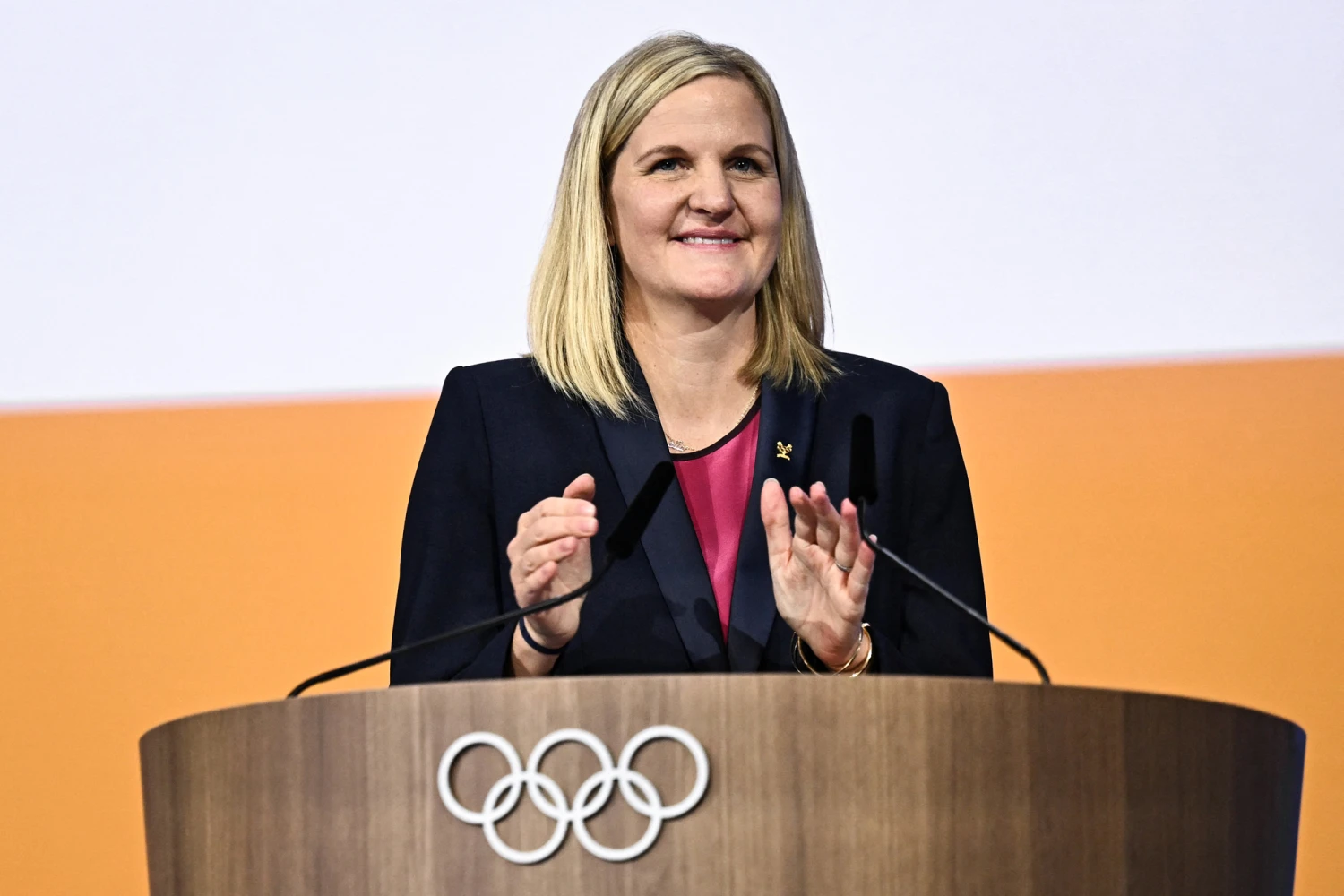
For Marathon Handbook readers who have followed this debate, the IOC’s stance has been consistent. Last year IOC President Kirsty Coventry argued that the committee should not pay prize money to medalists, and she has held that line since. The new fund is the signature initiative of her first year in office.
Coventry, a 42-year-old five-time Olympian and two-time swimming gold medalist for Zimbabwe, was elected last year as the youngest president, and most recent former athlete, in the IOC’s modern history.
Gasol, a three-time Olympic medalist for Spain, said the strategy review under Coventry produced one consistent message from competitors.
“Athletes want more direct support throughout their Olympic journey and beyond,” he said.

Coe weighs in
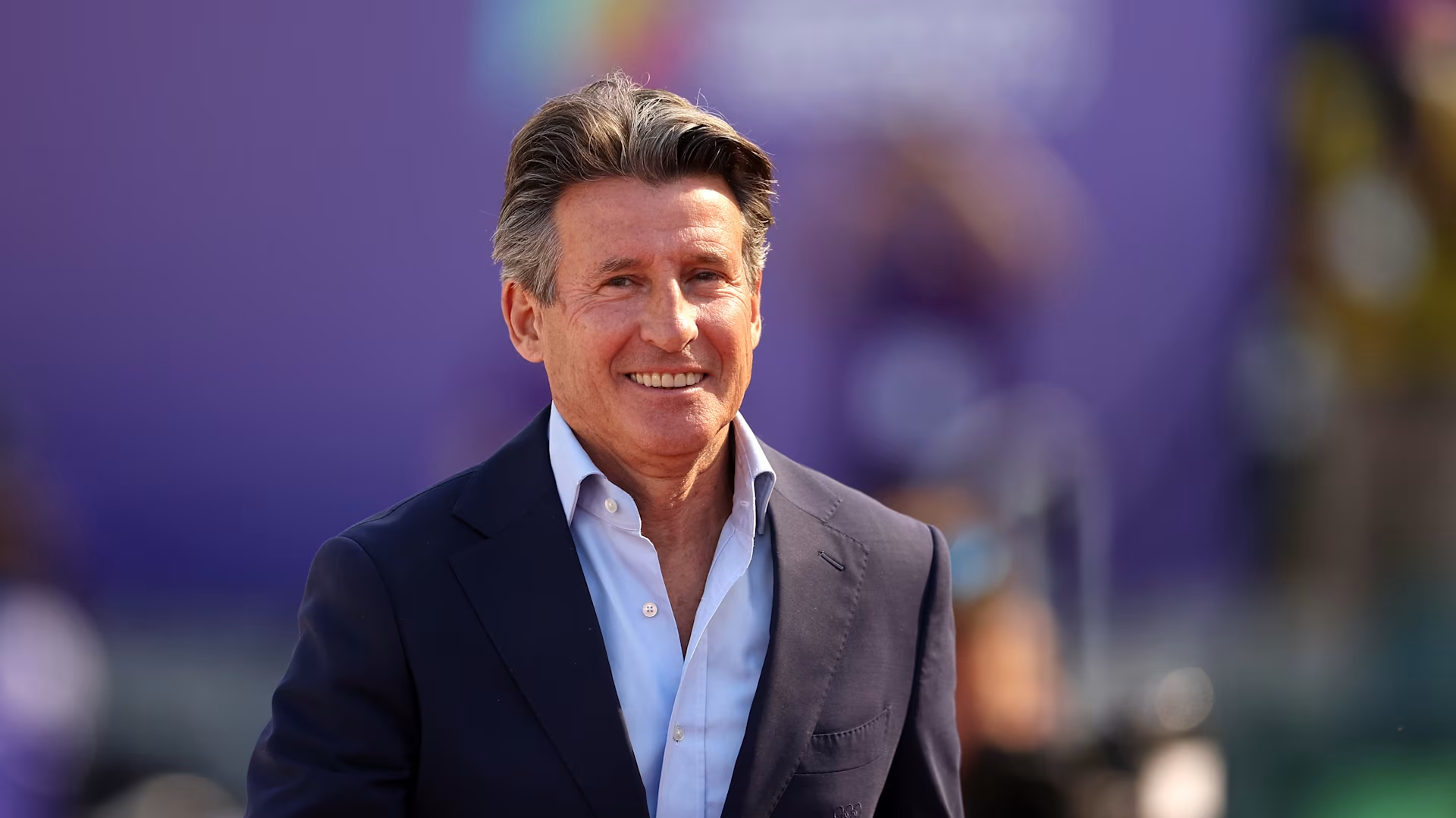
Sebastian Coe, the World Athletics leader who ran against Coventry for the IOC presidency and made prize money a central plank of his campaign, praised the new fund from the floor of the meeting.
“This is a historic moment for the movement, and I’m absolutely delighted to be in the room when this has been announced,” Coe told fellow IOC members, according to the AP report.
For marathoners and other track and field athletes competing in Los Angeles, the math could add up. A gold medalist from World Athletics would receive $50,000 in prize money from the federation. On top of that, any qualifying athlete from any sport can apply for a $10,000 grant from the IOC fund. The U.S. team that comes out of the 2028 Olympic Marathon Trials in St. Louis would be eligible, as would the rest of the field selected for the LA28 Games.
How the grants will be paid
Athletes will apply through an IOC online platform that is also designed to support careers after retirement from sport. Approved money will be routed to national Olympic committees, which run the teams. Those committees will then be required to show the IOC that the cash was passed directly to the athletes, according to Gasol in the AP report.
Some questions remain open. Several dozen Olympic competitors are already wealthy — including NBA players and top men’s soccer players — and it is not yet clear whether they will be encouraged to waive the grant or pool the money into development projects in their sports.
The new fund will sit alongside an existing IOC program called Olympic Solidarity, which directs grants to athletes from less-wealthy countries as they prepare to qualify for and compete at the Games. That budget is worth $650 million for the four-year Olympic cycle covering Milan Cortina and Los Angeles, and it also pays for coaches, officials and team costs. It runs separately from Coe’s other recent push to expand the sport’s calendar, including a standalone marathon World Championships.
RunClub
Get more running stories — join RunClub
Daily running news, a community of 300,000+ runners, free training plans for every distance, and a daily running game. Free to join — no card.
Already a member? Log in →





Start the conversation