There are fast parkrun times, and then there are parkrun times that stop us in our tracks.
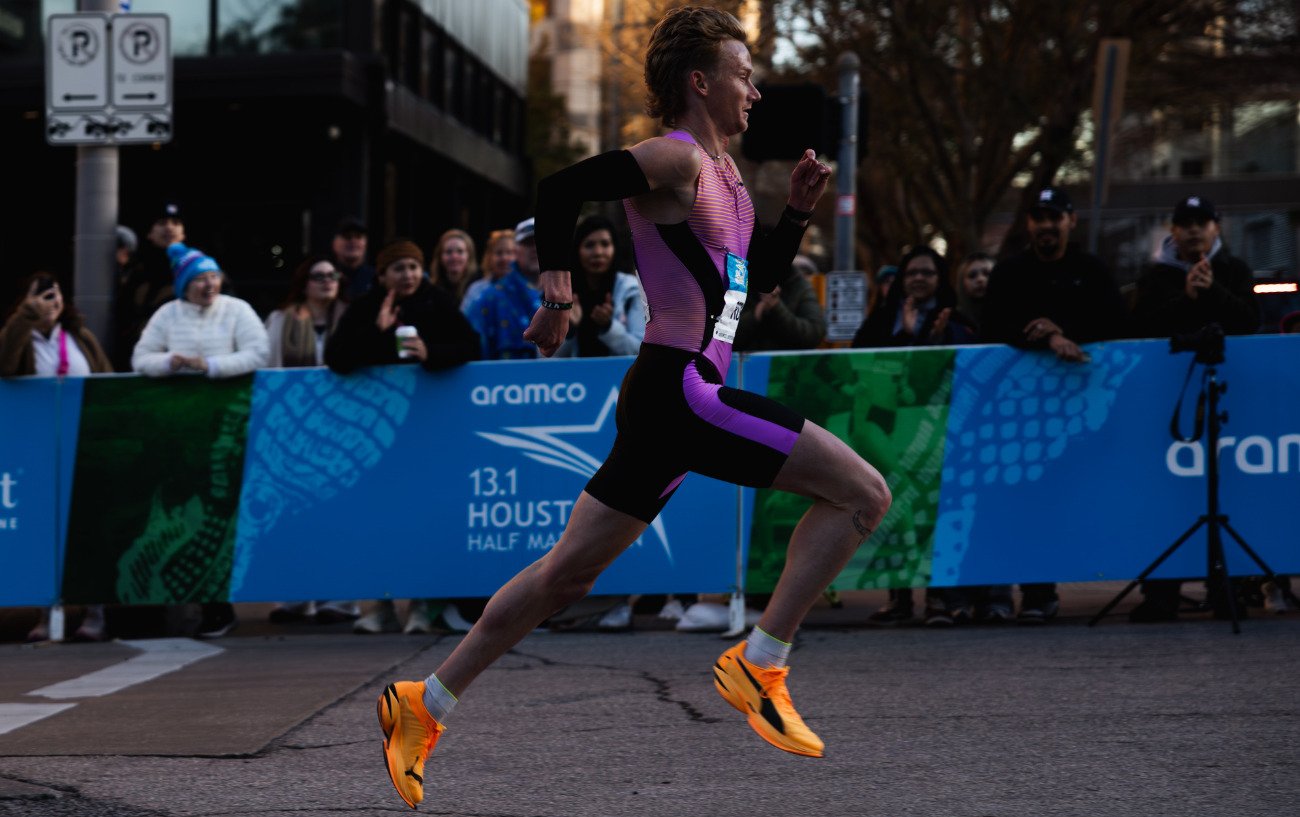
Innes FitzGerald’s 15:27 at Exmouth on New Year’s Day was one of the latter. Not because it came with a finish-line tape or a big prize purse, but because it didn’t, it barely made any headlines, in fact. It happened at a parkrun 5k, less than 24 hours into 2026, and it turned out to be the fastest parkrun ever run by a British woman.
The previous British best, 15:31, had stood since December 2022, when Melissa Courtney-Bryant ran it at Poole. FitzGerald took four seconds off it, finishing well clear at an event that drew a record number of runners.
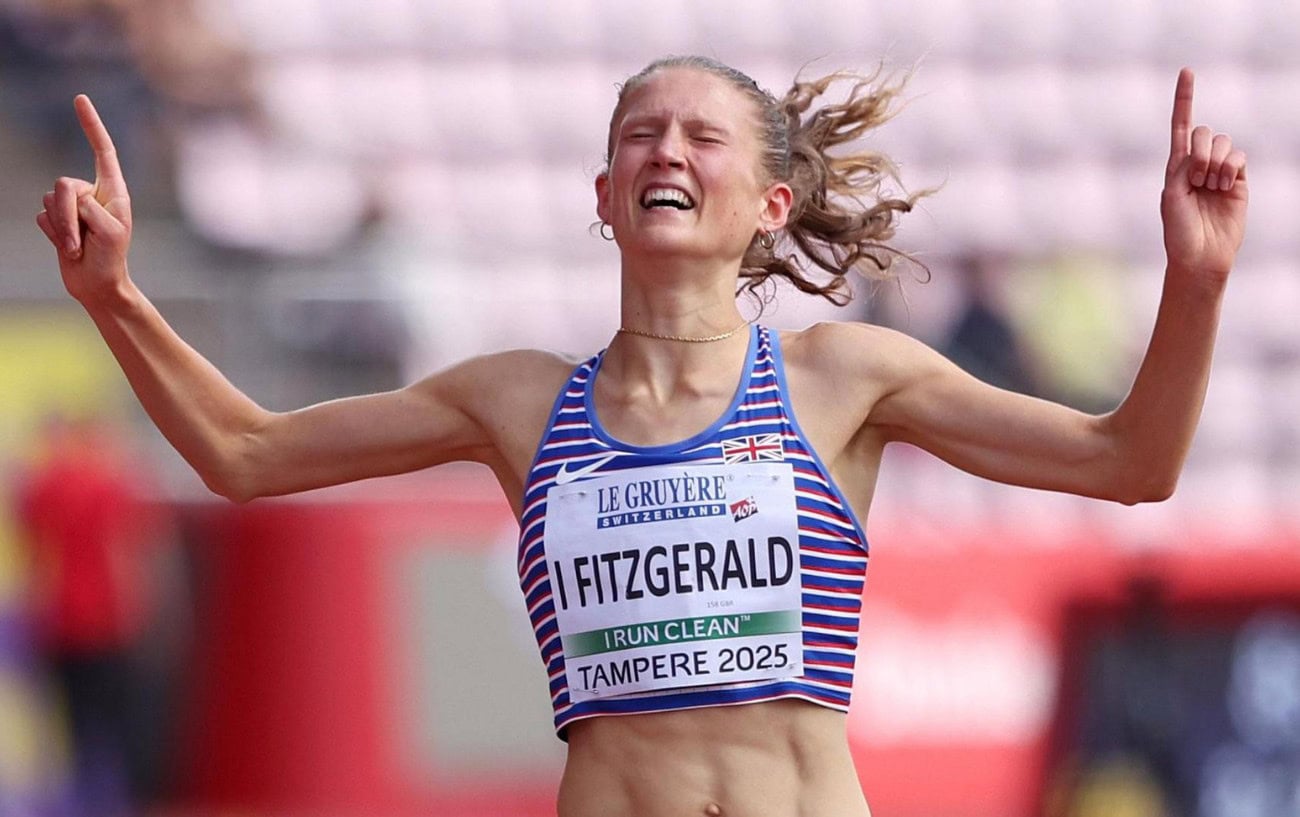
Parkrun isn’t a place elite athletes usually target for peak performances. Courses vary, pacing is improvised, and most appearances are opportunistic rather than planned. But the clock still tells its story, and a 15:27 5k is elite by any standard, regardless of where it’s run.
But it also didn’t come out of nowhere.
On Christmas Day, FitzGerald ran 15:47 at Seaton parkrun, her first time breaking 16 minutes in this format. That course starts and finishes on a pebbled beach, where footing is inconsistent and fast times are rare. The jump from Seaton to Exmouth inside a week reflected momentum rather than surprise.
At 19, FitzGerald already has a list of results that places her well beyond the usual “promising junior” category.
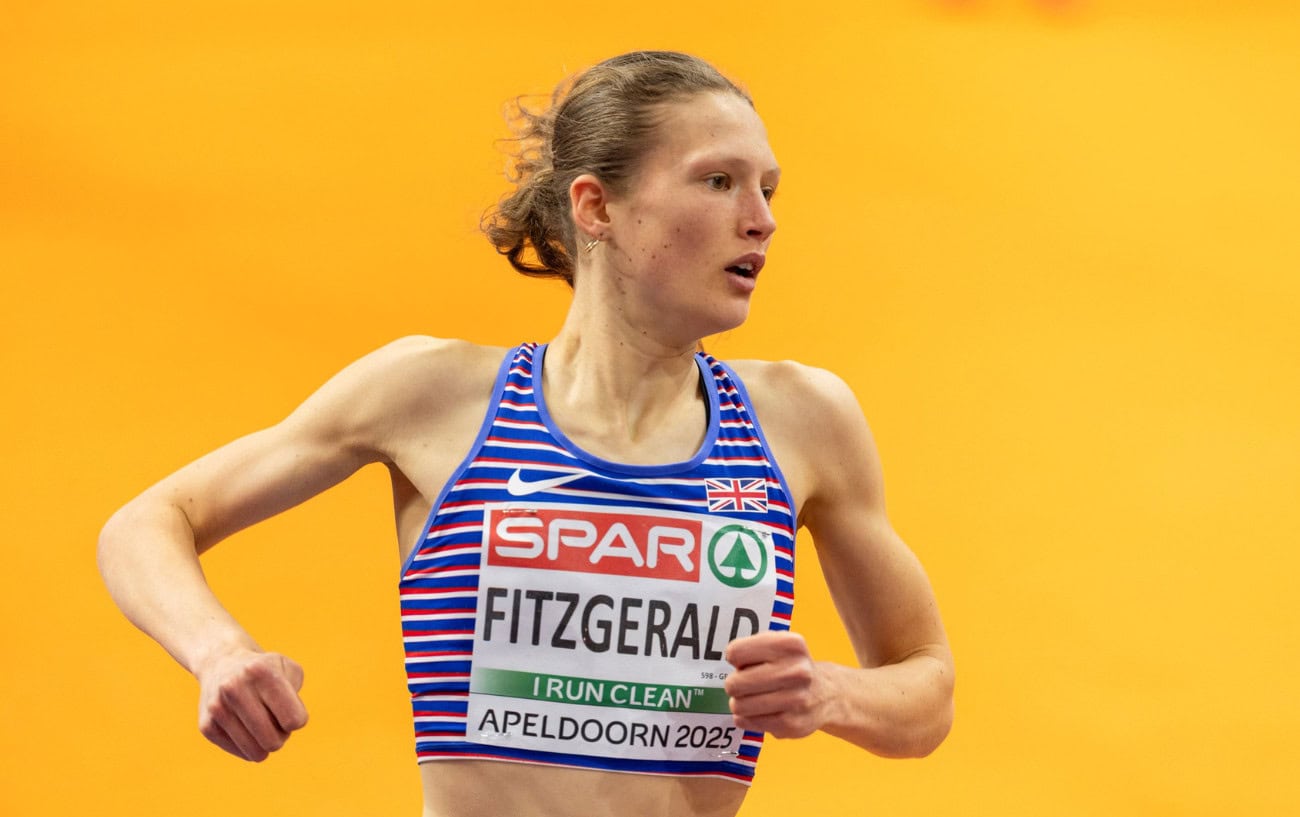
In 2025, she won her third consecutive European under-20 cross country title, then doubled over 3000m and 5000m at the European U20 Championships, breaking the championship record in the 3000m. Later that summer, she ran 14:39.56 for 5000m at the London Diamond League, a European under-20 record and one of the fastest times ever recorded by a British teenager.
British distance running has produced plenty of strong juniors over the years. But far fewer have been able to win championships, break records, and translate that ability across cross country, track, and now the road.
This is where the Paula Radcliffe comparison comes in.
Radcliffe was 18 when she finished eighth in the 10,000m at the 1996 Atlanta Olympics. By 19, she had already broken the British record over 3000m. As a teenager, she ran 14:29 for 5000m and showed the same kind of range FitzGerald is beginning to demonstrate, strong on the track, resilient in cross country, and comfortable stepping up to senior competition early.
The parallels aren’t about records lining up neatly, because they don’t. They’re about trajectory. Radcliffe’s teenage years were defined by performances that made sense in isolation but, viewed together, pointed clearly upward. FitzGerald’s recent seasons read in a similar way.
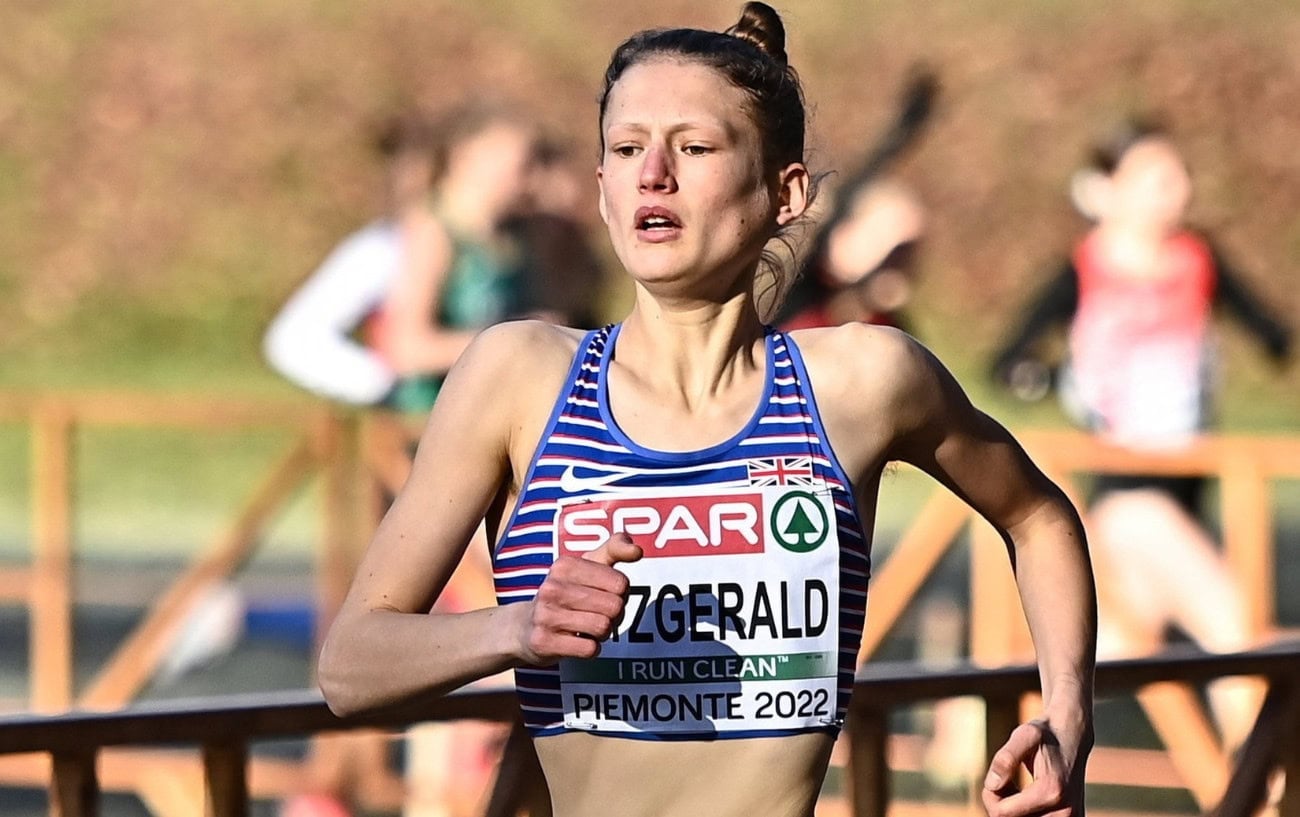
She made her senior World Championships debut in Tokyo in 2025, of course, to gain experience rather than chase results. That kind of early exposure was also something that was central to Radcliffe’s development, and it remains one of the few reliable predictors of long-term success in distance running.
There are differences too. FitzGerald trains in Devon, studies Sport and Exercise Science at the University of Exeter, and operates outside a fully professional setup. Her racing schedule has been selective, shaped partly by her environmental stance and her reluctance to take long-haul flights. As a result, some of her strongest performances have arrived with little buildup and limited spotlight.
FitzGerald’s next races are expected later this winter as the cross country season continues, where she will line up not as a junior curiosity, but as one of the strongest runners in the field, regardless of age.