


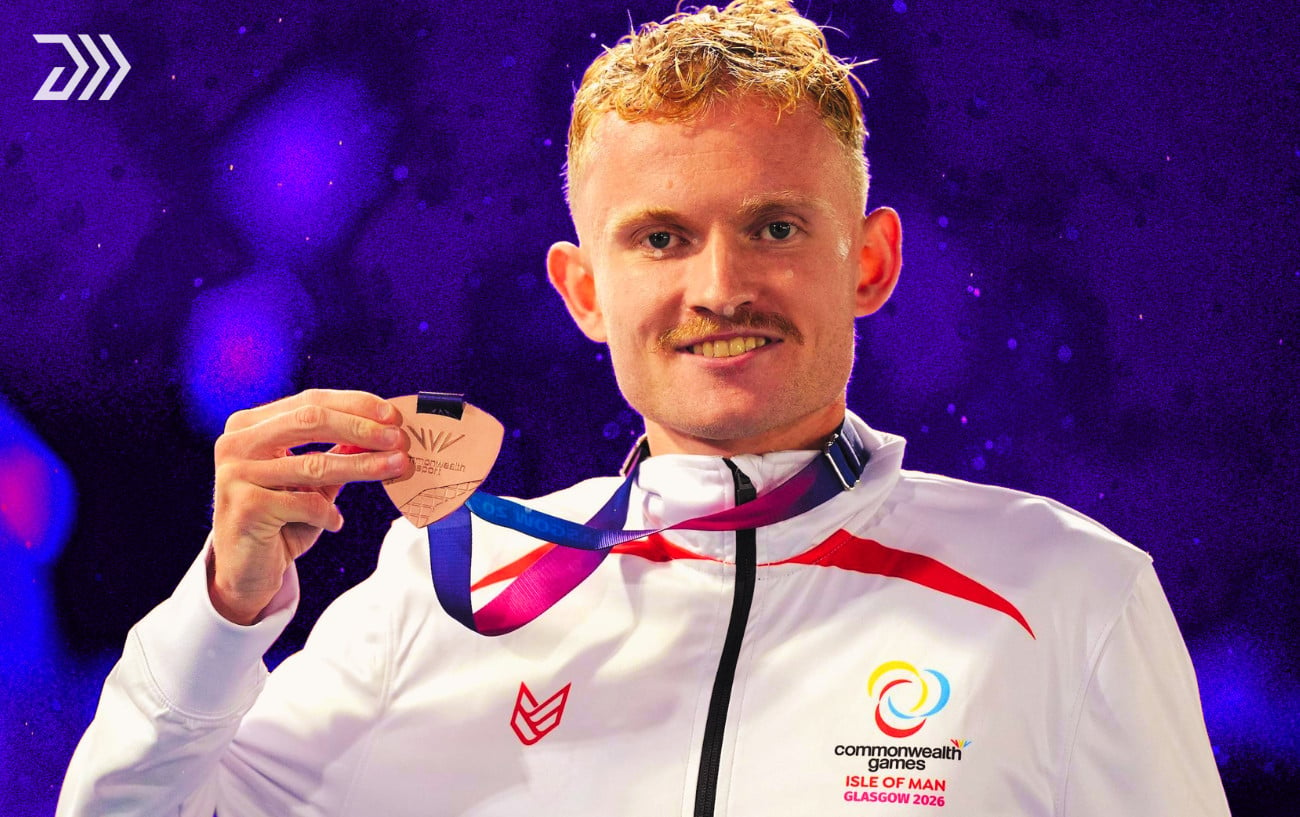
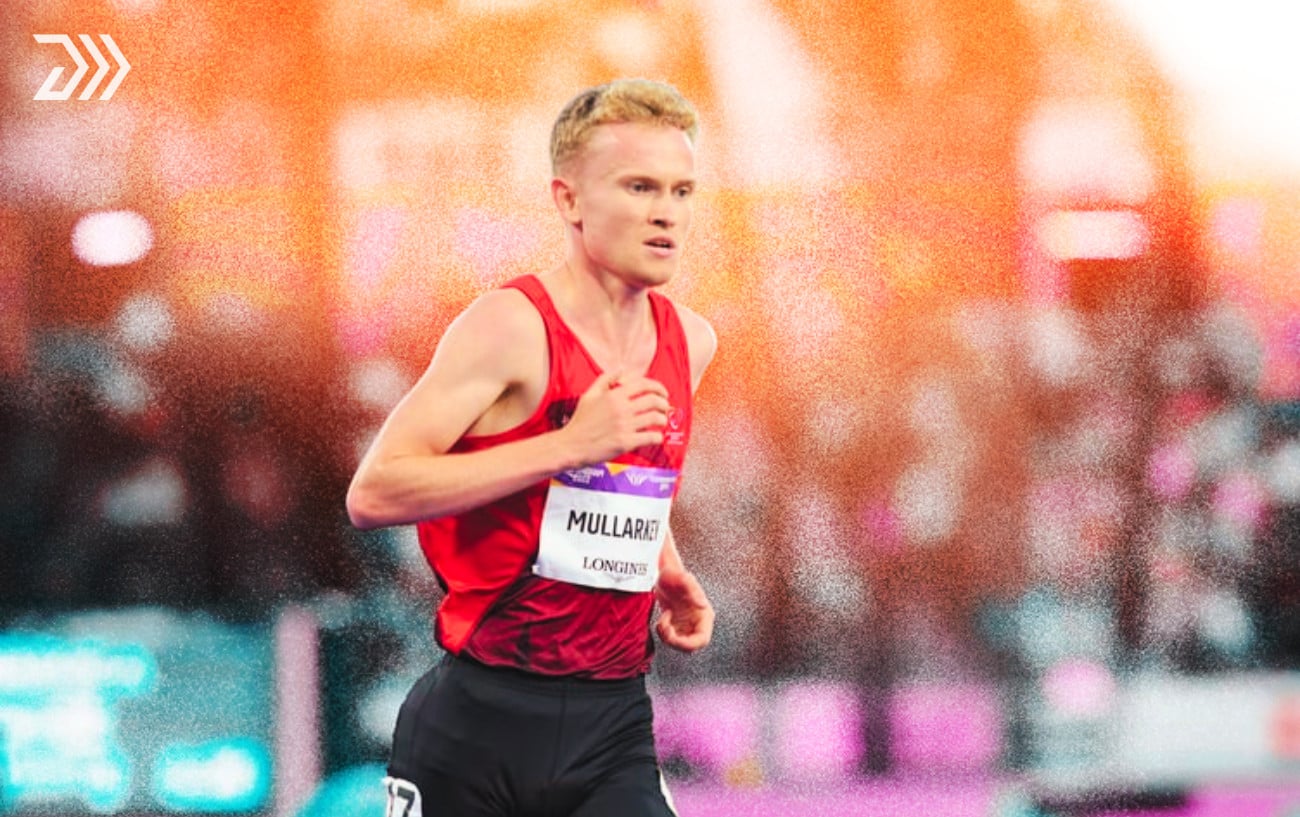
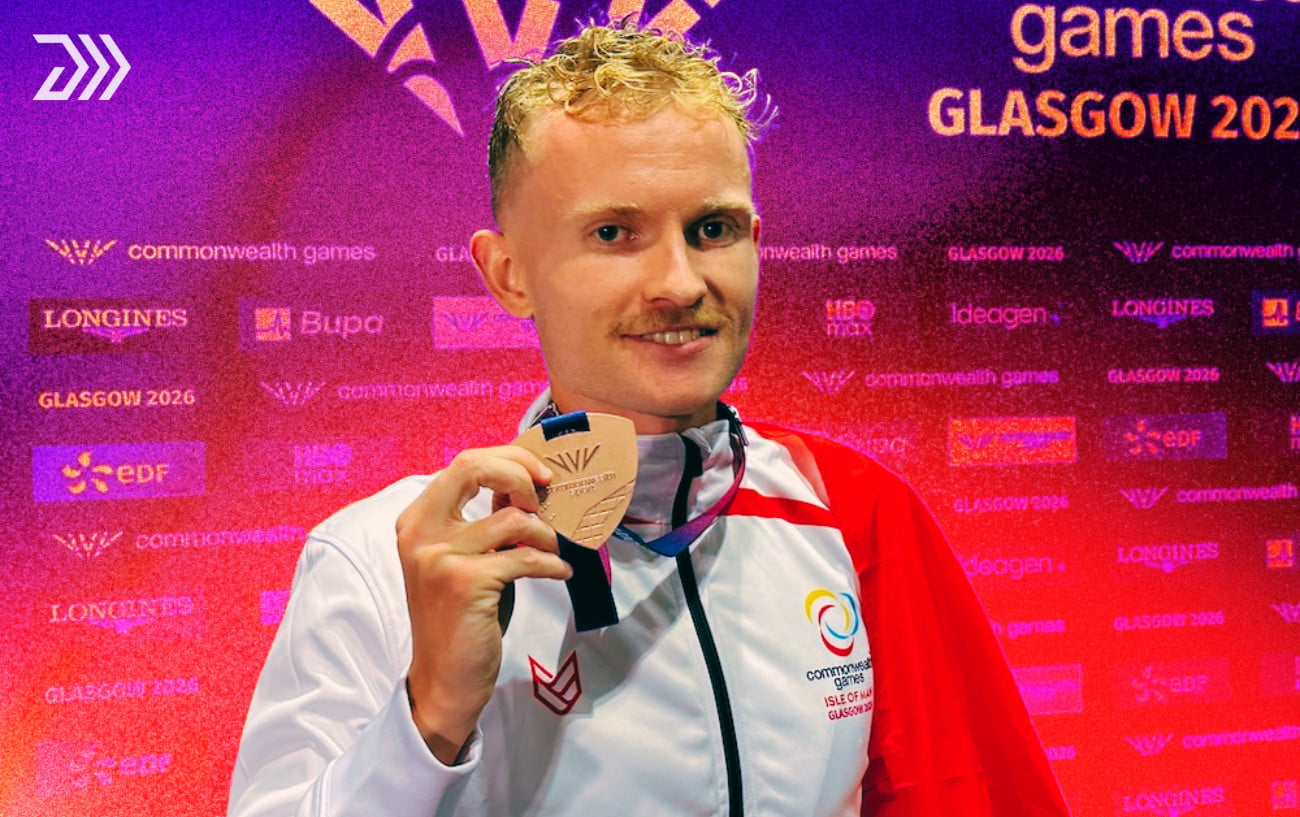
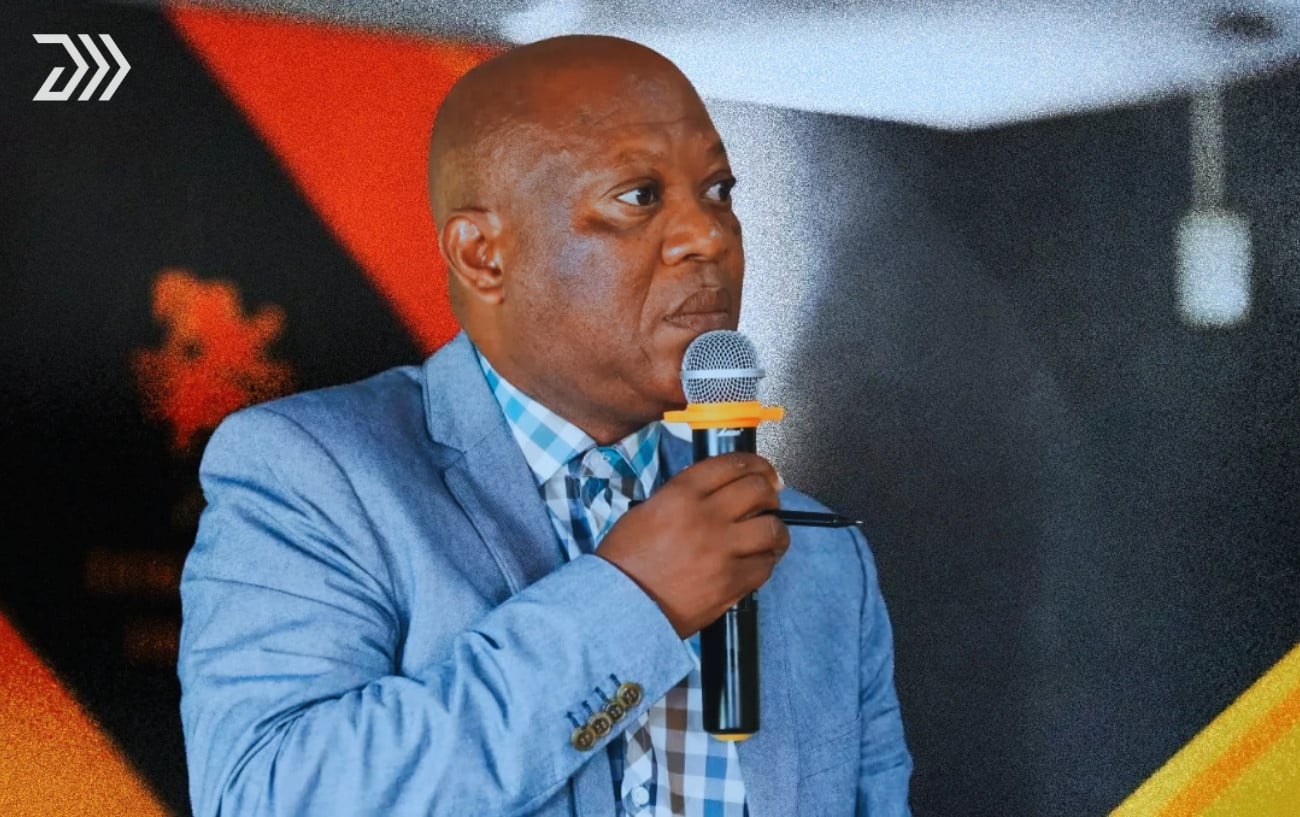
The Isle of Man won its first athletics medal on Tuesday night, at the only championship where the Isle of Man competes in athletics as a nation. David Mullarkey, 26, took bronze in the men’s 10,000m at Scotstoun Stadium in 27:50.28, in heavy rain, behind Australia’s Ky Robinson and India’s Gulveer Singh. He raced near the front for most of the 25 laps and made his decisive move on the final one.
The island has entered the Commonwealth Games 17 times since Cardiff in 1958 and had won 12 medals before this week, three gold, three silver and six bronze, enough for 35th on the all-time table. Those medals have come overwhelmingly from cycling and shooting. Until Tuesday, none had come from athletics, and none of any kind had come since Tim Kneale’s shooting silver in 2018, as Manx Radio noted in reporting the medal on the night.
Why the Drought Is Measured Only in Commonwealth Games
The drought is measured that way because the Commonwealth Games is the only place it can be measured. The Isle of Man is a Crown Dependency, and the Games is the single competition at which its athletes wear a Manx vest. Its own governing body says so plainly: the Isle of Man Athletics Association calls the Games “the highest level competition in which an Isle of Man athlete can compete wearing the Isle of Man vest.”
Everywhere else, Manx athletes are British. World Athletics counts 214 member federations, and Manx internationals do not compete under one of their own. They compete for Great Britain and Northern Ireland, which is how World Athletics lists Mullarkey on his profile, alongside world rankings of 51st at 5,000m and 55th at 10,000m.
The arrangement reaches further than the vest. The Isle of Man Athletics Association’s published record rules require an athlete to hold UK Athletics registration before a Manx national record can be recognized, and the conditions a performance must satisfy are those set out in Rule 141 of the UK Athletics rulebook. Manx statisticians ratify the mark, but the rules under which it was run are British ones. The association also takes performances straight from official results, with no application required, at four championships. The Commonwealth Games is one of them.
The Runner Inside the Arrangement
Mullarkey is good enough for the structure to matter to him. He won the 5,000m at the UK championships in June, a British national title, and set personal bests of 13:09.40 and 27:26.58 earlier this year.
Tuesday’s medal came from neither of those. The 27:50.28 was 24 seconds slower than his own best, run in rain on a night decided by position rather than pace. In an interview at the track afterward, he told Olympics.com the race was “as close to perfect as I could have got it today.” He also told them he spent seven months without a sponsor after finishing at Northern Arizona University, and ran down his savings while staying on in Flagstaff, before Under Armour signed him.
What a Medal Like This Can and Cannot Lead To
It leads somewhere narrower than the same medal would lead almost anywhere else. Glasgow drew 74 nations and territories, and the Games arrived having cut its out-of-stadium events entirely, leaving no marathon for the first time since 1930 while restoring the mile after 60 years.
For a place of 84,069 people competing once every four years, a breakthrough on the track does not compound the way it would somewhere with a national team, a domestic circuit and a seat at the international federation. There is no Manx squad to be picked for next, and no Manx championship that leads beyond the island. Whatever comes next for Mullarkey comes through British Athletics, as it did before Tuesday.
He races the 5,000m final Saturday, the closing night of the athletics program at Scotstoun. From there he goes to Birmingham for the European Championships, which begin Aug. 10, in a Great Britain vest.
RunClub
Get more running stories — join RunClub
Daily running news, a community of 300,000+ runners, free training plans for every distance, and a daily running game. Free to join — no card.
Already a member? Log in →





Start the conversation