


The world’s first sporting competition where the goal is to reverse aging officially launched today in Budapest, and its premise is as bold as it is unusual: in the Longevity World Cup, age isn’t a handicap, it’s an advantage.
The event, founded by Bitcoin developer Adam Ficsor, is structured around a leaderboard of so-called “longevity athletes” competing not on the track or field, but through their bloodwork.
Athletes submit results from standardized blood tests, which are then used to calculate their biological age through the PhenoAge clock, a scientific model developed by Yale researcher Dr. Morgan E. Levine that estimates how old a person’s body appears based on nine common biomarkers including glucose, albumin, and creatinine.
Rankings are determined by the gap between biological and chronological age, meaning that the greater the reversal, the higher the placement.
Competitors are divided not only into men’s, women’s, and open categories, but also into generational leagues such as Millennials and Baby Boomers, ensuring that older entrants have a fairer playing field against their peers.
The current leaderboard is led by Mike Lustgarten, PhD, a scientist and prominent figure in the online biohacking community who has spent years publicly documenting his self-experiments with diet and biomarker optimization.
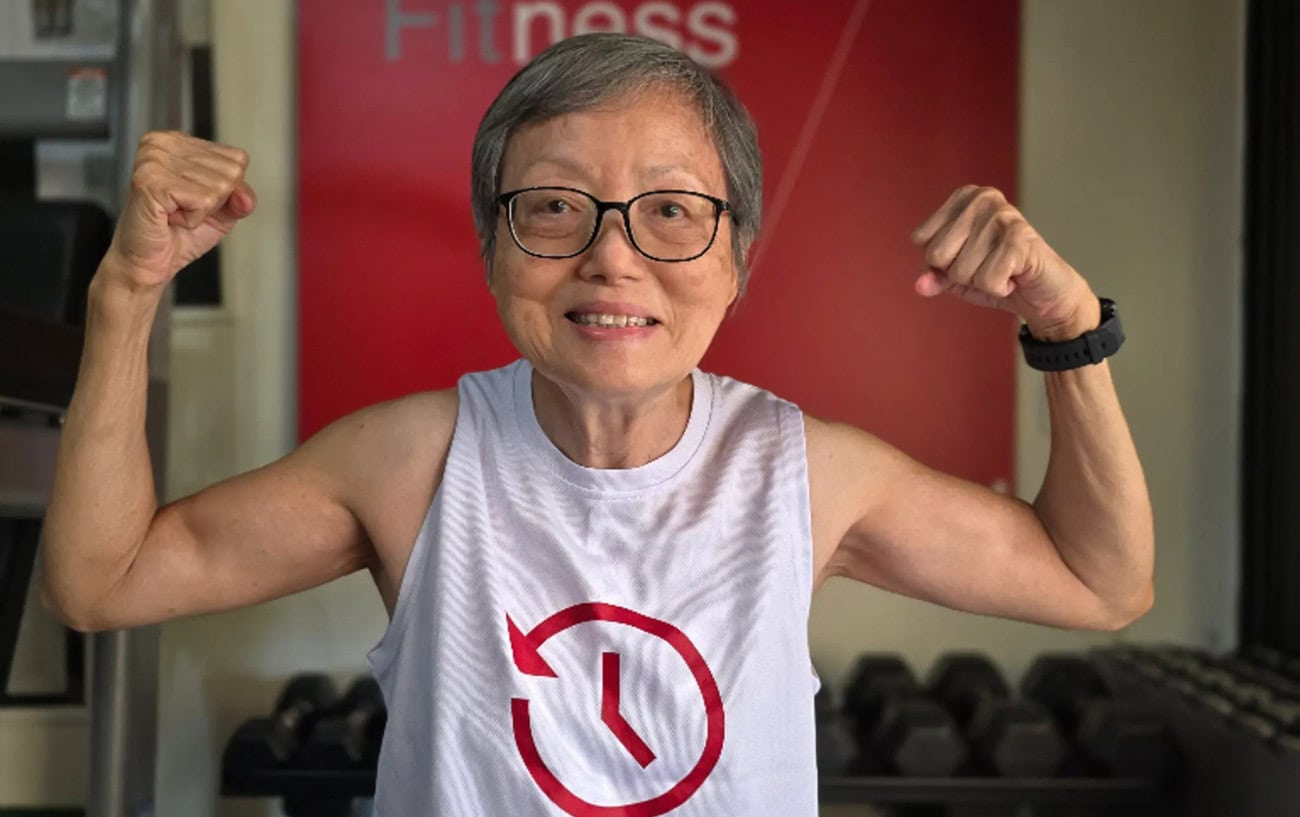
Others in the top ten include Zdeňek Sipek, Juan Robalino, and 79-year-old Charlotte Wong of Singapore, better known on social media as the “pull-up grandma.” Another competitor, Dave Pascoe, 63, sits at number nine.
For Ficsor, the idea of gamifying aging stems from a personal realization. “At 30, I realized aging had quietly begun,” he said. “Without competition, I lacked the drive to fight it. This sport brings back that drive. It turns staying alive into a game worth playing — and worth winning.”
The competition also comes with real stakes. Prize money, funded through Bitcoin donations, will be distributed to the top three finishers in the “Ultimate League” at the close of the season.
Ninety percent of contributions go directly into the prize pool, while the remaining ten percent covers organizational costs. Winners will receive payouts in Bitcoin, with assistance offered to athletes new to cryptocurrency wallets.

While this first season runs on PhenoAge, the organizers plan to switch to new biological clocks in future years as science advances. They also envision introducing physical and cognitive testing, live global finals, and even a docuseries placing top athletes together in a so-called “biohacker house” under continuous monitoring.
The Longevity World Cup sits at the intersection of competitive sport, self-tracking culture, and the booming field of longevity science. Biological age clocks like PhenoAge are increasingly used in research and consumer health, though experts caution that the science is still evolving and many interventions remain unproven.
Still, investment in anti-aging startups and research has accelerated dramatically in the past decade, with billions of dollars flowing into projects aimed at extending the human healthspan.
“Longevity as a sport is in its infancy,” Ficsor said. “But every sport starts small. We begin with biological age clocks. Over time, the stakes and the stage will grow.”
RunClub
Get more running stories — join RunClub
Daily running news, a community of 300,000+ runners, free training plans for every distance, and a daily running game. Free to join — no card.
Already a member? Log in →






Start the conversation