


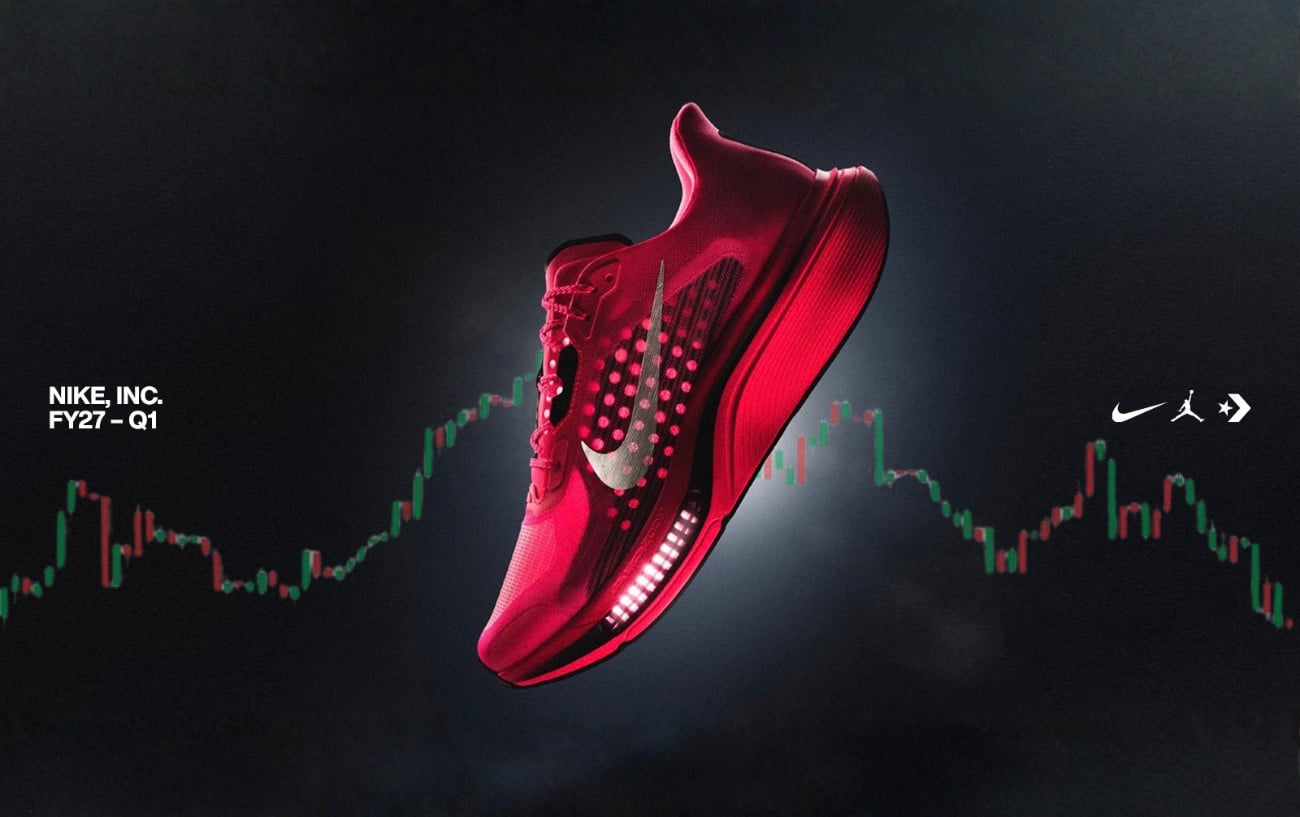
Nike’s stock dropped 15.5% on April 1 — its worst single day in almost two years — closing near an 11-year low. Since peaking in 2021, the company has shed roughly 75% of its value. It’s now worth under $68 billion, roughly a third of the value of TJ Maxx.
The trigger was a forecast nobody wanted to hear: sales down 2% to 5% this quarter, full-year 2026 revenue expected to fall 2% to 4%, with earnings roughly flat. CFO Matthew Friend pointed to rising oil prices and conflict in the Middle East as added pressure on costs and consumer spending.
The quarterly numbers themselves weren’t a disaster. Revenue came in at $11.3 billion — flat year-over-year but slightly ahead of estimates. Earnings per share of $0.35 beat the $0.31 Wall Street expected. Wholesale revenue rose 5% to $6.5 billion, well above forecasts. So some things are working.
China is not one of them.
Sales in Greater China fell 11% last quarter. Next quarter, Nike expects that figure to drop by around 20% as it clears out excess inventory and wrestles with local brands eating its lunch. “Nike is still falling out of favor with customers who find other brands, including local ones, more appealing,” said retail analyst Neil Saunders.

The Wholesale Miscalculation
Then there’s the self-inflicted wound. Under former CEO John Donahoe, Nike pulled back from wholesale partners like Foot Locker and Dick’s Sporting Goods to chase higher-margin direct-to-consumer sales. The strategy made sense on paper. In practice, it handed shelf space to Hoka and On Running at exactly the wrong moment.
Nike Direct revenue fell 4% last quarter. The company is now quietly reversing course — which explains why wholesale is the one segment actually growing.
What This Means for Runners
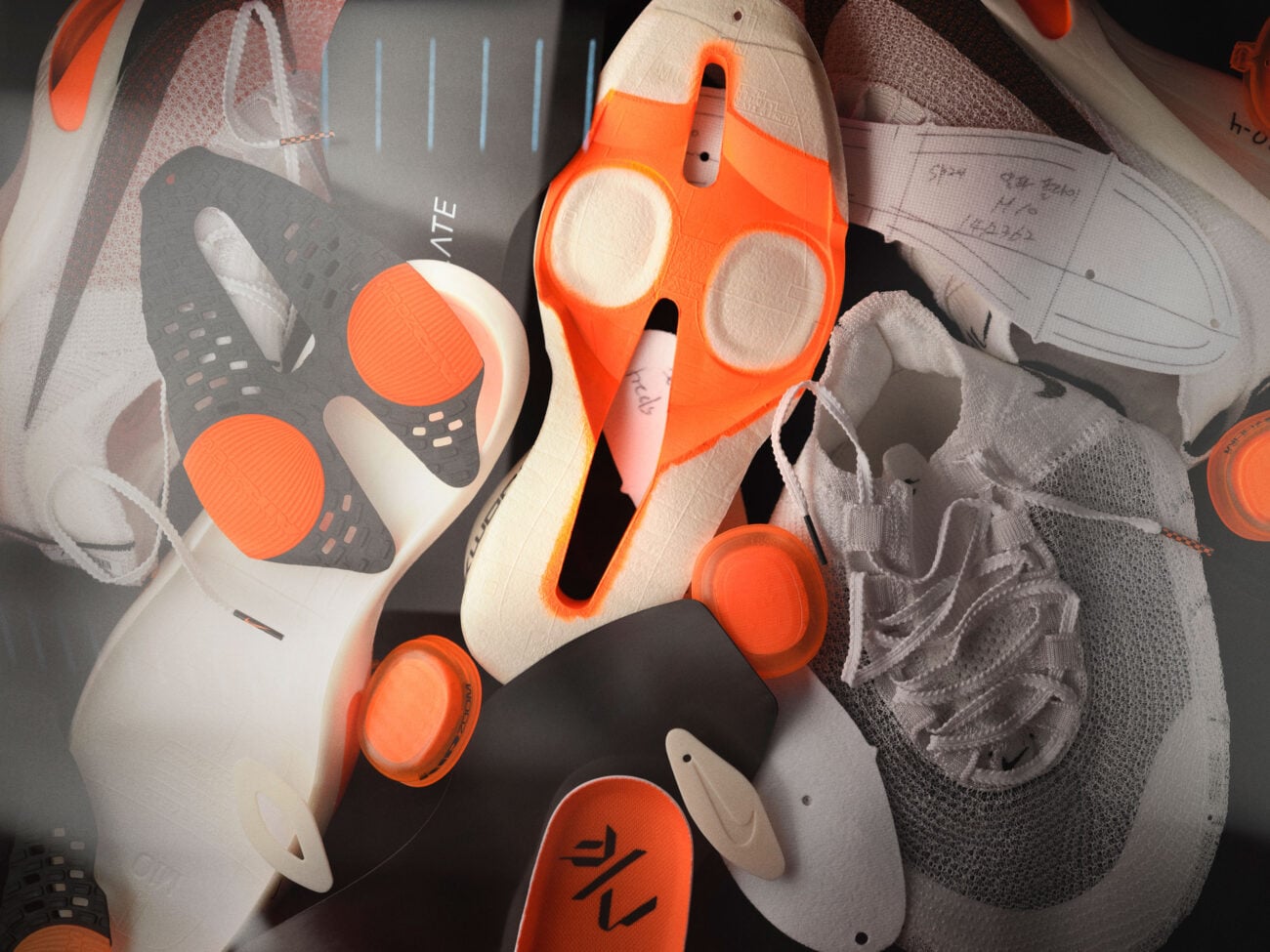
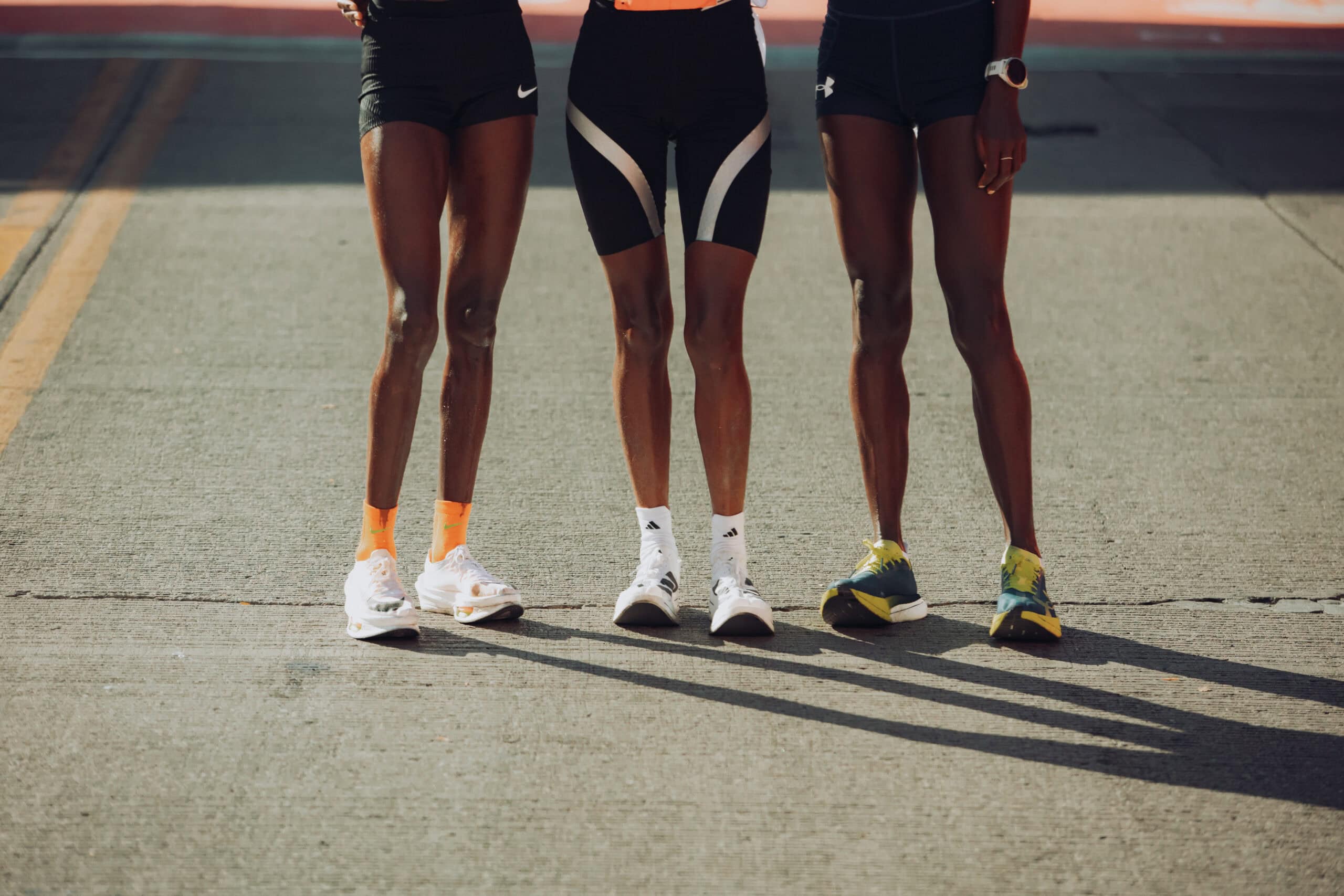
For runners, the Hoka and On detail is worth sitting with. Both brands have gone from niche to dominant in running specialty retail over the past few years, and Nike’s stumble gave them room to grow. CEO Elliott Hill named running as a priority in the turnaround, but winning back runners who’ve logged a thousand miles in something else is not a quick fix.
It’s not just about loyalty. Hoka’s lineup has matured into a genuine performance range, and head-to-head comparisons with Nike’s staple trainers show the gap has closed considerably. Meanwhile, Nike still has ground to make up on the trails too.
The Turnaround Timeline
CFRA analyst Zachary Warring wasn’t exactly popping champagne. “They’re in the middle of a turnaround. There’s just not much to get excited about.”
Management has suggested meaningful results won’t show up until 2027. Tariff headwinds on margins are expected to persist through at least the first quarter of next fiscal year. Elliott Hill, a Nike veteran pulled out of retirement in 2024 to lead the recovery, told staff in a recently leaked internal meeting: “I’m so tired, and I know you are, too, of talking about fixing this business.”
Nike isn’t going anywhere. It’s still the biggest name in sportswear and has the resources to fight its way back. But the days of it being the automatic choice — at the running store, at the finish line expo, in a Chinese shopping mall — look a lot less certain than they did five years ago.
Sometimes the biggest brands have the hardest falls. Nike is finding that out.
RunClub
Get more running stories — join RunClub
Daily running news, a community of 300,000+ runners, free training plans for every distance, and a daily running game. Free to join — no card.
Already a member? Log in →



Start the conversation