


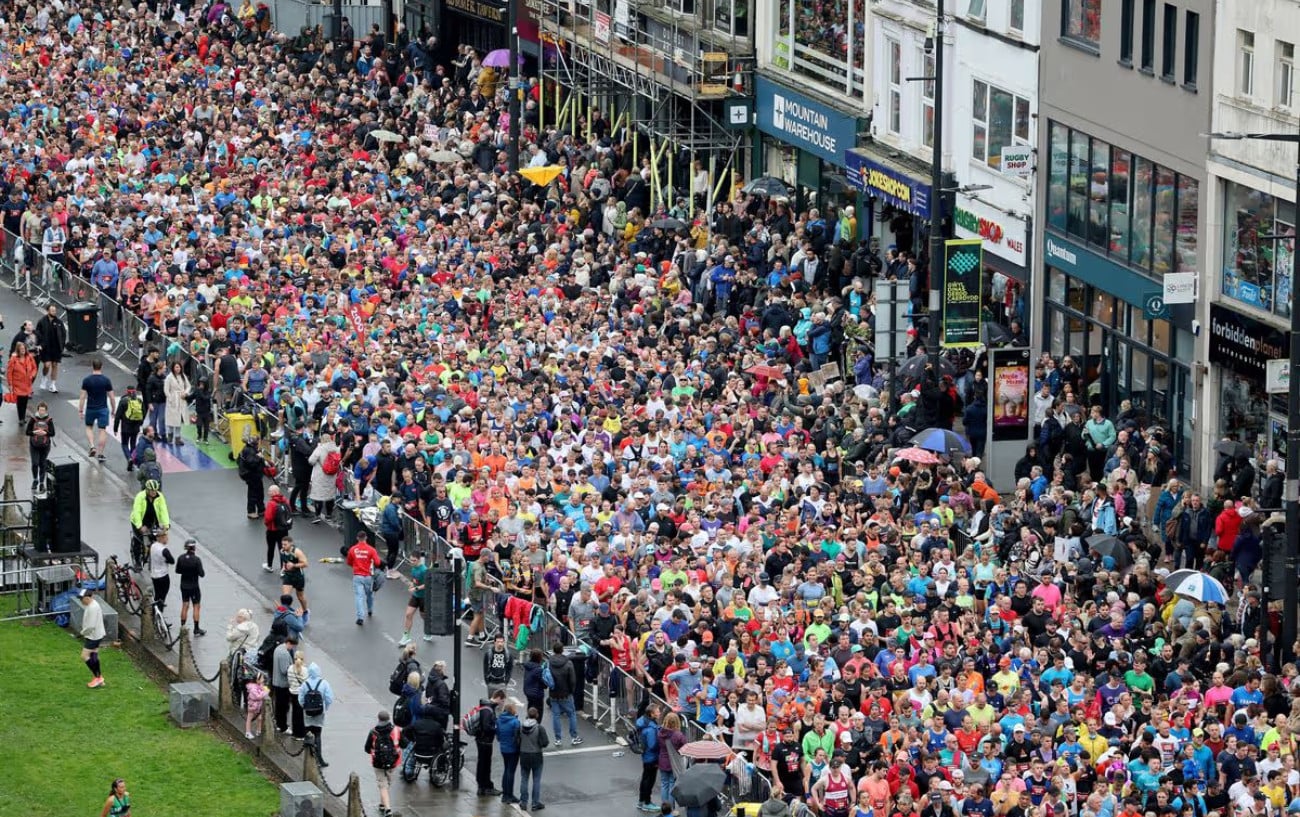
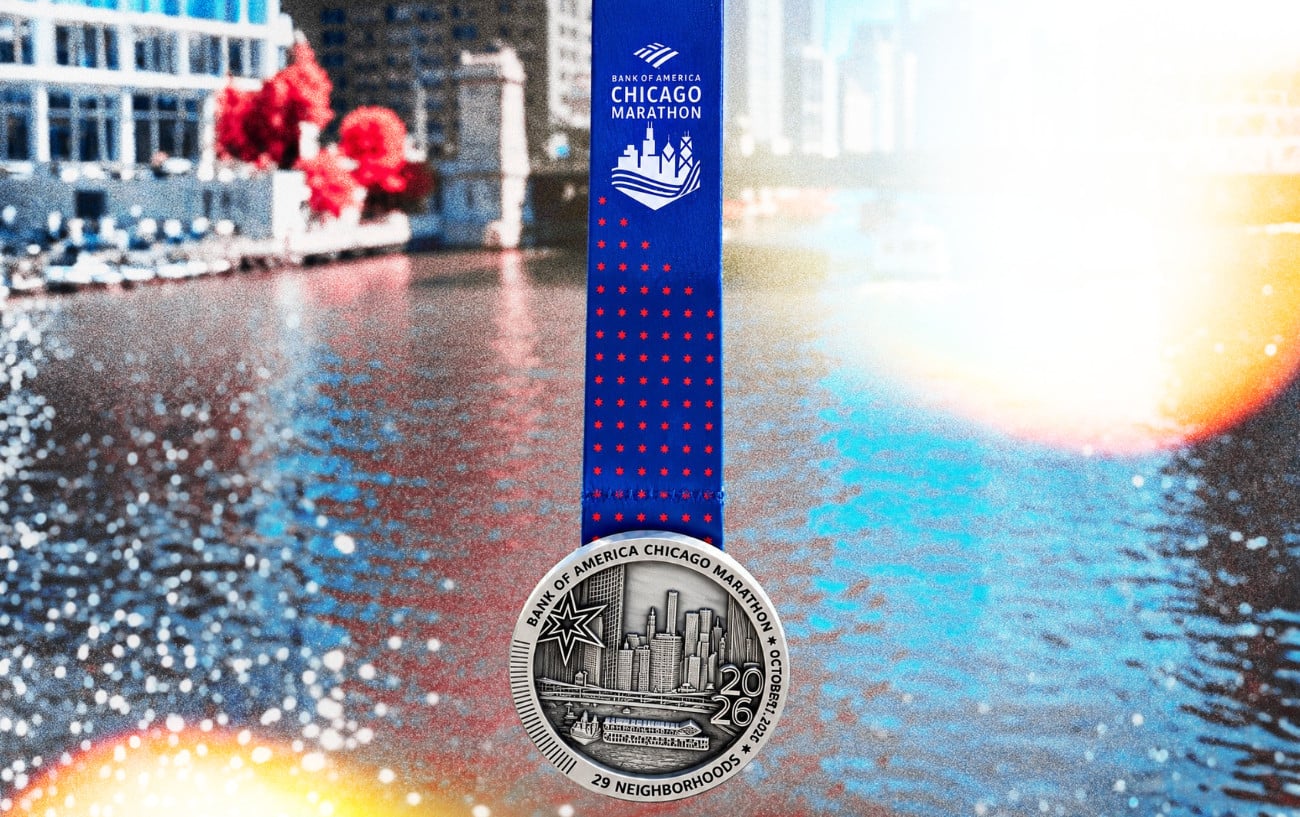
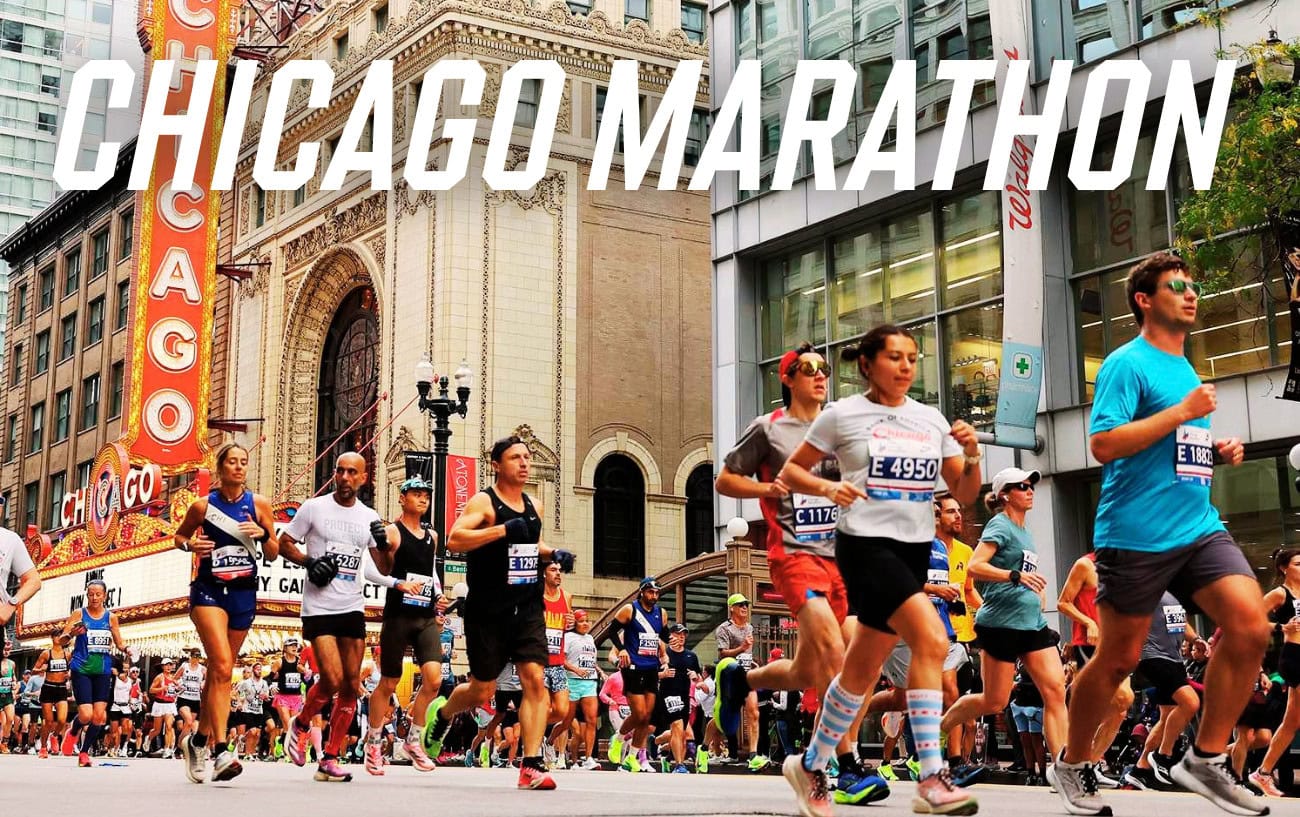
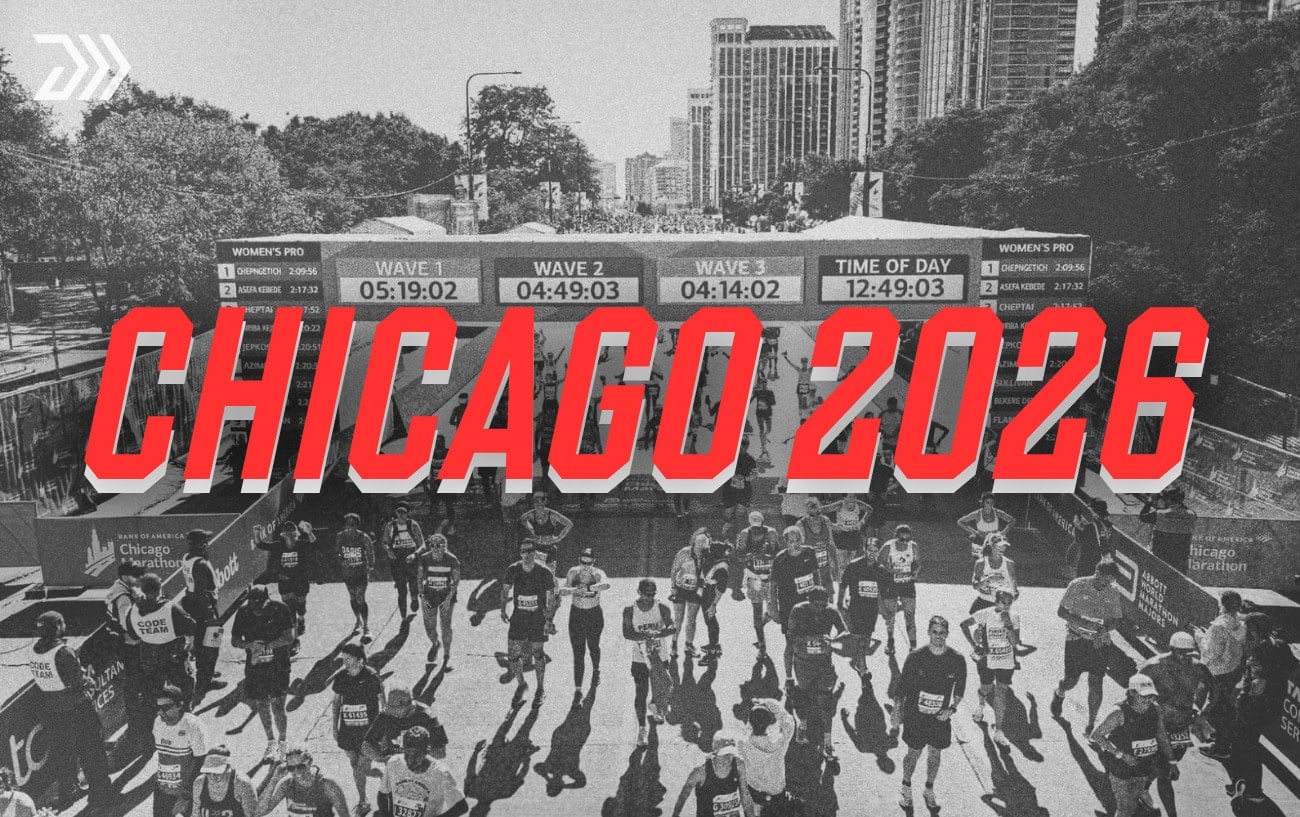
More than 55,000 runners are entered for Sunday’s race out of Grant Park, most of them with a fueling plan worked out down to the last gel, and hardly any will have penciled in a bottle of the liquid McDonald’s pickles sit in. The company is hoping a few of them will make room for it anyway, and it is giving the stuff away across Chicago over marathon weekend.
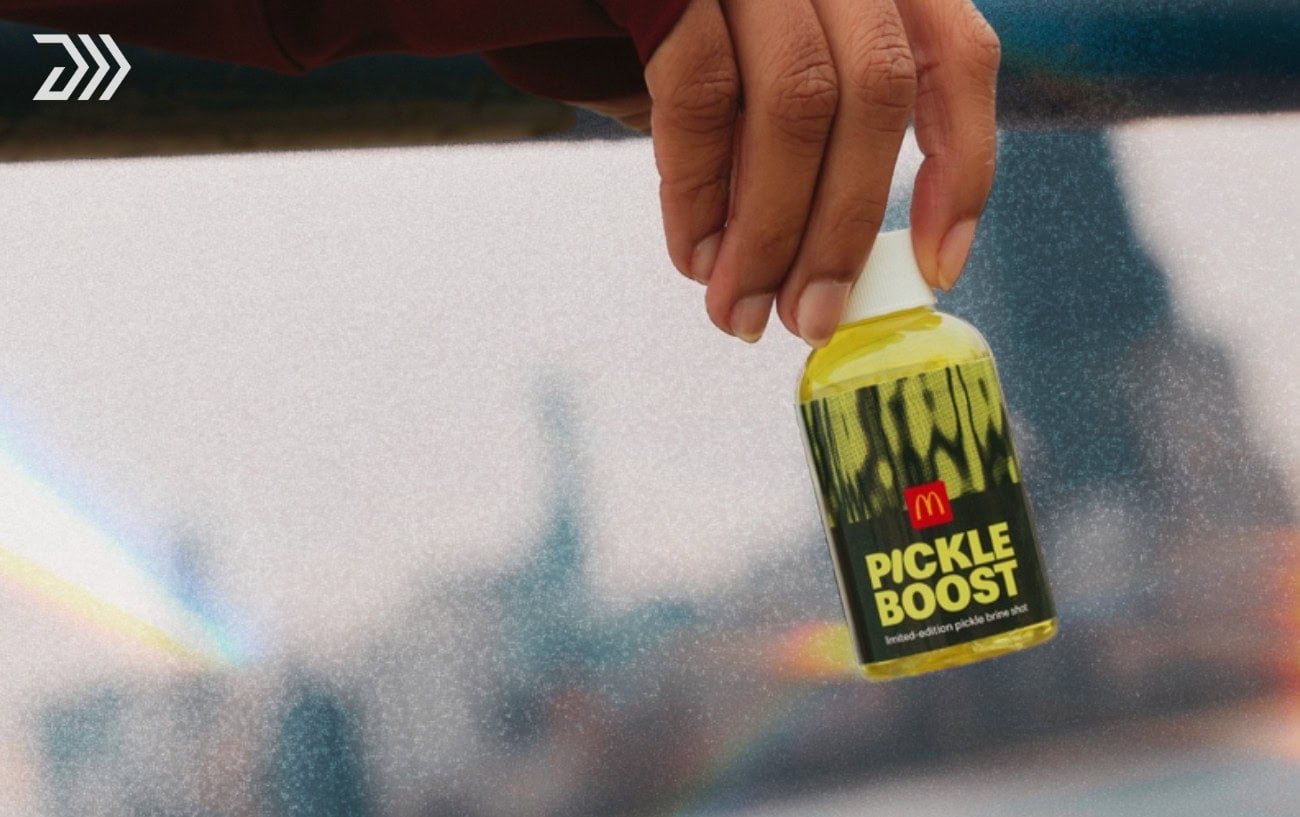
Pickle Boost, as McDonald’s is calling it, is the juice its pickles are packed in, poured into bottles for the occasion. The company announced it on Monday with one group very much in mind, the runners who already reach for pickle juice when cramps hit, and the bottles are free while supplies last.
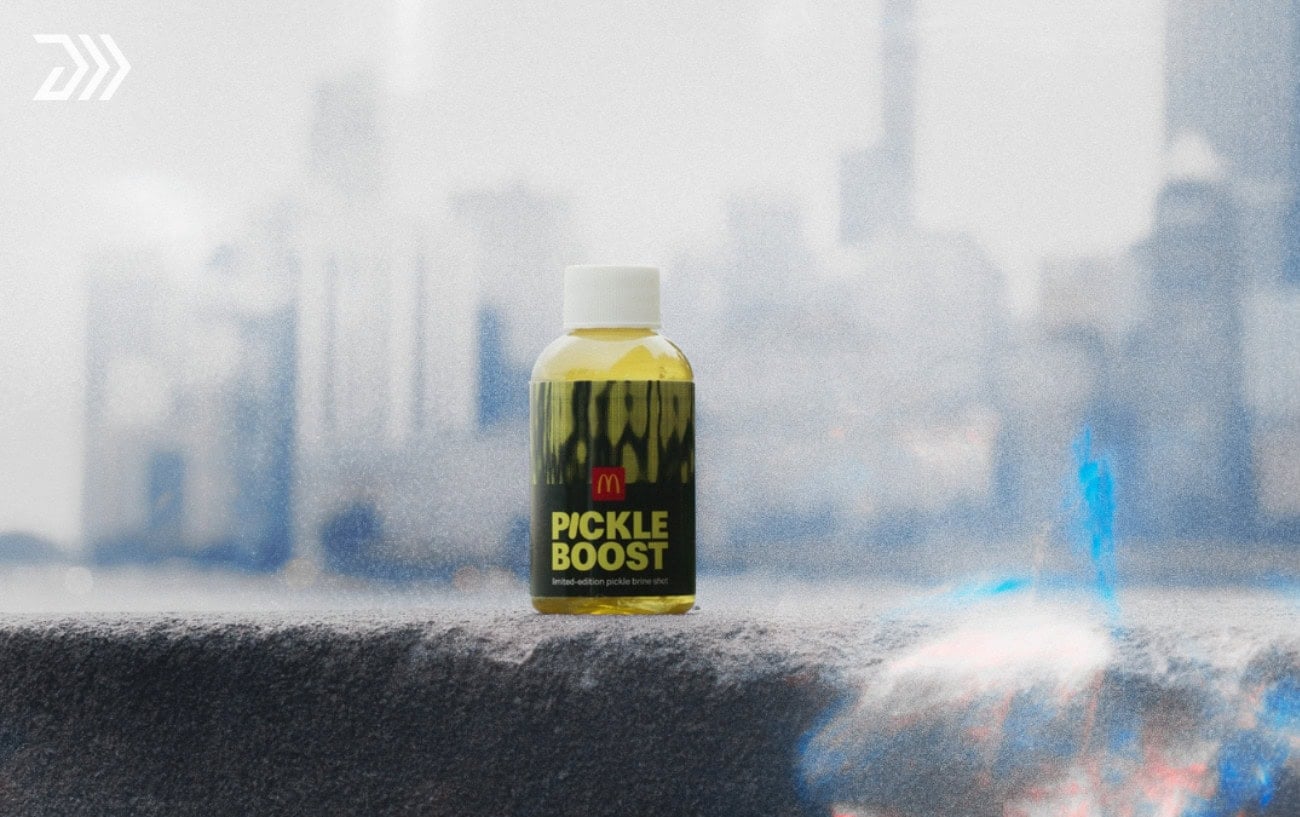
The first handout is on Friday, Oct. 9, from 7 a.m. to 1 p.m. CT at 2401 N. Lake Shore Drive on the Lakefront Trail, timed for people out on a shakeout run. On race day, Oct. 11, five restaurants will give two bottles to each runner or spectator who stops by between 7 a.m. and 3 p.m., and every one of them sits on or right beside the course. The one at 203 N. LaSalle St. is just before the race’s third crossing of the Chicago River, about 3 miles in, while the restaurants at 2635 N. Clark St. and 1563 N. Wells St. are on the stretch where runners head back south through Lincoln Park and Old Town, at around 9.5 and 11 miles. The one at 207 E. 35th St. is on the corner where the field turns north at the bottom of the loop, a little after 23 miles. Our mile-by-mile course guide has every turn in between.
The fifth is the company’s flagship at 600 N. Clark St. in River North, which fills the whole block back to LaSalle Street, where the field passes early in the race. McDonald’s is a Chicago company, with its headquarters in the city’s Fulton Market district since 2018, and it is pitching the drink at spectators as much as runners. “Whether you’re a runner or a spectator, meet us at these locations and you can grab two bottles for ‘a quick boost, pre-race perk or victory lap,’ on us,” the release says.
Athletes have been drinking pickle juice for cramps for years, and there is some lab work behind the habit. For a 2010 study in Medicine & Science in Sports & Exercise, Kevin Miller and colleagues had 10 men exercise in the heat until they were dehydrated, and then brought on a cramp in the flexor hallucis brevis, a small muscle under the big toe, by stimulating the tibial nerve. After a shot of pickle juice of about 74 milliliters (2.5 ounces), the cramps lasted 85 seconds on average, compared with 134 seconds when the same men drank water.
Their blood plasma, though, was back where it started within five minutes of the drink, and the researchers argued that the brine could not have left the stomach quickly enough for its electrolytes to explain the effect. Their best explanation was a reflex set off by receptors in the oropharynx, at the back of the mouth and throat. Miller said of a separate study on blood changes after drinking pickle juice, in a North Dakota State University release, that “it is unlikely that pickle juice relieves cramps during exercise by changing plasma variables.” On that evidence, a bottle looks more useful for a cramp that is already under way than for loading up on sodium the night before, and our guide to pickle juice for cramps covers the wider research, including a study in which electrolyte levels stayed put.
McDonald’s has not said how big the bottles are, how much sodium is in them or whether Pickle Boost will be around once the weekend is over. Pickle juice won’t be at any of the 20 official aid stations on the course, which hand out water and lemon-lime Gatorade from the 7:30 a.m. CT start on Sunday.
RunClub
Get more running stories — join RunClub
Daily running news, a community of 300,000+ runners, free training plans for every distance, and a daily running game. Free to join — no card.
Already a member? Log in →


Start the conversation