


If you’re a distance runner whose training has stalled — slower paces, heavier breathing, recoveries that just won’t take — there’s a strong chance the cause is something most doctors miss: low iron.
Iron deficiency is the most common performance-killing condition in distance runners, and it’s also the most under-recognized. Women are at especially high risk, but men aren’t off the hook either.
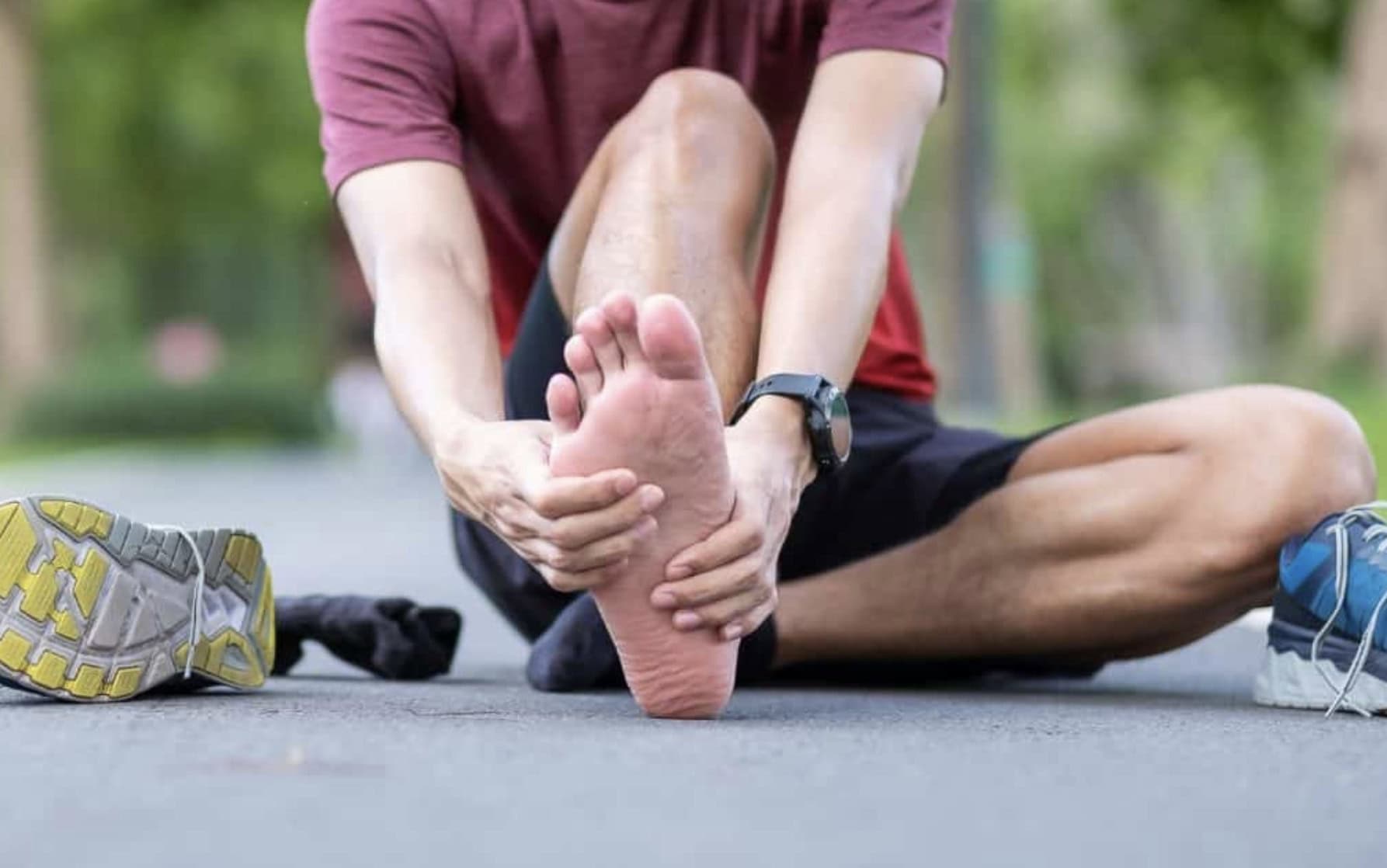
Runners are vulnerable for three reasons that stack on top of each other: every time your foot hits the ground, a small number of red blood cells get destroyed in your feet; endurance training itself quietly drains iron through your gut; and for women, periods add another monthly loss on top.
A standard GP check often misses the runner-specific version of all of this — many athletes are told “everything looks fine” when, for someone training hard, it really isn’t.
We walk you through what runners actually need to know about iron — when to test, what numbers matter, and how to make sense of the results.

Iron Deficiency in Runners
#1: Why Distance Runners Are At Unusually High Risk Of Iron Deficiency
Three running-specific mechanisms compound: (1) foot-strike hemolysis — repeated impact destroys red blood cells in the foot vasculature, releasing iron that’s partly excreted; (2) GI iron loss — endurance training elevates GI permeability and produces small amounts of GI bleeding; (3) hepcidin elevation — exercise-induced inflammation raises hepcidin, which blocks iron absorption from the gut for hours after hard sessions.1Sim M, Garvican-Lewis LA, Cox GR, et al. Iron considerations for the athlete: A narrative review. European Journal of Applied Physiology. 2019;119(7):1463–1478..
Female runners stack menstrual blood loss on top. The reported prevalence varies depending on which ferritin threshold is used (definitions range from <15 to <30 ng/mL), but most studies put roughly 30–50% of female endurance runners and 5–15% of male endurance runners below a clinically meaningful ferritin threshold.
#2: Why Ferritin Matters More Than Hemoglobin
Standard GP iron panels measure hemoglobin (full clinical anemia) but often miss ferritin (iron stores). For runners, ferritin matters more — performance and recovery degrade at ferritin 20–30 ng/mL well before hemoglobin drops out of normal range.
This pattern — low ferritin, normal hemoglobin, symptomatic — is now recognized in sports medicine as iron-deficient non-anemic (IDNA), and it’s the form of iron deficiency most often seen in trained distance runners.
Peeling et al. and the consensus among sport-medicine practitioners: target ferritin >30 ng/mL minimum, ideally 50+ ng/mL for hard-training distance runners.2Peeling P, Dawson B, Goodman C, Landers G, Trinder D. Athletic induced iron deficiency: New insights into the role of inflammation, cytokines and hormones. European Journal of Applied Physiology. 2008;103(4):381–391.. If your GP says “iron is fine” because hemoglobin is normal, ask specifically for ferritin.

#3: Symptoms: What Iron Deficiency Actually Feels Like
Iron deficiency presents in runners as: unexplained fatigue at training paces that previously felt easy, elevated RPE at fixed paces, slower recovery between sessions, performance plateau or regression despite consistent training, brittle nails, increased hair shedding, and (if more advanced) shortness of breath at rest or unusual paleness.
These symptoms overlap heavily with general overtraining, but the distinguishing pattern is a performance-related complaint at relatively normal training loads. If you were running well three weeks ago and not now, ferritin is the cheapest diagnostic to check first.
#4: Iron Supplementation: How to Take Iron So It Actually Works
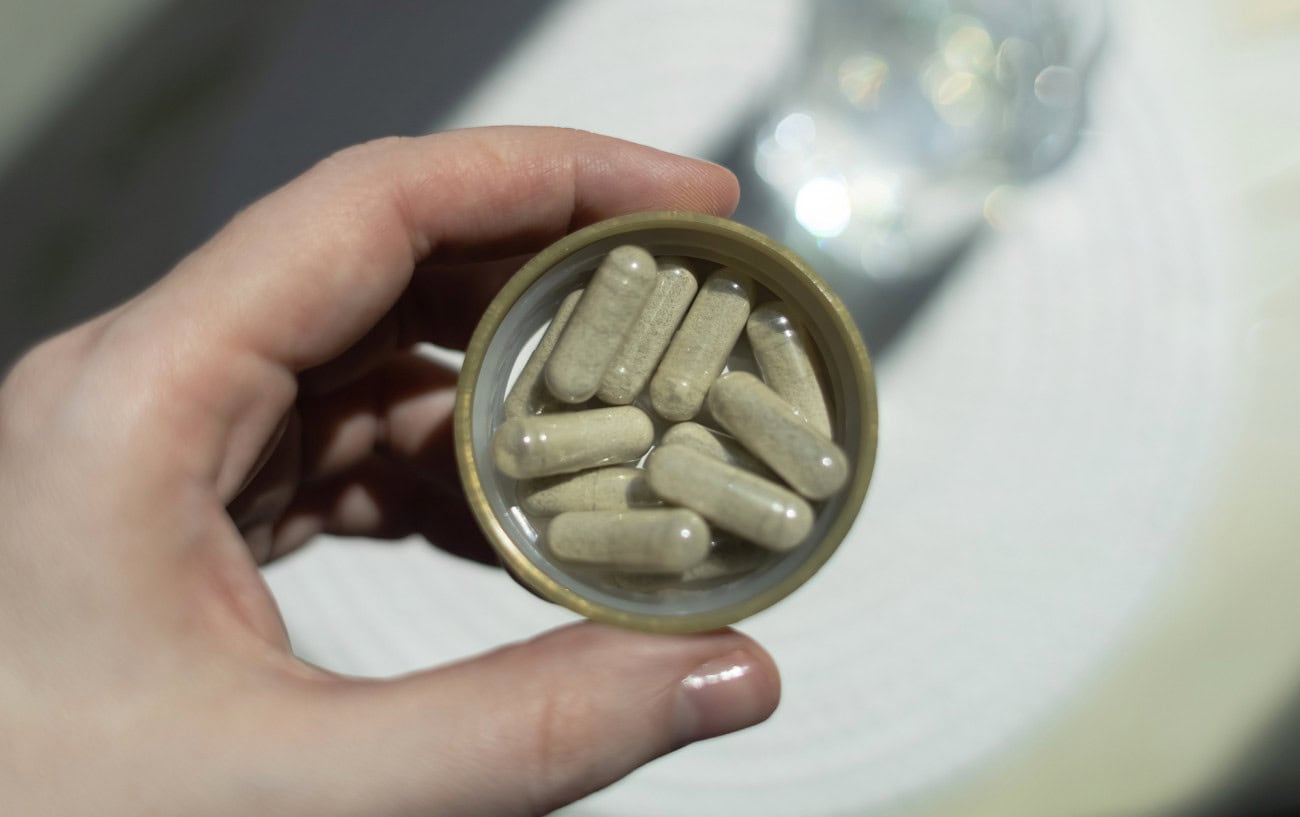
For diagnosed deficiency, the current consensus protocol is 60–120 mg elemental iron every other day for mild-to-moderate deficiency, with higher doses (up to 200 mg) reserved for more severe cases. Every-other-day dosing is actually more effective than daily dosing because daily dosing elevates hepcidin and reduces absorption of subsequent doses (Stoffel et al.). Take with vitamin C (orange juice, 250 mg supplement) to enhance absorption.
Timing matters: hepcidin has a diurnal rhythm and is lowest in the early morning, so taking iron first thing — ideally before a morning training session — is often the most absorption-friendly window. If you train hard later in the day, take iron either in the morning or at least 3 hours after the session, since exercise-induced hepcidin blocks absorption for hours post-exercise.
Common GI side effects (constipation, nausea, dark stool) affect 20–30% of users. Bisglycinate forms are gentler than ferrous sulfate. Track symptoms and re-test ferritin after 8–12 weeks.
5. When To Test, Retest, And Refer
Test ferritin at the start of each training block (every 4–6 months). For symptomatic runners, test sooner. Females with heavy menstrual flow should test 2× per year minimum.
After supplementation, retest at 8–12 weeks. If ferritin remains low after a 12-week oral supplementation course, refer to a hematologist or sports physician — there may be a separate cause (GI bleeding, malabsorption), and in athletes who don’t respond to oral iron, intravenous iron is increasingly used in sports medicine settings as the next step.
Don’t self-supplement iron long-term without testing — iron overload (hemochromatosis) is rare but serious.
When NOT To Supplement (And Why More Isn’t Better)
If your ferritin is in a healthy range, more iron is not better — it’s a risk. Excess iron is pro-oxidant, meaning it can drive the kind of oxidative stress that endurance training already creates plenty of.
Recent research has also flagged that oral iron supplements can shift the gut microbiome in ways that favor pathogenic bacteria over beneficial ones, particularly when taken in higher doses or for prolonged periods.
And because iron is something most bacteria need to thrive, supplementing during an active infection can actually feed the infection rather than help your recovery — most sports physicians will pause iron during illness.
The rule of thumb: supplement only when testing shows you need to, stop when ferritin is restored, and retest before you assume you still need it. Iron is a tool to fix a measurable problem, not a daily insurance policy.
Frequently Asked Questions
What ferritin level should runners target?
The clinical cutoff for “deficient” is below 30 ng/mL (UK) or as low as 15 ng/mL in some US labs. For trained distance runners, sport-medicine practitioners typically target >50 ng/mL as a performance threshold, with elite athletes often aiming for 80+ ng/mL. Below 20 ng/mL is associated with measurable performance and recovery decline.
Should runners take iron supplements as prevention?
No, not without testing. Iron overload is real (hemochromatosis affects ~1 in 200–300 of European descent), and excess iron is pro-oxidant. Test ferritin before supplementing, and only supplement if levels are low. Most runners with normal ferritin can maintain levels through diet (red meat, lentils, dark leafy greens, fortified grains).
Why do female runners need more iron?
Menstruation adds significant iron loss on top of the running-specific losses (foot-strike hemolysis, GI loss, hepcidin elevation). Heavy menstrual flow plus high-volume training is the worst-case combination. Premenopausal female endurance runners often need 18+ mg/day of dietary iron, vs 8 mg/day for men. Postmenopausal women revert to lower needs.

Should I take iron with food?
The standard advice (with food to reduce GI side effects) hurts absorption. The current best protocol: take iron with vitamin C on an empty stomach if you can tolerate it; if not, with a small amount of food. Avoid taking iron with calcium (dairy), tea, or coffee — these inhibit absorption.
How long does it take iron supplementation to work?
Hemoglobin recovery is faster than ferritin recovery. Symptomatic improvement (energy, training tolerance) often arrives at 4–6 weeks. Ferritin recovery to >50 ng/mL typically takes 8–12 weeks at moderate every-other-day dosing. Re-test at 8–12 weeks to confirm; some runners need 16+ weeks for ferritin to fully restore.
References
RunClub — Free
Join 300,000+ runners in RunClub
Free training plans for every distance, a daily running game, exclusive coaching content, and a real community of runners. Create your free account in 20 seconds — no card.
Already a member? Log in →






Start the conversation