


Reviewed by Thomas Watson, RRCA-certified running coach & Marathon Handbook founder.
Key Takeaways
Running with allergies is manageable with the right protocol — track pollen counts, time your runs to mornings (lowest pollen), use antihistamines preemptively, rinse your face and shower after, and consider indoor running on high-count days. Most allergic runners stay symptom-free with these adjustments.
After a long winter of bundling up and trudging through sloppy miles on slushy and snowy roads during cold, dark mornings, there’s nothing more invigorating and enticing to a runner than the prospect of enjoying warm spring runs.
The springtime lighting is beautiful, whether you’re an early morning runner or hit the roads or trails after work before the sun sets. Once the spring thaw is complete, green grass, budding trees, and flowers of every color start cropping up and painting the world with beautiful colors.
However, as wonderful as running in the spring can feel, if you suffer from seasonal allergies, springtime training can pose a whole different set of challenges.
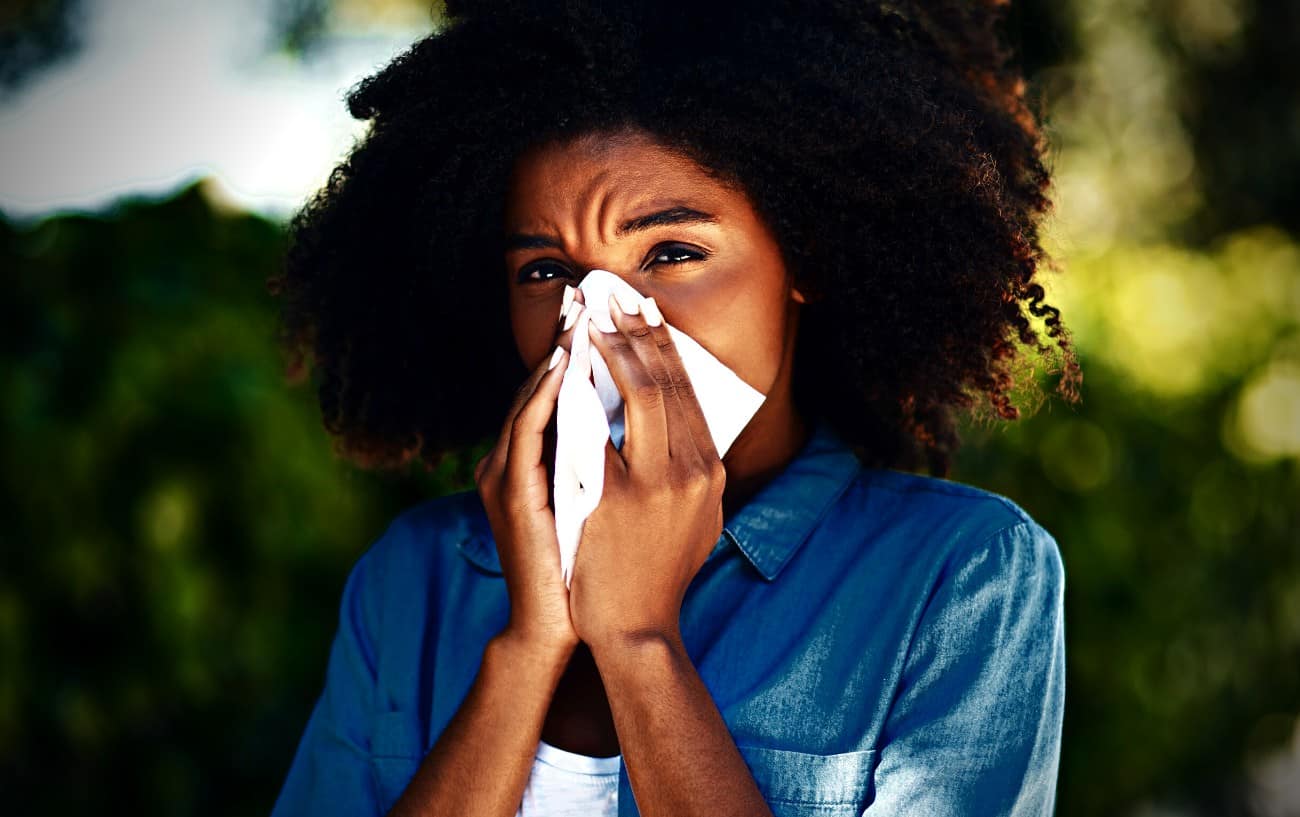
Running with allergies can be uncomfortable. Between sneezing, wheezing, itchy or runny eyes, and other symptoms of hay fever, it can be impossible to get your miles in. In this guide, we will discuss the challenges of running with allergies and tips for how to keep running when your allergies flare up.
We will look at:
- What Causes Seasonal Allergies?
- Is It Safe to Run With Seasonal Allergies?
- Tips for Running With Allergies
Let’s get started!

What Causes Seasonal Allergies?
By definition, seasonal allergies, also referred to as hay fever, occur only during certain times of the year—mainly the spring, summer, and/or fall—depending on the particular environmental triggers the individual is allergic to.
According to the Merck Manual, the primary pollens that trigger seasonal allergies in the spring are from:
- Trees such as oak, elm, alder, birch, beech, poplar, ash, and olive.
- Grasses, such as Bermuda, timothy, sweet vernal, orchard, and Johnson grass.
- Weeds, such as Russian thistle and English plantain.
Finally, seasonal allergies in the fall are mostly due to pollen from ragweed.
The American College of Allergy, Asthma, & Immunology notes that like other types of allergies, seasonal allergies develop when your immune system overreacts to pollen, or some other environmental trigger.
Management of seasonal allergies symptoms can include corticosteroid nasal sprays, antihistamines, eye drops, and decongestants.

Is It Safe to Run With Seasonal Allergies?
Some runners worry that it’s not safe or advisable to run with seasonal allergies. After all, the symptoms of allergies can mimic those of a bad cold—if not worse—and some healthcare professionals advise not to run when you are sick.
There’s no right or wrong, definitive answer to whether you should run outside if you have seasonal allergies. You’ll have to use your judgment or consult your allergist for individualized recommendations.
However, in general, it is safe to run outside with seasonal allergies, provided you don’t have a fever. That said, if you have asthma or find that running exacerbates your seasonal allergy symptoms, it might behoove you to run indoors or take the day off.
Exercise tends to trigger certain seasonal allergy symptoms and the inflammation and bronchoconstriction that induce asthma attacks. This is due to the fact that during physical activity, you’re breathing more heavily, which not only inhales and inspires more pollen and allergy triggers, but also causes a constriction of the sinuses and lungs.
If outdoor running flares your allergies and causes significant wheezing, coughing, bronchoconstriction, or difficulty breathing, it’s safer to run indoors or wait for the pollen counts to drop before running outside.
Tips for Running With Allergies
If you’re eager to stick with your training program despite your seasonal allergies, here are some tips for running with allergies:
#1: Monitor Pollen Counts
Most weather apps and websites report the hourly pollen counts, and it’s useful to monitor the metric and plan your workouts accordingly. Runners with seasonal allergies should try to run when the pollen counts are lowest.
If you know your specific seasonal allergy triggers, you can further tailor your running schedule to Mother Nature. Pollen from trees and grasses tend to peak in the evening hours, whereas ragweed is high in the morning.
Pollen from trees is abundant from March to May, pollen from grasses is highest during May and June, while ragweed pollen is prevalent in the late summer and early fall.
Therefore, running in the middle of the day, or in the early morning in the spring and evening in the summer can help avoid these peak pollen counts.
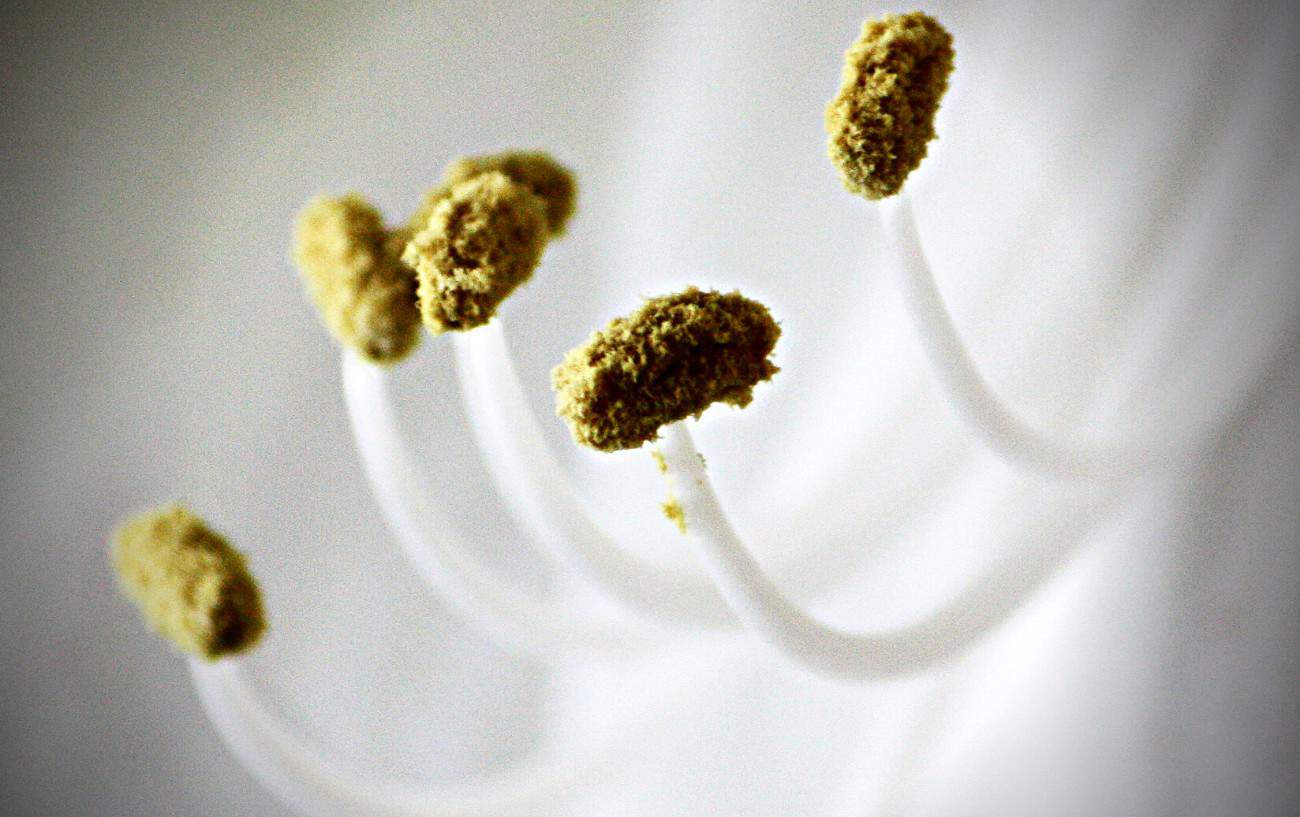
Personal sensitivity to pollen counts can vary between runners, so it can be useful to learn what pollen counts trigger your symptoms. For example, you might start experiencing allergy symptoms when you’re running when the pollen count is as low as 20-25 grains per cubic meter, or you might have a higher tolerance.
Once you know your pollen count threshold, you can avoid running outside when pollen counts exceed this level.
#2: Use the Weather to Your Advantage
While you’re on the weather app stalking the pollen counts, check the actual weather forecast.
Pollen counts are usually highest on dry, windy days, so it might be wise to run indoors on these days or at least plan to do your easy runs rather than speed workouts, tempo runs, or long runs.
Running with allergies is also challenging after heavy downpours or prolonged rainy stretches because rain can destroy the integrity of pollen spores, breaking them into tiny particles that are easily inhaled. Mold spores also become airborne from rain.
A very light rain or drizzle can have the opposite effect and can be a good time to go running with allergies. In these cases, the rain can gently wash away some of the pollen and decrease the pollen count.

#3: Take Allergy Medication
Work with your allergist or healthcare provider to find a good prescription or over-the-counter allergy medication.
Some of these medications can provide significant symptom relief and can make running with allergies more workable.
Keep in mind that certain ingredients in seasonal allergy medications may be banned, so if you’re a competitive runner, check the World Anti-Doping Agency’s list of banned substances prior to beginning a new medication.
#4: Cover Your Orifices
Many people find runny or itchy eyes to be one of the most bothersome symptoms when running with allergies. Tearing eyes makes it hard to see and constantly rubbing and scratching them while trying to run fast is very frustrating.
Wearing tight, wraparound running sunglasses can help minimize the exposure of your eyes to pollen, which can reduce swelling, itching, and tearing.
A light face mask or bandana over the nose and mouth can also help block pollen from entering your sinuses and airways. Breathing through a mask can also warm the air before it hits your airways, reducing constriction of your passages.

#5: Shower Right Away
As soon as you’re back from your run, take a shower and put on clean clothes. This minimizes the effects of any lingering allergens on your body, so you can have a better run the next day.
#6: Listen to Your Body
Use effort rather than pace to guide your efforts.
Listen to your breathing, and note any signs of an allergies flaring or any impending asthma attack (if you also have asthma), such as wheezing, coughing, sneezing, itching, and trouble breathing.
#7: Wear a Visor or Cap
Wearing a hat or visor with a brim can help keep airborne pollen from falling into your eyes and can block pollen from drifting down into the vicinity of your nose and mouth, reducing the amount of pollen that gets into your body.

#8: Run On the Treadmill
Although running outside on a beautiful spring day certainly seems more appealing than logging your miles stuck inside on a treadmill, if your seasonal allergies are flaring or the pollen counts are high, avoiding exposing yourself to the outdoor air can allow you to get your run in without exacerbating your allergies.
#9: Breathe Through Your Nose
Research indicates that runners should optimally inhale and exhale through the nose while running, or at least inhale through the nose and exhale through the mouth. However, it’s not uncommon for runners to breathe in and out through the mouth.
However, if you’re running with allergies, it’s even more important to inhale through your nose because the nasal passages filter the inspired air and can help trap inhaled pollen before it gets to your lungs.
Do you have seasonal allergies? What are your tips for running with allergies?
If you also have asthma, you can take a look at our Running With Asthma Guide for tips and tricks to run more comfortably.

Frequently Asked Questions
Can I run with allergies?
Yes — most allergic runners can train consistently with the right adjustments. The keys are tracking pollen forecasts, timing runs strategically (early morning is usually the low-pollen window), using antihistamines proactively, and rinsing off afterward.
What is the best time of day to run with allergies?
Early morning, typically 5-10am. Pollen counts are usually lowest in early morning and after rain. Avoid running in late afternoon (peak pollen release) and on windy days.
Do antihistamines affect running performance?
Most second-generation antihistamines (loratadine, cetirizine, fexofenadine) do not affect running performance and are safe for daily use. First-generation antihistamines like diphenhydramine cause drowsiness and impair performance.
Should I wear a mask while running with allergies?
A mask can reduce pollen exposure but also affects breathing efficiency. For severe allergy sufferers on high-pollen days, a thin breathable mask or buff helps. Most runners do better with antihistamines plus a post-run face rinse.
Can running make my allergies worse?
During the run, deep breathing exposes you to more allergens than light activity does. But long-term, regular runners typically have less severe allergy symptoms than sedentary people — exercise dampens immune over-reaction over time.
Related Reading
- Running With Asthma: 12 Tips
- Headache After Working Out? 5 Causes
- Bloated After Running? 7 Causes
- Side Stitch While Running? Causes + Fixes
- How To Prevent Running Injuries
RunClub — Free
Join 300,000+ runners in RunClub
Free training plans for every distance, a daily running game, exclusive coaching content, and a real community of runners. Create your free account in 20 seconds — no card.
Already a member? Log in →










Start the conversation