


Nearly half a year after they raced through the streets of Soweto, the top finishers of one of South Africa’s biggest marathons have not received a cent of the prize money they were promised.
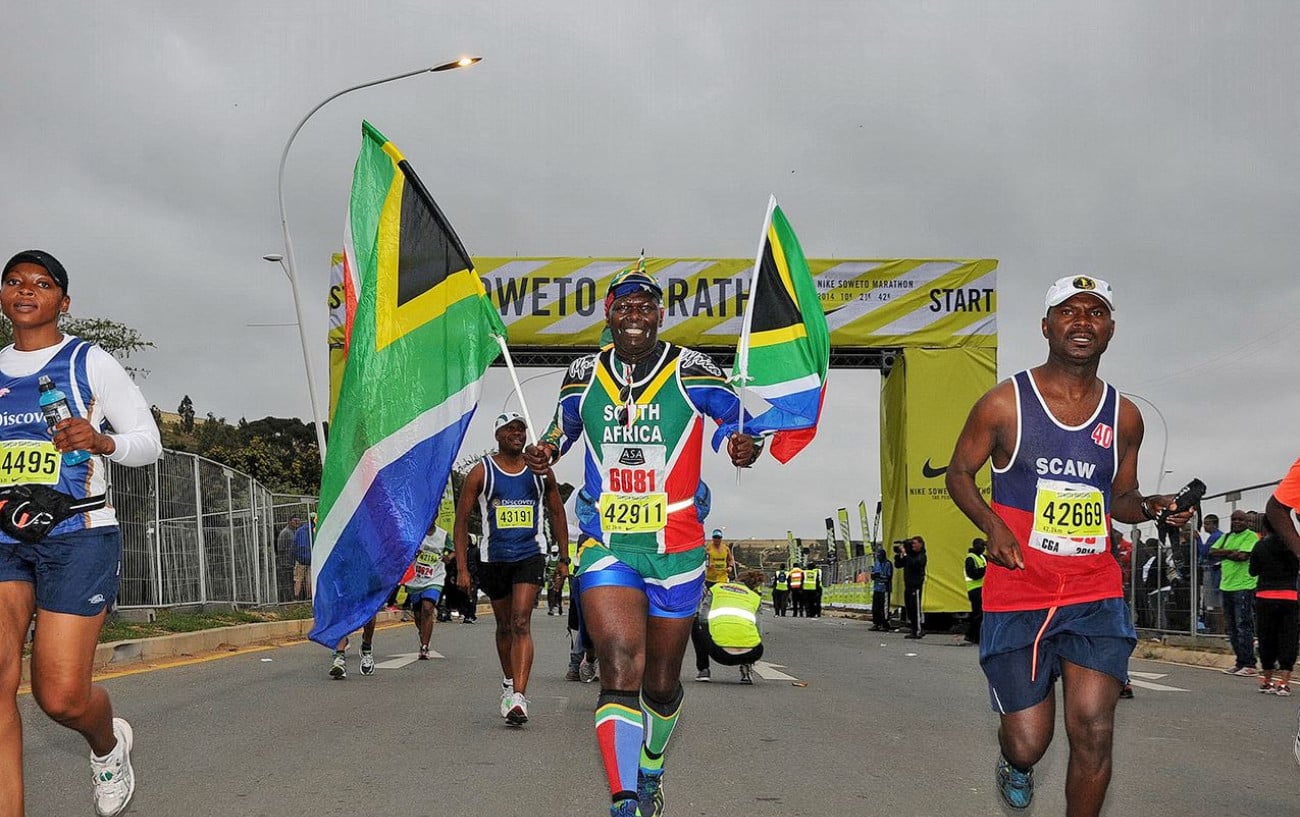
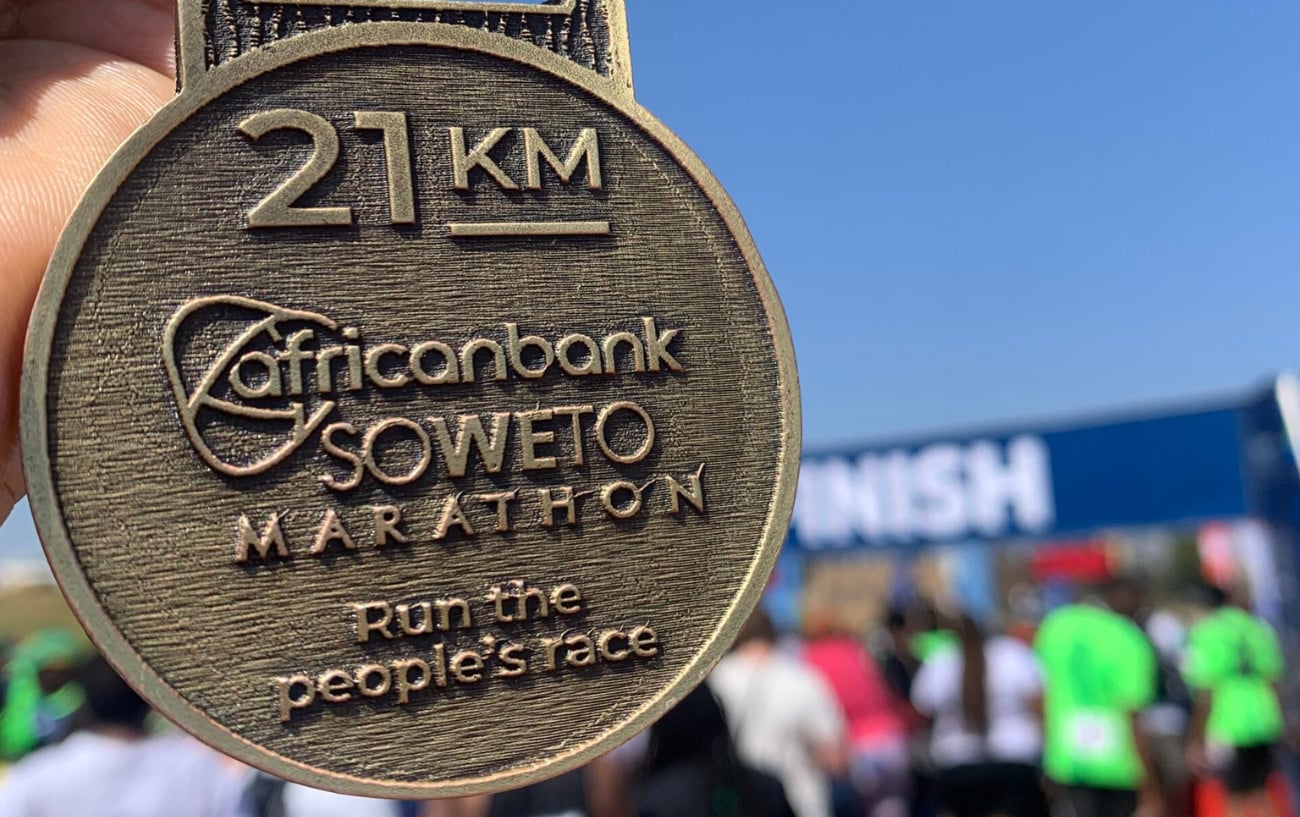
The 2025 Soweto Marathon, known as the “People’s Race,” was run on 29 November. The men’s and women’s winners were each owed R250,000 (about $15,000). Runners-up were owed R120,000 (about $7,000). Six months later, the cheques have not arrived.
South African road running star Gerda Steyn, who finished third on her Soweto debut, confirmed on Metro FM in April that she was still waiting.
“Sadly, I have not received the prize money as yet. There is very little communication to us athletes. So, it is really so, so disappointing.”
Gerda Steyn, on Metro FM
Steyn also spelled out what the missed payment costs a professional athlete. “Training towards the Soweto Marathon, it is not just the loss of prize money, but it’s also the loss of making income in other places. I had to say no to various other races around the world to focus on the Soweto Marathon but then walk away with nothing to show for it, even though I finished on the podiums.”
A Race With No Payday
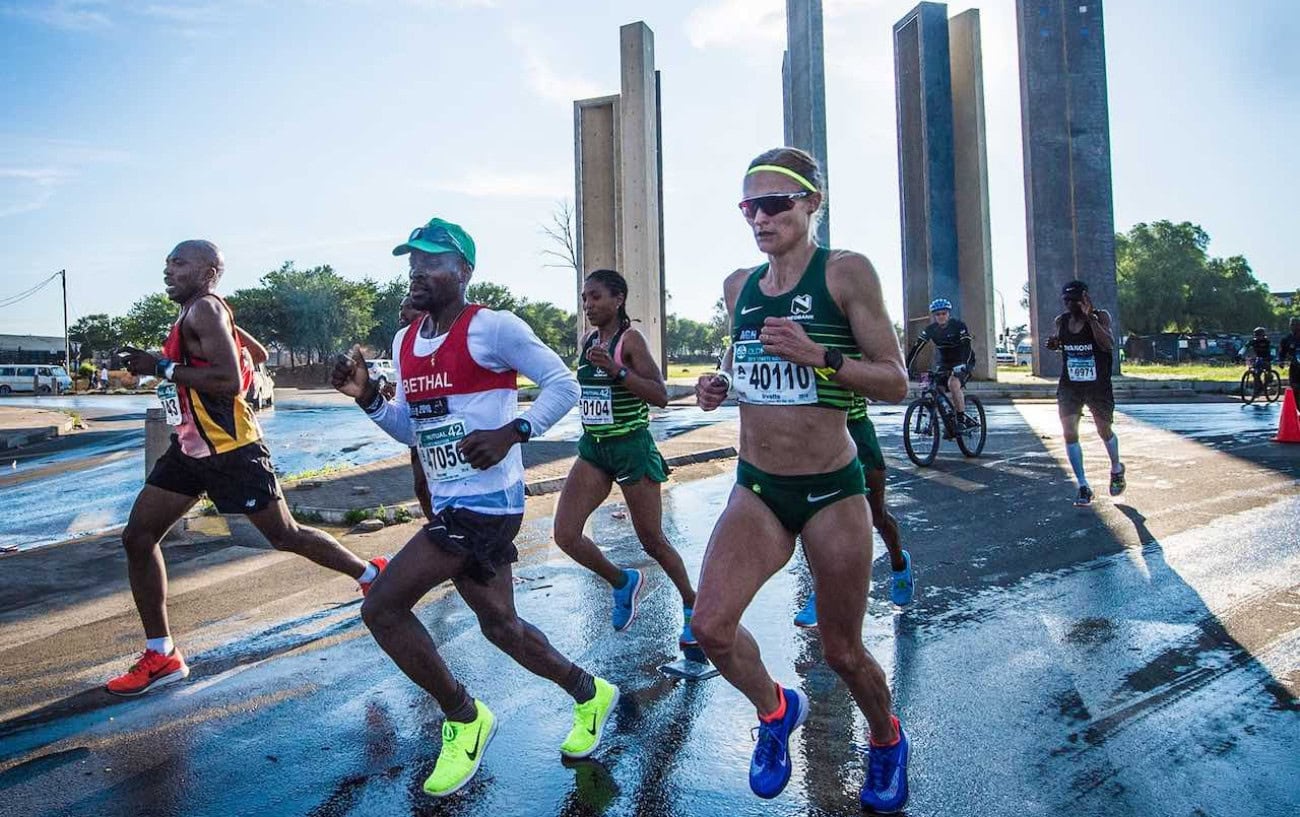
The men’s race was won by Lesotho’s Joseph Seutloali in 2:20:09, ahead of South Africa’s Ntsindiso Mphakathi and Onalenna Khonkhobe. Kenya’s Margaret Jepchumba won the women’s race, ahead of Elizabeth Mokoloma and Steyn. None of them have been paid.
The 2025 race was organised by the Soweto Marathon Non-Profit Company. Its spokesperson, Jabu Mbuli, told the SABC in January that the delay was down to outstanding doping test results. “We cannot process payments until the results are officially released to us,” Mbuli said.
That explanation collapsed when Daily Maverick called the chief executive of the South African Institute for Drug Free Sport, Khalid Galant.
“Are you kidding me? They still haven’t been paid? They used us as an excuse about a month ago, and they told everyone we hadn’t given them the results. We gave them the results in mid-January.”
Khalid Galant, CEO, South African Institute for Drug Free Sport
The race’s headline sponsor, African Bank, has confirmed it transferred all required funds, including prize money, to the non-profit company. The doping clearance excuse was effectively dead in the water by mid-January.
Coaches Demand Answers
Andrew Booyens, who coaches Seutloali and Steyn, has been pressing Central Gauteng Athletics for documentation about the race permit and the entities responsible.
“CGA should take full responsibility. A road race cannot be held without issuing a permit for the race,” Booyens said. “We’ve asked CGA for all these things… they can’t produce it to us.”
Khonkhobe’s coach Pio Mpolokeng described an information blackout. Communication was constant before the race, he said. Once the prize money was due, it stopped. “They don’t answer our calls anymore and we don’t know who is the relevant person we have to call.”
Manfred Seidler, elite manager of Hollywood Athletics Club, told SportsBoom the club has had no updates since February. The club has withdrawn its athletes from future Soweto Marathons. “Our elite athletes are professionals who dedicate their careers to running,” Seidler said. “The prize money from races is a major contributor to their livelihoods.”
CGA Pulls the Race From Its Calendar
Central Gauteng Athletics, the provincial body that sanctioned the event, has now de-sanctioned the race. Under its rules, athletes are supposed to be paid within 14 days of the race or as soon as doping results are released. Neither has happened.
“There is no justification of not paying the athletes and in the process contravening our rules and regulations,” CGA general manager Mandla Radebe said. CGA has also blocked any future race applications from the current organising structure.
Radebe confirmed that no financial guarantees, including prize money guarantees, were required of the organisers before the race was sanctioned. That kind of oversight gap stands in sharp contrast to how the big international fields are handled, where prize purses are paid out on race week.
Government Steps In
South Africa’s Minister of Sports, Arts and Culture, Gayton McKenzie, told Sunday World his department was taking over the race, paying the winners, and pursuing criminal charges.
“We are also going to open criminal cases against the organisers who disappeared and stole that money. We cannot have athletes run and they cannot get paid.”
Gayton McKenzie, Minister of Sports, Arts and Culture
He repeated the message at a 12 May press conference. If money has to be redirected from other projects to pay the runners, he said, it will be. “As a minister, I cannot sit back and one of the greatest athletes, Gerda Steyn, has not been paid her money.”
McKenzie also flagged the reputational damage. “You do not want people running the Comrades Marathon to be scared to come to SA because we are known as a country that does not pay.”
CGA has warned that a government takeover could put the race’s standing with World Athletics at risk, which requires national federations to remain independent of political interference.
This is not the first time. The 2024 Mpumalanga Marathon advertised a R1 million (about $61,000) prize purse and has not paid its winners, Tadu Nare and Jobo Khatoane, either. Athletics South Africa suspended that race, and it has not been held since.
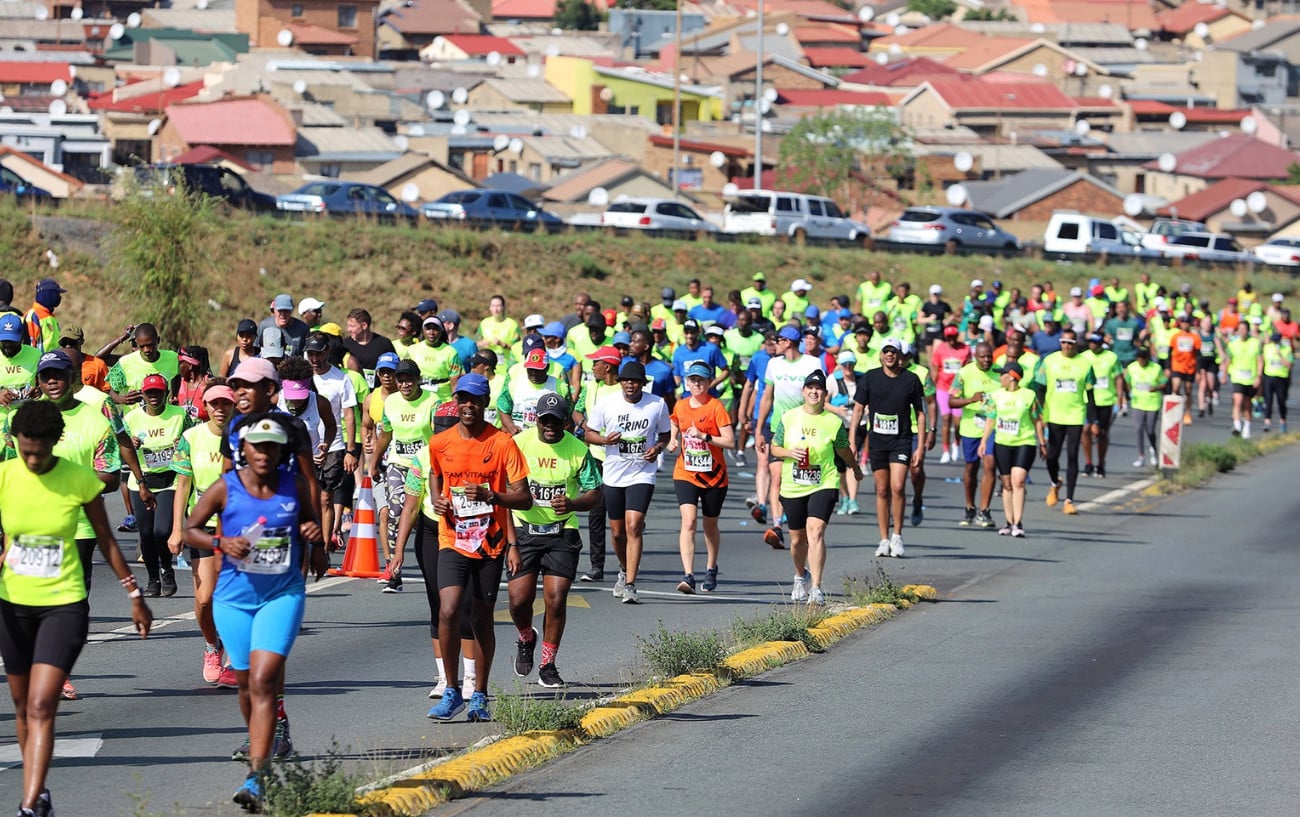
The Soweto Marathon attracts more than 15,000 runners and sits behind only the Comrades and Two Oceans as a fixture on the South African calendar. Whether its 2025 winners are eventually paid, and whether the race survives the year, is now a question for the courts, the police, and a sports minister who has put himself on the hook in public.
RunClub
Get more running stories — join RunClub
Daily running news, a community of 300,000+ runners, free training plans for every distance, and a daily running game. Free to join — no card.
Already a member? Log in →




Start the conversation