


The Snowdonia Trail Marathon Eryri and the Yr Wyddfa 24 have been cancelled over dangerous heat, organizer Always Aim High Events announced, after on-course monitoring recorded temperatures of up to 34°C. The call came late on Friday, 10 July, following a final safety meeting, with the decision made at 7 p.m. and participants told at 7:30.
In its official statement, the organizer said the meeting weighed reports from its on-mountain safety team, partner agencies, the event Medical Director, and high-resolution forecasts covering air temperature, wind, UV, and humidity. The forecast itself hadn’t changed, but reality outran it: “on-course monitoring identified actual temperatures that were higher than predicted, with readings of up to 34°C.”
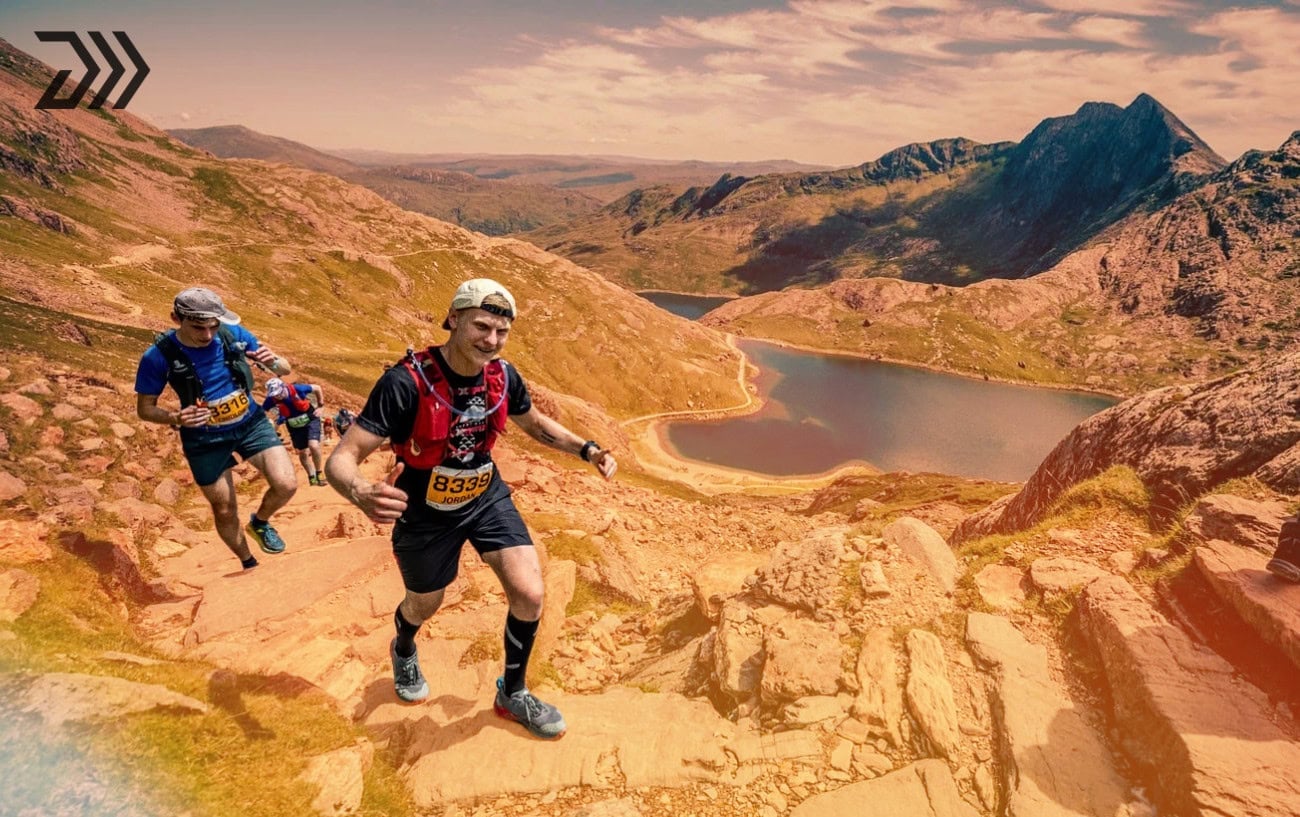
Why Heat Is So Dangerous On A Mountain Course
The Medical Director’s central concern was exertional heat illness, which the organizer explained develops when the body can’t shed the heat it generates during prolonged effort, with risk climbing the longer and harder you go. In severe cases, rapid cooling is essential to survival.
That is exactly what a remote course makes hard. “Given the remote nature of the course, the time required to access and evacuate participants, and the additional pressure that would be placed on emergency services, the ability to respond effectively to multiple heat-related casualties would be significantly challenged,” the statement read. Crucially, the organizer stressed the assessment was about the risks of a mass-participation event, “rather than the capabilities of individuals.” One fit runner might cope; hundreds strung across Yr Wyddfa’s flanks in 34°C heat is a different calculation entirely.
Part Of A Brutal Summer For Racing
Snowdonia joins a growing list. Europe’s record-breaking 2026 heat has already forced IRONMAN to cancel its Nice race and cut Frankfurt to a half, and emergency services across the continent have logged record call volumes on the hottest days. Organizers increasingly lean on the wet bulb globe temperature, a measure that folds humidity and solar radiation into the reading, because it captures how punishing conditions actually feel to a working body far better than air temperature alone.
For runners, the takeaway isn’t complicated, even if it stings when it’s your race: heat is the single biggest environmental threat to endurance athletes, and 34°C on an exposed climb is squarely in the territory where even trained bodies stop being able to cope. A cancelled race is a disappointment. A mountainside full of heatstroke cases is a catastrophe.
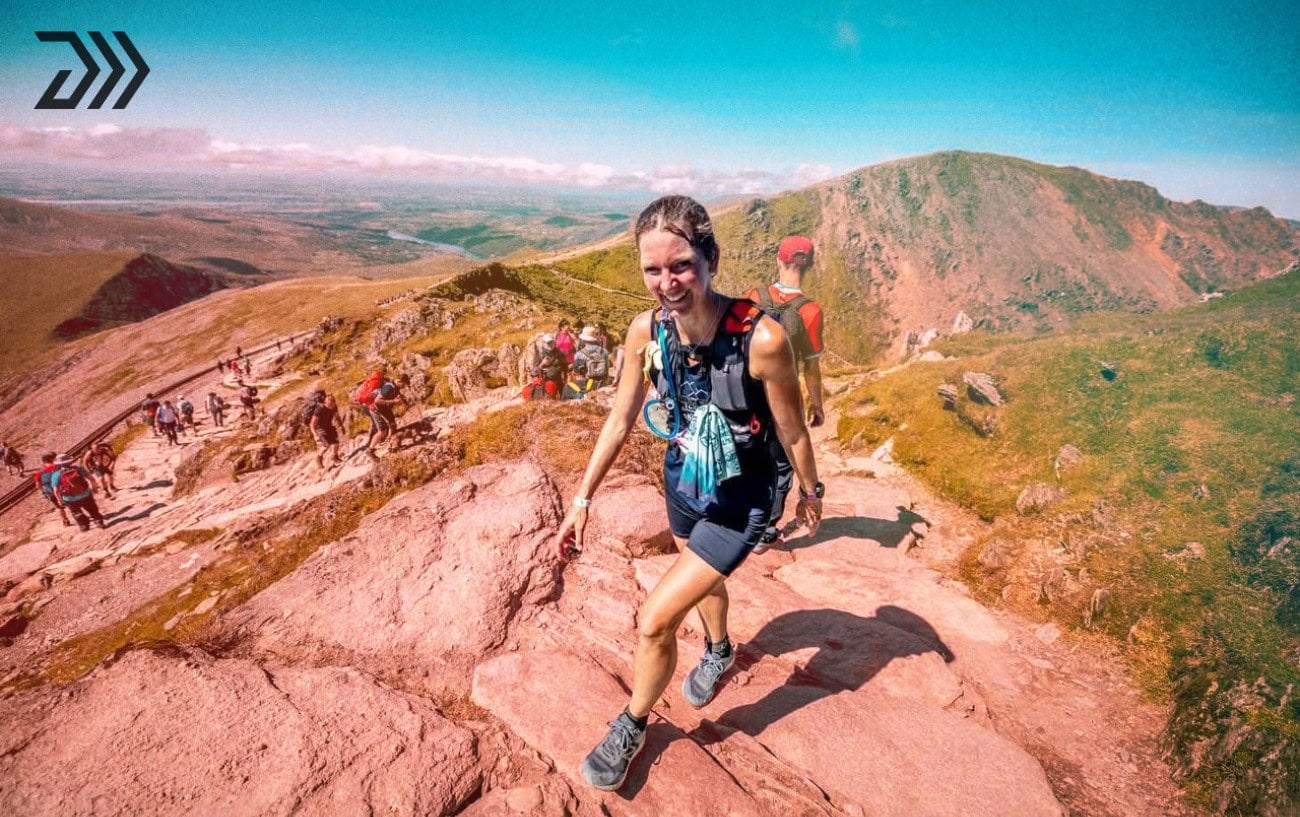
What Happens Now
Always Aim High called it “a safety-led decision made in the best interests of all those involved.” The organizer has not yet detailed refunds, deferrals, or a possible rescheduling in its initial statement; affected runners should watch its channels for follow-up. For the thousands who tapered for months to race in the shadow of Wales’ highest peak, it’s a bitter result, but a defensible one.
RunClub
Get more running stories — join RunClub
Daily running news, a community of 300,000+ runners, free training plans for every distance, and a daily running game. Free to join — no card.
Already a member? Log in →












Start the conversation