Track athletes don’t usually show up in financial rankings alongside tennis superstars and WNBA icons. So when Forbes released its 2025 list of the world’s highest-paid female athletes, and Sydney McLaughlin-Levrone appeared tied for 18th, it was a pretty huge win for the running world.
She earned an estimated $8.2 million over the past year. That figure alone puts her in rare company for her sport, and apparently, all female athletes. But the details behind it tell a much more revealing story.
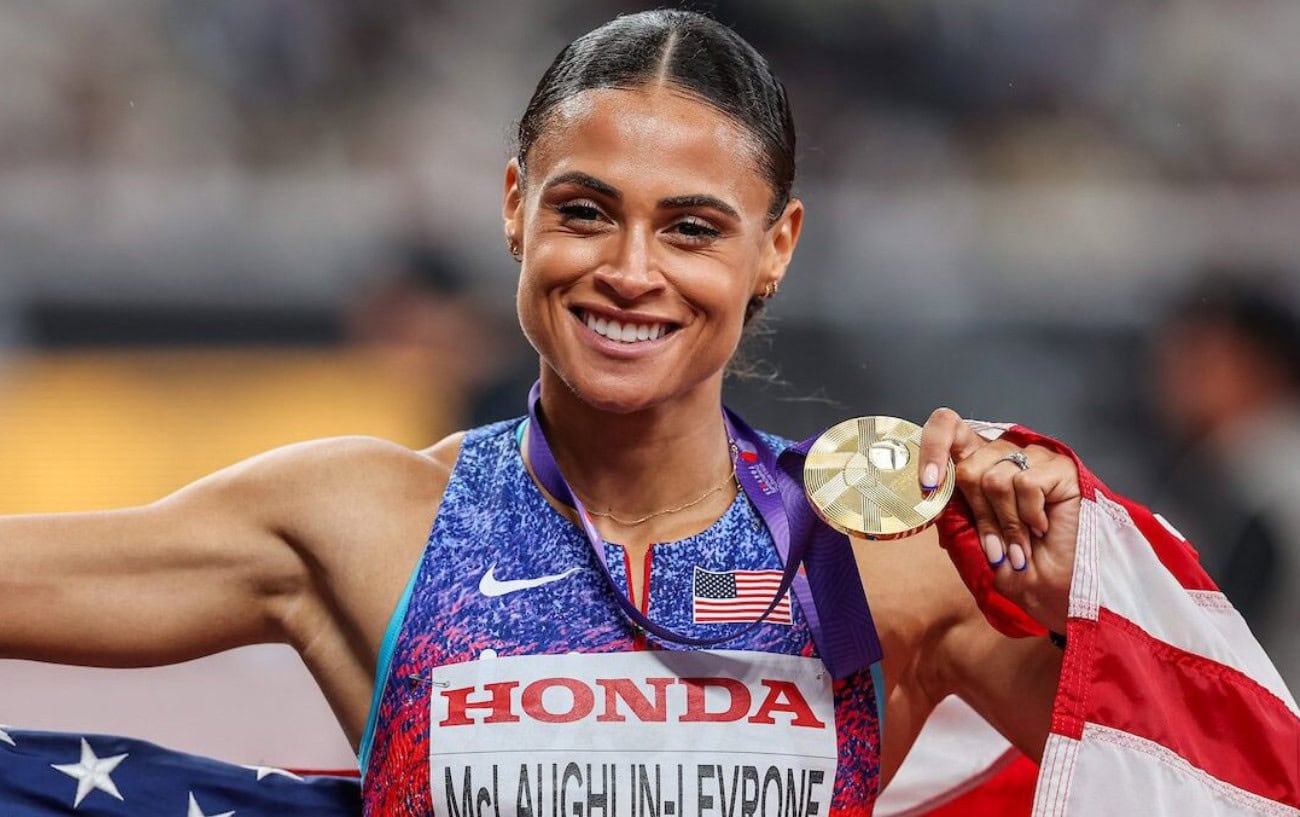
Only about $200,000 of McLaughlin-Levrone’s earnings came from racing. Prize money. Appearance fees. The parts of the job that are supposed to reward winning. The remaining $8 million came from endorsements.
For the most dominant female track athlete in the world, the imbalance is not subtle. It is structural.
Track and field remains one of the most-watched sports on the planet once every four years, yet one of the least capable of paying its stars in the years between. McLaughlin-Levrone’s ranking doesn’t signal that athletics has solved that problem. It shows how thoroughly athletes still have to work around it.
She earned her place on the list because brands see value where the sport itself does not consistently provide it.

Why a generational track star still relies on endorsements
McLaughlin-Levrone’s resume is about as strong as it gets in the sport.
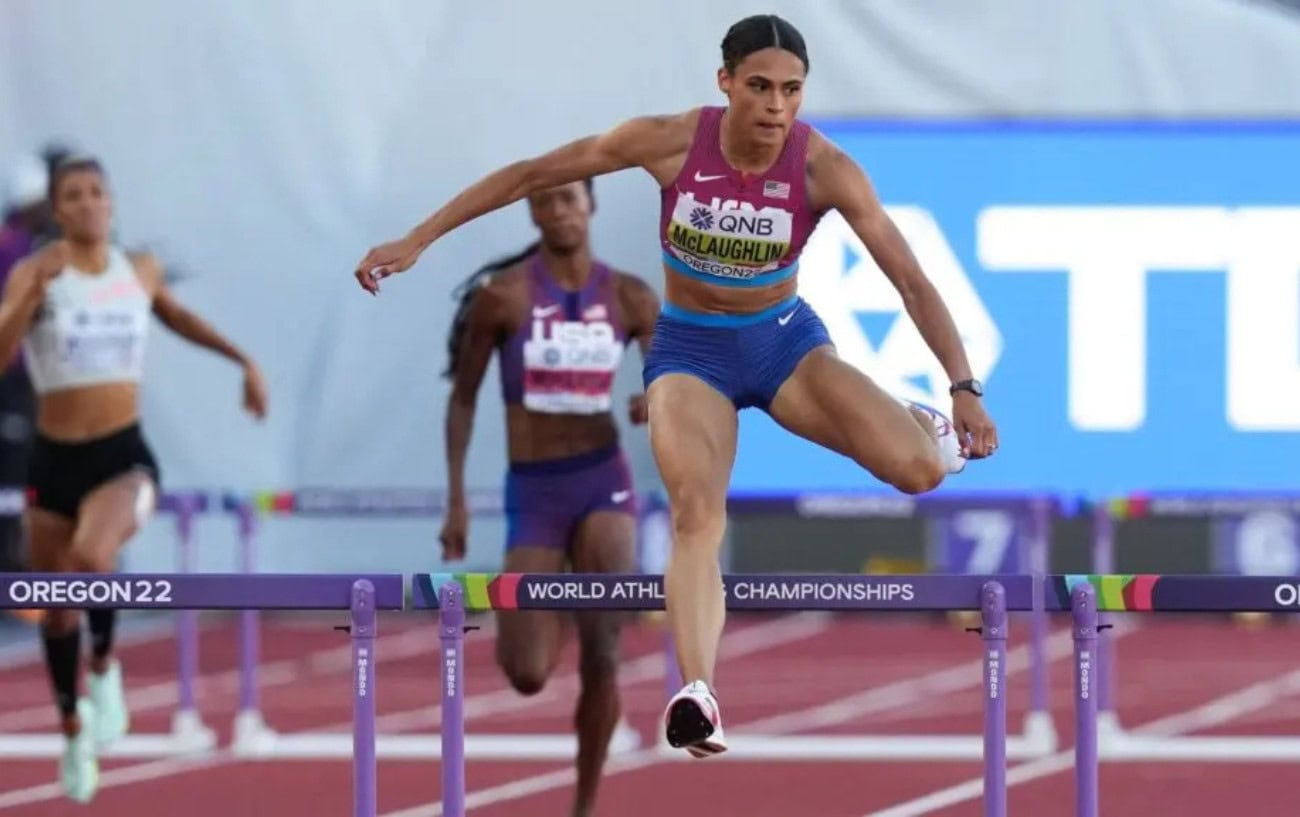
She owns the world record in the 400-meter hurdles and has reset it multiple times. At the World Athletics Championships in September, she stepped away from that event and won gold in the 400 meters instead, running 47.78 seconds, a time that put a 40-year-old world record within reach in an event that isn’t her primary discipline.
World Athletics even named her Female Athlete of the Year.
Financially, that season translated into roughly $200,000 in on-track earnings.
That number is not out of the ordinary. It reflects how track and field is built. Prize money remains modest even at the highest levels. Appearance fees are inconsistent and rarely transparent. Broadcast revenue is fragmented. Outside of the Olympics, the sport struggles to turn attention into income for athletes.
This year’s collapse of Grand Slam Track really showed that that is the reality. The league promised a new pay structure and bigger checks, but like many ambitious track ventures before it, it failed to create a sustainable economic base. Even for athletes at the top, stability remains elusive.
McLaughlin-Levrone’s income instead comes from brands that operate far beyond the sport’s internal economy. Gatorade, Neutrogena, and TAG Heuer aren’t betting on track meets. They’re betting on her.
She offers something the sport itself rarely does: consistency. She races sparingly but when she does, holy moly. She wins. She avoids controversy. She communicates well. In a landscape where visibility is everything, she’s dependable.
That dependability is what turns into money.
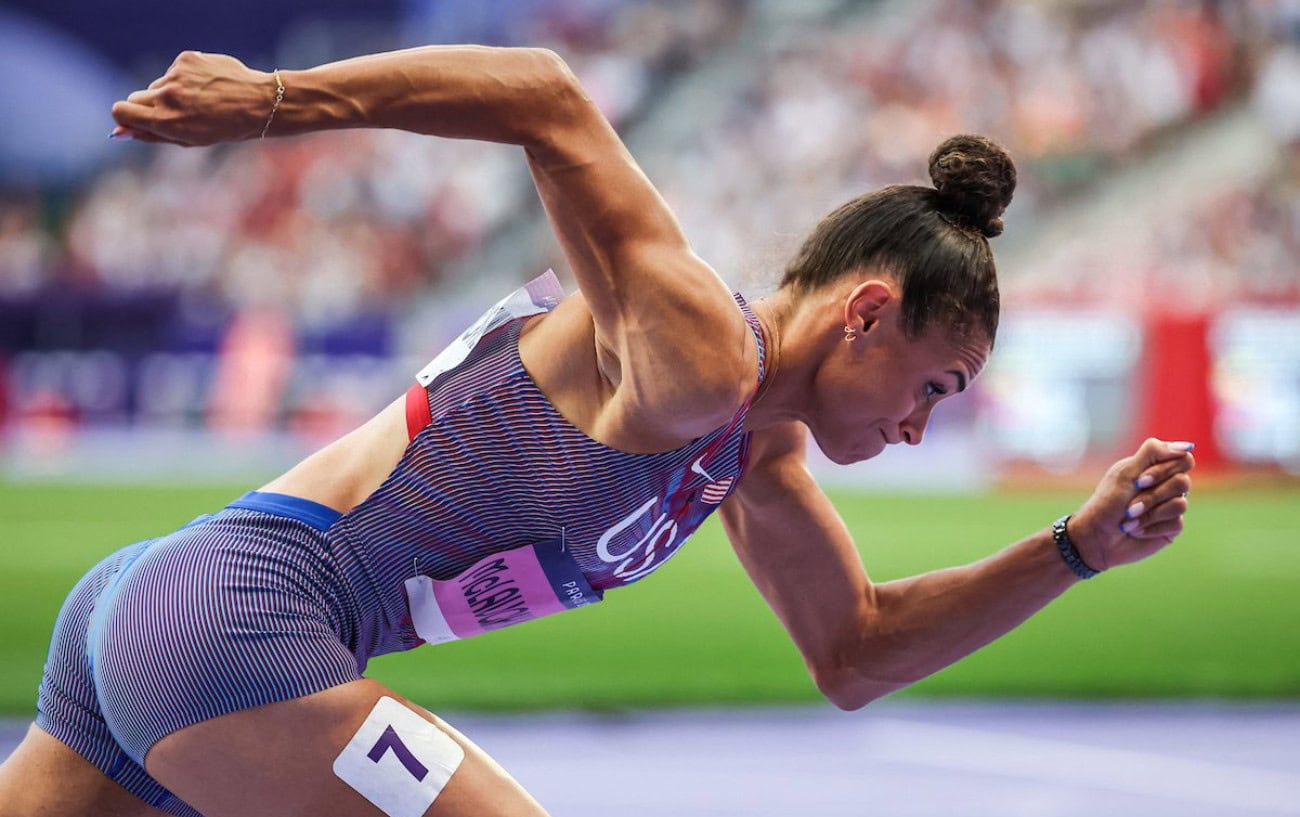
The pay gap isn’t abstract. It’s visible in every number.
Zoom out from McLaughlin-Levrone and the broader picture sharpens quickly.
The 20 highest-paid female athletes earned a combined $293 million in 2025. The top 20 men earned more than $2.3 billion. The cutoff to make Forbes’ top 50 overall list this year was $53.6 million, more than six times McLaughlin-Levrone’s total earnings.
But the size of the gap is only part of the story. Where the money comes from matters just as much.
For women on the Forbes list, about 72% of earnings came off the field. Endorsements. Appearances. Licensing. For men, roughly 71% of income came from salaries, bonuses, and prize money.
Men are paid primarily for performance. Women are still paid primarily for marketability.
That difference shapes everything. In men’s sports, an athlete can be polarizing, private, or commercially awkward and still earn tens of millions based on performance alone. In women’s sports, even the very best often need brand appeal to make elite earnings possible.
Track and field sits at the sharp end of that imbalance.
McLaughlin-Levrone earned less from racing all year than some male athletes make in a single game check.
Even within individual sports, the contrast is stark. Jeeno Thitikul broke LPGA records with $7.6 million in prize money this season, a figure eclipsed by dozens of male golfers across the PGA and LIV Tours.
Tennis has equal prize money at Grand Slams, but smaller events still lag, and even there, endorsement income does much of the heavy lifting.
None of this reflects a lack of excellence. It reflects where revenue flows, and where it doesn’t.
So, What Is All Of This actually telling us
There is progress. Women’s sports revenue is growing. Media deals are expanding. Prize pools are inching upward. Those changes are real, and they matter.
But McLaughlin-Levrone’s place on this list is a reminder of how conditional that progress still is.
She is the best in the world at what she does. She has global titles, world records, and mainstream recognition. Even so, the sport she represents accounts for a small fraction of her income.
Her $8.2 million year is impressive, don’t get me wrong. But it’s also revealing.
It shows that for now, the path to financial security in women’s sports still runs through endorsements, not finish lines. Until that changes, appearances like McLaughlin-Levrone’s on Forbes’ list will remain notable not because they are common, but because they are rare.