


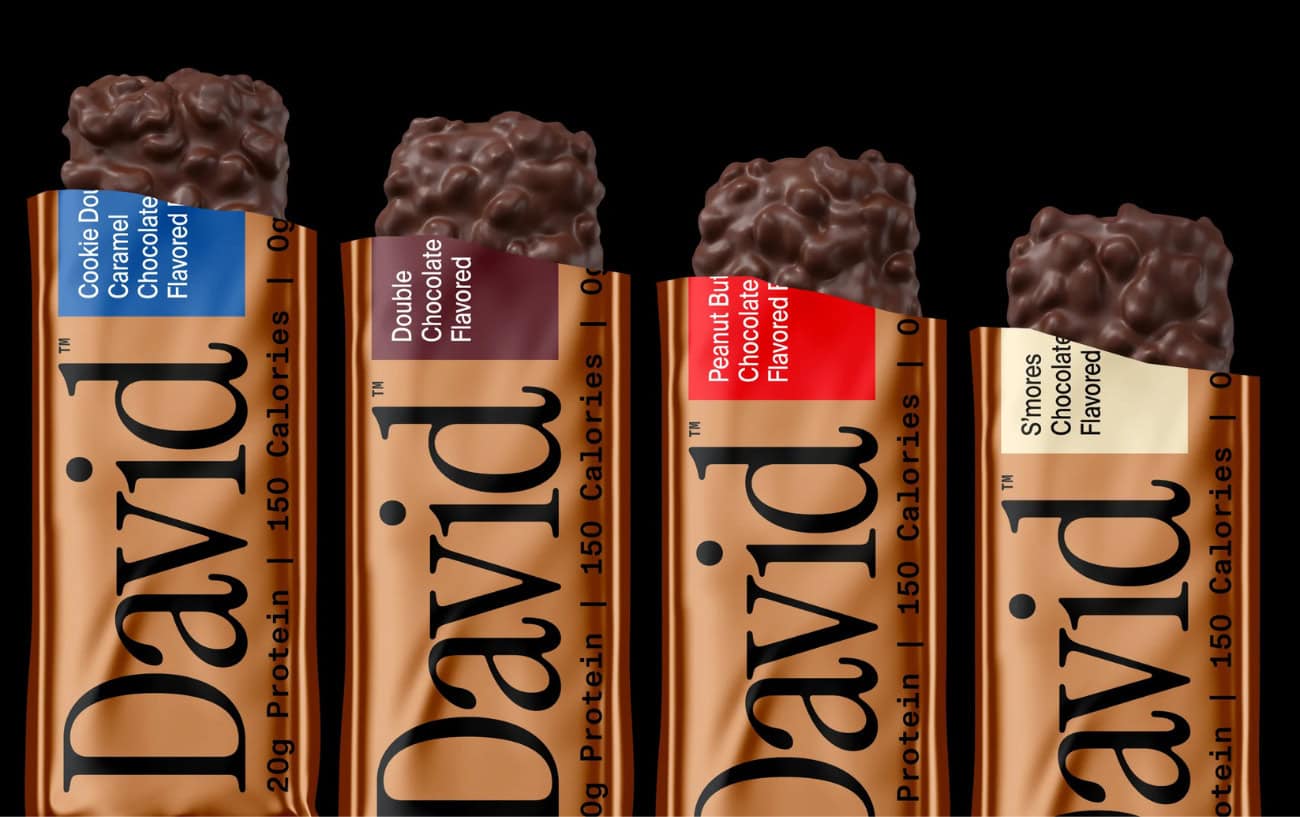
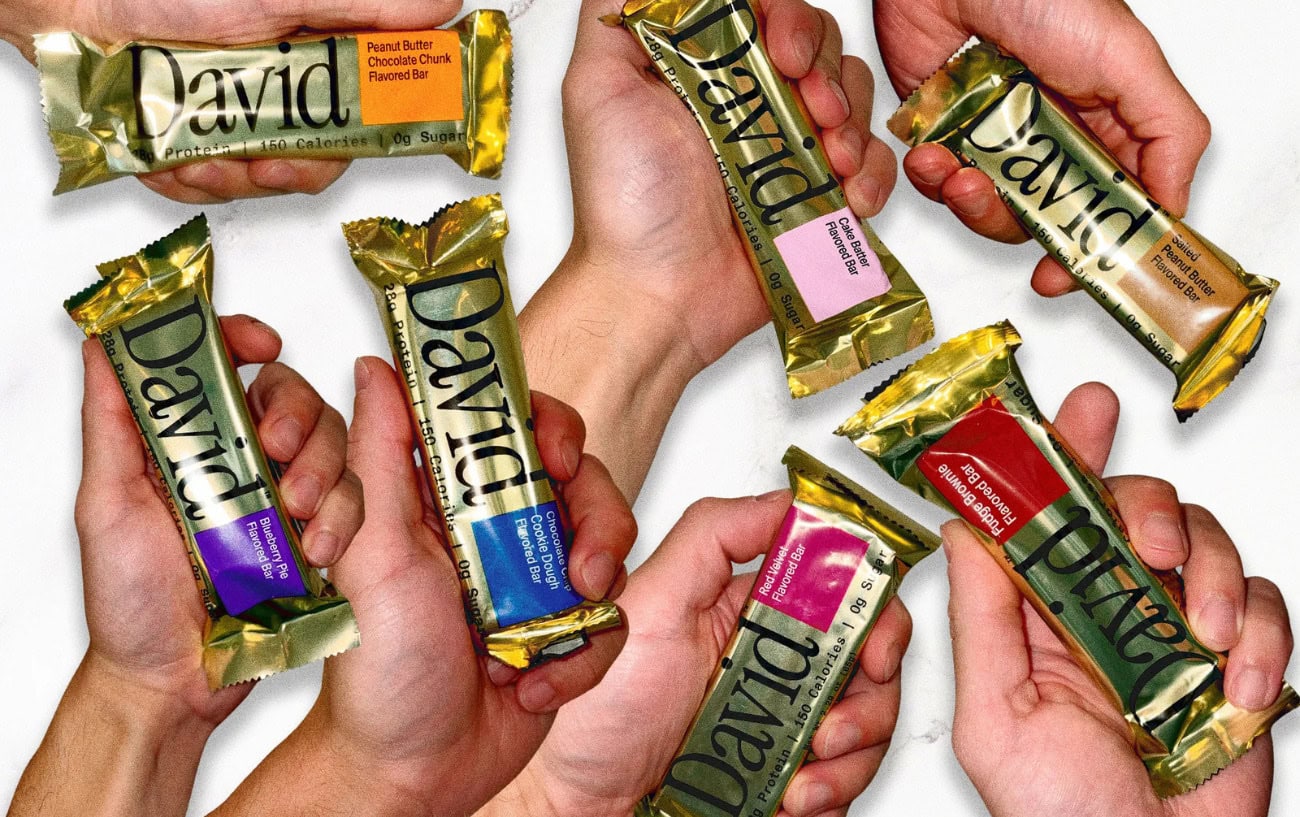
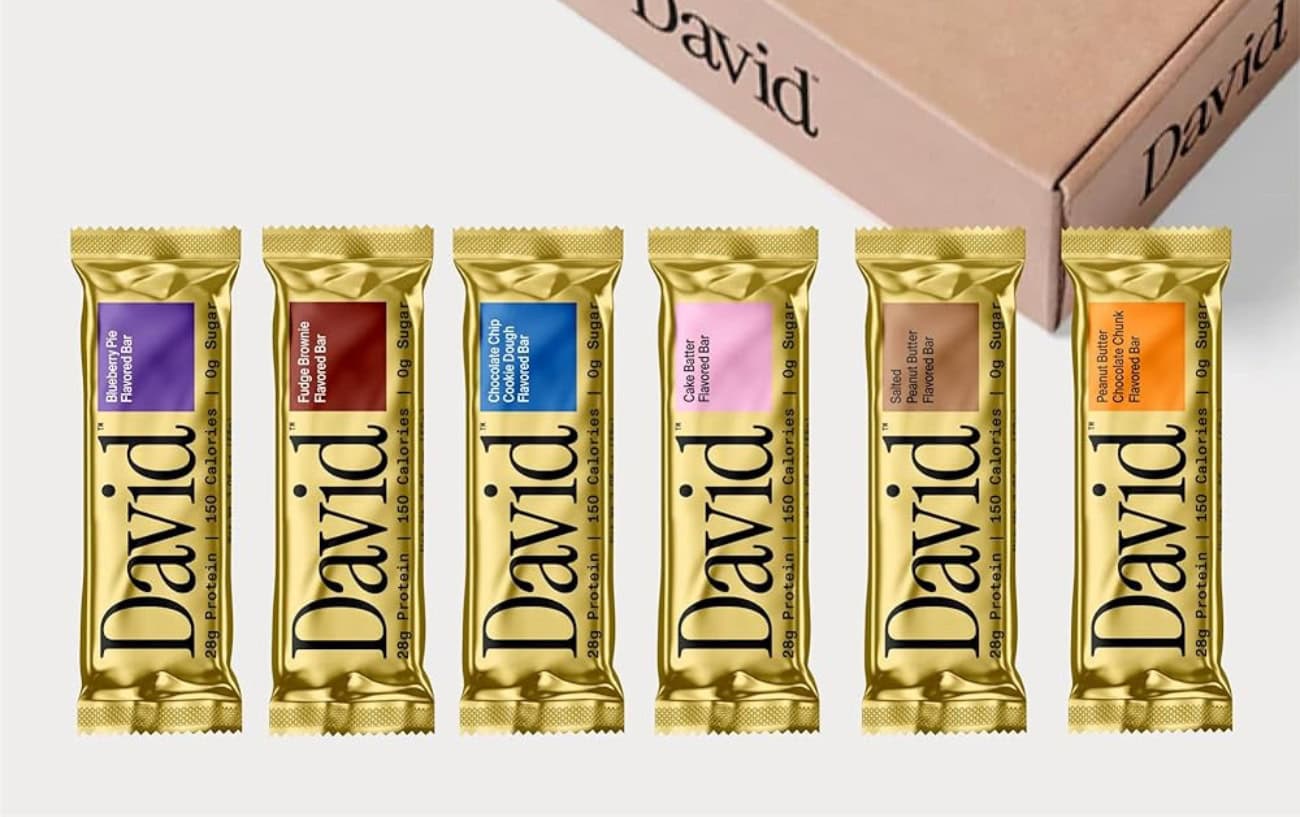
If you’ve spent any time in running or fitness circles over the past year, you know the bar. Sleek packaging, minimalist fonts, and a stat line that stops you mid-grocery-aisle: 28 grams of protein, 150 calories, zero sugar. David Protein bars became a cult product almost overnight after launching in September 2024 — the kind of thing people text their training partners about.
The problem, according to a new lawsuit, is that those numbers might be fiction.
Lead plaintiff Daniella Lopez filed a class-action complaint on January 23 in New York federal court against Linus Technologies Inc., the company behind David Protein. Two other consumers joined her. Their claim: the nutrition label on these bars is not describing the bar you’re actually eating.
What the Lab Found
The lawsuit isn’t just vibes and frustration. The plaintiffs hired an accredited, FDA-recognized laboratory to test multiple David flavors — Chocolate Chip Cookie, Cinnamon Roll, and Fudge Brownie among them. The results weren’t close.
Each bar reportedly came in between 263 and 275 calories, not the advertised 150. Fat content measured between 11.76 and 13.52 grams per bar — compared to the 2 to 2.5 grams on the label. That’s more than four times what the packaging claims.
To put the calorie discrepancy in runner terms: that’s roughly the difference between a light pre-run snack and a full bowl of oatmeal.
FDA regulations allow a maximum 20% margin above a declared nutrient value. According to the plaintiffs, David’s bars overshot that limit by 83% on calories and 400% on fat. The suit accuses the company of “unlawful and deceptive practices in labeling and marketing,” and argues that customers paid up to $4.99 per bar for a product built on claims that don’t hold up.
The Company’s Defense
Peter Rahal, David’s founder and the man who also co-created RXBar, isn’t conceding anything.
“This particular claim, among other things, fails to understand how the FDA measures the calories for EPG, one of our key ingredients,” he said in an interview with Vanity Fair. “We intend to defend this claim vigorously.”
EPG — esterified propoxylated glycerol, if you want the full mouthful — is a fat substitute that sits at the center of David’s low-calorie formula. David acquired Epogee, the company that makes EPG, last year. That deal also sparked a separate antitrust lawsuit in May from three former Epogee clients who accused Rahal of locking them out of access to the ingredient. David reportedly fired back that the clients “only have themselves to blame” for not securing their own long-term contracts. So this is not a company that shies away from a fight.
Their defense on the calorie question comes down to how EPG is measured. Standard lab testing uses a bomb calorimeter, which burns food and measures the heat released. David argues that method overcounts calories for ingredients the human body can’t fully absorb — like fiber, certain sweeteners, and EPG itself.
“Nutrition labels aren’t based on how much heat something produces when burned,” the company wrote on Instagram. “They’re based on what the human body can actually absorb and use for energy.”
They closed the statement simply: “David bar 150 calories.”
They also, somewhat memorably, posted that “no one is getting Regina George’d” — a reference to the Mean Girls plot where a character is tricked into eating calorie-dense bars disguised as diet food. The internet had already made the same joke, so at least the social media team is paying attention.
What Happens Next
The plaintiffs are seeking damages, restitution, and injunctive relief, with a jury trial on the table. Rahal, for his part, told The New Consumer he plans to launch more products this year.
The core question here isn’t really about one protein bar. It’s about whether ingredient innovation is outpacing the nutritional labeling rules that athletes rely on to make informed choices. That matters for everyone — especially runners who are precise about what they put in their bodies.
For now, if David bars have been a regular part of your training nutrition, it might be worth factoring in a little uncertainty alongside those 28 grams of protein.









0 Comments