


Two sprinters filed a lawsuit Tuesday in Massachusetts Superior Court accusing Puma and the Mercedes Formula One team of selling racing shoes with design flaws that caused career-altering injuries.
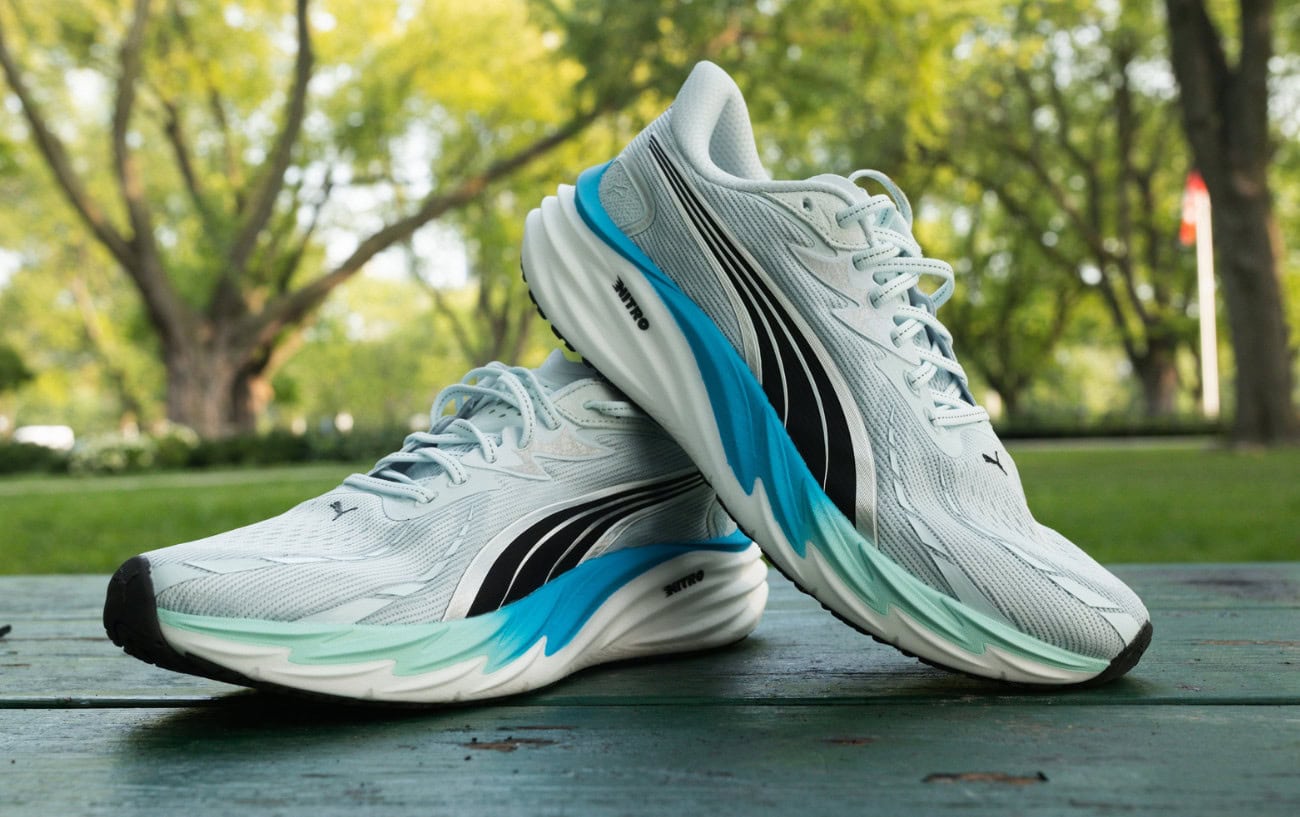
The plaintiffs, Damion Thomas Jr. and Champion Allison, are represented by Peter Flowers, the same lawyer who filed a similar suit against the two companies in April on behalf of sprinter Abby Steiner. The new filing names several Puma models, including the Deviate NitroElite 2, the Deviate Nitro 2, the Deviate Nitro, the evoSPEED Tokyo Nitro 400M, and the evoSpeed Tokyo Brush.
Each of those shoes uses carbon fiber and the company’s nitrogen-infused foam. Those materials, the complaint says, changed “the foot and ankle mechanics during running that may contribute to or increase the risk of injury.”
Thomas: “I assumed my injury was something I had to deal with on my own”
Thomas, a Jamaican hurdler who reached the 100-meter hurdles semifinal at the 2020 Tokyo Olympics, said in a statement he had written off his own injuries as bad luck until he heard about Steiner’s case.
“When I learned about Abby Steiner’s lawsuit, it was the first time I considered that what happened to me wasn’t just bad luck. Like a lot of athletes, I assumed my injury was something I had to deal with on my own. If it took a lawsuit for me to realize I wasn’t alone, there have to be thousands of other athletes out there who still don’t know.”
Damion Thomas Jr.
Thomas has not raced since July 2024. Before that, he ran the 60-meter and 110-meter hurdles at LSU and competed internationally for Jamaica.
Allison anchored the U.S. men’s 4×400-meter relay to gold at the 2022 world championships in Oregon. He has barely been on the track since. His last race was the 2025 LSU Invitational, where he ran 46.15 in the 400 meters.

The Steiner suit and the Mercedes link
Steiner, who signed with Puma in 2022, filed her suit in April after three foot surgeries that began in 2023. She says her career is effectively over.
She also named Mercedes F1 in her complaint. Puma began working with the team in 2021 to fold lightweight carbon fiber, a material long used in race cars, into its running shoes. The technology has spread quickly through performance running footwear.
According to her filing, Steiner said Puma and Mercedes knew about potential issues with the shoes and that runners had no real way to inspect them for design flaws. She said she expected the shoes she ran in to be “properly designed, developed, tested, manufactured, marketed, promoted, advertised, sold and distributed free from defects.”
Puma’s response
Puma rejected Steiner’s allegations on April 30 and stood by its products.
“On the contrary, our products are worn by athletes performing at the top of their game in distance running and track and field, breaking records, including the world record in 60m hurdles, pole vault, and high jump. We consistently collaborate with our athletes to provide products that meet their needs.”
Puma statement to The Athletic, April 30
The Thomas and Allison complaint goes further, arguing that both Puma and Mercedes F1 knew the combination of carbon fiber and nitrogen-infused foam could alter a runner’s biomechanics and create injury risk. Mercedes has not publicly responded to either lawsuit.
Why runners are watching
Carbon-plated, foam-stacked racing shoes are now sold by most major brands and have rewritten record books across road and track racing. The lawsuits revive a debate that has followed the category since its arrival: whether shoes engineered to change how the foot strikes the ground also change how it breaks down.
For now, that argument moves from running forums to a Massachusetts courtroom.












0 Comments