


If you’ve been looking for a new super shoe with more “pop,” you’re chasing the wrong thing.
A fascinating new paper from New Balance suggests that “compliance” (cushioning) is the more important factor.
And this isn’t one of those biased corporate press releases where the NB team claims its shoe is better than others. There’s no brand comparison. The qualities studied, stack height, compliance, and resilience, are common to all shoes.
So you can use the main finding with whatever shoe brand happens to be your favorite.
There’s no doubt that super shoes boost running economy, helping you run faster. Everyone agrees on this — coaches, elite marathoners, biomechanists, and even midpack runners.
There’s much less agreement about the why behind super shoes. What makes them better?
Is it the stack height? The plate? The super cushioning, or the super energy return?
These aren’t just academic questions. They can also help you pick the shoes likely to perform best on your feet.
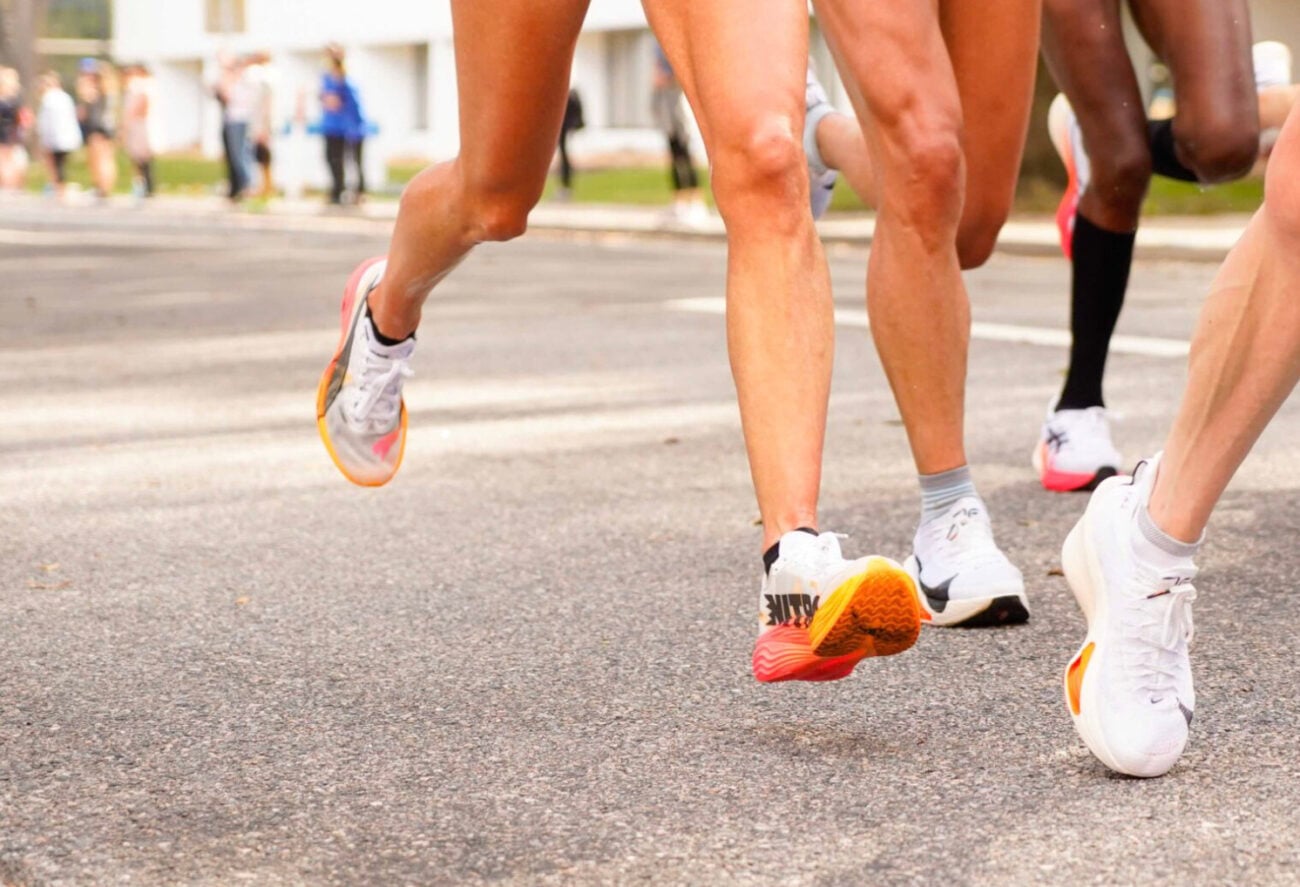
Let’s Define Compliance And Resilience
To begin, we need to understand two somewhat techy biomechanics terms: compliance and resilience.
Compliance is another word for “cushioning.” It refers to that soft, almost pillowy feeling you get from some running shoes. The opposite of compliant is hard and stiff.
Resilience refers to the pop, bounce, or energy return of a shoe. The EVA foams of a decade ago could only return about 60% of the energy put into them. Today’s new super foams have attained energy-return values in the mid- to high-80s.
The opposite of resilience is something like running in soft sand. You sink down into sand, but get no bounce back.
Nobody wants to run a marathon in soft sand. You’d much prefer a bouncy shoe. So most runners have sought shoes with the highest resilience, or energy return.
The Surprising Result: What the Researchers Found
However, that’s not what the New Balance researchers discovered in their new paper, which is based on a novel experimental design. Instead of building a new shoe, they tore down an existing one.
The process started with the company’s most efficient racing shoe — the New Balance FuelCell SuperComp Elite v4. The lab team then compared this super shoe with similar shoes that were stripped down from the original.
The comparison shoes had a reduced stack height, less compliant cushioning (but the same resilience), or less resilience (but the same compliance). In other words, the researchers isolated three main shoe qualities: stack height, compliance, and resilience.
Results #1:1Ferris, J., Hazelwood, B., Cheuvront, S. N., & Gottschall, J. S. (2026). Midsole foam compliance is a greater contributor to running economy, biomechanics, and perception than foam resilience or stack height in advanced footwear technology in male runners. Footwear Science, 1–11. https://doi.org/10.1080/19424280.2026.2642702 Reducing shoe compliance was the only change that significantly affected running economy. Subjects wearing less-compliant (harder) shoes experienced a decline in their running economy. They also altered their biomechanics, taking shorter strides. Lastly, they rated the harder shoes less comfortable and enjoyable.
On the other hand, reducing stack height or resilience (energy return) did not significantly change running economy.
Take-home message: Running shoes that feel cushy and comfortable on your feet probably provide the optimal running economy. And that’s the outcome you most want from your shoes.
Why? Because cushioning replaces some of the work your leg muscles would otherwise have to do as you run.
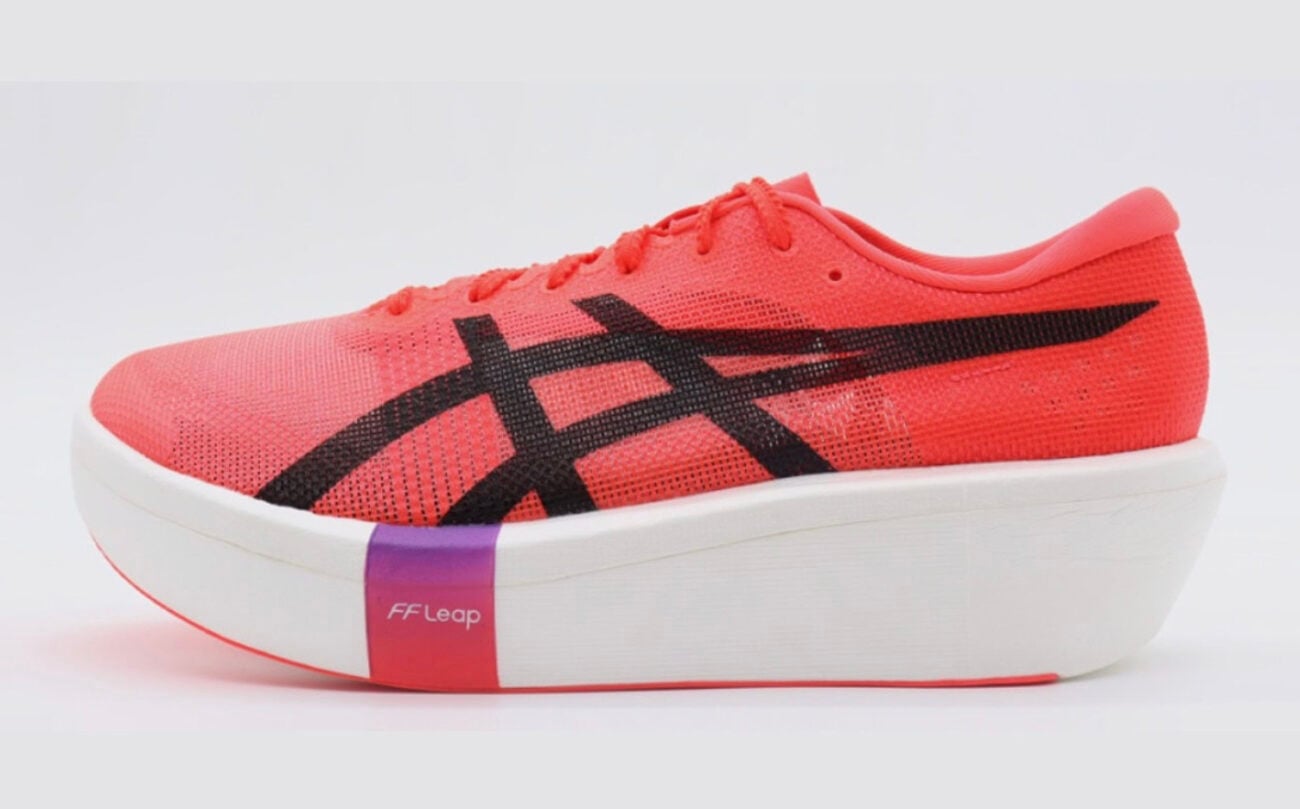
Why Other Studies Got It Wrong
Almost simultaneously with the New Balance paper, another top research team published results #22Ferris, J., Hazelwood, B., Cheuvront, S. N., & Gottschall, J. S. (2026). Midsole foam compliance is a greater contributor to running economy, biomechanics, and perception than foam resilience or stack height in advanced footwear technology in male runners. Footwear Science, 1–11. https://doi.org/10.1080/19424280.2026.2642702 that seemed contradictory. They rated resilience more important than compliance in boosting running economy. But the paper had a fatal flaw, which the authors admitted.
The study compared a super shoe to two more traditional shoes with EVA midsoles. Conclusion: The super shoe helped runners improve their running economy. Hardly surprising.
But the super shoe was both more compliant and more resilient than the EVA shoes, so it was impossible to say for sure which of the two factors boosted running economy
The design of the New Balance study, on the other hand, isolated the effects of compliance vs resilience, and found compliance to be the key factor. So did another new paper titled “The isolated effect of midsole compliance on running economy and biomechanics in highly trained runners.”3Petrella, D., Wannes Swinnen, Tam, N., Lane, B., & Benedicte Vanwanseele. (2025). The Isolated Effect of Midsole Compliance on Running Economy and Biomechanics in Highly Trained Runners. Medicine & Science in Sports & Exercise. https://doi.org/10.1249/mss.0000000000003864
Why Cushion Beats Bounce: Inside the Lab With the Lead Researcher
Here’s a question-and-answer session with the lead New Balance researcher, Jamie Ferris, an experienced marathon runner who finished last fall’s New York City Marathon in 3:12:39.
How did you come up with your unusual “deconstruction” design? What was this approach intended to reveal?
“Deconstructing” the midsole foam allowed us to identify if any of the typical ingredients were more or less important than the others. Foam attributes may work together, that is, synergistically. We removed just one attribute at a time to see how each worked in an isolated manner.
You found that compliance was a more important contributor to running economy than resilience. That might surprise runners who have been looking for shoes with more pop or bounce. How does compliance increase running economy?
While we don’t yet know all the ways compliance modulates running economy, it appears that one key mechanism is leg stiffness. You can picture your legs as acting like a spring to control the vertical movement of your body.
Experienced runners keep their vertical oscillation very consistent and optimized by controlling their leg stiffness. In our study, the runners in harder shoes compensated by making their legs less stiff, which requires more muscle activation to supply cushioning that the shoes aren’t providing. This additional activation costs energy and thereby reduces running economy.
Your paper wasn’t an injury study, but what are your thoughts on that big question: Do you think super shoes likely increase or decrease injury rates vs older shoes?
That’s the million-dollar question. The current evidence suggests that injury rates do not differ between super shoes and traditional footwear. However, ongoing research is still investigating whether the types of injuries differ. For what it’s worth, most professional athletes do not use super shoes on all runs. They tend to use them just for hard or long training efforts and in races.
How can runners use your research when buying their next pair of super shoes?
Our data suggest that most runners benefit from increased compliance. And there’s great news here: Compliance is actually something that people can feel, either underfoot or with their hands. So next time you’re picking your racing footwear, give it a squeeze.
I found it very encouraging that a 10 mm change in stack height did not affect running economy! While this is consistent with other studies, it remains a bit counterintuitive. It suggests that runners can get sufficient cushioning without having to buy a really tall super shoe if they prefer something shorter.

Want To See Which Super Shoes Actually Win?
If you want to know which super shoes are worth your money right now (rather than the science behind why they work), see our Best Super Shoes 2026: Top Carbon Plate Race Shoes You Can Actually Buy — ranked by performance, value, and availability.
References
RunClub — Free
Join 300,000+ runners in RunClub
Free training plans for every distance, a daily running game, exclusive coaching content, and a real community of runners. Create your free account in 20 seconds — no card.
Already a member? Log in →










Start the conversation