


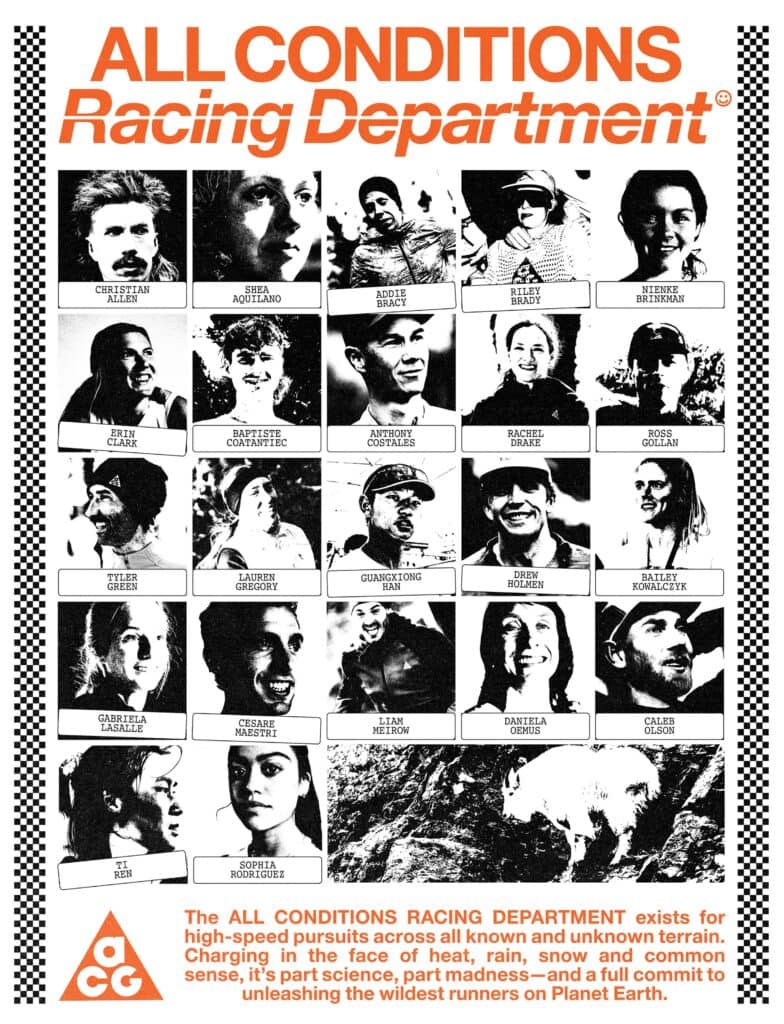
Nike is making its most serious move into trail running in years. On Thursday, the brand announced the launch of the All Conditions Racing Department, a 22-athlete roster drawn from across the U.S., Europe, and China.
The initiative, housed under the All Conditions Gear (ACG) sub-label, pairs Nike’s research muscle with some of the sport’s top names in ultrarunning, and makes clear that the company wants to be taken seriously again on the trails.
The team includes Western States champion Caleb Olson, who also won Transgrancanaria earlier this year, along with athletes like Riley Brady, Nienke Brinkman, Tyler Green, and Cesare Maestri.
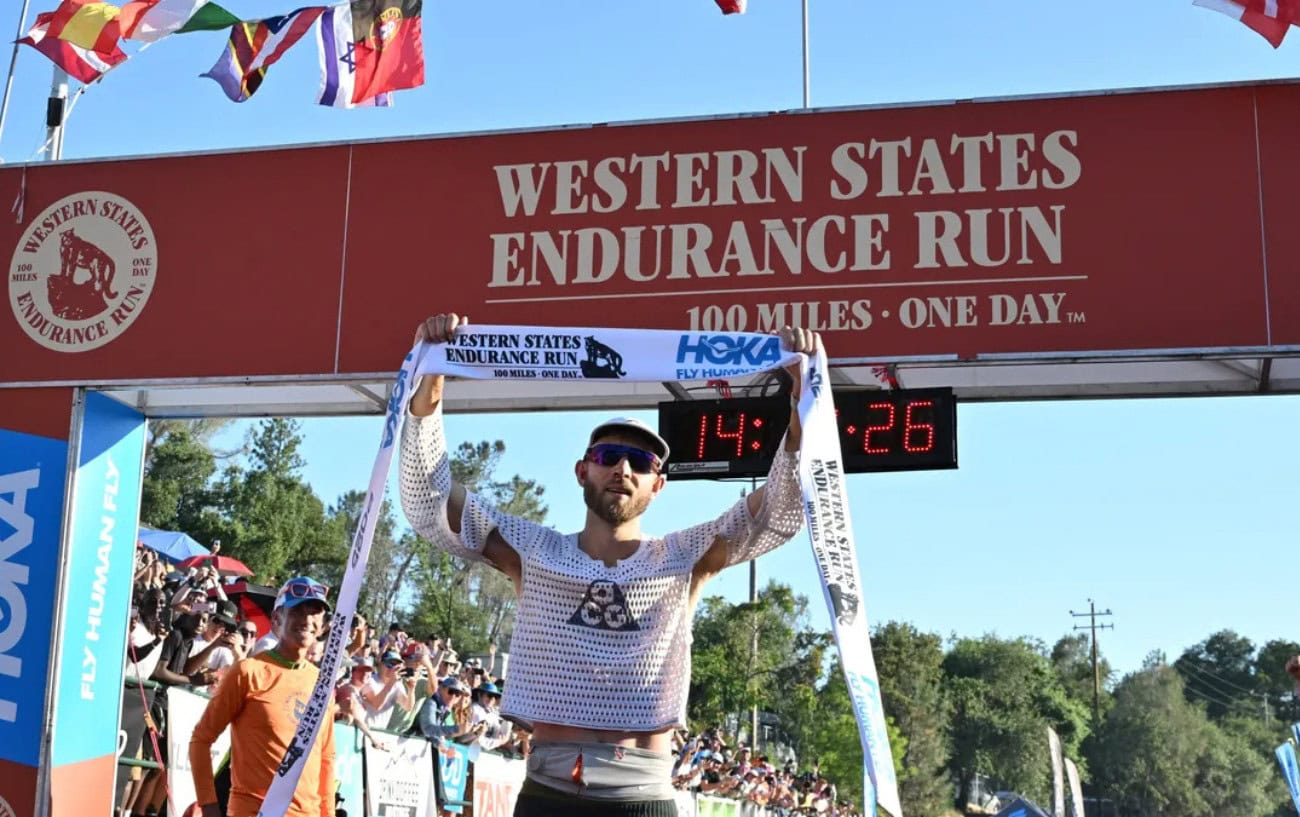
Olson, who has quickly become the face of Nike’s trail resurgence, said the backing has been transformative: “Whether I’m testing new protos, giving input or planning my next summit, Nike ACG’s support means I can push my limits and redefine what’s possible on the trails.”
For Nike, the investment goes beyond signing contracts. Athletes are directly involved in product development, wearing early prototypes in major races and offering feedback that cycles back into design.
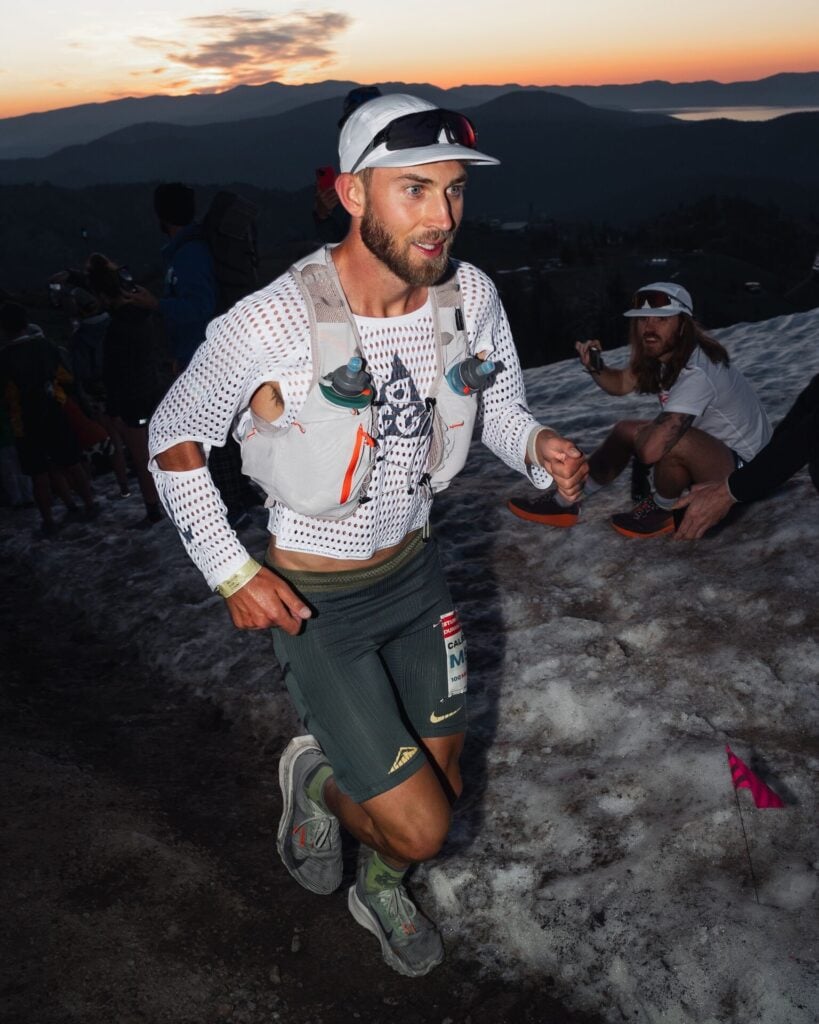
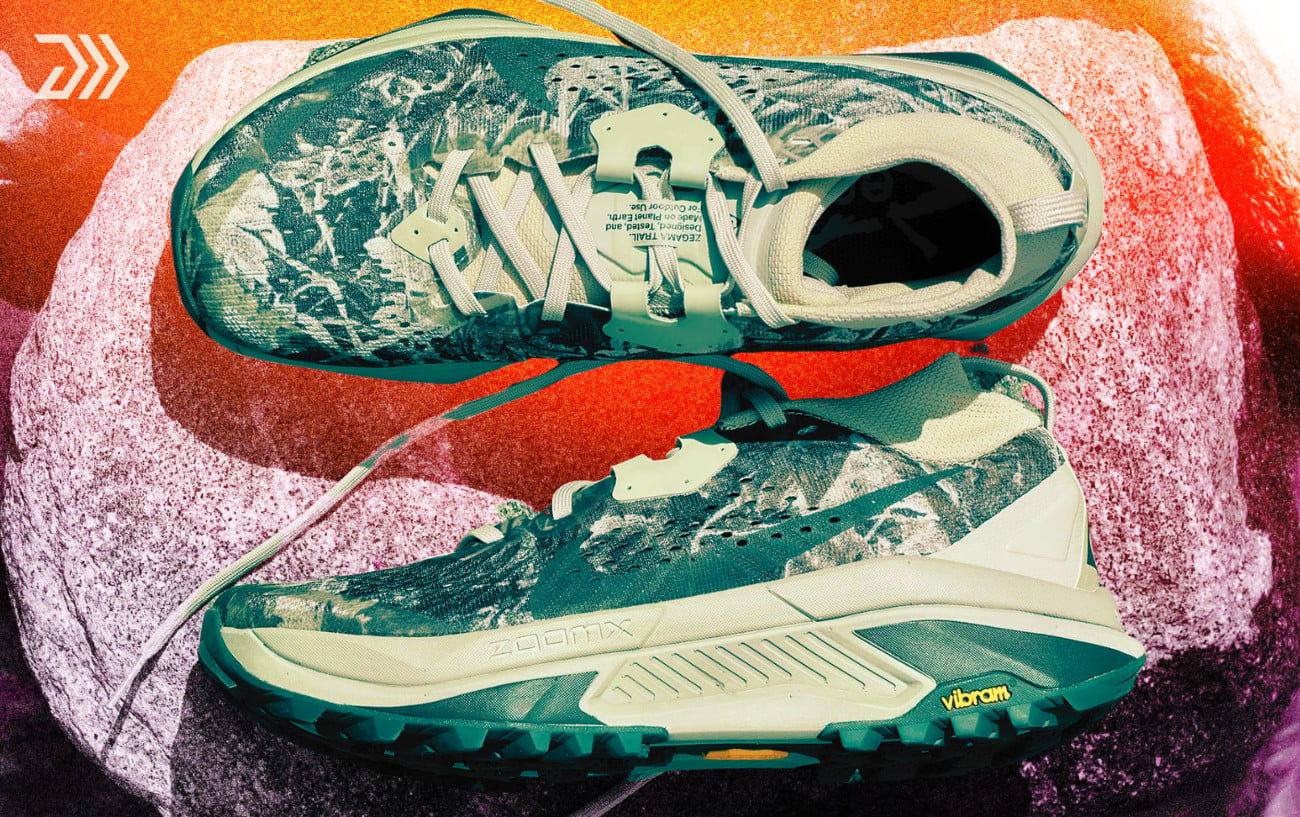
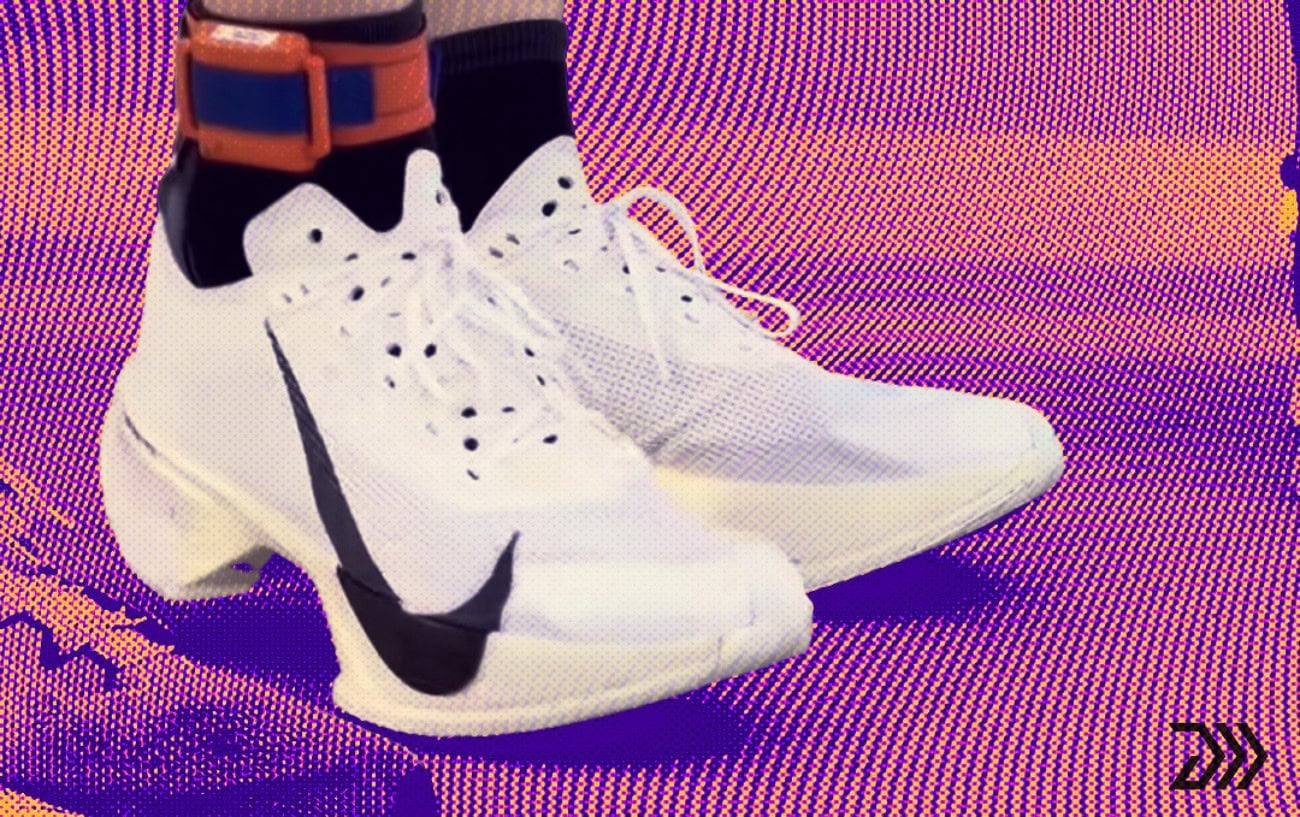
Olson crossed the finish line at Western States in a heavily tested pair of the Nike ACG Ultrafly, a carbon-plated trail super shoe that has gone through 13 rounds of prototyping and more than 30,000 miles of athlete testing.
On his torso was an odd-looking cropped, perforated long sleeve that Nike has now revealed as Radical AirFlow, a new material system designed to improve cooling on hot days, a growing concern as ultrarunners face higher race-day temperatures due to climate change.
The move also reflects Nike’s broader strategy. Over the past decade, competitors like Adidas Terrex, Hoka, and Salomon have surged ahead in trail credibility, while smaller brands such as Speedland have built cult followings among gear obsessives. Nike, by contrast, has often felt absent.
Its Nike Trail line launched with promise but lacked clear direction and consistency. Now, by attaching trail performance to ACG, a brand with a history of rugged design dating back to the late ’80s, Nike is leaning on heritage while signaling renewed seriousness.
Scott LeClair, VP/GM of Nike ACG, framed it as a return to the brand’s roots: “From Fastest Known Times to 100-milers, mountain climbs to river crossings, the pursuit of feral dreams fuels everything we do. It’s dirty. It’s hard. It’s gritty. That’s what Nike ACG and our All Conditions Racing Department athletes are getting after.”
It is not the first time Nike has looked to the mountains for inspiration. Co-founder Bill Bowerman served in the 10th Mountain Division during World War II, and in 1978 Nike supplied its LDV running shoe to an American expedition trekking to K2 basecamp.
Those touchpoints, long buried beneath the lifestyle-heavy image of ACG in recent years, are now being revived.
What happens next will depend on whether this initiative sticks. The athletes Nike has assembled are guaranteed to be at the sport’s biggest races, from UTMB to Western States, and they will serve as rolling laboratories for Nike’s latest designs.
If the Ultrafly and Radical AirFlow prove themselves under the demands of 100-mile races, Nike may finally claw back relevance in a category it once seemed ready to abandon. For now, the All Conditions Racing Department feels like the boldest sign yet that Nike is back in the dirt and hungry to compete.
RunClub
Get more running stories — join RunClub
Daily running news, a community of 300,000+ runners, free training plans for every distance, and a daily running game. Free to join — no card.
Already a member? Log in →






Start the conversation