


Runners will try just about anything for an edge—beet juice, ice baths, altitude tents. But olive oil? Before last week, that wasn’t exactly on the list of pre-race essentials.
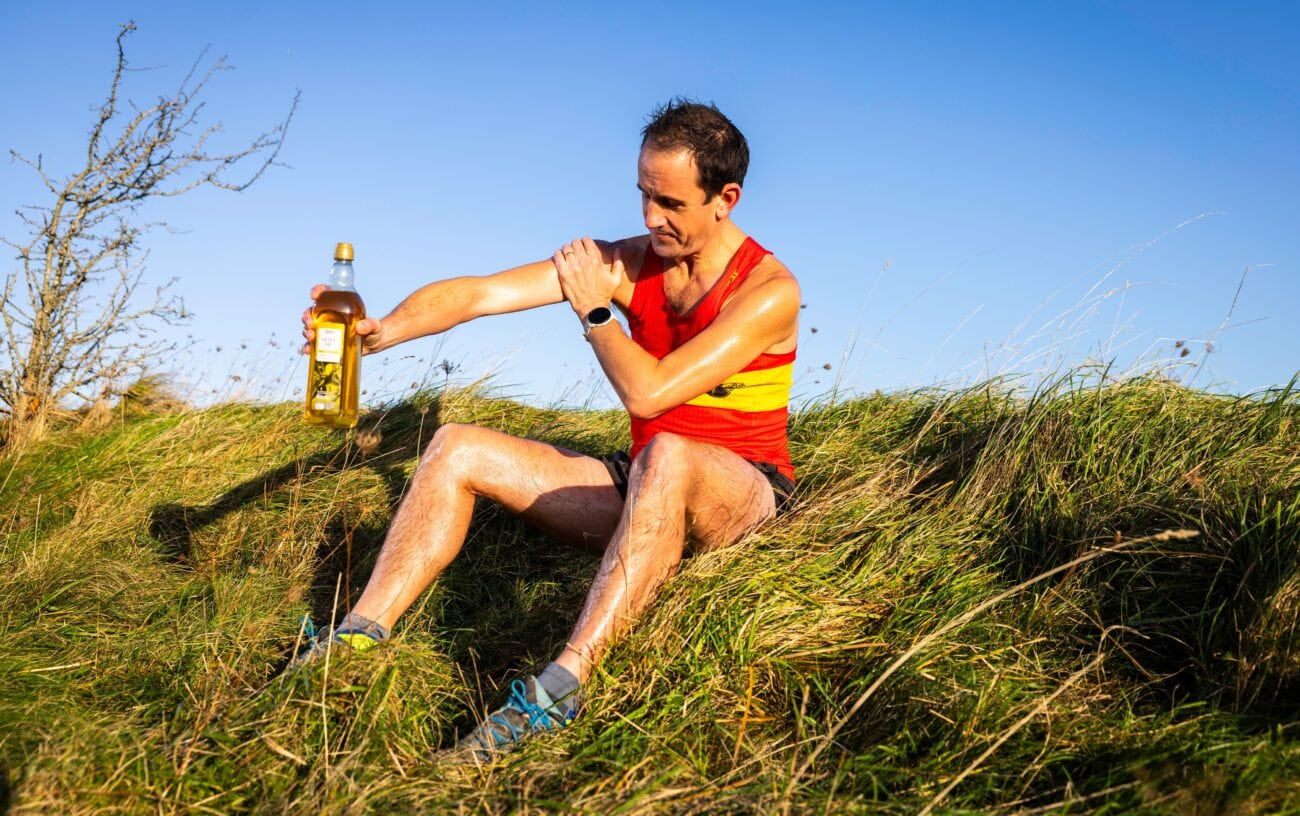
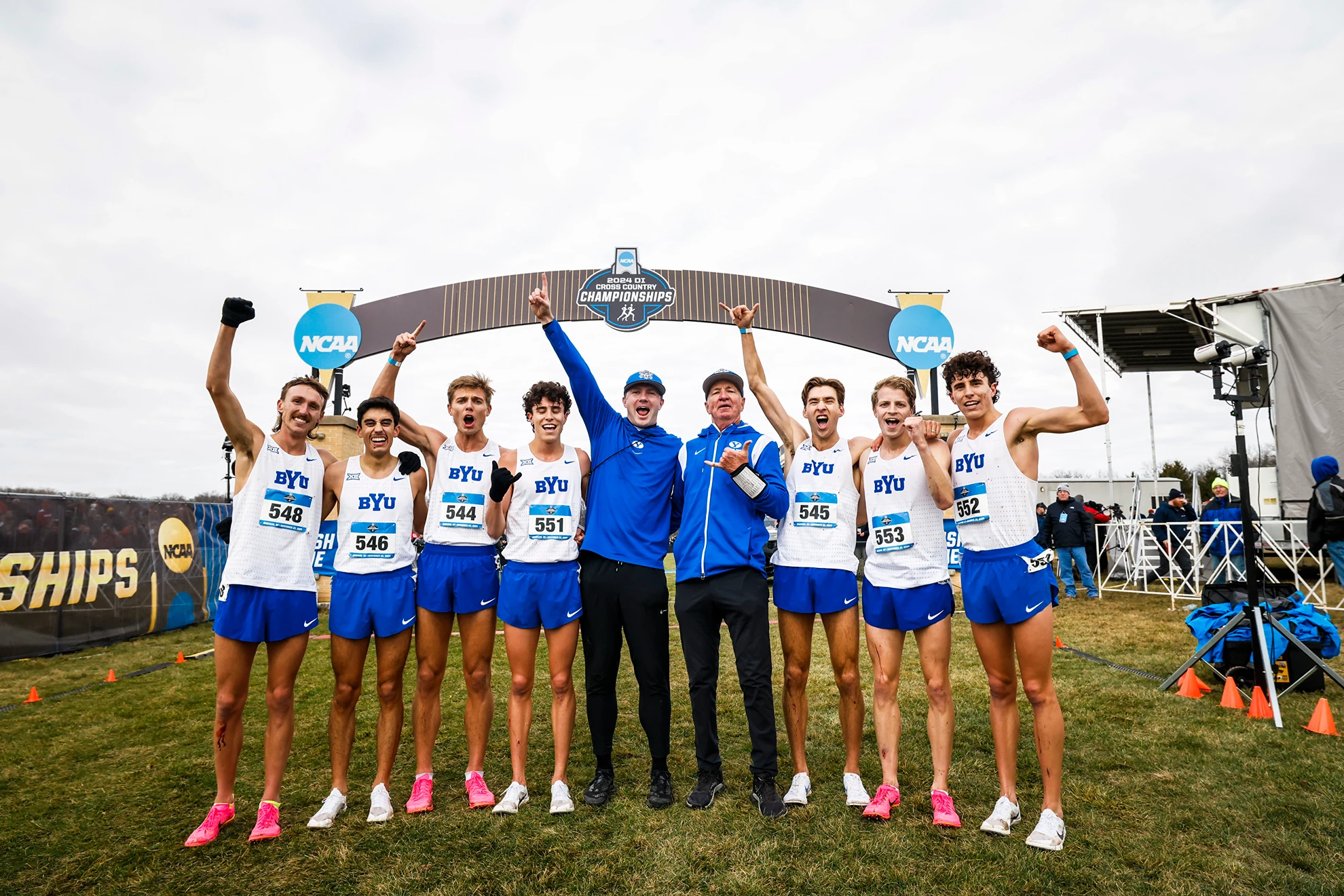
Then, the BYU cross-country team went viral for slathering themselves in extra virgin olive oil before racing in the NCAA championships. A social media post showed their athletes glistening in the cold, their arms and legs coated in oil like a well-marinated roast.
It looked like a joke. But it wasn’t April Fools, and they actually won the national championship—so maybe there’s something to it?
Turns out, this isn’t just a bizarre one-off from the BYU squad. Cyclists have been using oils, Vaseline, and warming creams for years to stay comfortable in cold conditions.
But does it actually work? Let’s dig in.
When it comes to cold-weather running, we’ve got the special ingredient pic.twitter.com/1jZoC34Sow
— BYU Track & Field/Cross Country (@BYUTFXC) February 18, 2025
Why Would Anyone Cover Themselves in Olive Oil?
BYU head coach Ed Eyestone swears by it. He said he used the trick himself back in his competitive days, claiming it helps trap body heat in cold conditions.
The idea is pretty simple: olive oil forms a thin barrier on the skin, reducing heat loss. It’s not waterproof like Vaseline, but it still creates a layer between your body and the cold air, theoretically helping you stay warmer without adding extra clothing.
It’s also worth noting that olive oil contains fatty acids that are naturally good for your skin, so while you’re preventing heat loss, you’re also giving yourself a spa treatment. Bonus.
The Science: Does It Actually Keep You Warm?
There’s not a ton of peer-reviewed research on “olive oil as a running performance enhancer,” but we can break down the logic behind it.
- Thermal insulation: Olive oil, like other oils, has a lower thermal conductivity than water or air. This means it doesn’t transfer heat away from your body as quickly, so in theory, it helps you retain warmth.
- Wind barrier: If you’re running in cold wind, a layer of oil or Vaseline can help shield your skin from the worst of the chill.
- Moisture protection: Wet skin loses heat significantly faster than dry skin (which is why getting sweaty in cold weather can be dangerous). Oil repels water, meaning rain or sweat won’t strip heat away as quickly.
That said, it’s not magic. Unlike a proper jacket or tights, oil isn’t going to provide real insulation, and if you’re out there long enough, it’ll eventually absorb into your skin.
Why Cyclists Have Been Doing This for Years
Runners might just be catching on, but in the cycling world, greasing up before cold races is nothing new.
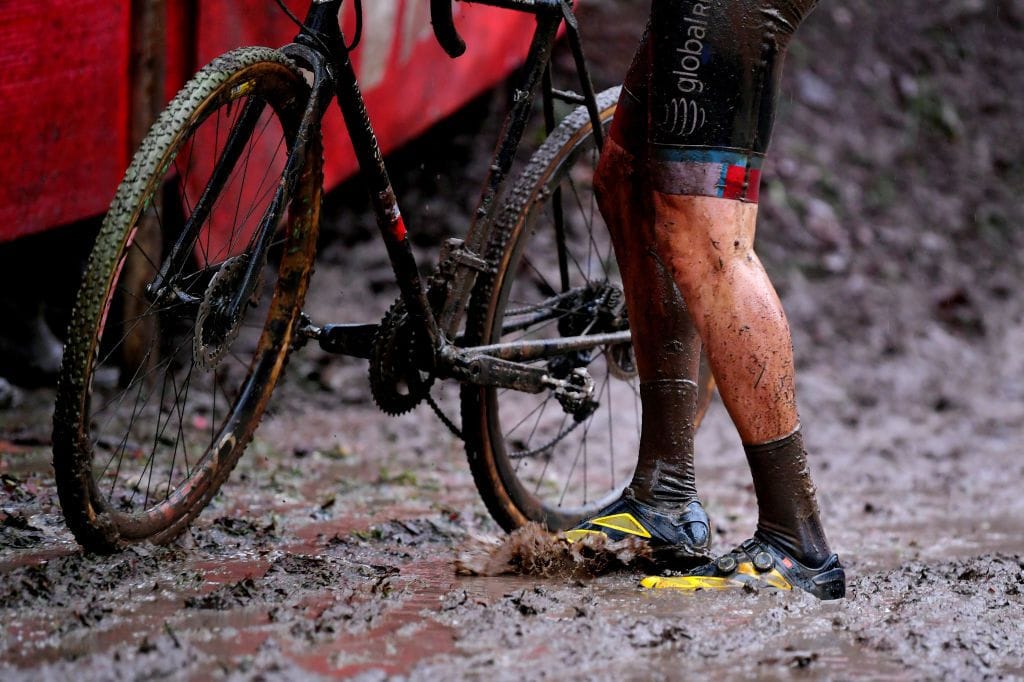
If you’ve ever watched the early-season classics in Europe—especially in Belgium, where the weather seems to exist solely to make bike racers miserable—you’ve probably noticed something strange. Some riders are fully bundled up, while others are tackling rain, wind, and near-freezing temperatures with bare legs.
And no, we’re not just built different. Chances are, we’ve coated our skin in embrocation or oil instead of wearing leg warmers.
There’s a reason for that.
When it’s cold, wet, and windy, leg warmers might seem like the obvious choice—but if they get soaked, they become a liability. Wet fabric clings to your skin and sucks heat away, leaving you colder than if you’d just gone without.
And in a race like Omloop Het Nieuwsblad or the Tour of Flanders, where you’re riding through rain, mud, and wheel spray for hours, keeping your legs dry isn’t exactly an option.
That’s where embrocation cream (but we just call it embro), Vaseline, or oil comes in.
Embro is the preferred weapon of choice for most pros.
It’s basically spicy, heat-inducing version of vaseline that makes your legs feel warm, spicy, and numb even when they’re not. It also creates a barrier against the elements, meaning you’re not as exposed to windchill.
Unlike leg warmers, it won’t get waterlogged or heavy when the rain starts, so you don’t have to worry about peeling off soggy fabric mid-race.
But embro is tricky—it’s all fun and games until you accidentally touch your face or forget to wash it off properly before showering. (Pro tip: scrub that stuff off before stepping into hot water, unless you enjoy the sensation of your legs catching fire…and make sure you wear gloves when applying).
Even outside of Belgium’s brutal early-season races, this trick has been around for ages.
Old-school Italian and Belgian pros used to swear by slathering on olive oil before cold races, partly for warmth and partly to make their legs look good on camera (priorities).
Whether it’s olive oil, Vaseline, or embrocation, the logic is the same—it’s a way to stay warm without dealing with the downsides of extra clothing.
Should You Try It?
If you’re heading out for a cold race or run and don’t want to be weighed down by extra layers, greasing up might not be the worst idea. Here’s when it could work:
- Shorter races where warmth matters, but layers could slow you down (think cross-country or road races under an hour).
- Cold + windy conditions where the main problem is wind chill on exposed skin.
- Wet conditions where oil or embro can help repel water and prevent excessive heat loss.
But here’s when you might want to skip it:
- Super long runs: Oil absorbs into your skin eventually, so after a couple of hours, it’s not going to help much.
- If you hate feeling greasy: Some runners can’t stand the slick feeling on their skin, and if you’re one of them, this is a hard pass.
- If you’re not ready for trial and error: Everyone reacts differently—some people love embrocation creams, while others feel like their legs are on fire. Same goes for oil.
The Verdict
Is olive oil the secret weapon for cold-weather running? Not exactly. It won’t replace actual layers, and if you’re out for a long run, it’s probably more placebo than performance booster.
But in a pinch? If you’re lining up for a cold race and don’t want to be bogged down by extra clothing, it might be worth a shot. Worst case scenario—you get a free moisturizing treatment out of it.
And hey, if it helped BYU win a national championship, maybe there’s something to it after all.
RunClub
Get more running stories — join RunClub
Daily running news, a community of 300,000+ runners, free training plans for every distance, and a daily running game. Free to join — no card.
Already a member? Log in →





Start the conversation