A new study from the University of Gloucestershire adds fresh data to the super shoe debate, and this time the focus is squarely on women.
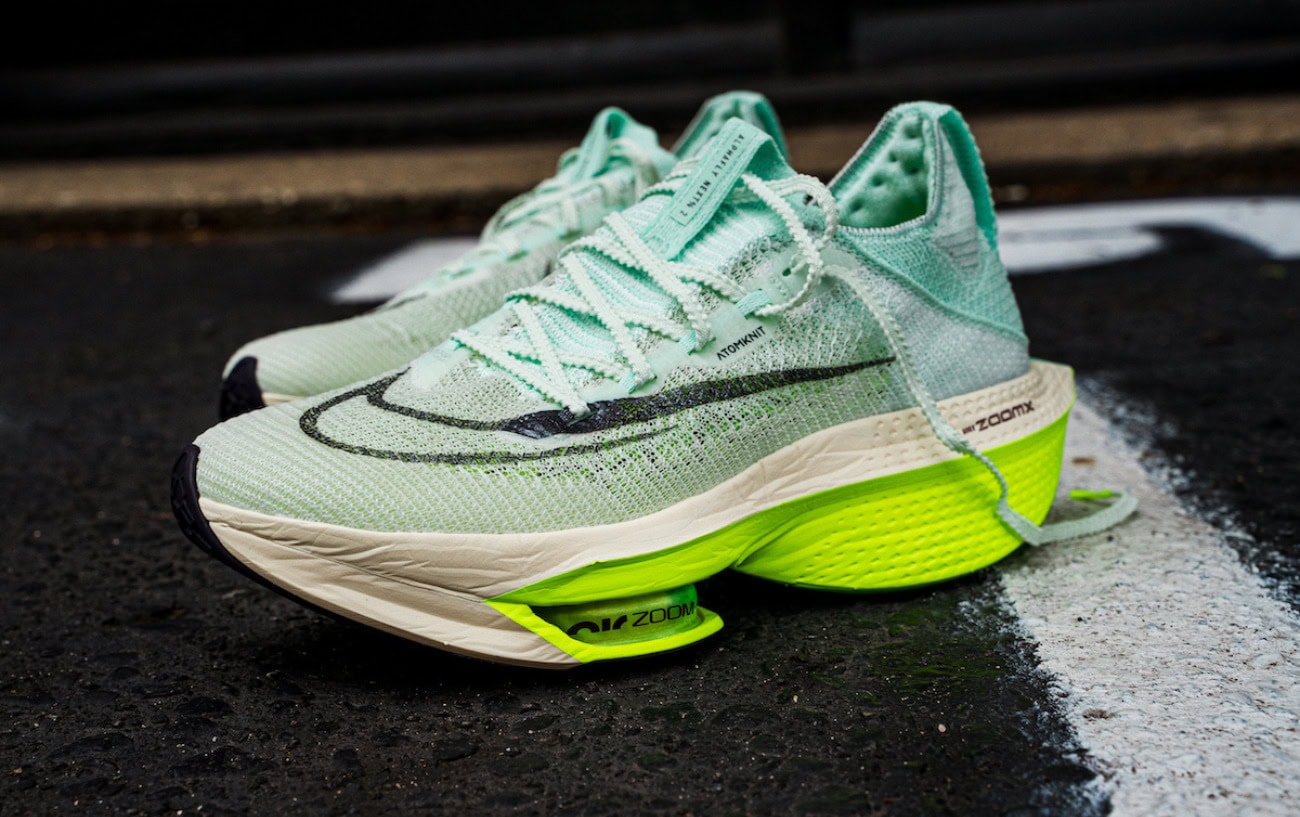
Researchers found that every female runner in their trial lasted longer in Nike’s Alphafly 3, a £250 carbon-plated racing shoe, than in the Nike Pegasus, a traditional training model that costs roughly half as much.
During a treadmill time-to-exhaustion test, participants averaged more than 20 minutes in the Alphafly. In the Pegasus, the average was 13 minutes.
That is not some marginal gain. It is a pretty sizable difference under controlled lab conditions.
The study is still in its preliminary analysis phase, but the early findings are consistent across the group.
Testing Shoes When Fatigue Hits
The project was designed to move beyond marketing claims and simple performance comparisons. Instead of asking only whether super shoes work, researchers wanted to examine how they work and whether the benefits change under fatigue.
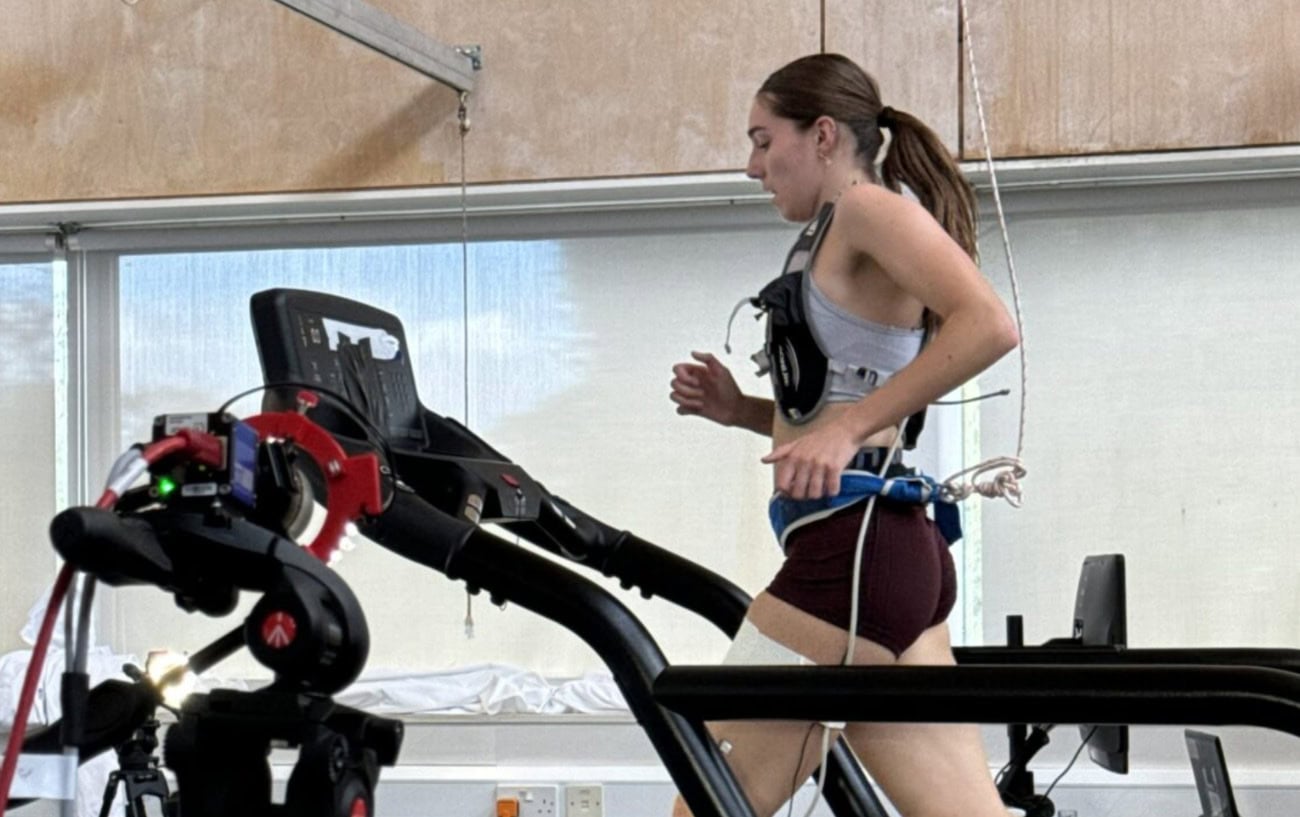
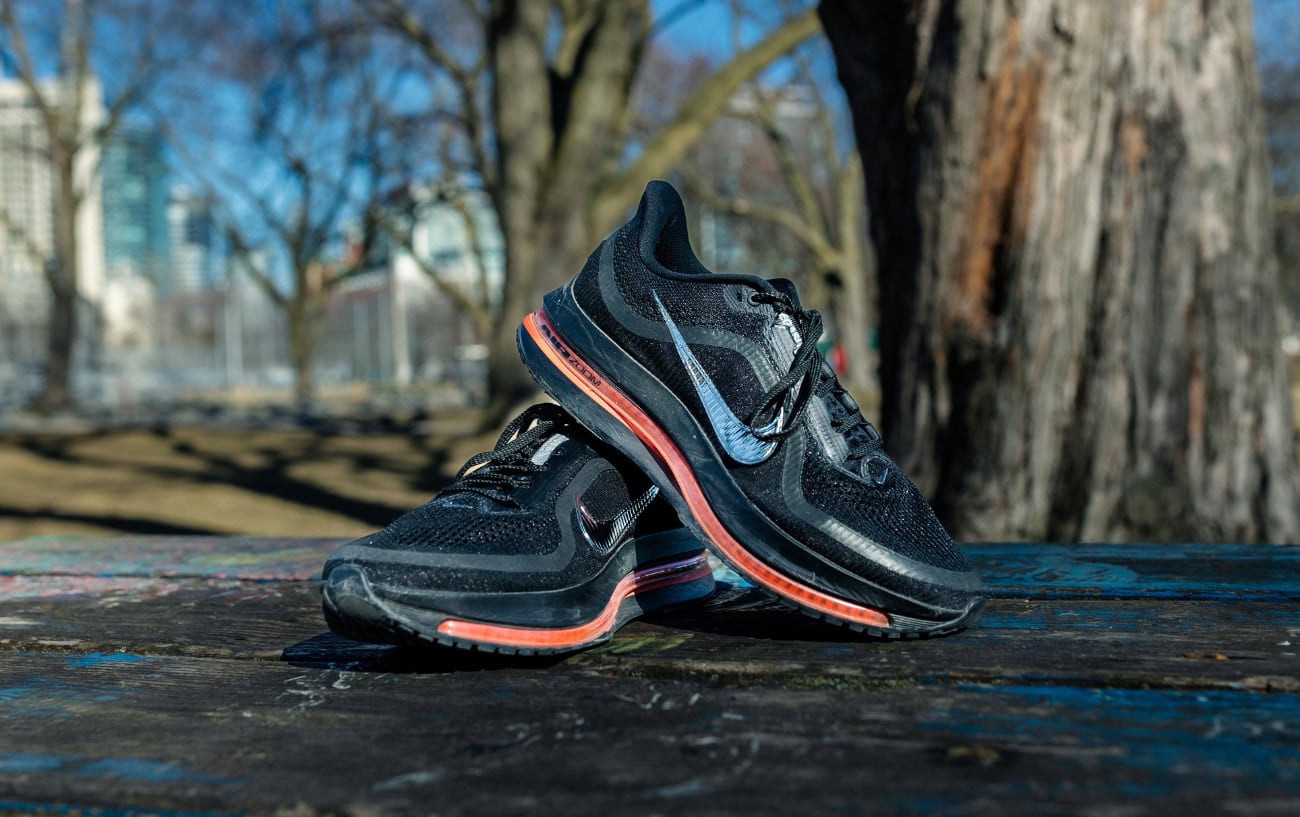
Participants attended two sessions at the university’s Oxstalls Campus physiology lab. In one session they wore the Alphafly 3, a lightweight racing shoe built around a rigid carbon plate designed to improve propulsion and conserve energy. In the other, they wore the Pegasus, a heavier and more flexible daily trainer that requires runners to generate more force themselves.
Each runner completed five minutes of moderate-intensity treadmill running before and after a severe-intensity effort where they ran until they could no longer continue. Speeds were individualized for each participant to ensure differences in fitness did not skew the results.
To limit bias, half the group wore the Alphafly first, and half wore the Pegasus first. Runners were not told their pace, time, or distance during the exhaustion test. They were simply instructed to keep going until they had to stop.
Clear Gains, But Not Identical
Along with lasting longer, runners also showed improved efficiency in the Alphafly. Preliminary data indicated lower oxygen uptake per kilometre in the carbon-plated shoe, suggesting better running economy.
Simon de Waal, Senior Lecturer in Sport and Exercise at the University of Gloucestershire, said every athlete saw improvement in the Alphafly, but the scale of that improvement varied.
“We found that while all athletes responded better to the Alphafly than the Pegasus, there was some inter-individual variability in the magnitude of the benefit both in terms of total time/distance completed and exercise economy,” he said.
“For example, some women ran only half the amount of time in the Pegasus as they did in the Alphafly, whereas others ran almost 90% of the time in the Pegasus as they did in the Alphafly.”
Researchers are now examining why that variability exists. The team collected detailed data including EMG, which measures electrical activity in muscles, and peripheral muscle oxygenation, which tracks how much oxygen working muscles are using during exercise.
“The next stage is to analyse the data to understand why the carbon-plated shoe might be more efficient,” de Waal said.
Professor Athanassios Bissas, Professor of Sport and Exercise Technologies, said the study stands out because it focuses specifically on female runners, a group historically underrepresented in sports science.
“Most super-shoe studies ask whether these shoes work; our study asks a different question: how and for whom they work,” he said.
The project involved academic staff, technical specialists and students, along with international collaboration from Professor Neil Cronin of the University of Jyväskylä in Finland.
The research is ongoing, but the early takeaway is straightforward. In a controlled setting, women ran longer and used less oxygen in the carbon-plated shoe. The bigger question now is not whether the advantage exists, but why it appears stronger for some runners than others.