


Amazon Prime Day is back, running from June 23 to June 26, and it’s packed with some of the year’s best deals for runners. Whether you’re training for a fall marathon, building summer mileage, or just need to refresh your gear shelf, now’s the perfect time to score major savings on top-tier products.
From GPS watches and running shoes to headphones and recovery tools, this year’s Prime Day offers something for every type of runner. We’ve sifted through the clutter to highlight the best Prime Day deals that are actually worth your time and money.
These aren’t just good prices, they’re great products. Let’s dive in.
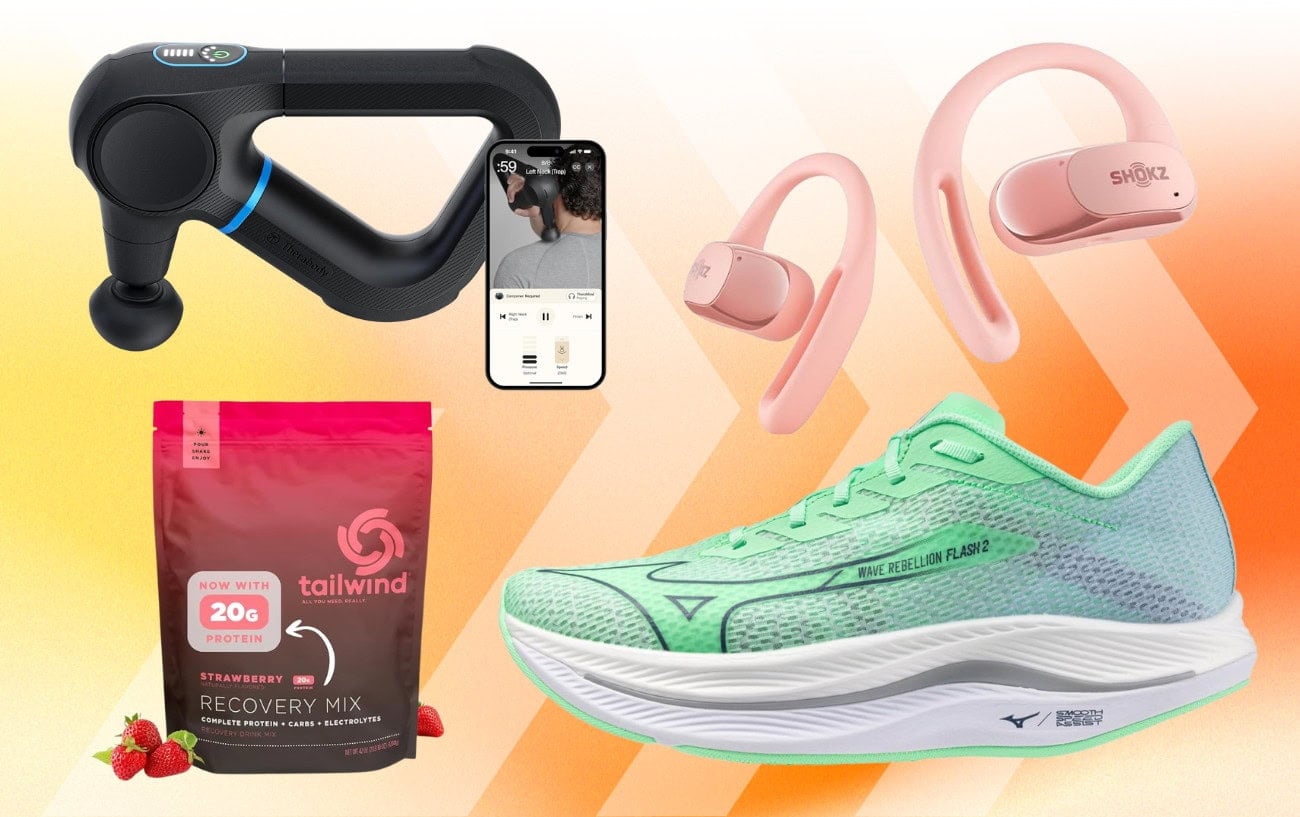
Here’s Our Top Picks For The Best Running Gear:
- Best Reliable HR Monitor: Polar H10 Heart Rate Monitor
- Best Watch That Doubles For Daily Wear: Apple Watch Series 11
- Best Low-Key Wearable: Oura Ring 4
- Best Wearable That’s Not A Watch: Whoop Life + 12-Month Membership
- Best Massage Gun: Therabody Theragun Prime
- Best Clean Creatine: Momentous Creatine
- Best Protein Shake For Busy Runners: Core Power Vanilla Protein Shake
- Best Sunscreen For Sweaty Days: Supergoop Unseen Sunscreen
- Best Energy Chews: Skratch Labs Energy Chews
- Best Sugar-Free Drink Option: Liquid IV Sugar-Free
- Best All-In-One Nutrition: Tailwind Nutrition Endurance Fuel
- Best Headphones For Safety: Shokz OpenRun Pro
- Best Truly Wireless Experience: Shokz OpenFit Air
- Best Fast Day Shoe: Mizuno Wave Rebellion
- Best Daily Trainer: Saucony Ride 18
- Best Running Socks: Saucony Performance Socks
- Best Tool to Carry Your Phone: Waterfly Running Belt
- Best Way To Pass A Rest Day: For The Love Of The Grind by Sara Hall
Wearables and Tech
Best Reliable HR Monitor: Polar H10 Heart Rate Monitor
MSRP: $105 USD | Prime Day Price: $77 USD
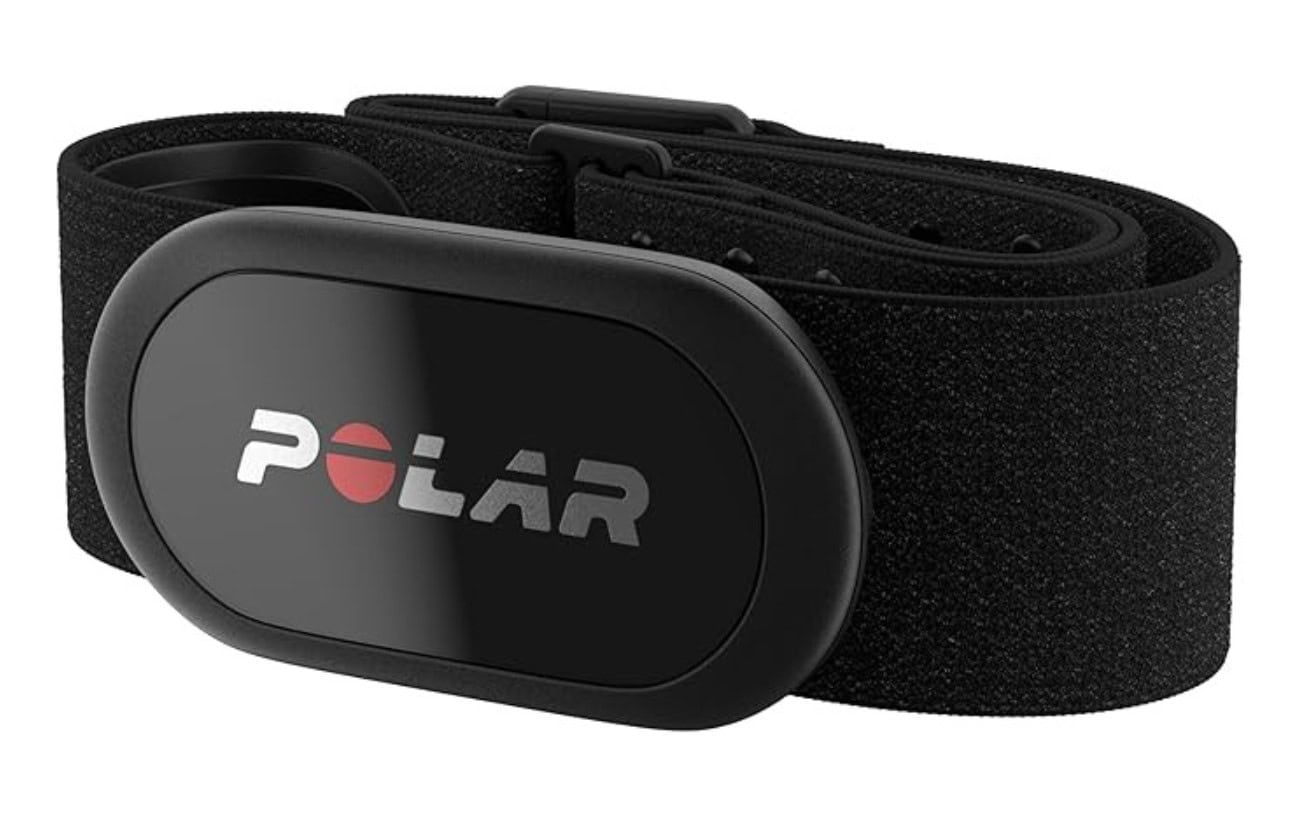
The Polar H10 has been the gold standard for chest-strap accuracy for years, and Prime Day pricing is the right window to add one to your setup. Wrist-based heart rate is fine for easy mileage, but it falls apart on intervals and pace changes — exactly the workouts where the data actually matters.
The H10 pairs with basically everything: Garmin, Coros, Apple Watch, Zwift, third-party apps. The battery lasts about 400 hours of training, and the strap stays put once you wet it down. Polar’s own companion app is the worst part of using one, so most runners just pair it directly to their watch and forget about it.
If you’re training by heart rate zones and your numbers look weird, this fixes most of the mystery.
Shop On AmazonBest Watch That Doubles For Daily Wear: Apple Watch Series 11
MSRP: $429 USD | Prime Day Price: $309 USD
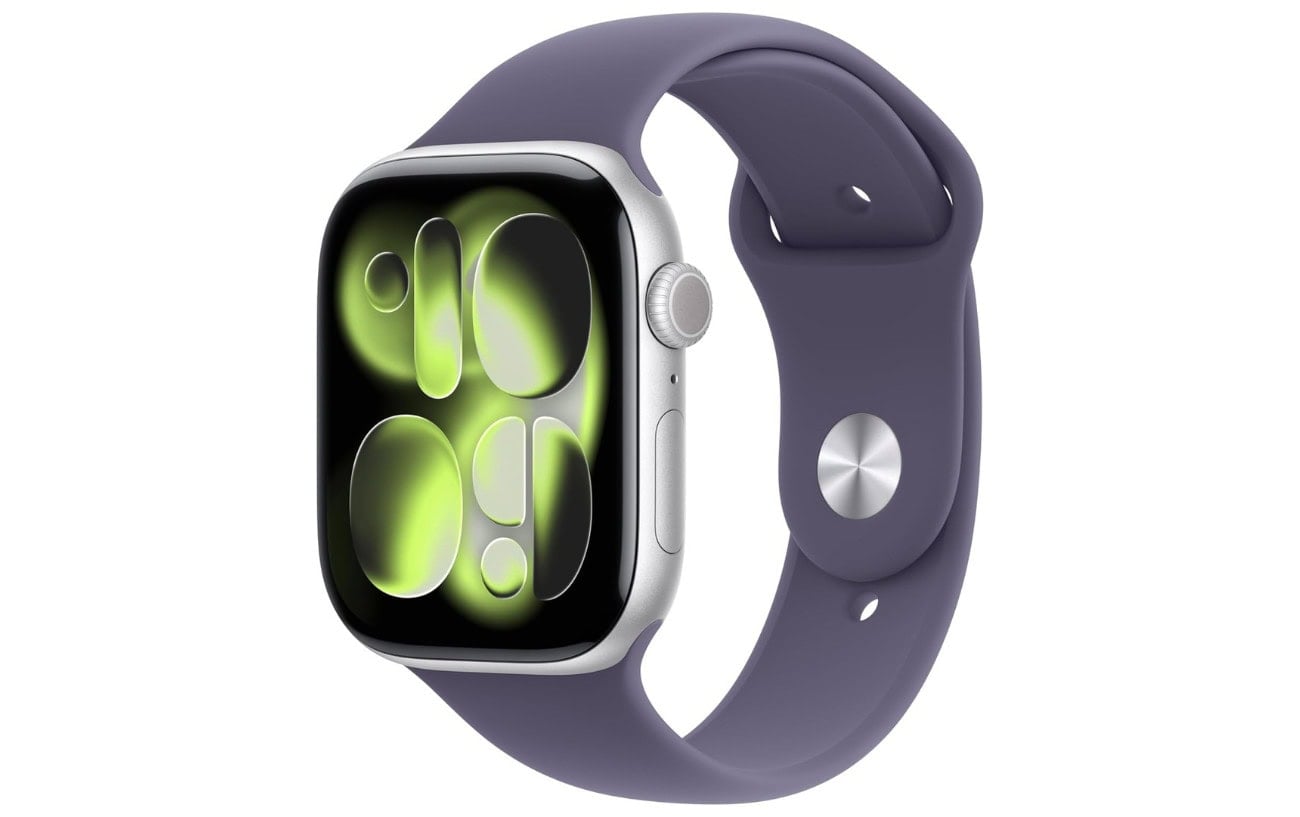
The Apple Watch Series 11 is the smallest update Apple has shipped in years, but a few changes are worth flagging. The Ion-X glass on the aluminum cases is now twice as scratch-resistant as the Series 10, which is the upgrade casual buyers will actually notice over a year of wear. Battery life in workout mode is still the weak spot — expect six to eight hours with GPS on. Pace and distance accuracy are solid on road, a little less reliable on twisty trails or under tree cover.
If you already have a Series 9 or 10, this isn’t a necessary upgrade. If you’re coming from a Series 6 or 7, or switching platforms, Prime Day is the right window. Silver and Midnight aluminum are usually the cheapest configurations.
Best Low-Key Wearable: Oura Ring 4
MSRP: $499 USD | Prime Day Price: $259 USD
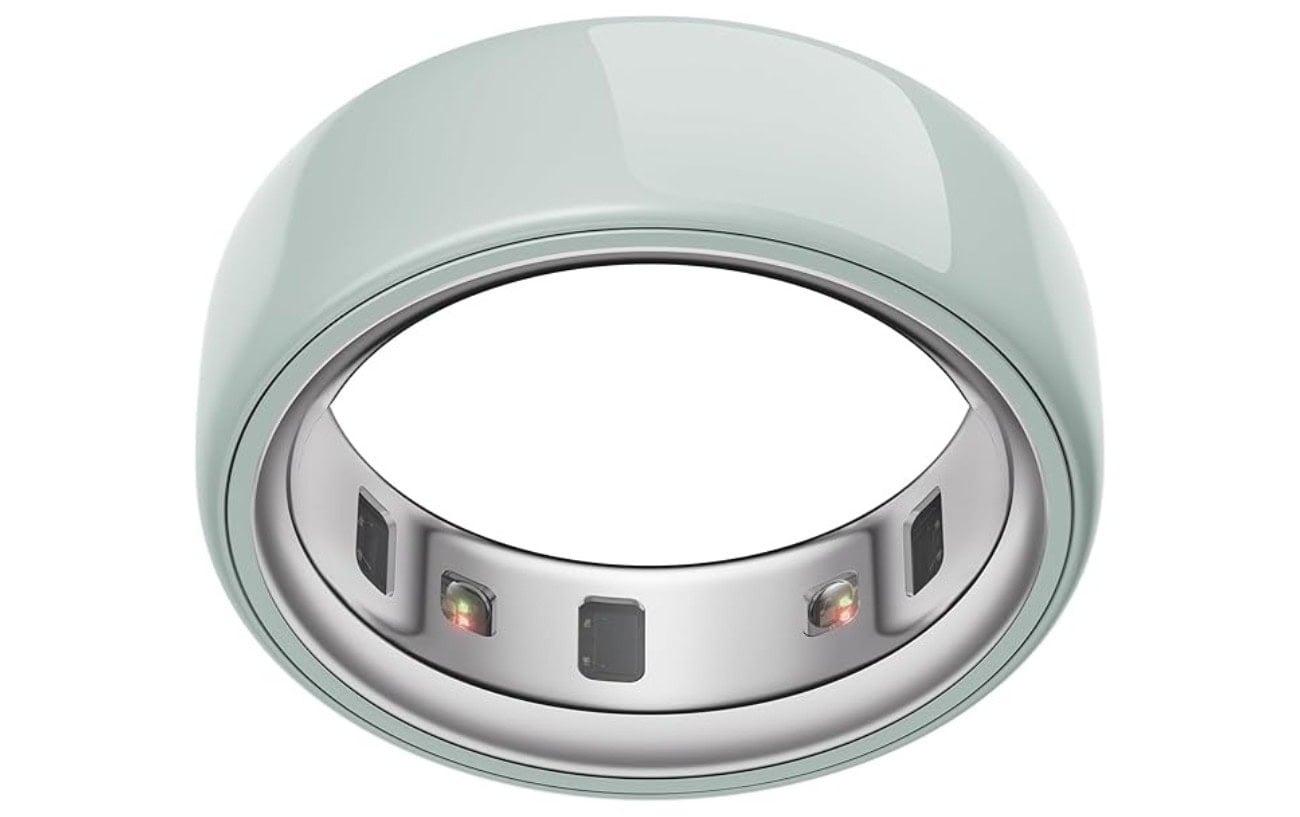
The Oura Ring isn’t a running watch — it’s a sleep, recovery, and HRV tracker that sits on your finger 24/7 and stays out of the way of every other piece of training tech you own.
The ceramic version is the new flagship: scratch-resistant zirconia, lighter than expected, and the same sensor stack as the standard Gen 4. Where it earns its keep is the readiness side of the equation. Sleep scoring is validated against polysomnography at around 79% agreement, HRV trends help you catch creeping fatigue before it ruins a training block, and the AI Advisor flags patterns most runners ignore.
The catch: there’s a monthly membership on top of the ring purchase. For runners who can’t sleep in a watch or who travel a lot, the ring is the cleaner option.
Shop On AmazonBest Wearable That’s Not A Watch: Whoop Life + 12-Month Membership
MSRP: $359 USD | Prime Day Price: $299 USD
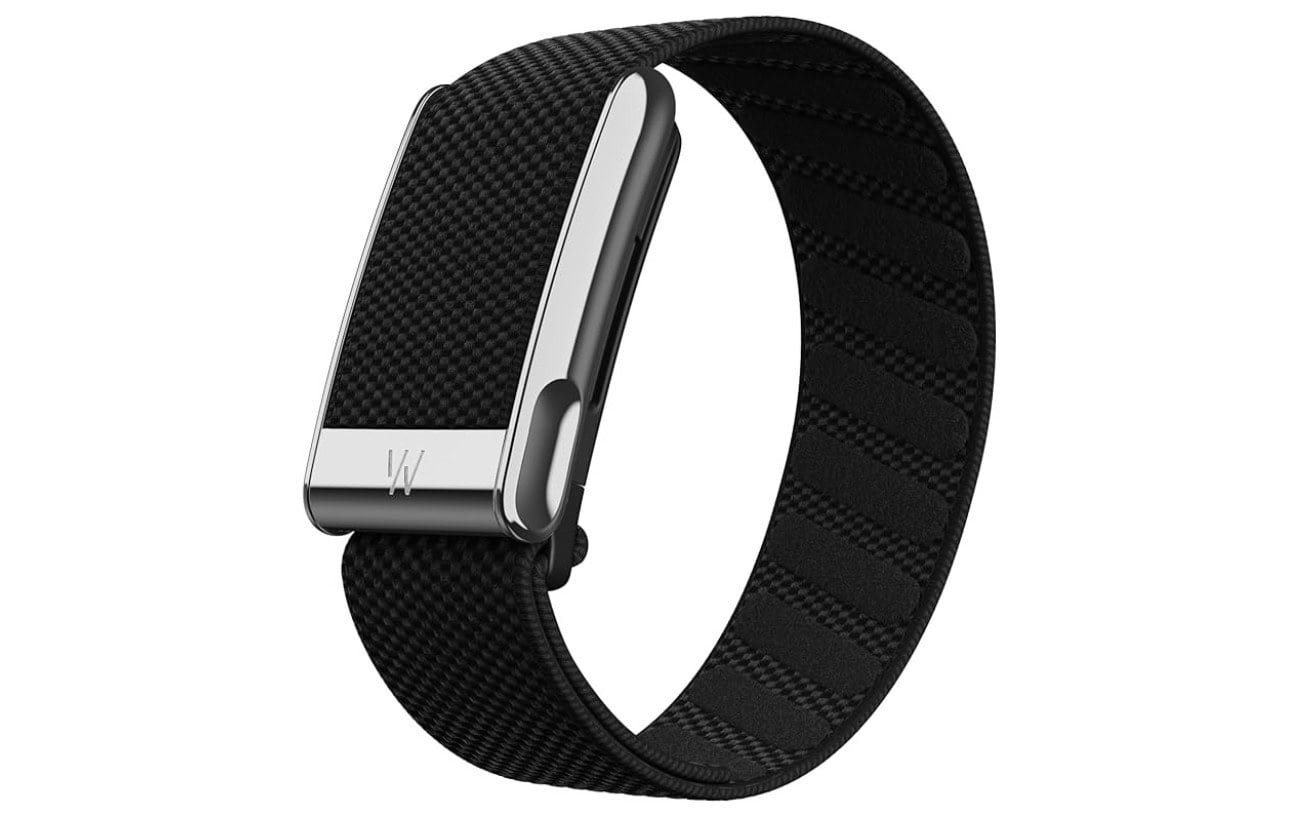
WHOOP is a complicated product. It’s a screenless wearable that lives on your wrist, bicep, or in a sports bra band, and the entire business model is the subscription — you pay annually and the hardware comes bundled.
The Life tier ($359/year) includes the MG hardware and the full feature set: HRV, sleep, strain, recovery, ECG, AFib detection, and the new blood pressure beta. The value lives in the recovery and strain coaching, which is the best in the wearable category — better than Garmin, Apple, or Oura at telling you when to push and when to ease off.
Wrist HR is fine for steady running but unreliable for intervals. If you don’t take the data seriously, you’re paying a lot of money for a strap. If you do, there’s nothing else that gives you this much insight.
Recovery and Daily Health
Best Massage Gun: Therabody Theragun Prime
MSRP: $330 USD | Prime Day Price: $200 USD
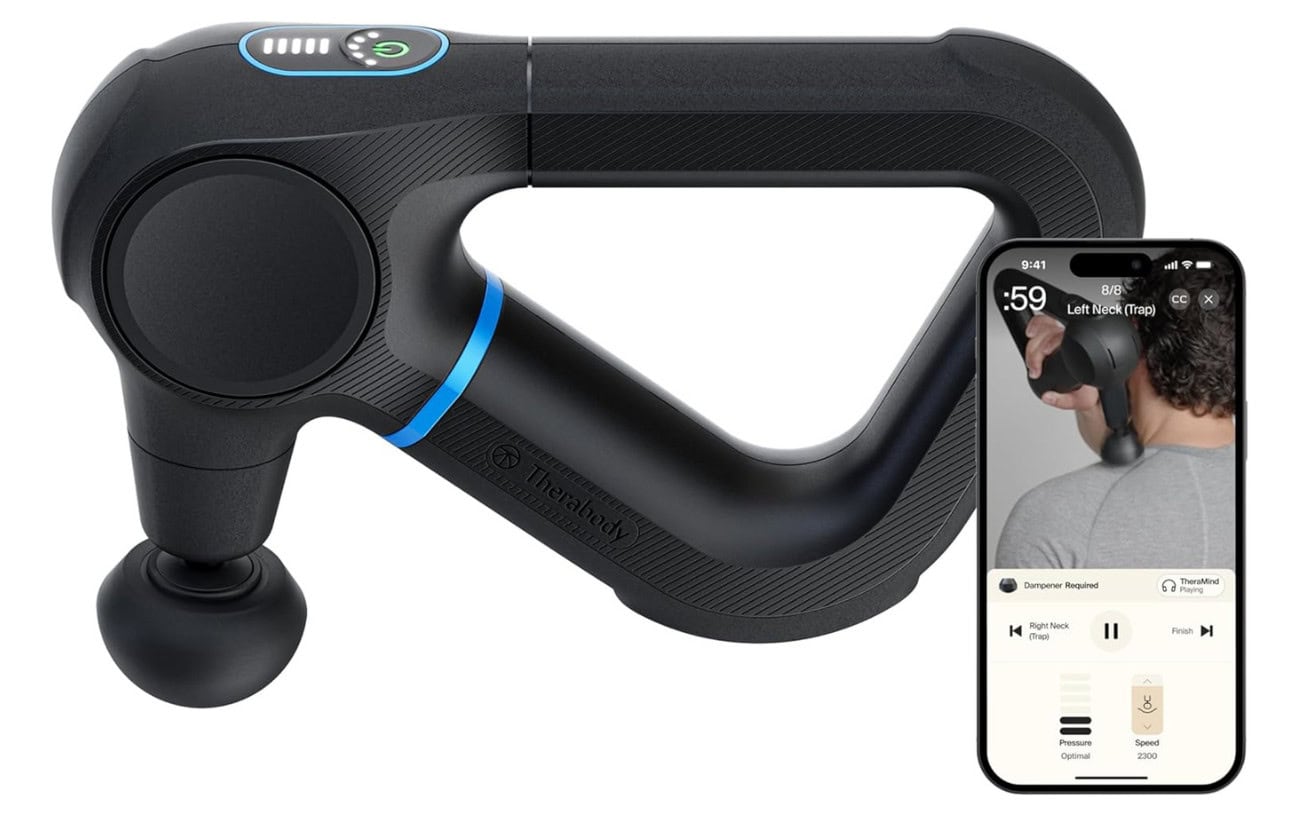
The Theragun Prime is Therabody’s mid-tier percussive massager, and it’s the model most runners actually need rather than the flagship Pro. Five speeds running 1,750 to 2,400 percussions per minute, four head attachments, a two-hour battery, and the build quality to hold up to years of being thrown in a duffel. The newest generation is 70% quieter than older Theraguns, which makes a real difference if you’d rather not announce your recovery to the rest of the house.
For runners, it earns its place on the IT band, hip flexors, and calves — areas that hate foam rolling. Don’t expect it to fix a real injury. Do expect it to make the day-after-long-run shuffle less ugly.
Best Clean Creatine: Momentous Creatine
MSRP: $40 USD | Prime Day Price: $30 USD
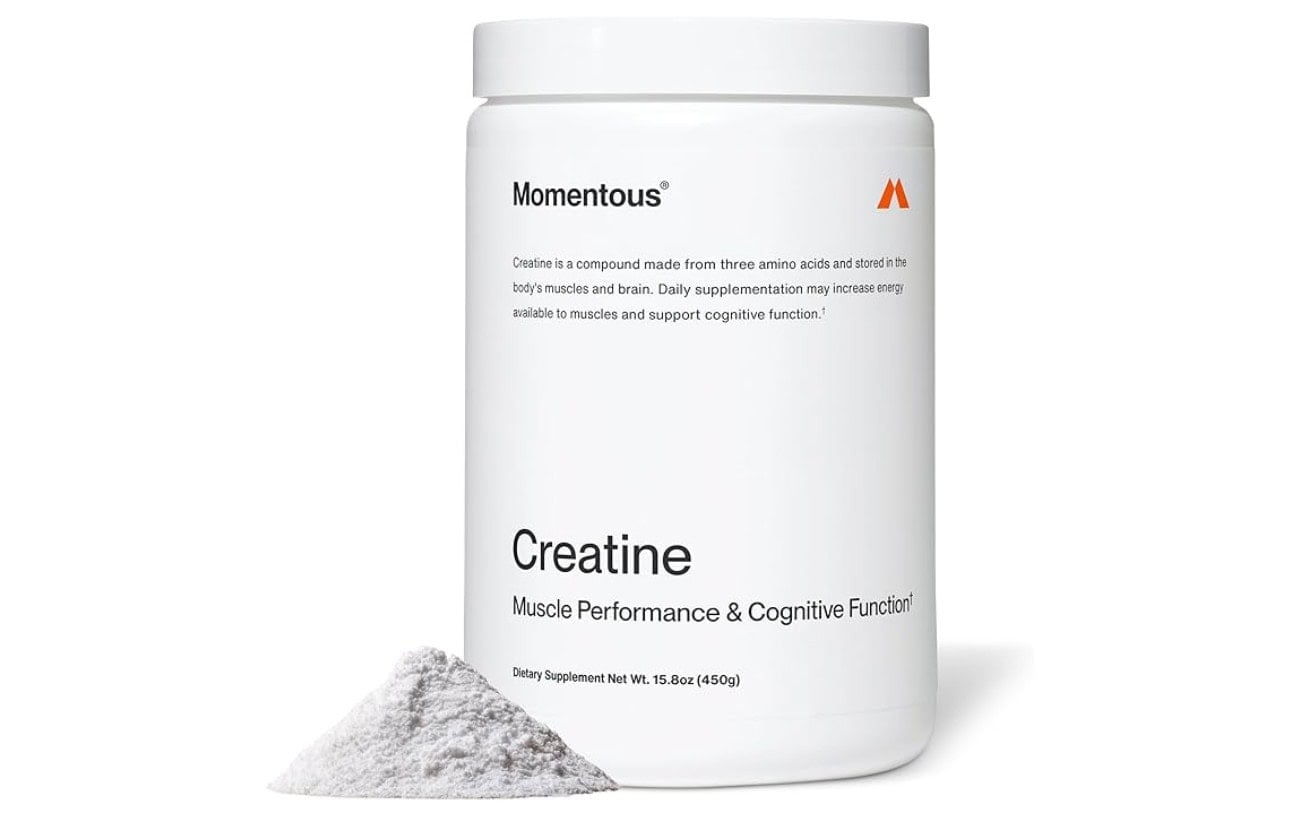
Creatine has spent two decades as the most-studied supplement in sports science, and the running community has finally caught up to what lifters figured out a long time ago: 5g a day, every day, is a small but real performance and recovery edge.
Momentous is the premium version — NSF Certified for Sport and Informed-Sport tested, which matters if you compete in any drug-tested category. The micronized powder actually dissolves rather than settling into chalk at the bottom of your glass.
For most runners, any creatine monohydrate will do the job; Momentous is the one you buy if you want zero contamination risk. The 90-serving tub is the right size to stock up on while it’s discounted.
Best Protein Shake For Busy Runners: Core Power Vanilla Protein Shake
MSRP: $39 USD | Prime Day Price: $33 USD
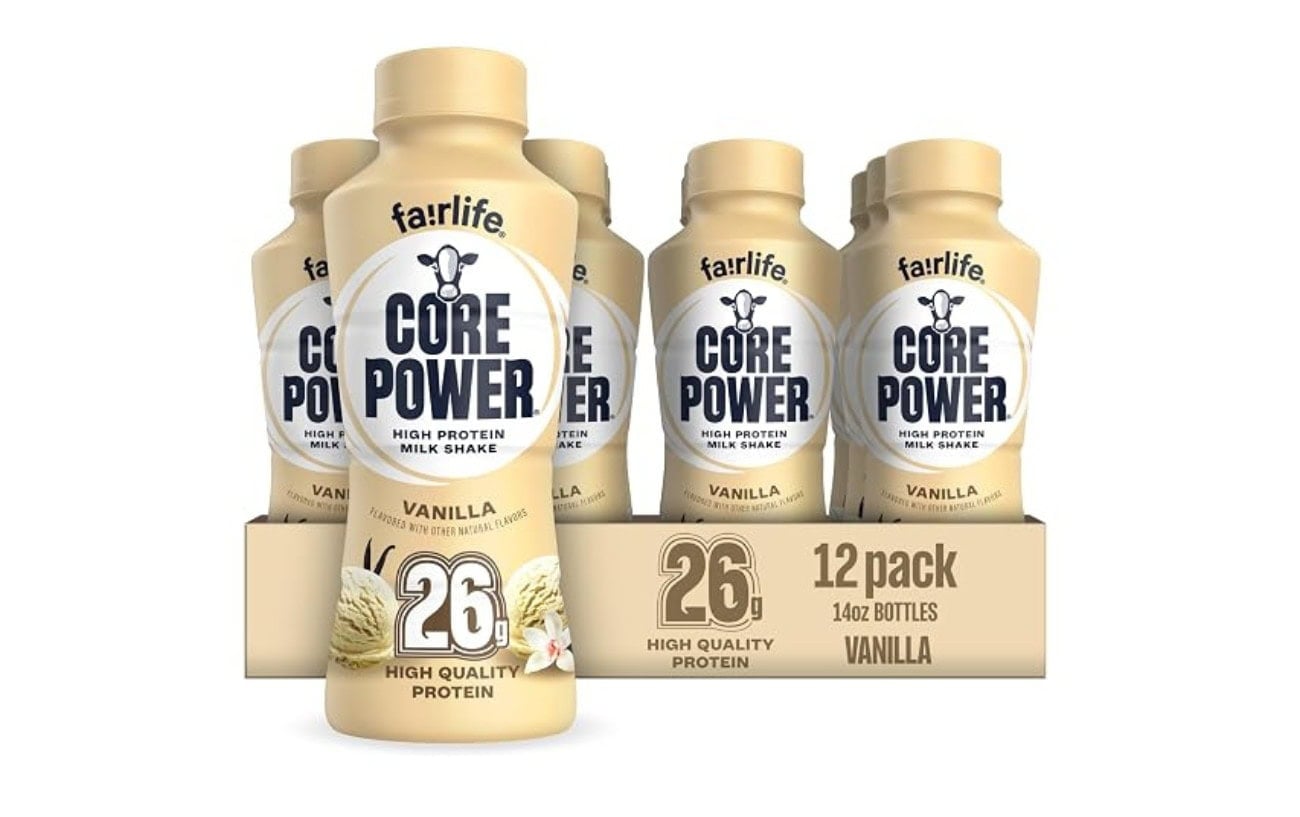
Core Power is the post-run recovery shake we keep buying when we don’t have time (or interest) in blending one. Each 14 oz bottle delivers 26 grams of protein from Fairlife’s ultra-filtered milk plus a hit of electrolytes — chocolate milk’s more serious older sibling.
The vanilla flavor is the most versatile of the lineup and doesn’t have the chalky aftertaste that ruins a lot of ready-to-drink protein shakes. The 30-minute post-workout window matters less than the internet thinks, but on long-run mornings or back-to-back training days, the convenience of grabbing one from the fridge is worth the small premium. Stock up while the multipack is discounted.
Best Sunscreen For Sweaty Days: Supergoop Unseen Sunscreen
MSRP: $180 USD | Prime Day Price: $125 USD
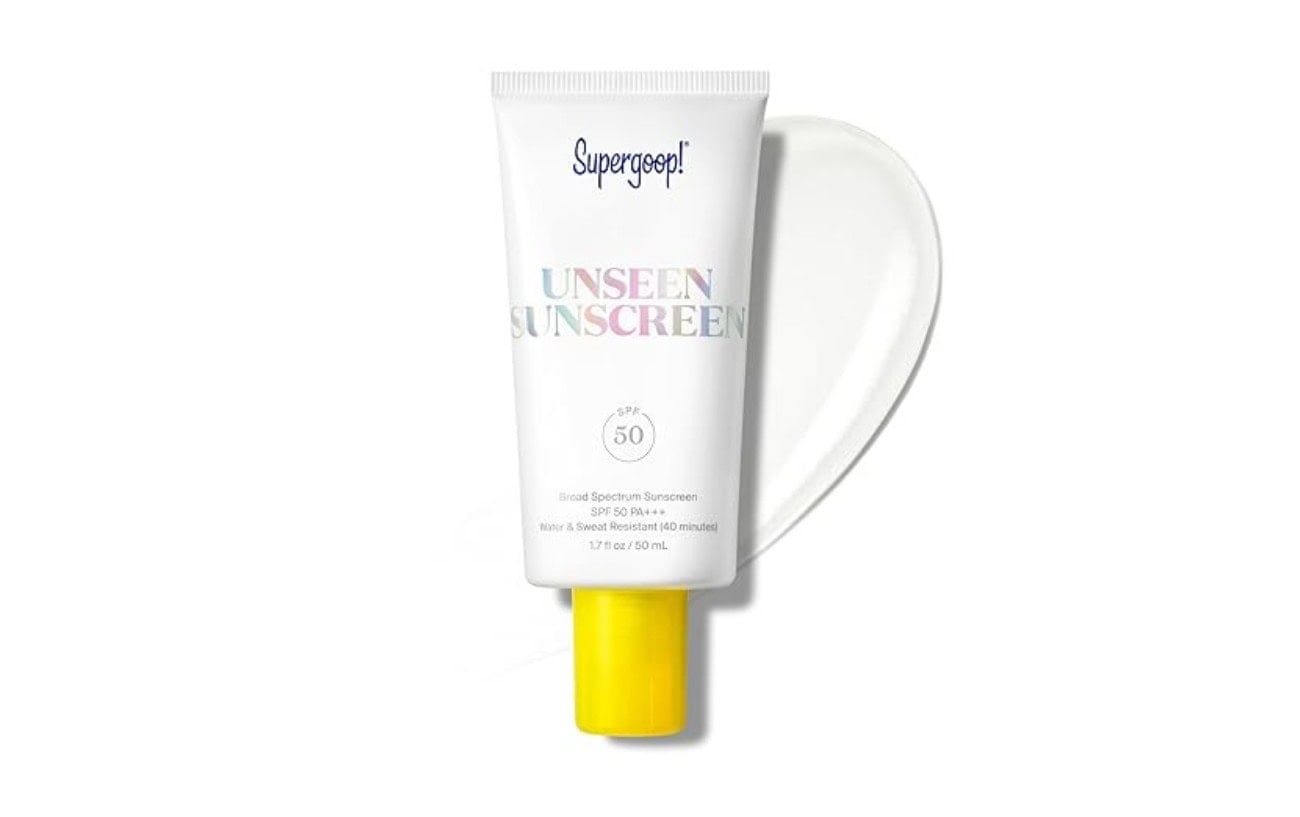
The original Unseen is a cult favorite for good reason — an oil-free, completely clear gel sunscreen that disappears into the skin without the white cast, the greasy feel, or the eye sting most chemical sunscreens come with. The catch for runners: this version is not water-resistant, which means it’ll wash off about 20 minutes into a sweaty effort.
Save it for daily wear, easy runs in cool weather, or post-run errands when you’re going to be outside but not sweating hard. For real summer training, use a water-resistant athletic sunscreen instead. At Prime Day pricing this is still one of the easier ways to upgrade your daily SPF habit — pairs nicely with our notes on slowing down “runner’s face”.
Nutrition
Best Energy Chews: Skratch Labs Energy Chews
MSRP: $27 USD | Prime Day Price: $20 USD
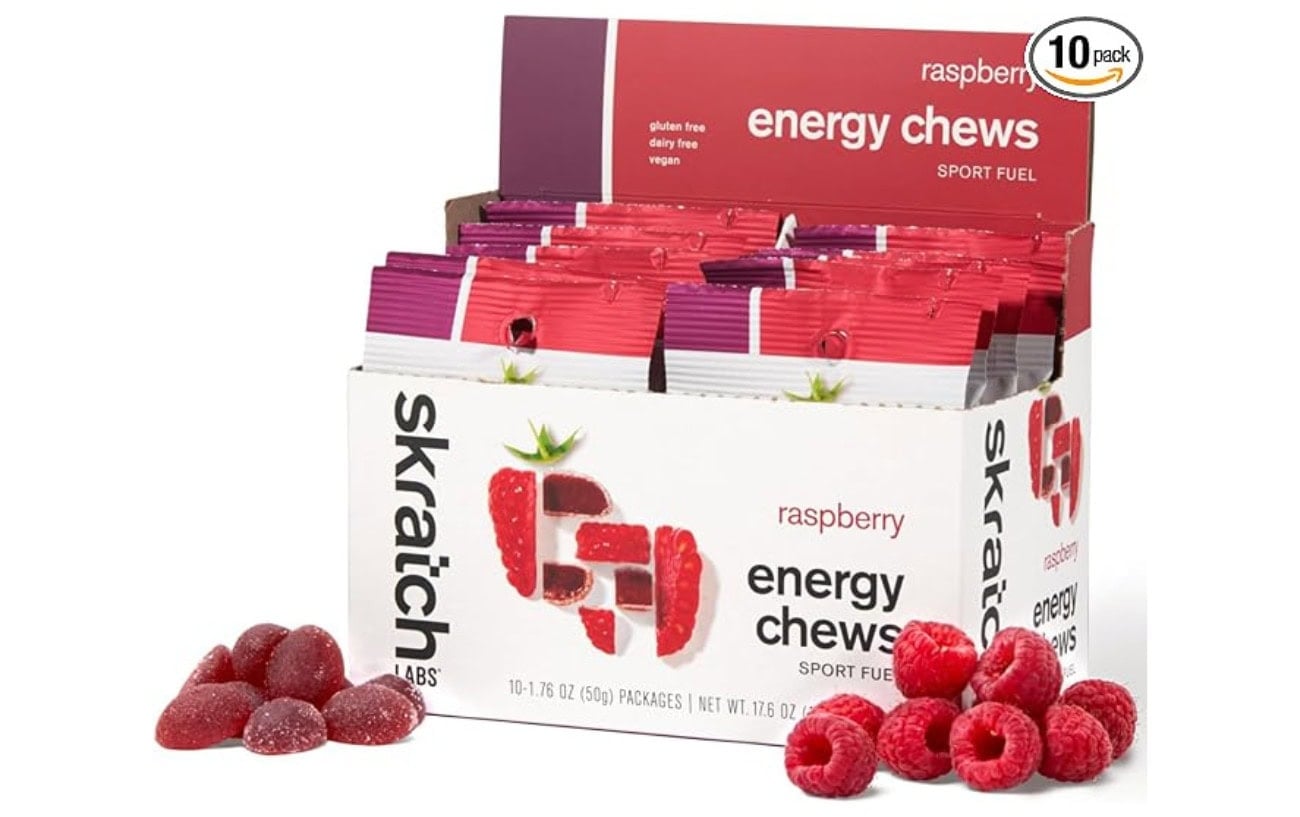
Skratch is one of the brands that quietly figured out how to make endurance fuel taste like food rather than candy. The chews use real fruit, dial back the cloying sweetness most gel makers can’t seem to resist, and stay easy on the stomach mid-effort.
Each pack is 50 grams of carbohydrate — enough for an hour or so of working-pace running — and they’re easier to manage on the move than a sticky open gel.
They are a little sticky themselves (the trade-off for the real-fruit formulation), so a vest pocket is the right home rather than a sweaty hand. For training runs where you want carbs but don’t want the syrupy mouthfeel of a gel, these are a smart swap.
Best Sugar-Free Drink Option: Liquid IV Sugar-Free
MSRP: $20 USD | Prime Day Price: $14 USD
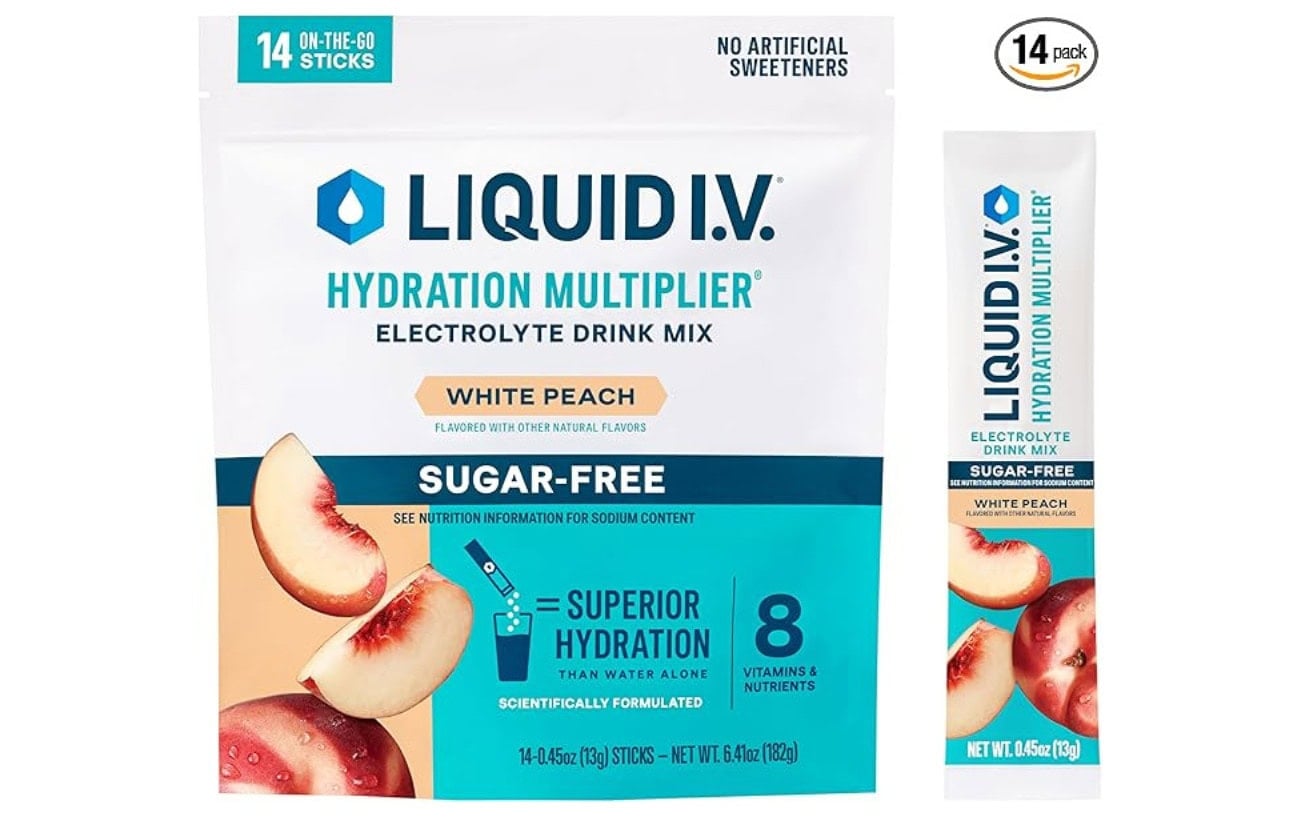
Liquid IV’s sugar-free line is what to grab if you want electrolytes without the carb load — useful for daily hydration, easy runs, or post-workout rehydration when you’ve already eaten. The White Peach is one of the more drinkable flavors in the lineup, light and floral rather than syrupy.
Each stick is high-sodium, which is the point if you’re sweating heavily, but worth being aware of if you’re salt-sensitive or watching blood pressure. The marketing around “Cellular Transport Technology” is mostly noise; what matters is the ratio of sodium, potassium, and glucose, and Liquid IV gets it right.
It’s not race-day fuel and not a replacement for a real carbohydrate drink mid-marathon — it’s for the other 20-odd hours of the day.
Best All-In-One Nutrition: Tailwind Nutrition Endurance Fuel
MSRP: $56 USD | Prime Day Price: $45 USD
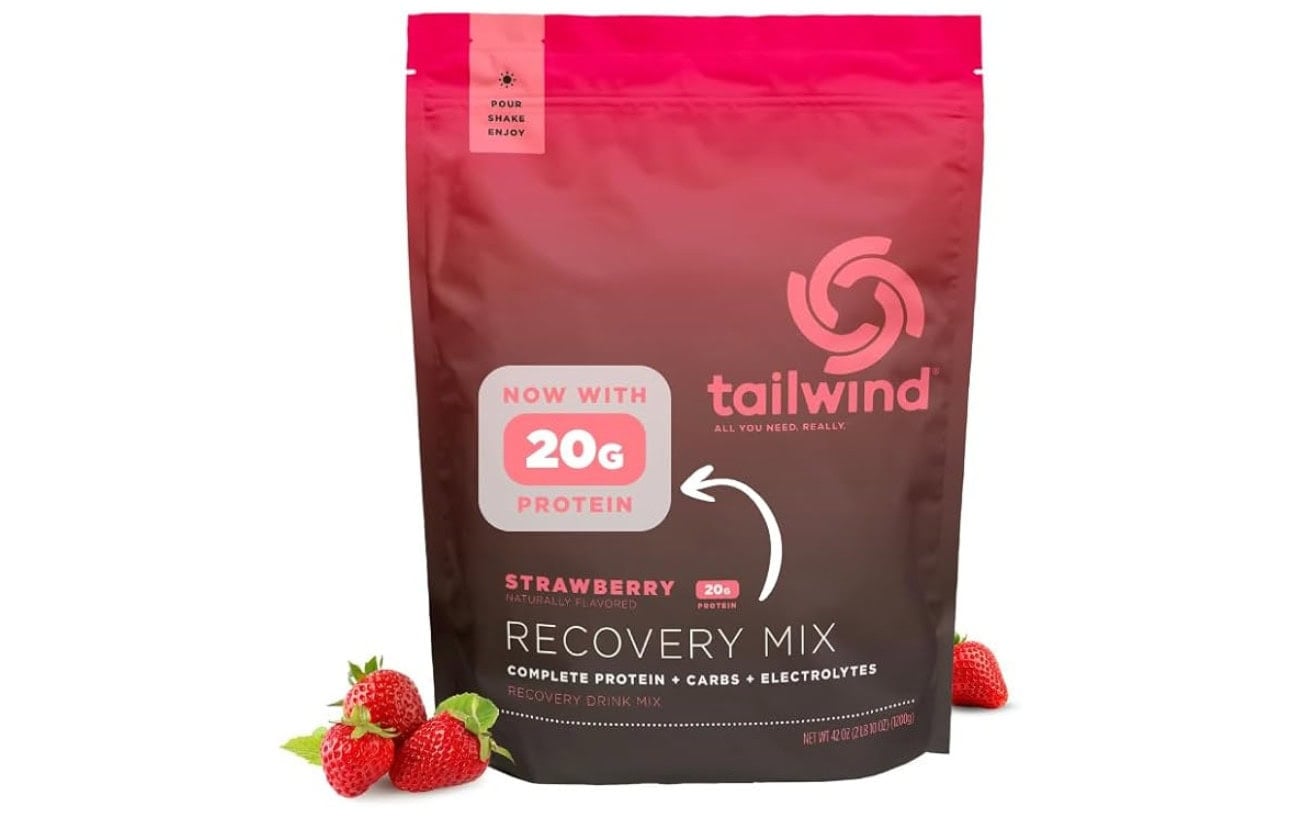
Tailwind is the do-everything-in-one-bottle solution for runners who don’t want to juggle gels and electrolytes separately. Each scoop is 100 calories of dextrose and sucrose with a built-in electrolyte profile, designed to go down easy and not sit in your stomach. The citrus flavors are particularly clean — none of the artificial-sweetener weirdness that comes with other endurance drinks.
For ultra runners and long-effort marathoners, the ability to fuel and hydrate from a single bottle (rather than chasing a gel every 30 minutes) is the entire pitch. It’s not the highest-carb option going — modern sports science is pushing toward 90–120g per hour for serious efforts — but for moderate efforts it’s the easiest way to fuel without overthinking it.
Audio
Best Headphones For Safety: Shokz OpenRun Pro
MSRP: $180 USD | Prime Day Price: $125 USD
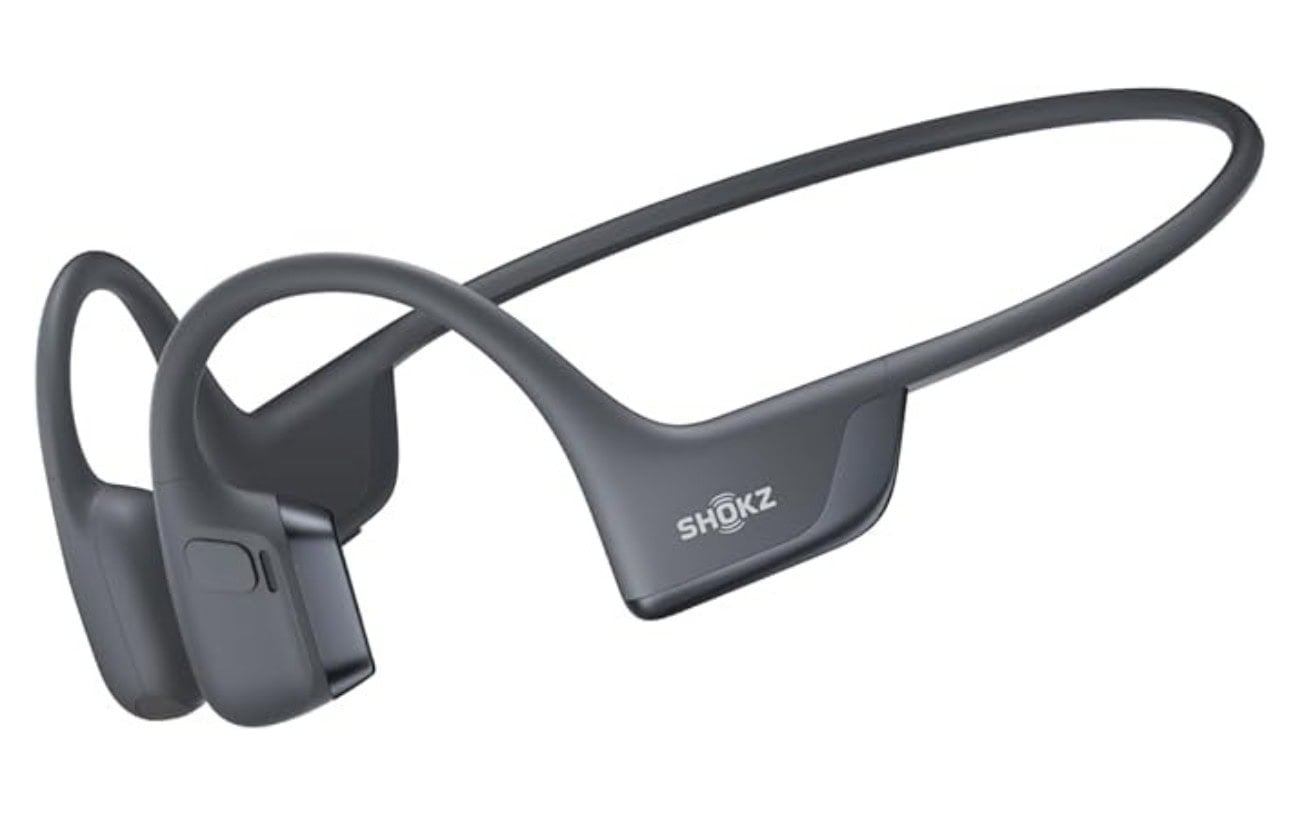
Bone conduction is the answer to the one big problem of running with headphones: you can’t hear traffic, cyclists, or the dog you’re about to trip over. The Shokz OpenRun Pro sits in front of your ear and vibrates audio through your cheekbone, leaving the ear canal completely open.
The Pro has noticeably better bass than older Shokz models thanks to a redesigned transducer, and battery life sits around 10 hours per charge. They wrap behind the neck instead of sitting in your ear, so they don’t fall out on a long run or get sweaty in a gross way. If you mostly listen to podcasts and audiobooks, this is hard to beat for running. For audiophile-grade music, look elsewhere.
Best Truly Wireless Experience: Shokz OpenFit Air
MSRP: $120 USD | Prime Day Price: $60 USD
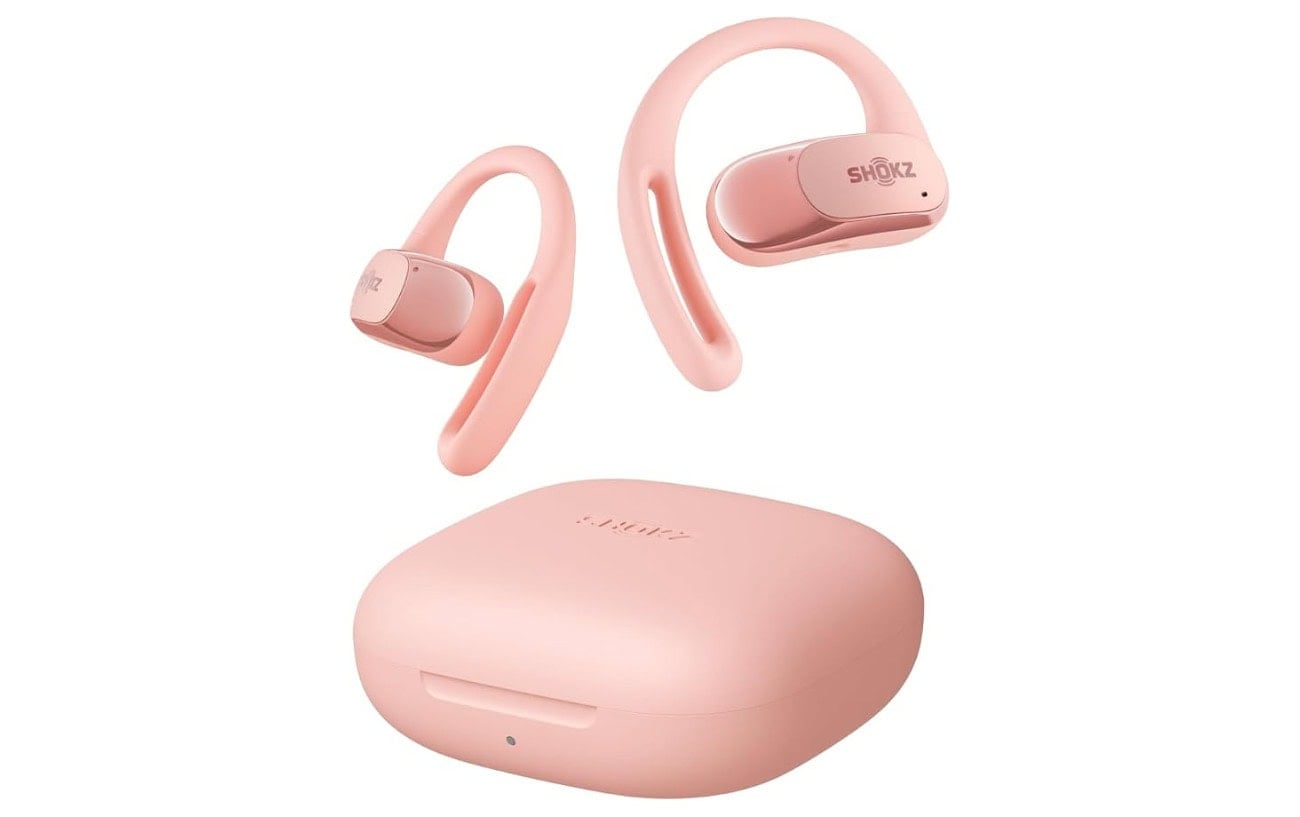
If the OpenRun Pro’s behind-the-neck band isn’t your thing, the OpenFit Air is Shokz’s true-wireless take on the same idea. Open-ear design, no canal occlusion, full situational awareness — but in earbud form so they live in a charging case. At 8.7 grams per bud, they basically disappear once they’re on.
Audio is good: clear vocals, decent bass for the form factor, and no real noise isolation by design. Battery life is six hours per charge plus another two-and-change in the case. The one thing to know — controls get glitchy if they get wet, so this isn’t your rainy-day pair. At Prime Day pricing they’re one of the easiest open-ear earbuds to recommend.
Shoes And Apparel
Best Fast Day Shoe: Mizuno Wave Rebellion
MSRP: $120 USD | Prime Day Price: $100 USD
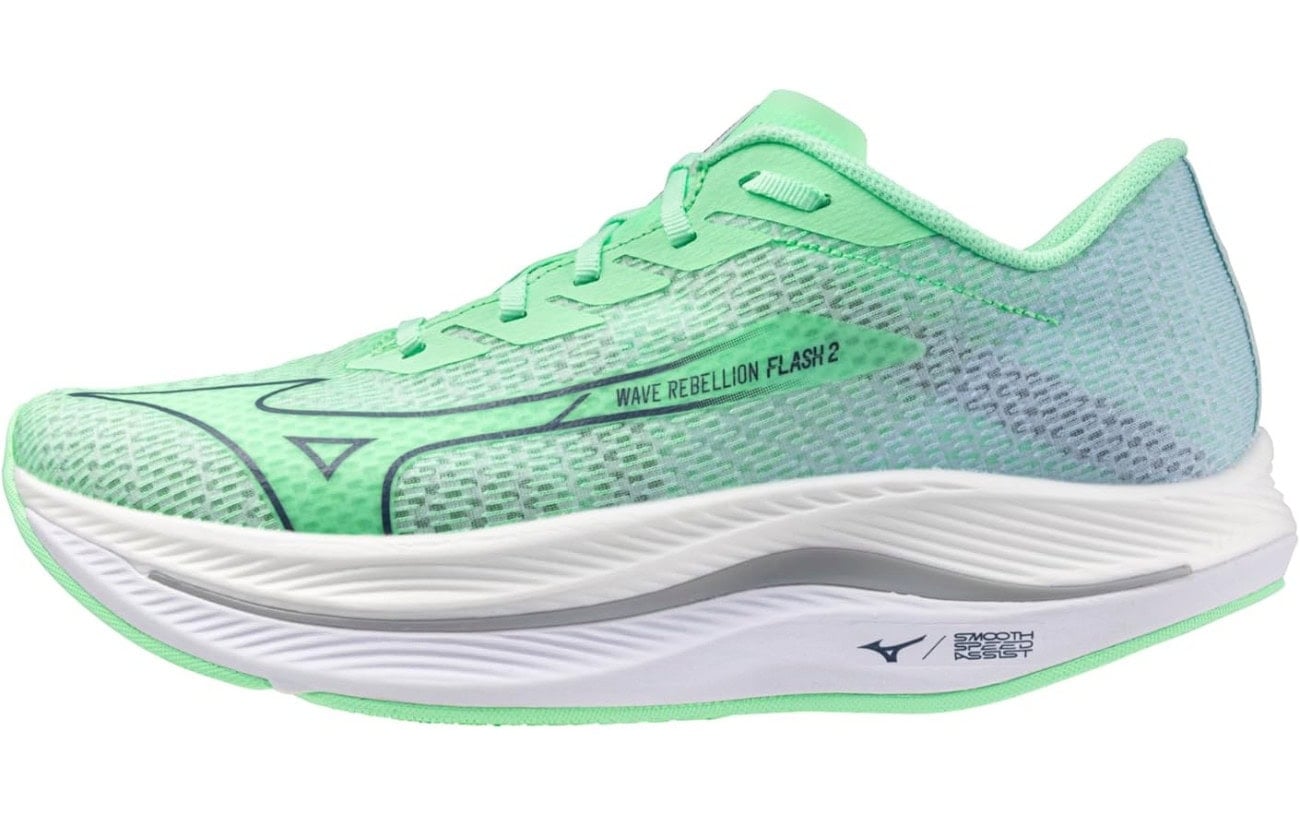
The Wave Rebellion Pro looks like it walked out of a concept-shoe drawing and someone forgot to tell Mizuno to tone it down. The dramatic heel cut-out forces a mid-forefoot landing, the Smooth Speed Assist rocker rolls you onto your toes, and a 30% carbon / 70% nylon plate sits sandwiched between two layers of PEBA-based Enerzy Lite foam. The result is one of the most propulsive super shoes you can buy, especially at marathon distance.
Stability isn’t its strong suit — sharp corners require attention — and the toe box runs narrow, so try them on or size up. For runners who want a real alternative to the Alphafly / Vaporfly / Adios Pro orthodoxy, this is the one to test. At Prime Day pricing it’s one of the cheaper carbon supershoes going.
Best Daily Trainer: Saucony Ride 18
MSRP: $85 USD | Prime Day Price: $70 USD
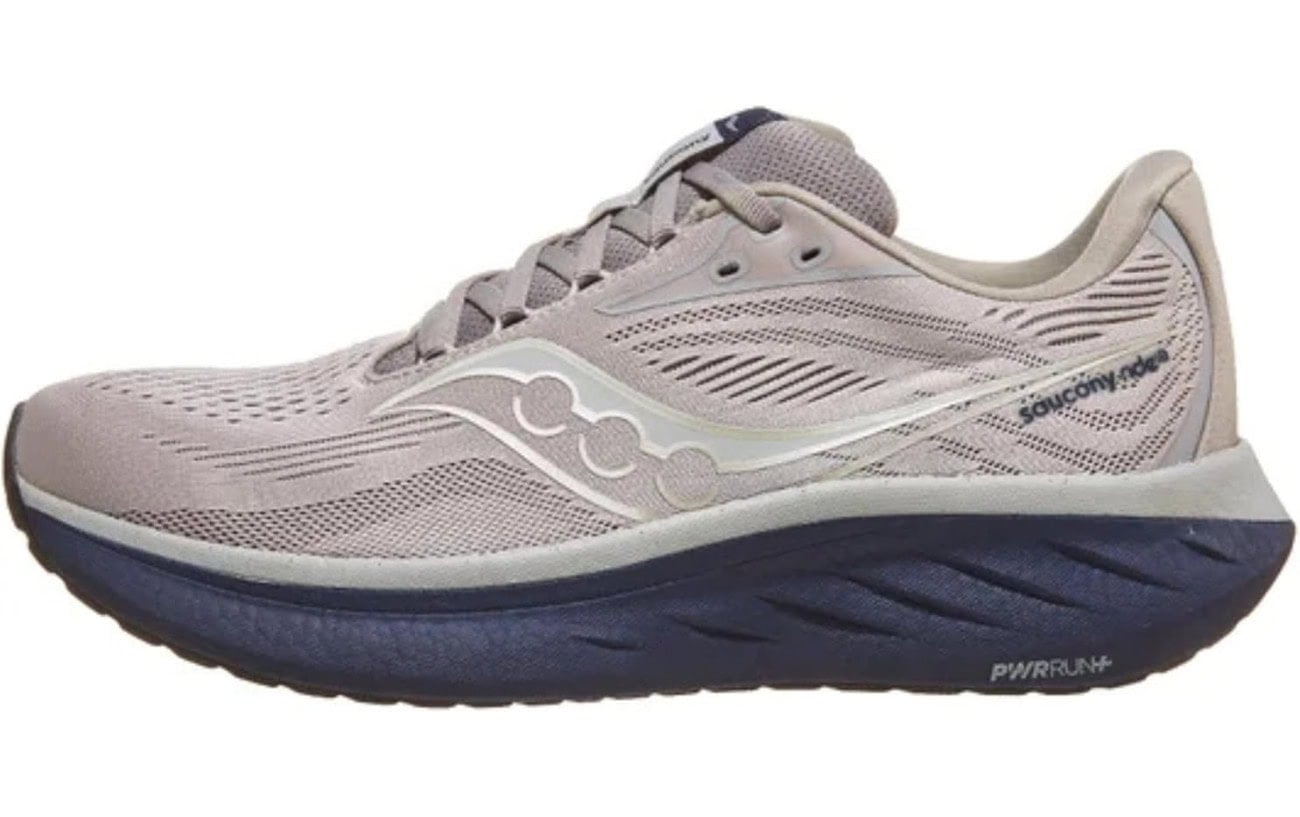
The Saucony Ride is the brand’s bread-and-butter daily trainer, and this recent generation runs on the company’s PWRRUN+ midsole — softer, springier, and more durable than the older PWRRUN compound.
It’s a high-mileage shoe in every sense: stable, cushioned without being mushy, with a wide enough toebox to handle the foot swell that comes with long efforts. The 8mm drop and middle-of-the-road stack height are conventional in the best way — this isn’t a shoe with a personality, it’s a shoe that disappears under your feet for the next 400 miles. Breathability isn’t its strongest area, so it’s better suited to cool and mild-weather miles than peak-summer training. At Prime Day pricing it’s one of the best-value daily trainers under $150.
Best Running Socks: Saucony Performance Socks
MSRP: $27 USD | Prime Day Price: $19 USD
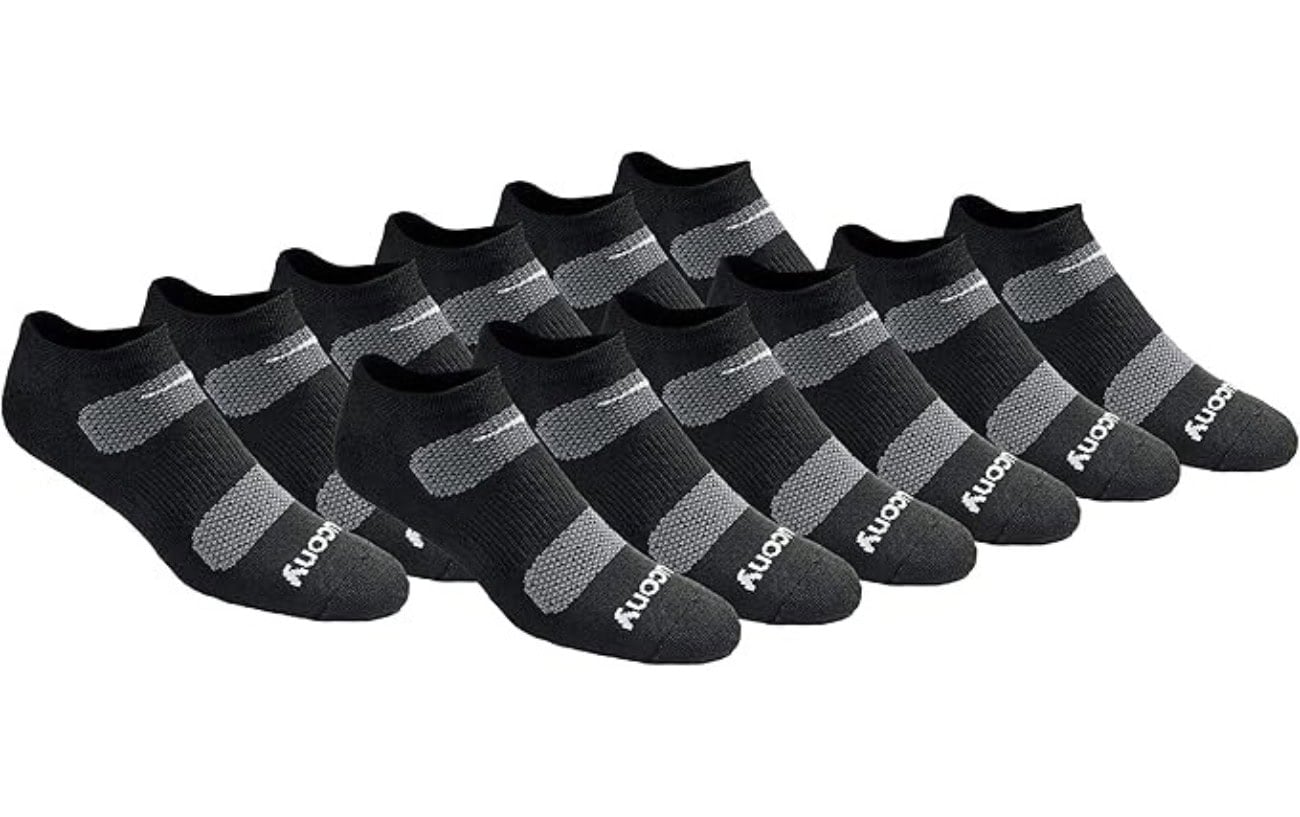
The Saucony multipacks are the socks you buy when you want decent running performance at a price-per-pair that won’t make you wince. The RunDry moisture management isn’t quite Smartwool or Balega level, but it’s a meaningful upgrade over the cotton department-store socks most beginner runners get blistered in.
The no-show cut sits below the ankle line of most shoes, the reinforced heel and toe hold up longer than the price suggests, and the arch compression keeps the sock locked to the foot through the mile. They’re maybe not what you’d race in, but they’re the socks you’d train in all week without thinking about. For runners stocking up after a season of laundry attrition, this is the right kind of bulk buy. (More on what actually matters when picking a pair in our how to choose running socks guide.)
Accessories/Other
Best Tool to Carry Your Phone: Waterfly Running Belt
MSRP: $22 USD | Prime Day Price: $17 USD
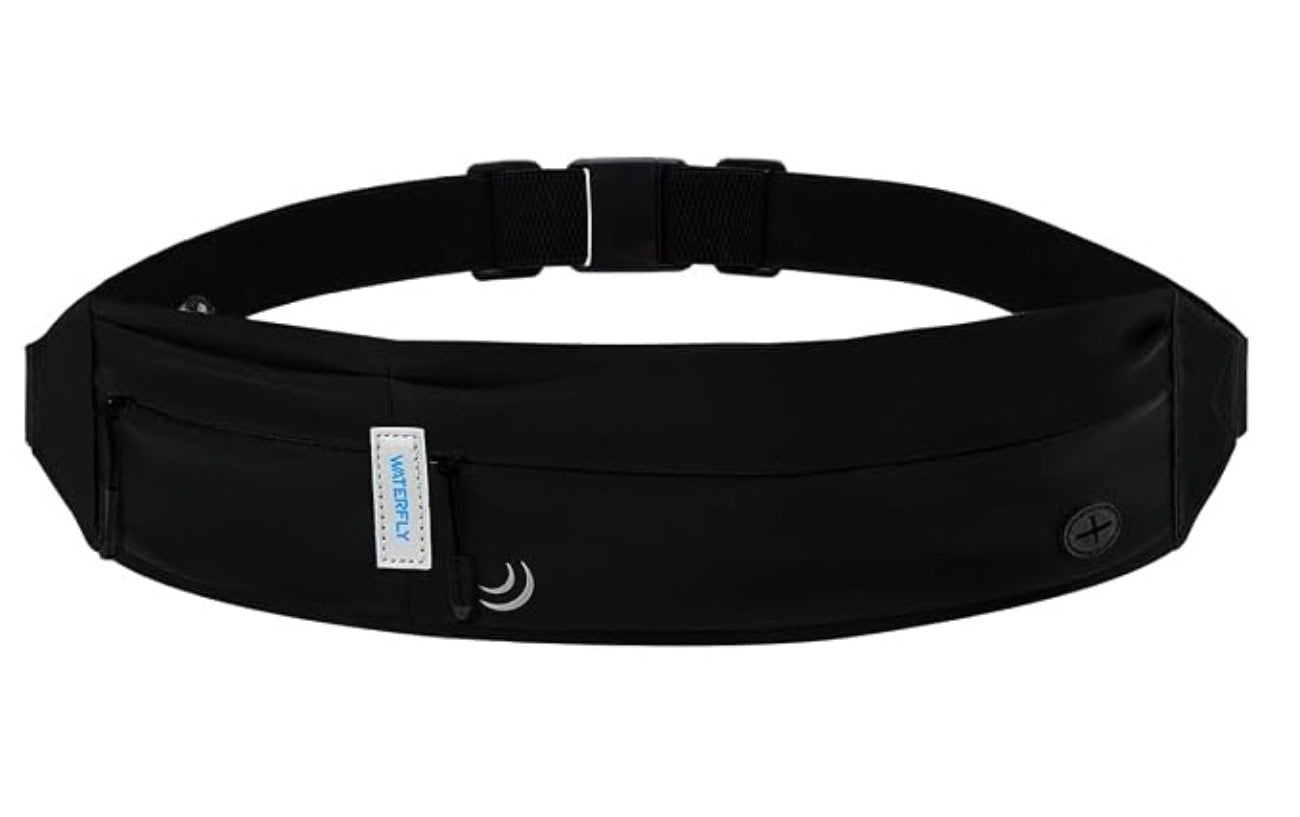
Sometimes the best gear is the cheapest thing on Amazon, and the Waterfly belt is one of those. It’s a slim, breathable waist pack that holds a phone (up to 7.5 inches), a key, a few gels, an inhaler — whatever you’re trying to carry without committing to a full vest.
The fabric is light enough that it doesn’t bounce or chafe on shorter efforts, and the multiple compartments mean your phone isn’t smashing into your keys for an hour. The Velcro closure could be stronger, so this isn’t the belt you’d take on a 100K. For daily runs, long-run nutrition, or travel runs in unfamiliar cities, it’s hard to beat for under $20. Prime Day usually knocks it down further.
Best Way To Pass A Rest Day: For The Love Of The Grind by Sara Hall
MSRP: $30 USD | Prime Day Price: $25 USD

Sara Hall’s memoir came out in April and was an instant New York Times bestseller, which is rare for a running book. Hall has been competing professionally for over twenty years, sat on podiums at major marathons, raised four daughters adopted from Ethiopia, and ran personal bests in her 40s. The book is part training philosophy, part marriage story (her husband Ryan Hall is the former American half-marathon record holder), and part candid look at competing in a results-obsessed sport while battling anxiety and self-doubt.
For runners who like long-run audiobook companions, the audio version is read by Hall herself. At Prime Day pricing it’s a cheap addition to your shelf — and one of the better-written athlete memoirs in the running canon right now.
RunClub — Free
Join 300,000+ runners in RunClub
Free training plans for every distance, a daily running game, exclusive coaching content, and a real community of runners. Create your free account in 20 seconds — no card.
Already a member? Log in →



Start the conversation