


Almost every runner has faced the familiar question from curious friends, coworkers, or family: “Why do you run?”
The truth is, every runner’s answer is unique. What motivates one person might not matter to another, and that’s part of what makes running so powerful.
The benefits of running are numerous and diverse. From boosting physical health and mental well-being to fostering community and even helping the environment, running offers something for everyone.
Which benefits matter most often depends on your goals and where you are in life, but one thing is sure: the reasons to lace up your shoes keep adding up.
In this guide, we’ll explore some of the most impactful benefits of running, spanning body, mind, and beyond, to remind you why this simple sport has such a profound impact.

26 Powerful Benefits of Running
#1: Running boosts longevity and quality of life.
One of the greatest benefits of running is its power to add years to your life while enhancing the quality of those years.
Research1Pedisic, Z., Shrestha, N., Kovalchik, S., Stamatakis, E., Liangruenrom, N., Grgic, J., Titze, S., Biddle, S. J., Bauman, A. E., & Oja, P. (2019). Is running associated with a lower risk of all-cause, cardiovascular and cancer mortality, and is the more the better? A systematic review and meta-analysis. British Journal of Sports Medicine, 54(15), bjsports-2018-100493. https://doi.org/10.1136/bjsports-2018-100493 has found that runners have about a 25-30% lower risk of all-cause mortality, and consistent running has been found2 D.-C., Brellenthin, A. G., Thompson, P. D., Sui, X., Lee, I-Min., & Lavie, C. J. (2017). Running as a Key Lifestyle Medicine for Longevity. Progress in Cardiovascular Diseases, 60(1), 45–55. https://doi.org/10.1016/j.pcad.2017.03.005 to increase your life expectancy by at least three years.
In fact, a study3Lavie, C. J., Lee, D., Sui, X., Arena, R., O’Keefe, J. H., Church, T. S., Milani, R. V., & Blair, S. N. (2015). Effects of Running on Chronic Diseases and Cardiovascular and All-Cause Mortality. Mayo Clinic Proceedings, 90(11), 1541–1552. https://doi.org/10.1016/j.mayocp.2015.08.001that looked at the disease and mortality risk of 13,000 runners over nearly 15 years, found that running as little as six miles per week—or roughly 52 minutes total—effectively reduced the risk of all-cause and CVD mortality by 30% and 45%, respectively, relative to non-runners.
Moreover, even runners who ran this little had an average increase in survival over non-runners of 3.0 and 4.1 years for all-cause and CVD-related survival, respectively.
#2: Running keeps you young.
It’s well established that running can add years to your life, but it can also add life to your years.
Running can help you stay younger and healthier relative to your age-matched peers, allowing you to live vibrantly and fully, pushing back the effects of aging for as long as possible.
For example, a study out of Stanford4Chakravarty, E. F. (2008). Reduced Disability and Mortality Among Aging Runners. Archives of Internal Medicine, 168(15), 1638. https://doi.org/10.1001/archinte.168.15.1638 compared runners in their mid-50s with age-matched non-runners over the course of 20 years.
Although both groups had the same access to medical care, the runners not only had a 50% lower death rate than the non-runners, but they also did not reach specific “disability scores” for another 11-16 years after the people who did not exercise.
The disparity between runners and non-exercisers increased even more, the older the participants grew. These results suggest that running helps keep the body younger, fitter, and healthier.

#3: Running strengthens your heart and lungs.
Running is one of the best cardiovascular workouts because it’s a weight-bearing, total-body activity.
Consistent running strengthens your heart, blood vessels, and lungs, which reduces your risk of heart disease, stroke, and cardiovascular disease.
Running as little as 5 to 10 minutes/day and at a pace of 6 miles per hour (10 km/h) or slower is associated with a significant reduction in the risk of death from cardiovascular disease.
#4: Running teaches you to set goals.
Goal-setting is a fantastic way to improve productivity in any facet of your life.
Running is one of the easiest ways to practice setting and working toward goals because it naturally lends itself to fitting into the SMART framework—specific, measurable, attainable, relevant, and time-bound.
For example, you might decide to run your first 5K in under 30 minutes, increase your weekly mileage to 20 miles, or qualify for the Boston Marathon. Each of these is clear, trackable, and has a built-in timeline.
What makes running unique is that progress is highly visible. You see improvements in pace, endurance, or consistency week after week.
This steady reinforcement not only builds confidence in your athletic abilities but also strengthens your capacity to create, stick to, and achieve goals in other parts of life.
By practicing goal-setting in running, you train your mind to break big dreams into manageable steps, embrace discipline, and celebrate small wins along the way.
#5: Running strengthens your immune system.
While it’s true that extreme overtraining or back-to-back hard workouts can temporarily suppress immunity, consistent moderate-intensity running actually helps strengthen your body’s defenses.
Regular aerobic exercise has been shown to reduce chronic inflammation, support a healthy gut microbiome, and improve the circulation and activity of immune cells.
The result?
Runners often experience fewer colds and infections compared to those who live sedentary lifestyles. By keeping your training balanced and avoiding overtraining, running can be one of the most effective tools to build resilience against everyday illnesses and keep you feeling healthy year-round.

#6: Running improves your aerobic capacity.
Runners often come across the term VO2 max, sometimes even seeing estimated values pop up on their GPS watches or fitness apps.
Simply put, VO2 max is a measure of your aerobic capacity which is the maximum amount of oxygen your body can take in and use during exercise.
The higher your VO2 max, the more efficiently your body can deliver oxygen to your muscles, which translates to better endurance and faster running.
It’s not just about performance on the roads or trails either: a strong aerobic engine gives you a solid foundation for any physical activity.
For example, if your family rents bikes on vacation, even if you rarely cycle, your aerobic fitness from running will help you keep pace without feeling completely out of breath. Running strengthens your cardiovascular system in a way that carries over to all kinds of active pursuits.
#7: Running boosts your mood and can fight depression.
Most runners know that even a short run can leave you feeling happier and more emotionally buoyant. That post-run glow isn’t just in your head; it’s backed by science.
Running stimulates the release of endorphins and endocannabinoids, two natural chemicals in the brain that help reduce stress and elevate mood. This is often referred to as the “runner’s high”, a state of calm and euphoria that can help melt away the day’s worries.
Research shows that running can alleviate symptoms of depression and anxiety when incorporated consistently. Beyond chemical changes, running provides structure, a sense of accomplishment, and time outdoors, all of which are powerful mood-boosters.5Kvam, S., Kleppe, C. L., Nordhus, I. H., & Hovland, A. (2016). Exercise as a treatment for depression: A meta-analysis. Journal of Affective Disorders, 202(202), 67–86. https://doi.org/10.1016/j.jad.2016.03.063
Even just 20–30 minutes of moderate running a few times per week can help improve overall emotional well-being.
#8: Running can reduce stress.
Exercise is one of the most effective tools for managing stress, reducing cortisol levels, and alleviating anxiety.
For many runners, the daily run becomes a natural, drug-free stress reliever, almost like hitting a reset button for the mind. Beyond the immediate sense of calm, consistent running can also foster long-term resilience, enabling you to handle future challenges with greater ease and emotional balance.

#9: Running helps you build lasting friendships.
Running can be one of the most social sports, if you want it to be. Joining a local club or team, linking up with neighbors, jumping into Parkruns or community races, or even volunteering at events opens the door to meeting new people.
As adults, making friends doesn’t always come as naturally as it did in school or through childhood activities. If you’ve recently moved or feel like your social circle could use a boost, running offers a natural way to connect with others who share your passion.
And perhaps best of all? Running side by side often leads to long, meaningful conversations. Friendships forged one mile at a time.
#10: Running helps you establish a routine.
Running adds structure and balance to your day.
Having a daily routine makes life feel more organized and productive, and running can be the perfect anchor for that routine.
For some, running in the morning is the ultimate way to kickstart the day with energy and focus. Others prefer to run during lunch, using the miles to reset and recharge for the afternoon. Evening runners often treat their run as a way to decompress, shake off stress, and transition out of work mode.
No matter when you choose to run, building it into your daily rhythm provides structure, balance, and a sense of accomplishment that carries over into the rest of your life.

#11: Running connects you to nature.
Research shows6Lahart, I., Darcy, P., Gidlow, C., & Calogiuri, G. (2019). The Effects of Green Exercise on Physical and Mental Wellbeing: A Systematic Review. International Journal of Environmental Research and Public Health, 16(8), 1352. https://doi.org/10.3390/ijerph16081352that compared to exercising indoors, working out outside confers significant mental health benefits. This can take on many forms of exercise, but running is a great one for releasing endorphins.
Running outdoors gives you an opportunity to unplug from screens and devices and soak in the fresh air and vitamin D7Nair, R., & Maseeh, A. (2012). Vitamin D: The “sunshine” vitamin. Journal of Pharmacology & Pharmacotherapeutics, 3(2), 118–126. https://doi.org/10.4103/0976-500X.95506from the sunshine.
From quiet wooded trails to grassy meadows and sandy beaches to city roads, running outside can improve your mood and overall health.
#12: Running protects your joints.
Don’t believe the well-meaning naysayers who say that running is bad for your knees or will render you due for a hip replacement by age 50.
Running may actually improve the health of your joints and decrease the risk of arthritis.
Studies have found8Ponzio, D. Y., Syed, U. A. M., Purcell, K., Cooper, A. M., Maltenfort, M., Shaner, J., & Chen, A. F. (2018). Low Prevalence of Hip and Knee Arthritis in Active Marathon Runners. Journal of Bone and Joint Surgery, 100(2), 131–137. https://doi.org/10.2106/jbjs.16.01071 that running can improve the health of the spine, while other research has shown that runners may have healthier knees than sedentary age-matched peers.

#13: Running is meditative for calm and clarity.
The repetitive motion of running can be very meditative and relaxing.
If you choose to run without music or audio, and on your own rather than with running buddies, you can tune out the world and focus inward on your own breathing and the pitter-patter of your feet hitting the road or trail.
You can let your mind wander while you run, or try to hone your focus on just one thing (like your breath or keeping your core engaged).
In this way, running offers you a chance to disengage from the hubbub of everyday life and find a sense of calm and inner peace.
#14: Running benefits your pup.
Running with your dog not only gives you an eager and reliable running companion, but also is a great way to give your dog exercise.
Just make sure to check with your vet before starting to run with your dog. Progress slowly to give your pup time to get used to distance running, and consider the mileage your dog can safely handle.
#15: Running strengthens your muscles.
Running engages nearly all the major muscle groups in your body, from your glutes, quads, and hamstrings to your calves, core, and arms.
By strengthening these muscles, running not only improves your athletic performance but also makes everyday activities, like climbing stairs, carrying groceries, or even going for a long walk, feel easier and more manageable.

#16: Running torches calories and supports a healthy weight.
Many runners enjoy the potential weight-loss benefits of running.
Running is a vigorous, total-body workout that burns a significant number of calories.
Therefore, when paired with a healthy, calorie-controlled diet, running can be an effective way to lose weight or maintain a healthy weight.
#17: Running boosts brain health.
We often hear about the mental health benefits of running, such as improvements in depression and anxiety, but there are also cognitive health benefits of running for the brain.
Increased blood circulation to the brain as you run stimulates the release of brain-derived neurotrophic factor, a protein that increases the proliferation and longevity of neurons in the brain.
Furthermore, having a higher fitness level has been linked to increasing the total volume of gray matter in your brain.
#18: Running can improve your sleep.
Many adults struggle to fall asleep and stay asleep despite feeling some degree of chronic fatigue.
Although overtraining can interfere with getting quality sleep, research has found that running for 30 minutes in the morning can promote more restful sleep at night.

#19: Running can reduce the risk of certain cancers.
Cancer is one of the more frightening diagnoses, and although it seems like the risk factors for cancer are vast and multifactorial, running might be one thing that takes your cancer risk down a few pegs.
According to research9Moore, S. C., Lee, I-Min., Weiderpass, E., Campbell, P. T., Sampson, J. N., Kitahara, C. M., Keadle, S. K., Arem, H., Berrington de Gonzalez, A., Hartge, P., Adami, H.-O., Blair, C. K., Borch, K. B., Boyd, E., Check, D. P., Fournier, A., Freedman, N. D., Gunter, M., Johannson, M., & Khaw, K.-T. (2016). Association of Leisure-Time Physical Activity With Risk of 26 Types of Cancer in 1.44 Million Adults. JAMA Internal Medicine, 176(6), 816–825. https://doi.org/10.1001/jamainternmed.2016.1548, running has been shown to help reduce the risk of 26 different cancers, independent of other risk factors.
#20: Running is good for the environment.
If you choose to run to work on foot or run from point A to point B instead of driving your car, running is a great way to reduce your carbon footprint and environmental impact.
#21: Running is a low-cost activity.
Compared to many other sports and hobbies, such as triathlon, skiing, and cycling, running is one of the most cost-effective physical activities.
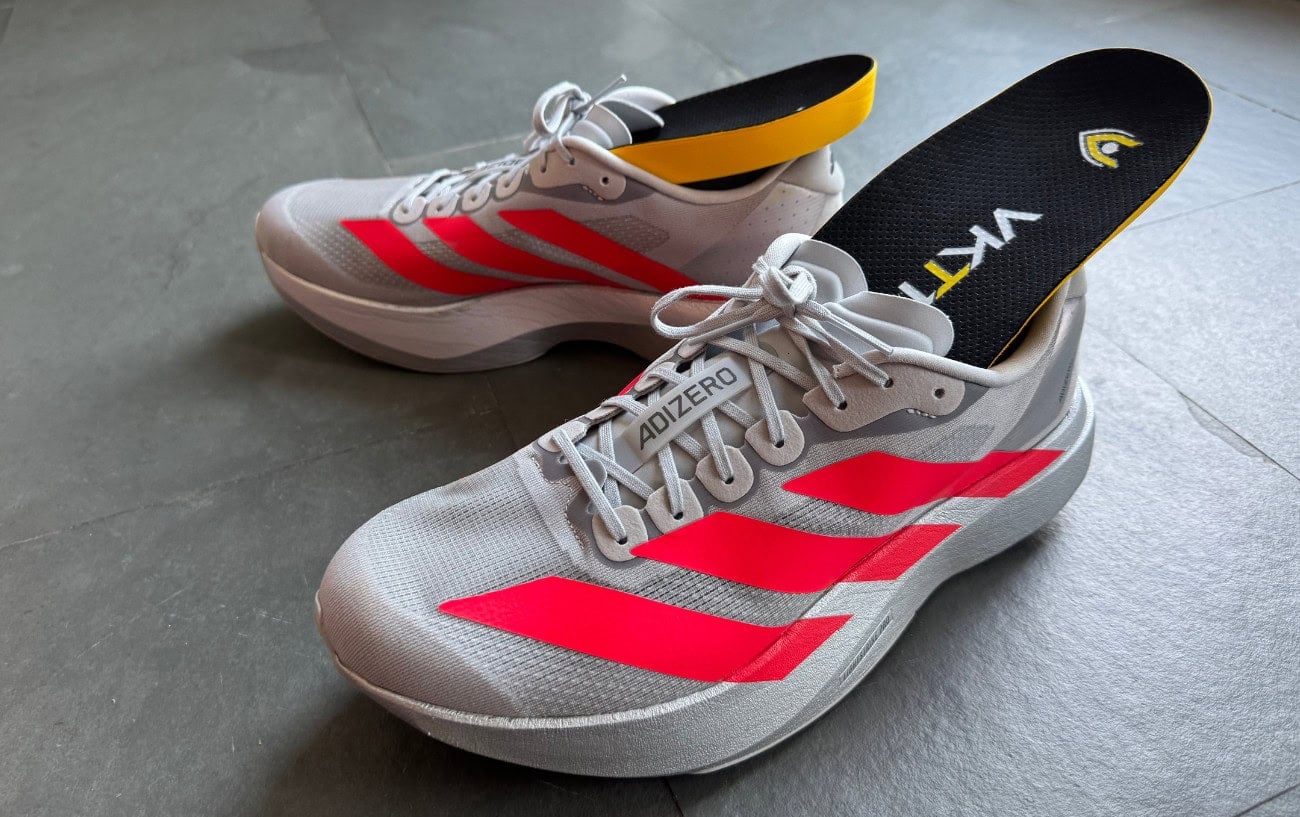
With just the recurring investment of a good pair of running shoes, you need very little gear or equipment to run. Most running clubs are free or have a small membership fee.
Most people can also run outside, negating the need for an ongoing gym membership or location fees, such as when you need to buy a lift pass for skiing or rent court time for tennis or squash.
You can save money on running shoes and clothing by shopping during sales or buying older models that have been updated.

#22: Running can balance blood sugar and lower diabetes risk.
Insulin resistance, pre-diabetes, and type 2 diabetes are approaching nearly pandemic levels of prevalence these days.
Exercise is a great way to increase insulin sensitivity and lower blood glucose levels.
Studies looking specifically at the rates of diabetes in runners versus non-runners have found that running reduces the risk of developing diabetes.
For example, in one massive study10Wang, Y., Lee, D., Brellenthin, A. G., Eijsvogels, T. M. H., Sui, X., Church, T. S., Lavie, C. J., & Blair, S. N. (2019). Leisure-Time Running Reduces the Risk of Incident Type 2 Diabetes. The American Journal of Medicine, 132(10), 1225–1232. https://doi.org/10.1016/j.amjmed.2019.04.035that followed 19,000 adults over the course of six years, found that runners had a 72% lower rate of developing diabetes compared to non-runners.
#23: Running can lower your blood pressure.
High blood pressure, known as hypertension, is one of the primary risk factors for cardiovascular disease, heart attack, and stroke.
Regular exercise is an excellent way to improve heart health. Cardiovascular fitness, achieved through regular running or brisk walking, will reap the benefits of exercise and hopefully improve cardiovascular health.
According to the Centers of Disease Control and Prevention and the American College of Cardiology (ACC) (CDC)11Centers for Disease Control and Prevention. (2020, February 5). Hypertension Prevalence in the U.S. | Million Hearts®. Centers for Disease Control and Prevention. https://millionhearts.hhs.gov/data-reports/hypertension-prevalence.html, nearly half (47%) of all adults in the United States have hypertension or are taking medication to control blood pressure. There’s evidence to suggest that cardio exercise, such as running, can be as effective as anti-hypertensive medications in lowering blood pressure.
#24: Running can improve your memory.
Aerobic exercise, such as running, has been shown to keep your mind sharp by improving executive function and working memory. Research suggests that consistent running not only enhances cognitive performance in the short term but may also help protect against age-related cognitive decline.12Guiney, H., & Machado, L. (2012). Benefits of regular aerobic exercise for executive functioning in healthy populations. Psychonomic Bulletin & Review, 20(1), 73–86. https://doi.org/10.3758/s13423-012-0345-4

#25: Running boosts self-esteem.
When you accomplish running goals and feel fit and strong in your body, you feel good about yourself. Running boosts your confidence. It can make you feel capable, competent, and unstoppable.
#26: Running is fun.
Running can be one of the most joyous, fun activities—think about the squeals of delight that kids make as they run around chasing one another on a playground or playing tag.
If you make your running “play-like,” you can bring about the bliss you felt while running as fast as you could as a child.
To make running more enjoyable, be sure to incorporate variety into your routes and workouts. Think of yourself as an explorer and venture into new areas of your town or explore cool trails.
On days when you’re not feeling motivated to run, review this list of the top benefits of running. There must be at least one or two benefits of running that resonate with you and will give you the motivation you need to lace up your shoes and go for a run.
To keep things interesting, check out our guide to different running workout types and switch up your routine today:
References
RunClub — Free
Join 300,000+ runners in RunClub
Free training plans for every distance, a daily running game, exclusive coaching content, and a real community of runners. Create your free account in 20 seconds — no card.
Already a member? Log in →










Start the conversation