


Brooks Running reported 14 percent revenue growth for the first six months of 2026 on Wednesday, a company record, one day after investors sent shares of its faster-growing rival On down as much as 22 percent on a weaker-than-expected sales report. The two results, a day apart, point to a running-shoe market that is starting to reward different things from its biggest brands.
Brooks, a private company owned by Berkshire Hathaway, does not disclose its revenue in dollars, so the report gave percentages instead. Growth over the half ran to 9 percent in the Americas and 10 percent in Asia-Pacific, with the company’s European, Middle Eastern and African markets its strongest at 39 percent. Brooks said it had held the No. 1 spot in United States run-specialty stores, the shops where committed runners tend to buy, for the sixth month running.
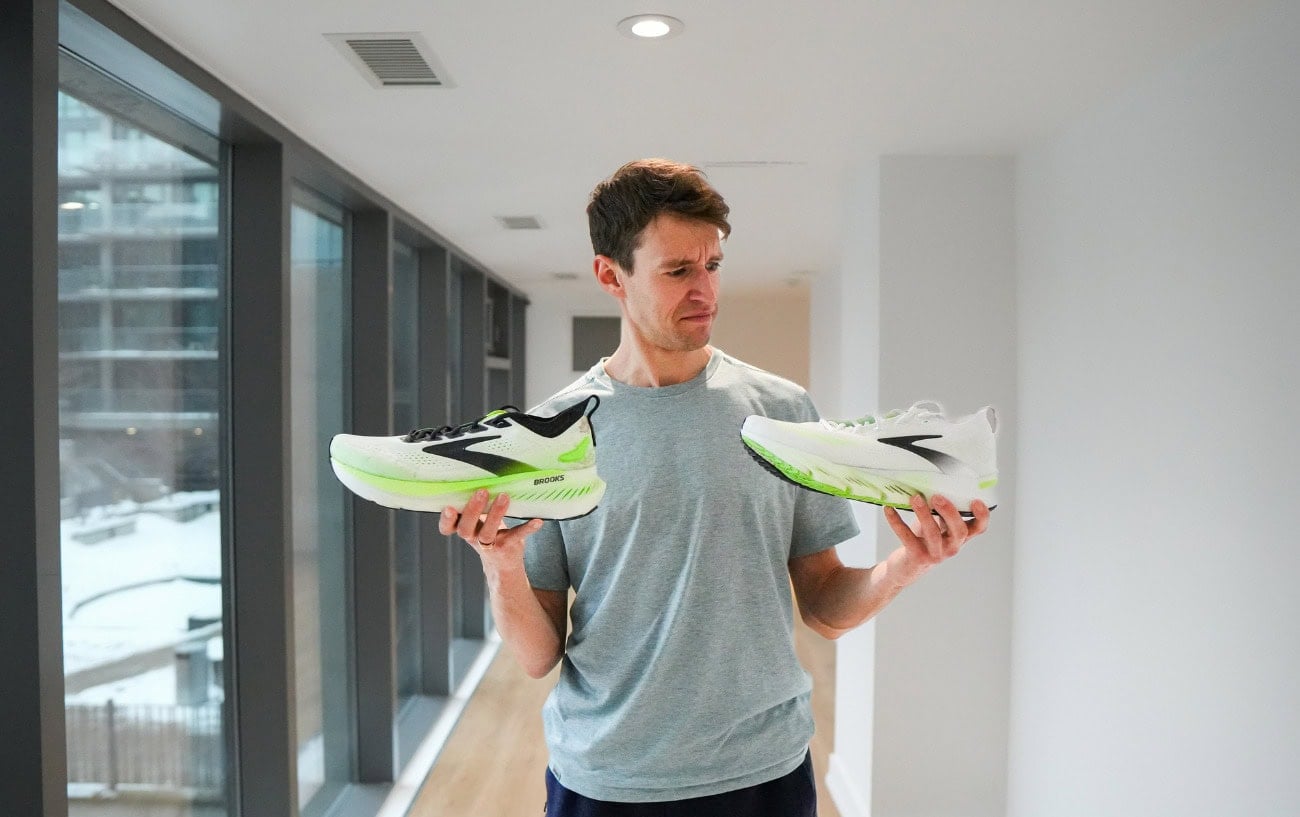
The clearest strength was on the trail. Brooks said its trail shoes grew 71 percent from a year earlier in the second quarter, with the Cascadia line up 58 percent. Its Adrenaline GTS, a stability shoe now in its 25th year, grew 19 percent, and accessories grew 29 percent. The company also launched the 18th version of its Ghost road shoe during the quarter.
The gains sit inside a broad boom. The global running market grew 10 percent in 2025, to $43 billion, according to figures from the research firm Circana that Brooks cited, which puts the brand a few points ahead of the market rather than pulling clear of it. Brooks grew 16 percent globally in 2025, as Marathon Handbook reported in February, so the pace has cooled a little this year. The regional mix has shifted, too. Growth in that European region was up from 22 percent a year earlier, while Asia-Pacific cooled to 10 percent, a sharp step down from a 2025 that leaned on a 245 percent surge in China.
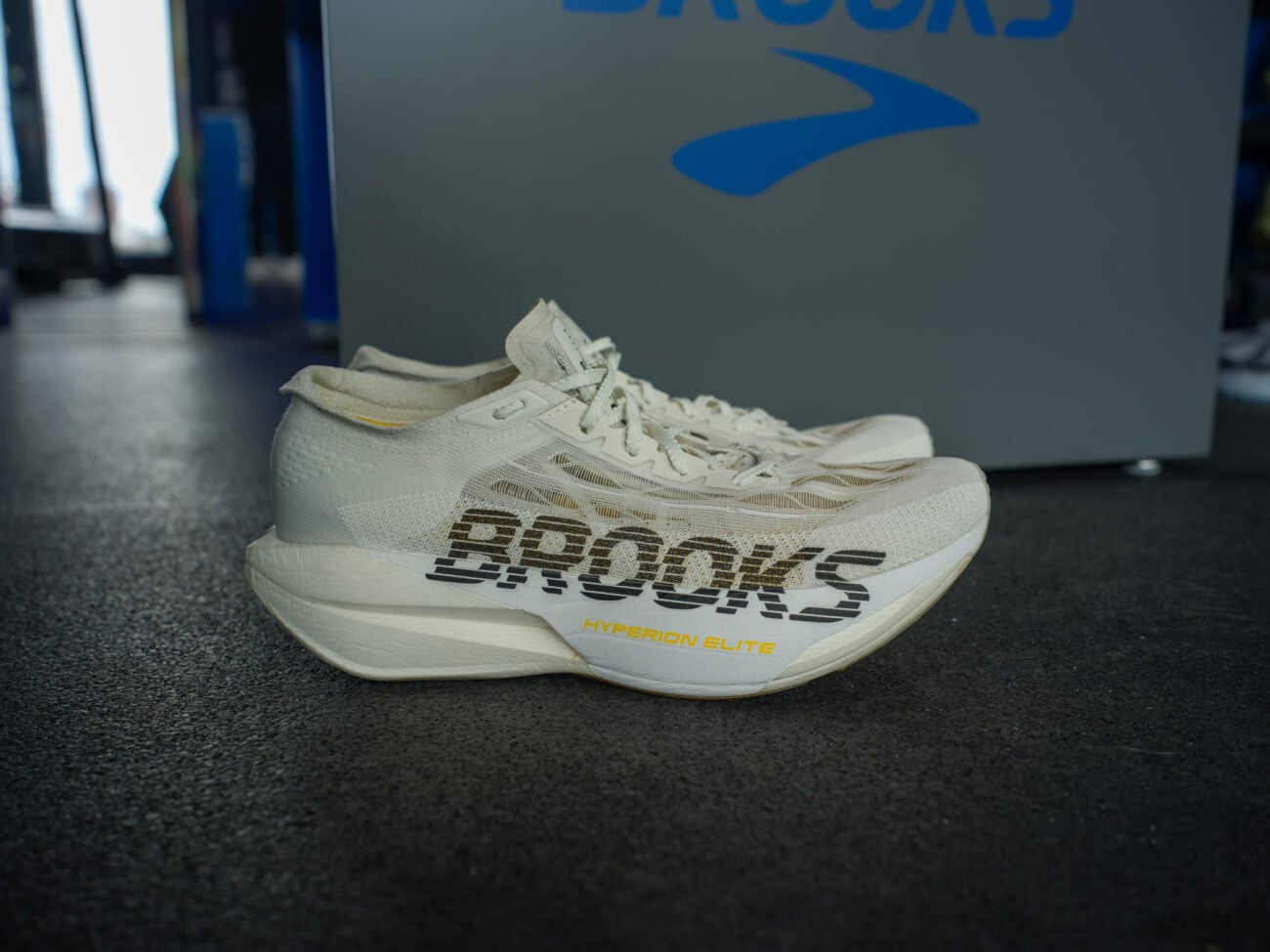
On, by contrast, grew faster than Brooks and was punished for it. The Swiss brand, popular with younger and lifestyle buyers, grew about 22 percent in the second quarter, but its shares still fell to a roughly two-year low on Tuesday after sales came in short of what analysts expected, held back by slowing wholesale orders. Hoka, the other brand runners weigh against Brooks, grew about 16 percent in its latest fiscal year, to $2.59 billion, and now makes up nearly half of parent company Deckers’ sales. Marathon Handbook looked at the On and Hoka rivalry earlier this year. Brooks has stayed out of much of the lifestyle and direct-to-consumer race that just cost On, leaning instead on run-specialty shops and on the elite results that build credibility there. Its athletes supplied those: Josh Kerr set a mile world record of 3:42.66 at the Diamond League meet in London in July, and Jess McClain ran 2:20:49 to finish as the fastest American woman in April’s Boston Marathon.
The second half will test whether Brooks can hold that specialty lead. Hoka has said it wants to grow in the athletic-specialty channel that Brooks dominates, and On is still expanding quickly where it is strongest.
RunClub
Get more running stories — join RunClub
Daily running news, a community of 300,000+ runners, free training plans for every distance, and a daily running game. Free to join — no card.
Already a member? Log in →








Join the conversation
The support is there. The color combinations and designs are NOT