


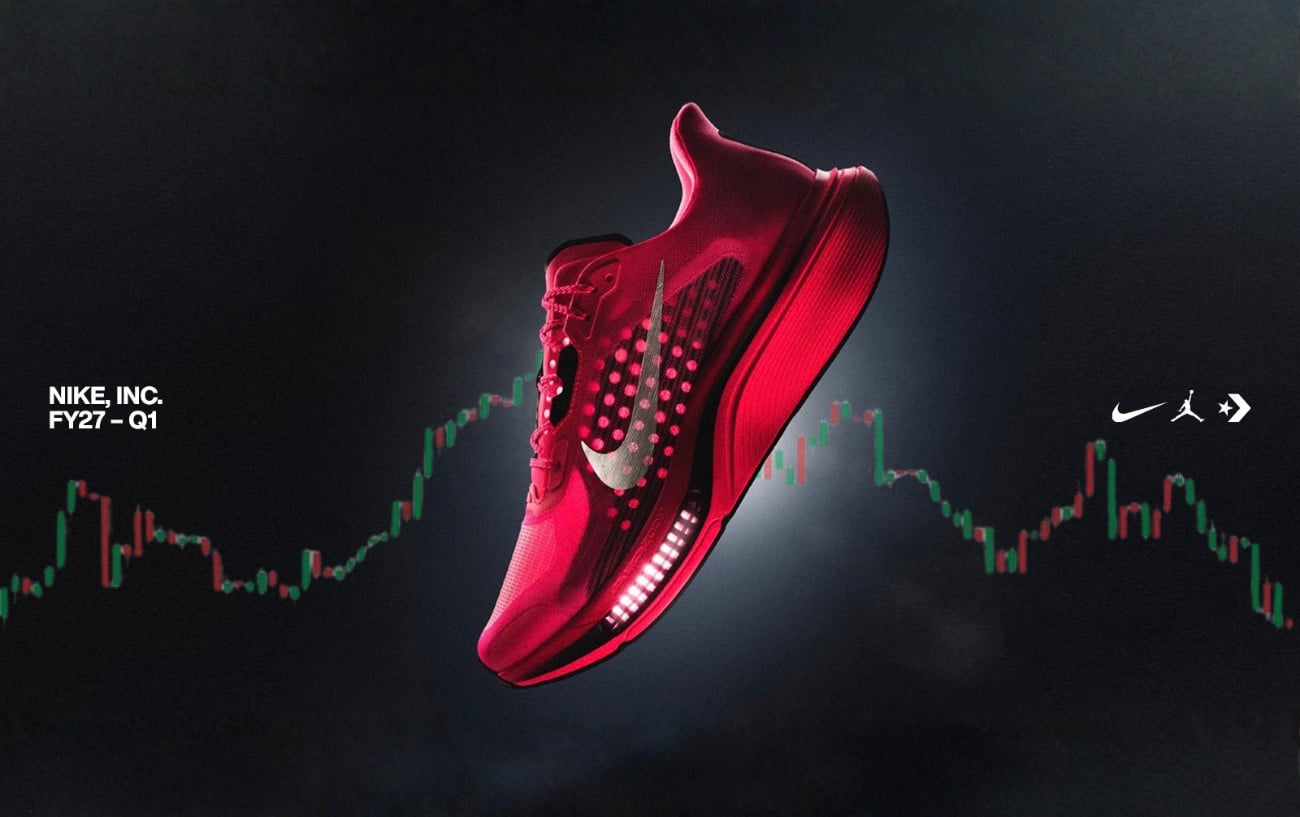
Nike leaves the S&P 100 on Sept. 21. S&P Dow Jones Indices announced it on Sept. 4, in the quarterly rebalance that keeps the index stocked with the hundred largest companies on the American market. Nike no longer qualifies.
Colgate-Palmolive, Simon Property Group and Honeywell Aerospace go at the same time. The four vacated seats went to Dell, Palo Alto Networks, Arista Networks and SanDisk, which tells you where the money has moved. S&P’s explanation ran to a single sentence: the changes ensure “each index is more representative of its market capitalization range.”
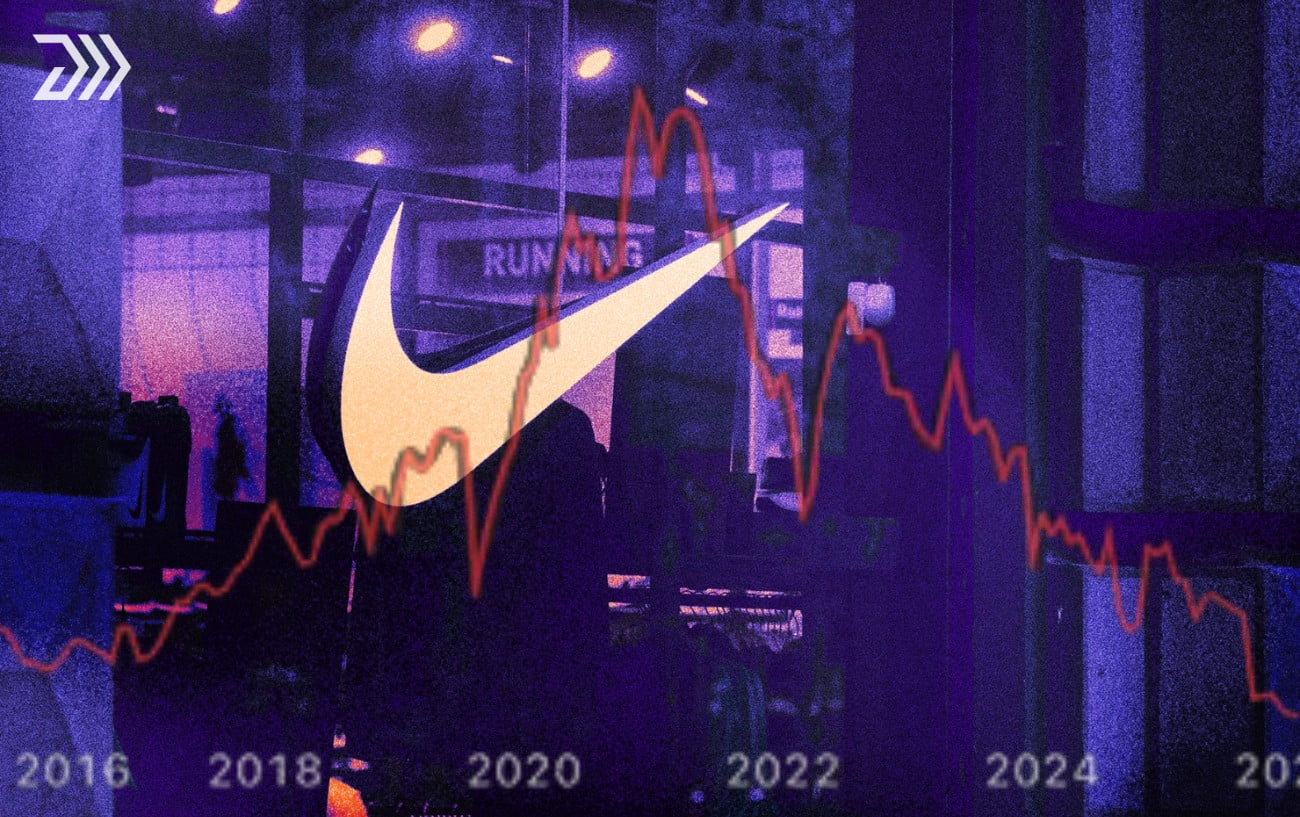
For Nike the practical consequences are close to nil. The S&P 100 sits inside the S&P 500, Nike stays in the bigger index, and the shares will trade on the New York Stock Exchange on Sept. 22 exactly as they did on Sept. 20. Funds built to track the S&P 100 have to sell whatever Nike they hold before the switch, which means a bout of selling pressure and then nothing.
The share price is the reason any of this is happening. Nike closed at $38.40 on Sept. 4, 45 cents above its 52-week low, down about 38 percent since January, with the company valued at roughly $57 billion. In November 2021 the stock was north of $170. How much has gone since depends on which day of that autumn you count from, which is why the figure quoted this week has ranged from $200 billion to $230 billion.
Running Is the Part That Works
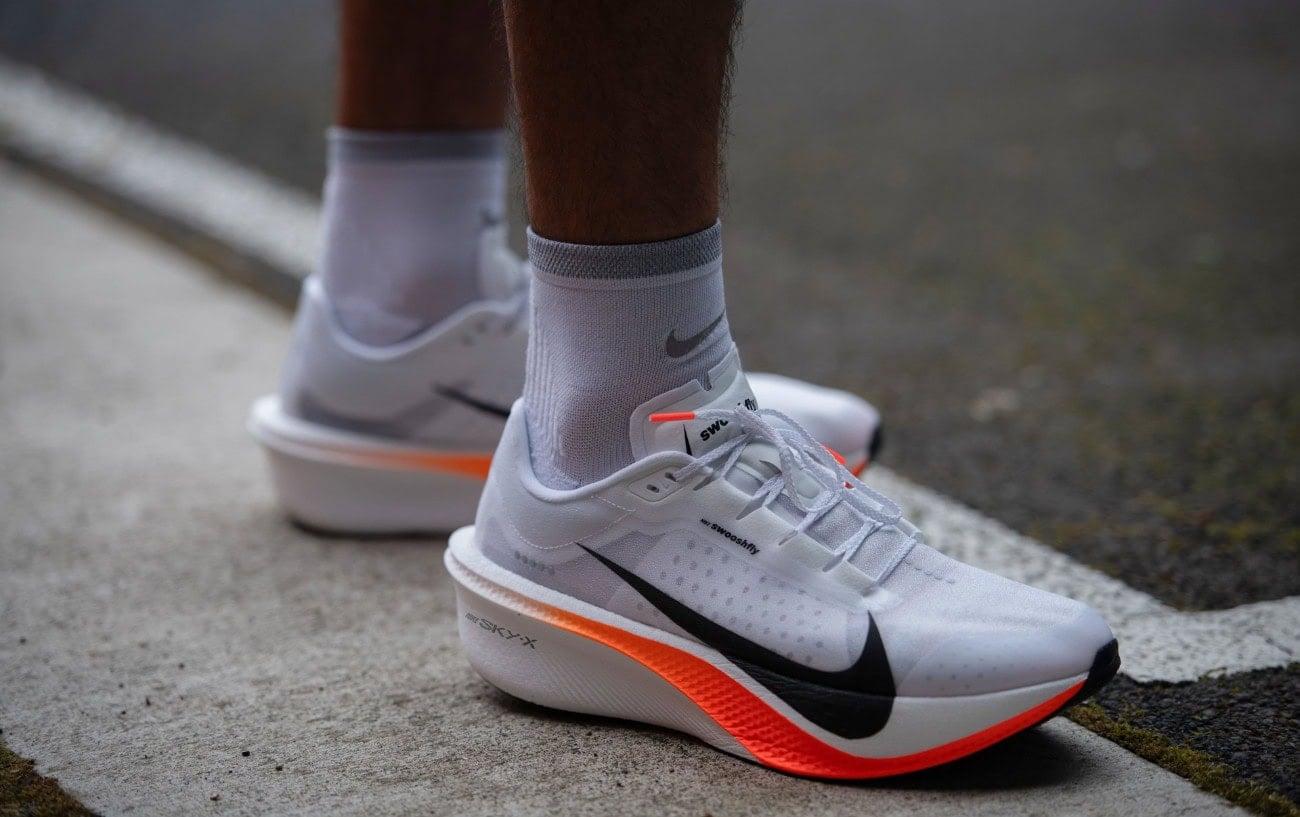
That is not the same as saying runners have walked away. Chief executive Elliott Hill spent a good stretch of Nike’s fourth-quarter call in June on the running business, and the numbers he read out were the healthiest in the presentation: five straight quarters of double-digit growth, worth about $1 billion added over that period, and five points of market share taken in statement footwear, the expensive end of the range, across North America and Western Europe. “More than any other Top 5 brand,” as he put it.
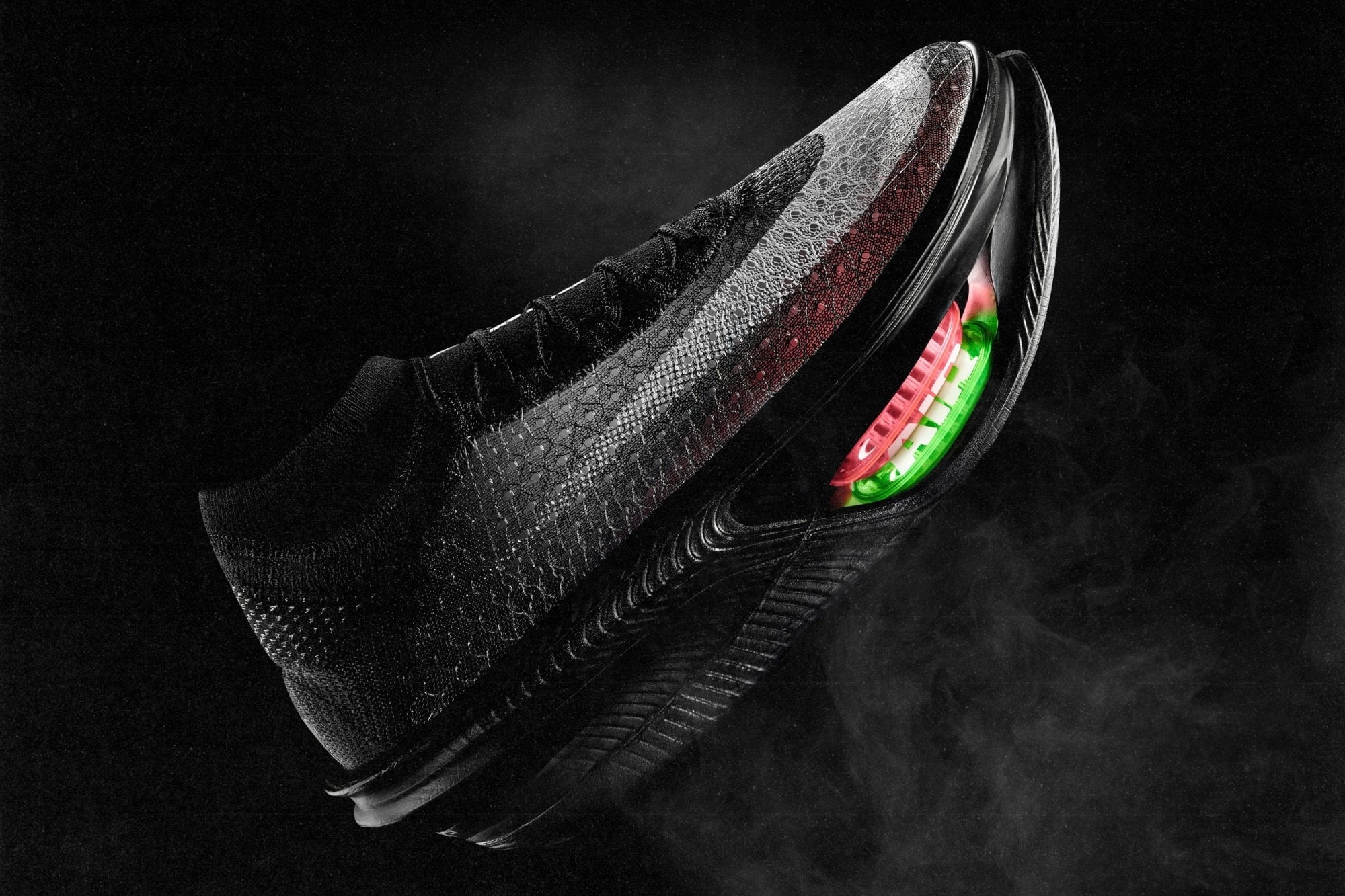
Most of that came out of the everyday trainer range rather than the racing line. Hill named the Pegasus 42, which arrived in the spring with a full-length Zoom Air unit, and a new Vomero still to come. The most conspicuous running project of the past two years sold nothing at all: Breaking4, an evening in Paris in June 2025 built around Faith Kipyegon, who ran 4:06.42, the fastest mile any woman has run, and came away with no record.
The rest of the company is where the trouble sits. Revenue for the year to May 31 came in at $46.4 billion, flat as reported and down 2 percent currency-neutral, on net income of $3.1 billion. Footwear as a whole did not grow at all. Greater China lost 11 percent across the year and 17 percent currency-neutral in the fourth quarter alone, and nobody at Nike has yet explained how that gets filled, though finance chief Matt Friend said running grew there and discounting had eased. North America was up 5 percent. Friend also mentioned that Nike’s business with Foot Locker turned positive for the first time in four years, which matters more than it sounds if you remember how thoroughly Nike torched its wholesale relationships on the way into direct-to-consumer.

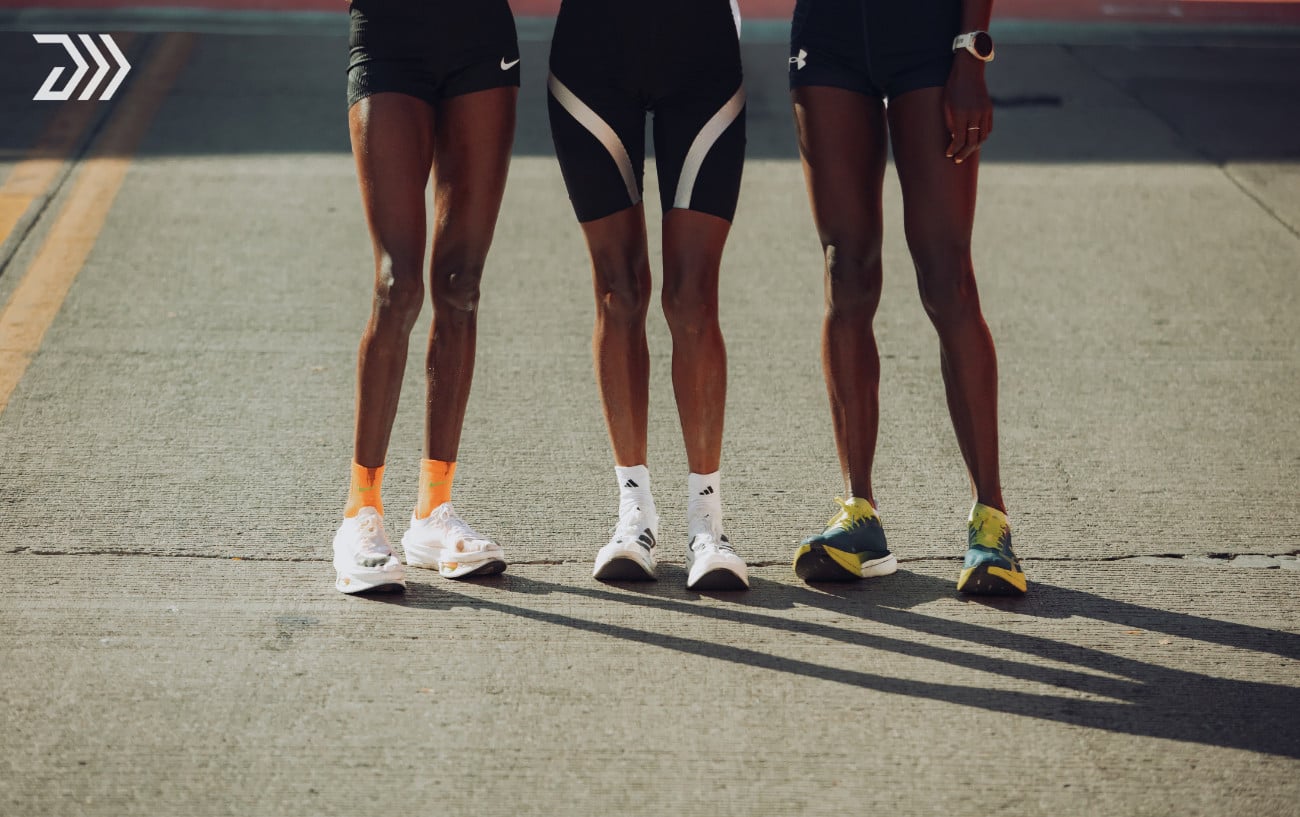
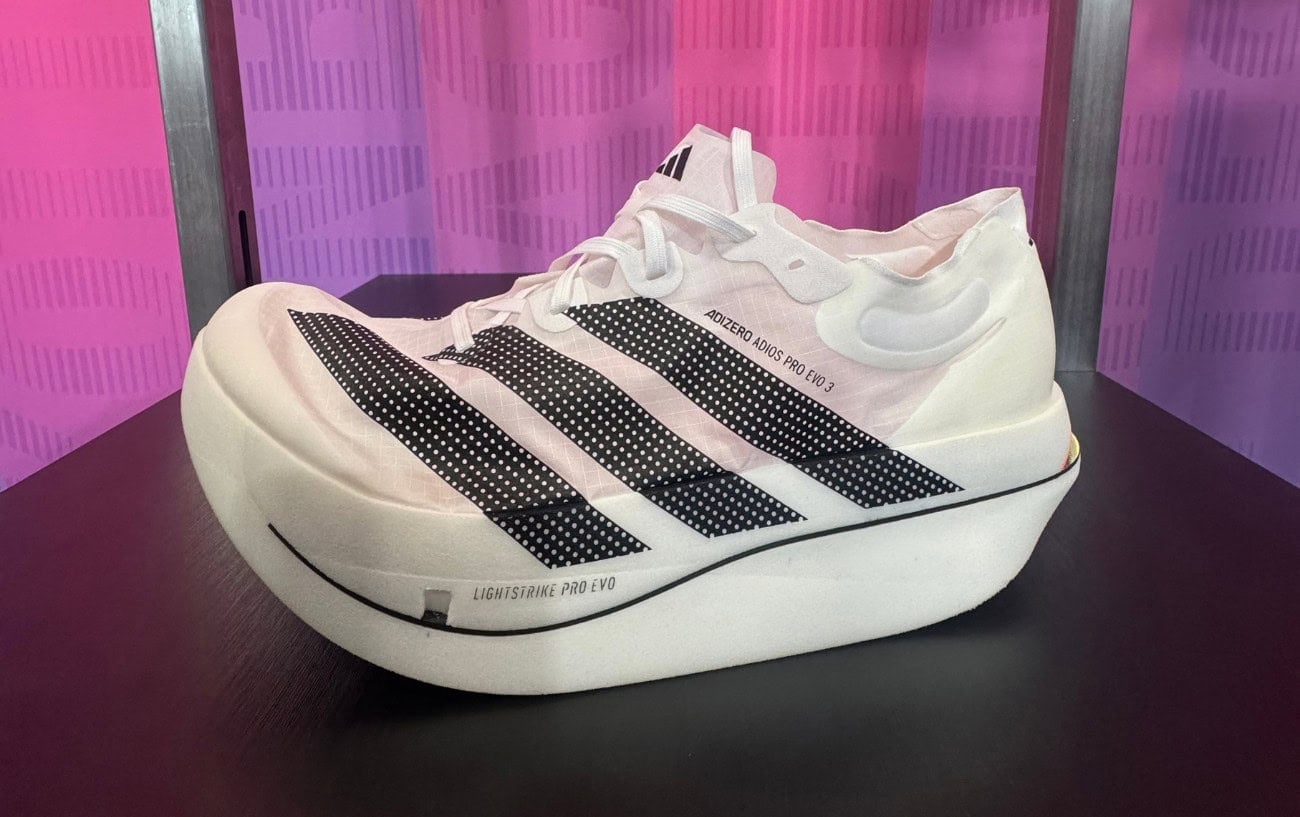
The brands eating into Nike’s running share remain small next to it. Hoka did $2.59 billion for Deckers in the year to March 31, up 15.9 percent. On turned over CHF 1.68 billion in the first half of 2026, up 24 percent in constant currency, and expects much the same for the year. Nike’s footwear business on its own is more than ten times Hoka’s size. What has actually changed is visible at the front of races: ASICS put seven men in the top 10 at Boston in April, and Nike two, which would have been unthinkable in the years when the carbon plate belonged to Nike alone.
Whatever the share price says, the spending on running has not stopped. The After Dark Tour came back in March, seven women’s races in London, Los Angeles, Manila, Mexico City, Mumbai, Shanghai and Sydney, a mix of 10Ks and half-marathons. Last year’s version drew more than 50,000 entrants, a third of whom had never raced before. In June, Nike renewed and widened its Portland Marathon deal, adding monthly long runs with a local shop and a shirt for everyone who enters.
The index change goes through before the market opens on Sept. 21. Two weeks after that, the 54th Portland Marathon, presented by Nike Running, sets off on Oct. 4.
RunClub
Get more running stories — join RunClub
Daily running news, a community of 300,000+ runners, free training plans for every distance, and a daily running game. Free to join — no card.
Already a member? Log in →



Start the conversation