


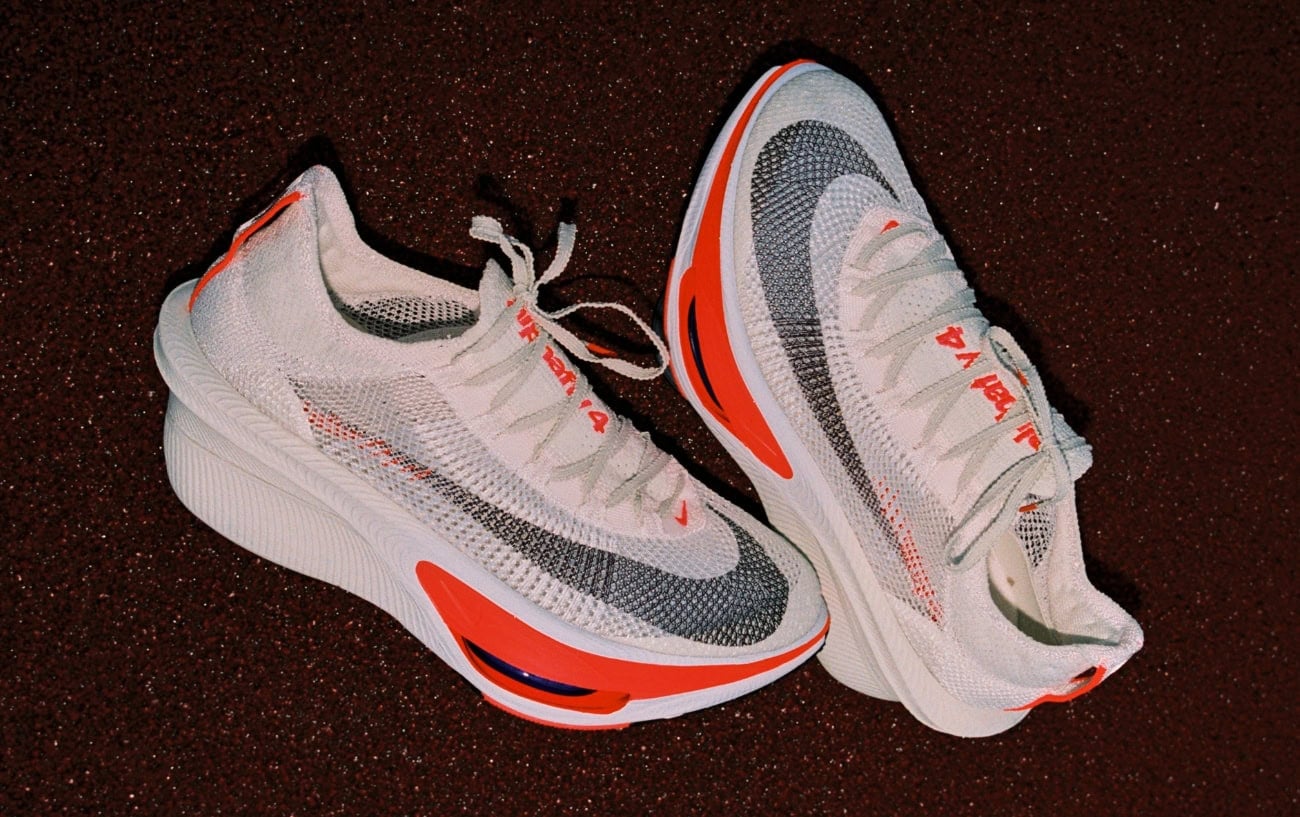
Nike released the Alphafly 4 on Thursday, the fourth version of the marathon racing shoe it introduced in 2020. It sells for $275 and is available now in a limited run at nike.com, with broader availability on Oct. 29 at nike.com and select retailers.
A Nike spokesperson said the shoe will also be sold in Chicago over the weekend of the Chicago Marathon on Oct. 11, which falls between the two release windows.
Nike says the shoe’s new foam and carbon plate combination returns eight percent more energy than the Alphafly 3 and is five percent lighter.
The Alphafly 4 will also be more comfortable and wider at the forefoot than its predecessor. Nike is clearly aiming this iteration of its super shoe at marathon runners at every level, rather than focusing on elite competition alone.
Bret Schoolmeester, Nike’s vice president of running footwear product management and one of the central figures in the creation and development of the super shoe, said at a media briefing on Monday that the Alphafly had become the most popular marathon racing shoe among runners at all paces, and he returned several times to runners finishing in four, five and six hours. He said development of the Alphafly 4 drew on testing with elite athletes like Jacob Kiplimo, Faith Kipyegon and Conner Mantz, along with club-level and recreational runners, including a research program that followed more than 100 women through training and racing leading into the Chicago Marathon last fall.
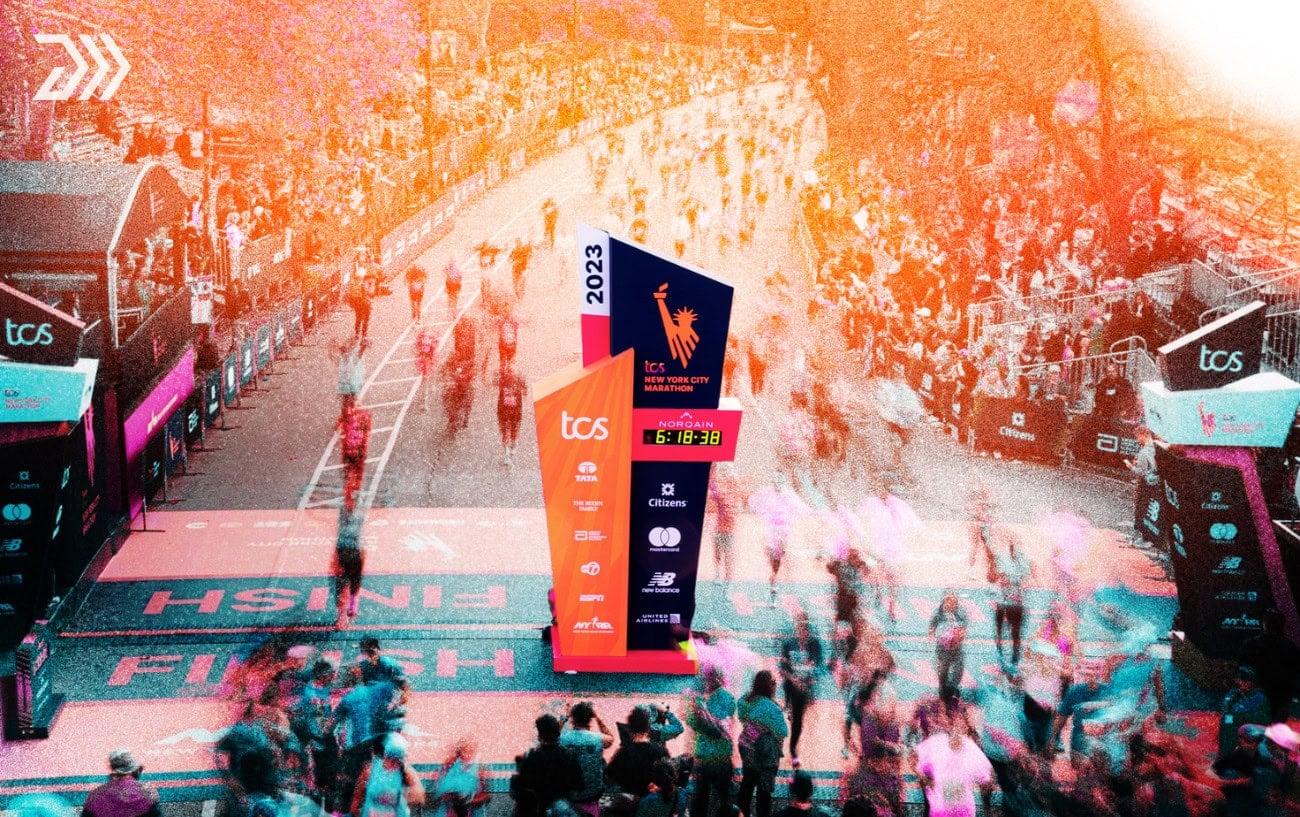
Data obtained by Marathon Handbook covering every single pair of shoes worn at both the 2025 Chicago and New York City marathons shows the Alphafly 3 was indeed the most common model in both fields, by a wide margin.
What has changed from the Alphafly 3 to the Alphafly 4?
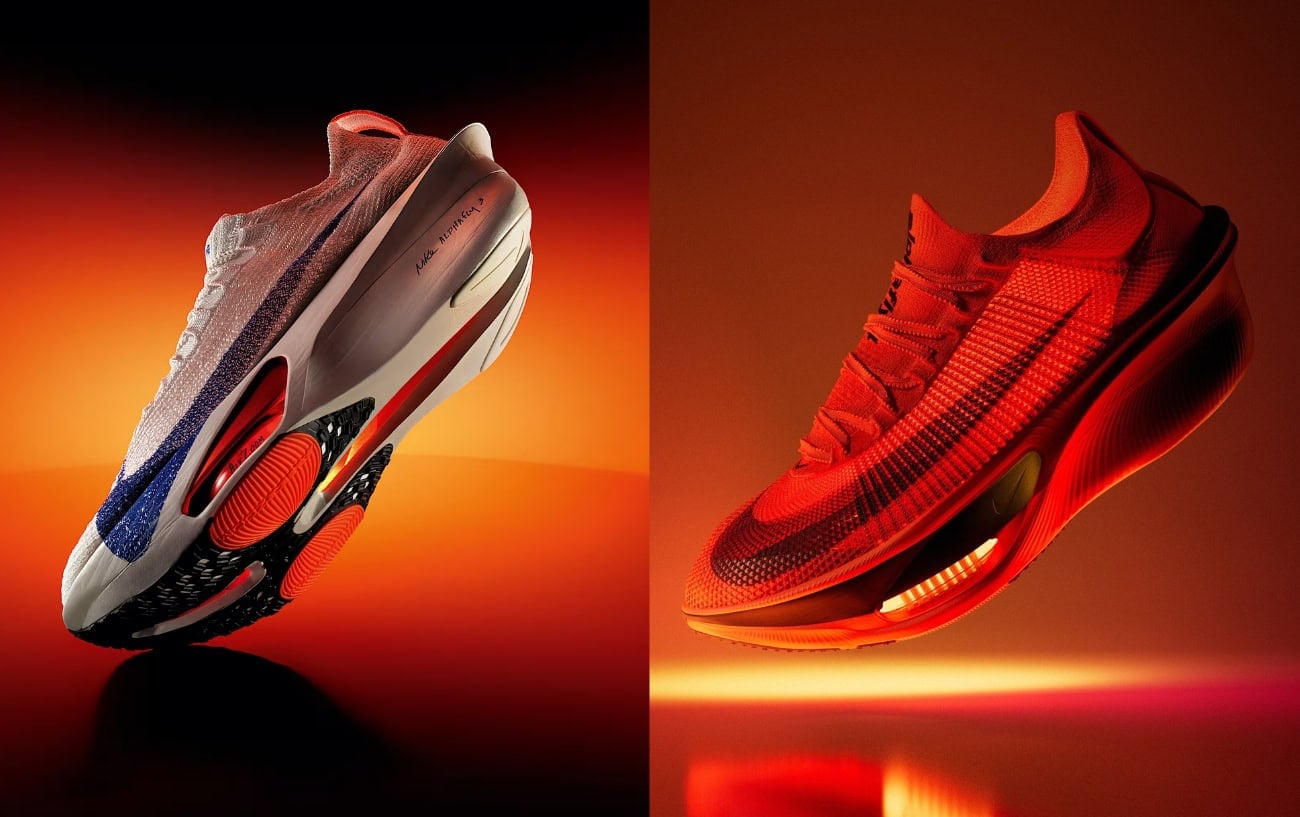
The carbon-fiber plate that runs the length of the Alphafly 4’s midsole, which Nike calls a Flyplate, keeps the scooped shape used in earlier versions but has on a wider base at the forefoot. Schoolmeester said expanding the lateral fit in the forefoot was one of the most common requests from wear testers, and that the forefoot rocker, the upward curve at the front of the sole, is also more pronounced for a better toe off. He said athletes across Nike’s testing groups had asked for more stability, particularly late in a marathon.
The two pressurized air pods under the forefoot have also been rebuilt. They’re now shaped using radio frequency and vibration rather than heat, which makes them 30 percent lighter and softer, and allows a wider range of runners to compress them fully, benefiting more fully from the energy returned after touch down.
The midsole combines ZoomX, the Peba foam Nike has used in its racing shoes since 2017, with a new variant called ZoomX LT, which is layered above and below the plate. Nike says ZoomX LT is up to 17 percent lighter than standard ZoomX and returns eight percent more energy. Schoolmeester said the material itself is unchanged, but that the difference lies in how it is formulated and baked. Adidas, Asics and On have all introduced lighter foams in their own racing shoes over the past two years.
The upper is a seamless version of Atomknit, Nike’s engineered knit fabric, with cables through the midfoot to hold the foot in place, a molded heel and a molded insole. The outsole is a thin rubber compound Nike calls Fast Shot.
Nike says the shoe is also quieter. Earlier versions famously squeaked, and Schoolmeester said athletes had complained that the noise as a problem when passing competitors late in a race.
Emily Farina, senior principal for running footwear at the Nike Sport Research Lab, said laboratory testing showed that this new version of the Alphafly exhibited lower impact forces, smoother rotation at the foot and ankle, and greater resistance to side-to-side movement. She said running economy, the amount of energy a runner uses at a given pace, improved measurably.
Alphafly 4 Specifications
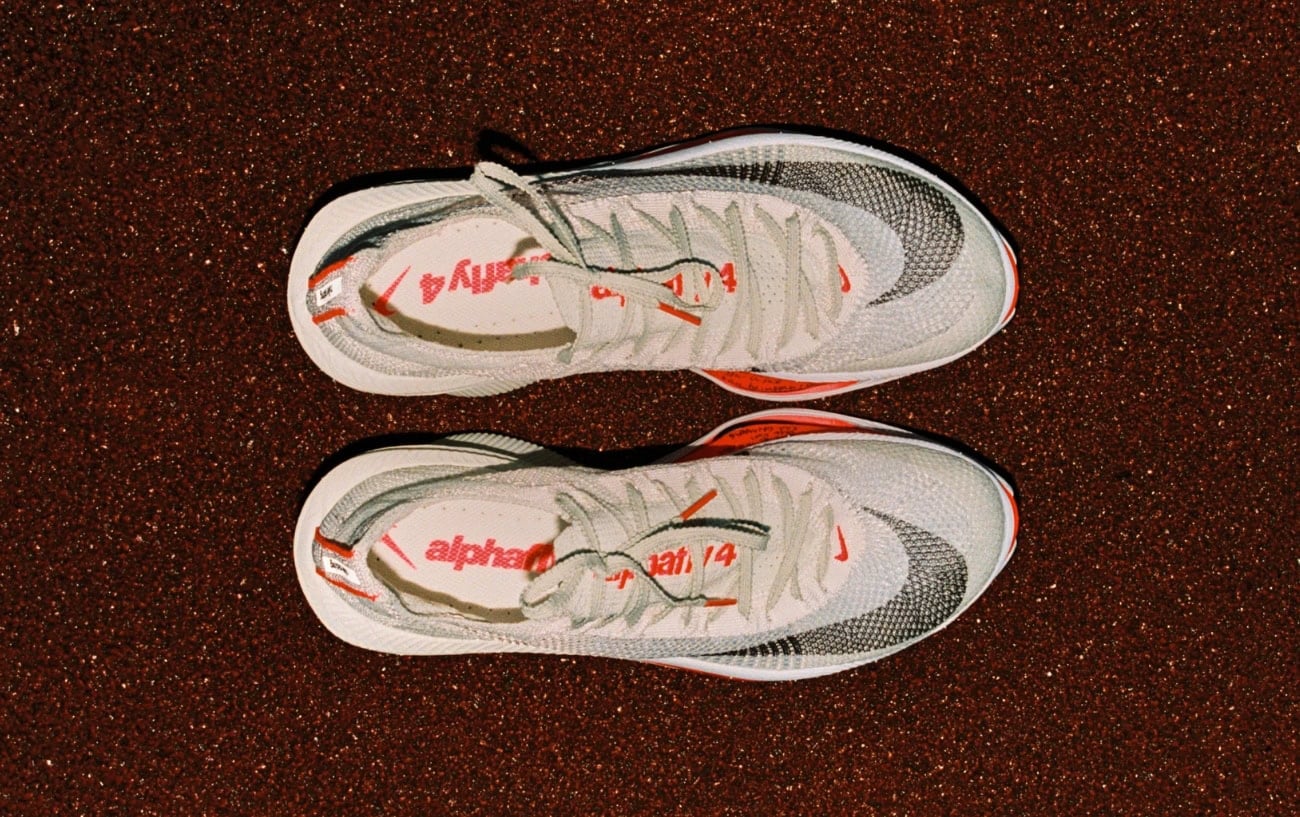
The Alphafly 4 has a stack height of 39 millimeters at the heel and 31 millimeters at the forefoot, for an 8-mm drop ratio, all measured on a men’s size 10. The heel figure is a millimeter below the 40-mm maximum World Athletics allows in road races.
A men’s 10 weighs 208 grams (7.33 oz.). A women’s 10 weighs 188 grams (6.63 oz.) and a women’s 8 weighs 168 grams (5.92 oz.), which is considered on the heavy side for a super shoe in 2026 (although lighter than the Alphafly 3). Nike also claims the shoe will be incredibly durable, and should perform for up to 300 miles, which would make it one of the best value super shoes on the market.
The $275 USD price is also curiously $10 below the Alphafly 3, which launched at $285 back in early 2024. Adjusting for inflation, a $285 shoe would cost roughly $304.50 in 2026, so the Alphafly 4 is roughly 11% cheaper than the Alphafly 3 at launch.
Availability
Stock in the initial release is limited. When the Alphafly 3 launched in a limited “prototype” colorway on Jan. 4, 2024, it sold out in under a minute, and pairs appeared on resale sites at more than double retail within hours. The wider release on Oct. 29 falls three days before the New York City Marathon.
Alphafly 4 Prototypes in competition
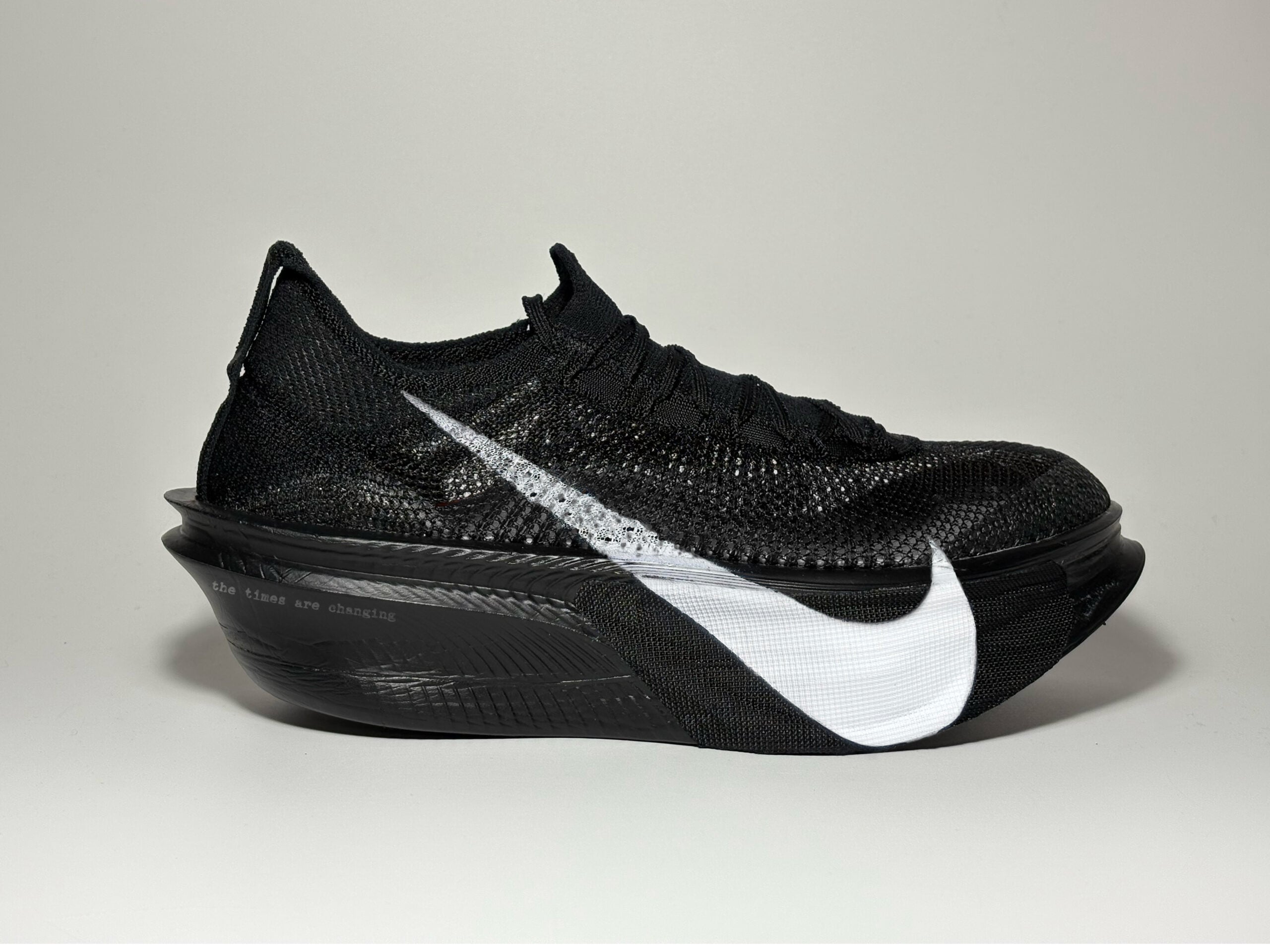
Nike athletes have raced in development versions of the shoe since perhaps early 2025. World Athletics requires that any shoe worn in sanctioned competition appear on its approved list, and manufacturers may register unreleased prototypes there under a development designation. Nike files its shoes using numeric codes. Marathon Handbook reported last October that a Nike entry listed as Dev 16141 had been approved days before the Chicago Marathon, eligible from Oct. 2, 2025. A second, Dev 164, covered the spring racing season.
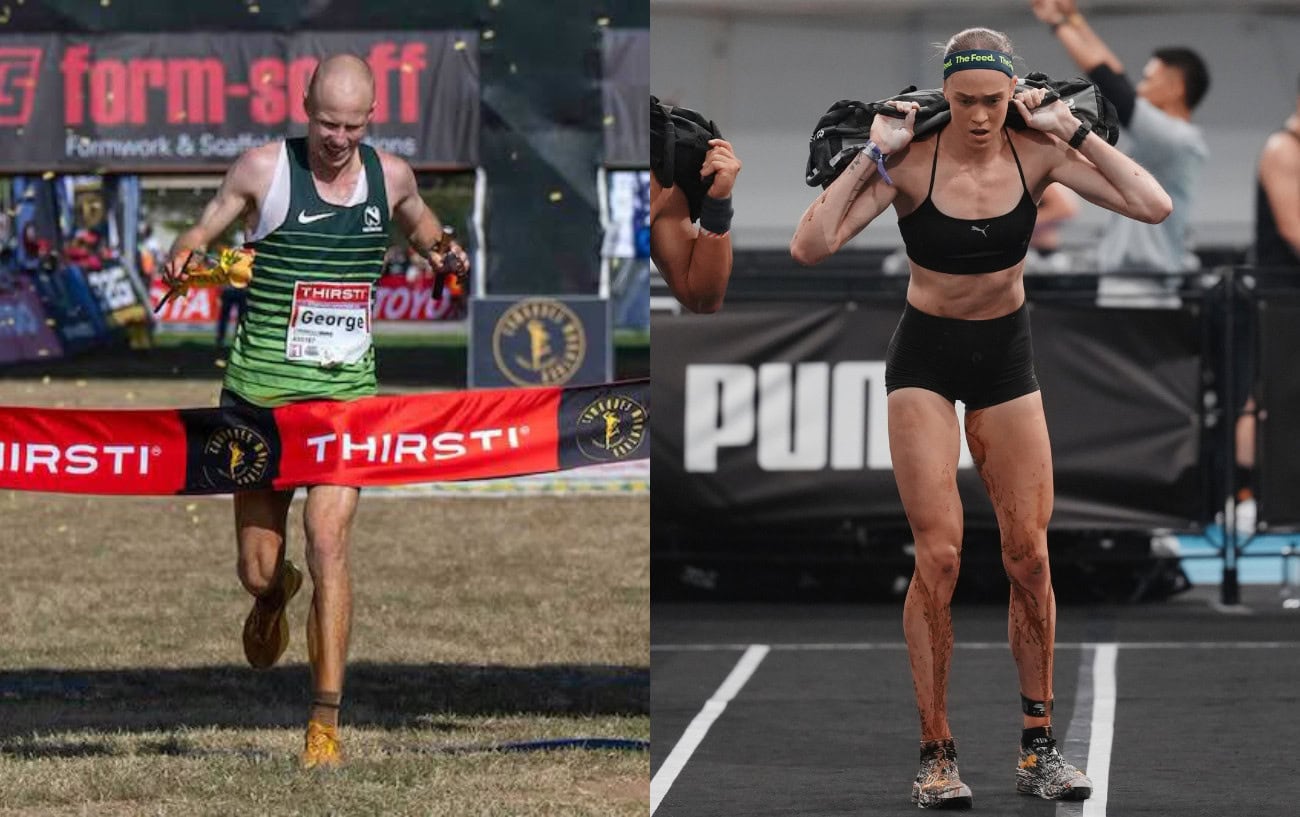
Conner Mantz ran 59:17 at the Houston Half Marathon in January 2025, breaking Ryan Hall’s American record, and 2:04:43 at the Chicago Marathon that October, breaking Khalid Khannouchi’s American marathon record from 2002. Jacob Kiplimo won that Chicago race in 2:02:23, set a half marathon world record of 57:20 in Lisbon in March (although that record has since been broken) and finished third at the London Marathon in April in 2:00:28. Addisu Gobena won the Sydney Marathon in a course record. Charles Hicks finished seventh at the Boston Marathon in April in 2:04:35, the second-fastest marathon run by an American man. All of these performances are widely believed to have been accomplished wearing prototype variants of the Alphafly 4.
A longer Release gap than usual
The Alphafly 3 was released way back on Jan. 4, 2024. The interval of roughly two years and eight months is the longest between versions of the shoe franchise. About 29 months separated the first Alphafly from the second and about 18 months separated the second from the third.
Schoolmeester said Nike had delayed the release rather than hastily rolling out an update it did not consider a sufficient upgrade, and described the Alphafly 4 as the largest improvement in the shoe’s history. In late November of 2025, Nike showed a preproduction version of the shoe to us at The Running Event, a running retail trade show held in San Antonio.
Where it sits in Nike’s Super Shoe lineup
Nike also produces the Vaporfly 4, released in March 2025, at $260, and the Streakfly for shorter distances. But in the past of years since the launch of the Alphafly 3, many of Nike’s key competitors have divided the category further. Adidas sells the Adizero Adios Pro 5 and, above it, the limited-production Adizero Adios Pro Evo 3, which Sabastian Sawe wore to run 1:59:30 at the London Marathon in April.
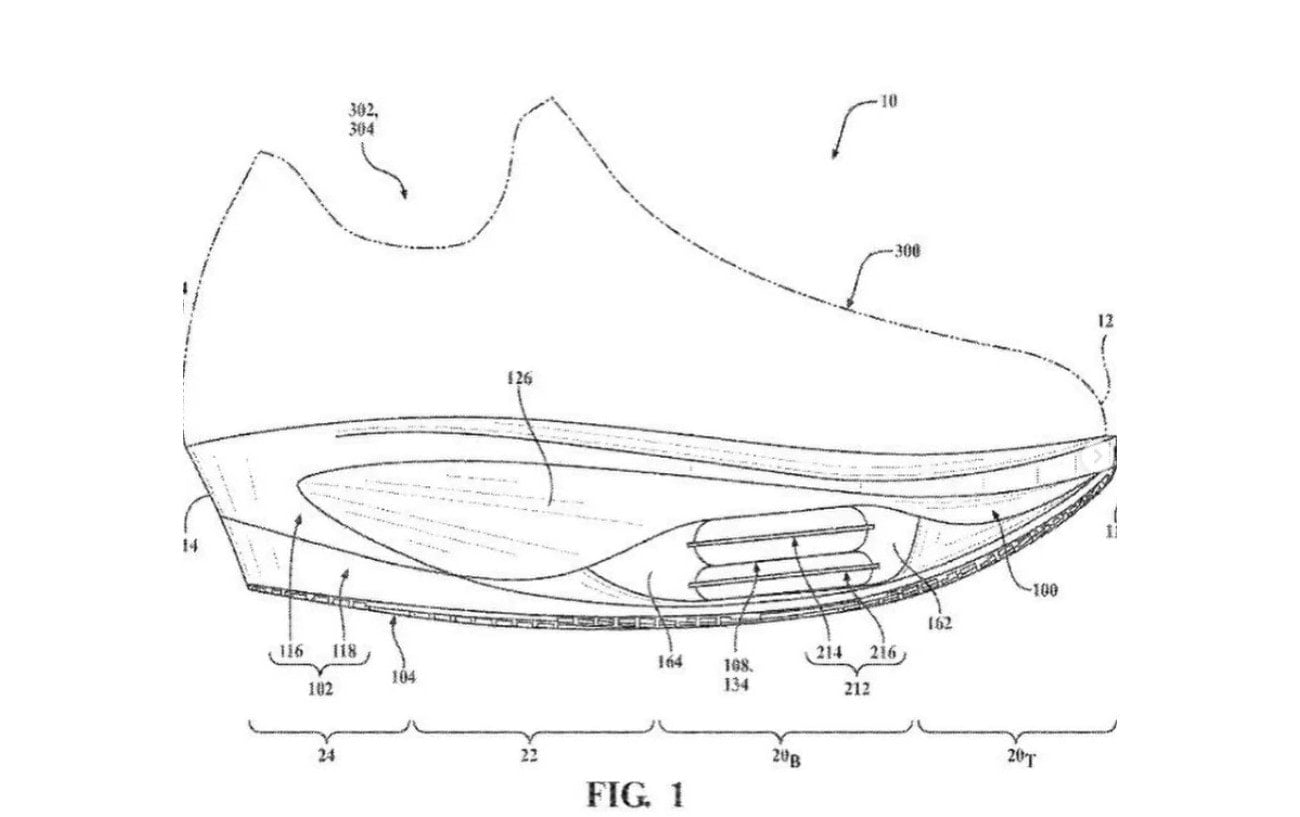
Nike has yet to announce a shoe positioned above the Alphafly. But back in March, patent drawings circulated on Instagram showing a design built around a double-stacked air unit on a wide carbon plate, which the account that posted them called the Nike Apex. Marathon Handbook reported on the drawings at the time. The name does not appear in Nike’s patent filing, and the company has not commented on it. We then reported on social media photos and short videos that highlighted Nike athletes running in what appeared to be a prototype of the design drawings.
Keep an eye out on our channels for an in-depth Alphafly 4 shoe review, as well as comparison videos.
RunClub
Get more running stories — join RunClub
Daily running news, a community of 300,000+ runners, free training plans for every distance, and a daily running game. Free to join — no card.
Already a member? Log in →






Start the conversation