


Every runner eventually has to negotiate with impact.
That is where cycling becomes tempting. You can work hard, accumulate a lot of aerobic volume, and wake up the next day without the same “musculoskeletal hangover.” The question is whether that fitness actually transfers back to running.
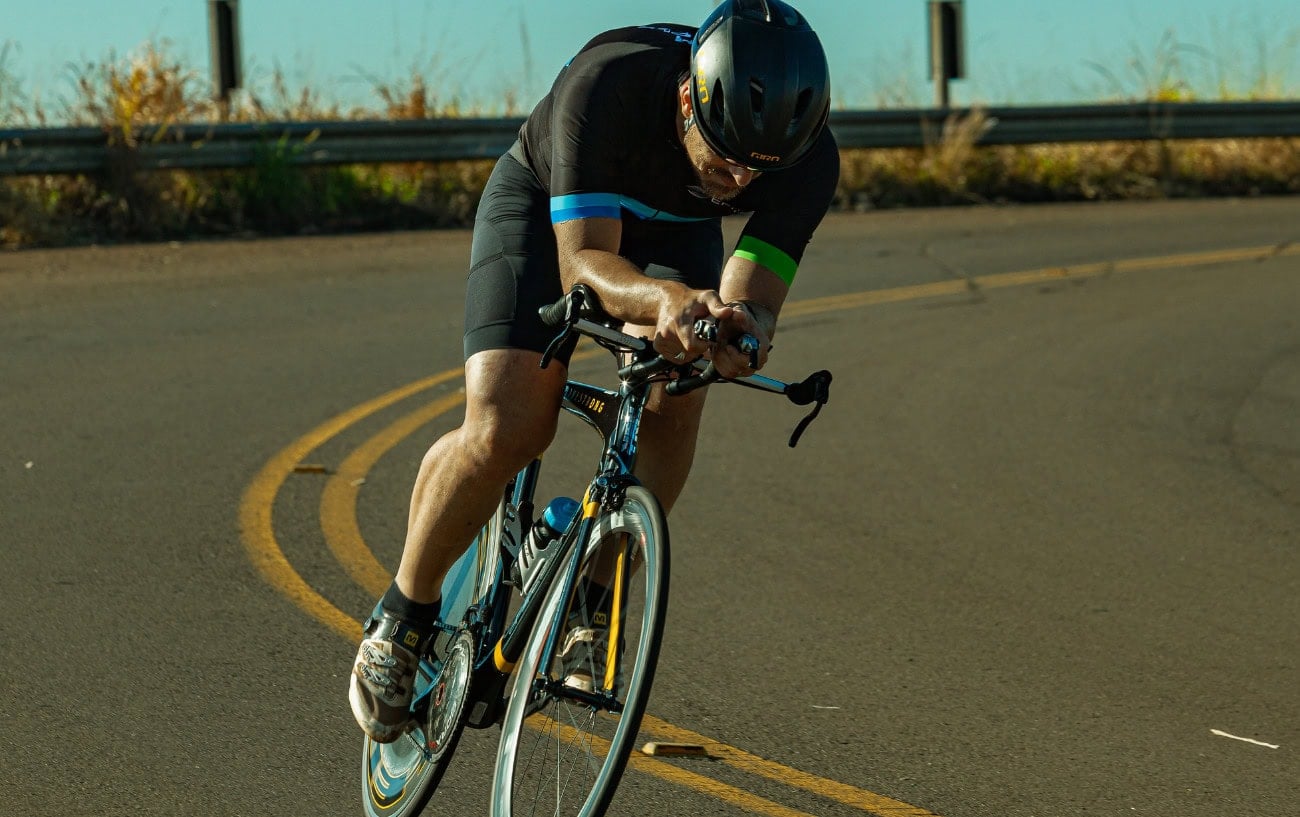
A new systematic review and meta-analysis looked at exactly this question: does training on the bike improve or maintain running-related fitness and performance compared with running itself?
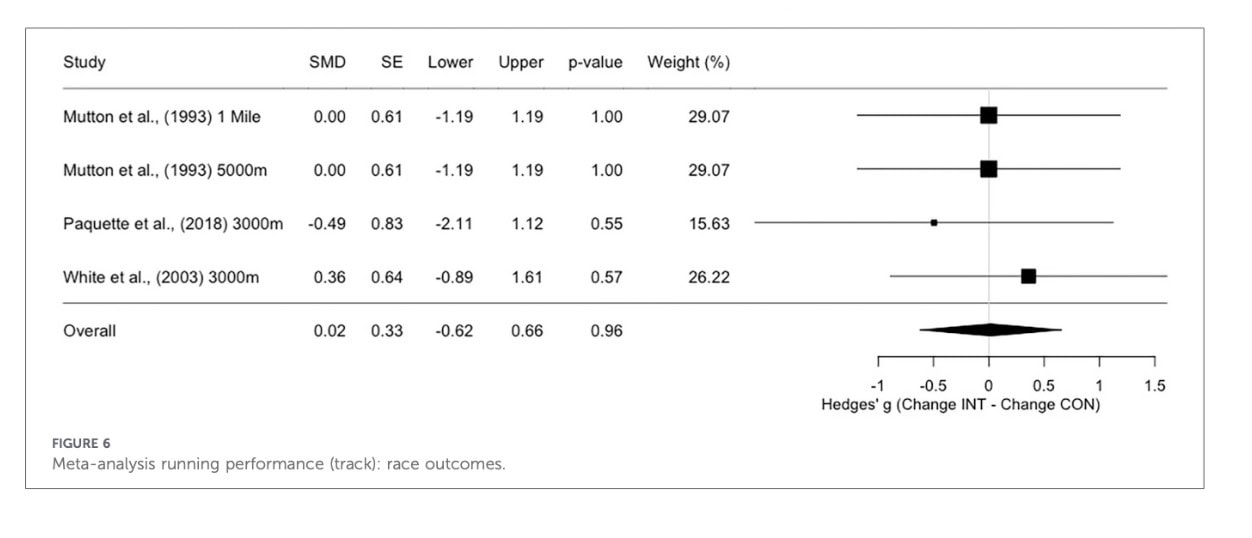
The researchers included seven randomized controlled trials lasting at least four weeks that compared running-only, cycling-only, or combined run-bike training among recreationally active, trained, or competitive participants. Outcomes included VO2 max measured on a treadmill, VO2 max measured on a bike, and running performance over 1 mile, 3,000 meters, or 5,000 meters.
- There were no statistically significant differences between running-only and cycling-only training for treadmill VO2 max, cycling VO2 max, or running performance.
- Run-only training favored treadmill VO2 max.
- Cycling-only training favored cycling VO2 max.
- For running performance, the effect between training modalities was essentially zero.
That sounds like a win for cross-training. But the nuance matters.
The review does not prove cycling is interchangeable with running. The authors are careful to note that the evidence base was small, many protocols were outdated, and several studies raised concerns about their methods. The more accurate interpretation is that, based on the available evidence, researchers did not detect clear differences between running and cycling during short-to-moderate training periods.
What this means for runners
I’d treat cycling as one of the best tools runners have for increasing aerobic work while controlling orthopedic load, especially when the alternative is forcing more easy mileage into already tired legs. But I would not use it as a full substitute for the key running-specific pieces that make you race well, including long runs, race-pace work, strides, hills, and enough weekly running to keep your tissues prepared for impact. The practical move is to swap cycling for some easy or recovery volume, not for every run that teaches your body how to run fast, long, and efficiently.
RunClub — Free
Join 300,000+ runners in RunClub
Free training plans for every distance, a daily running game, exclusive coaching content, and a real community of runners. Create your free account in 20 seconds — no card.
Already a member? Log in →












Start the conversation