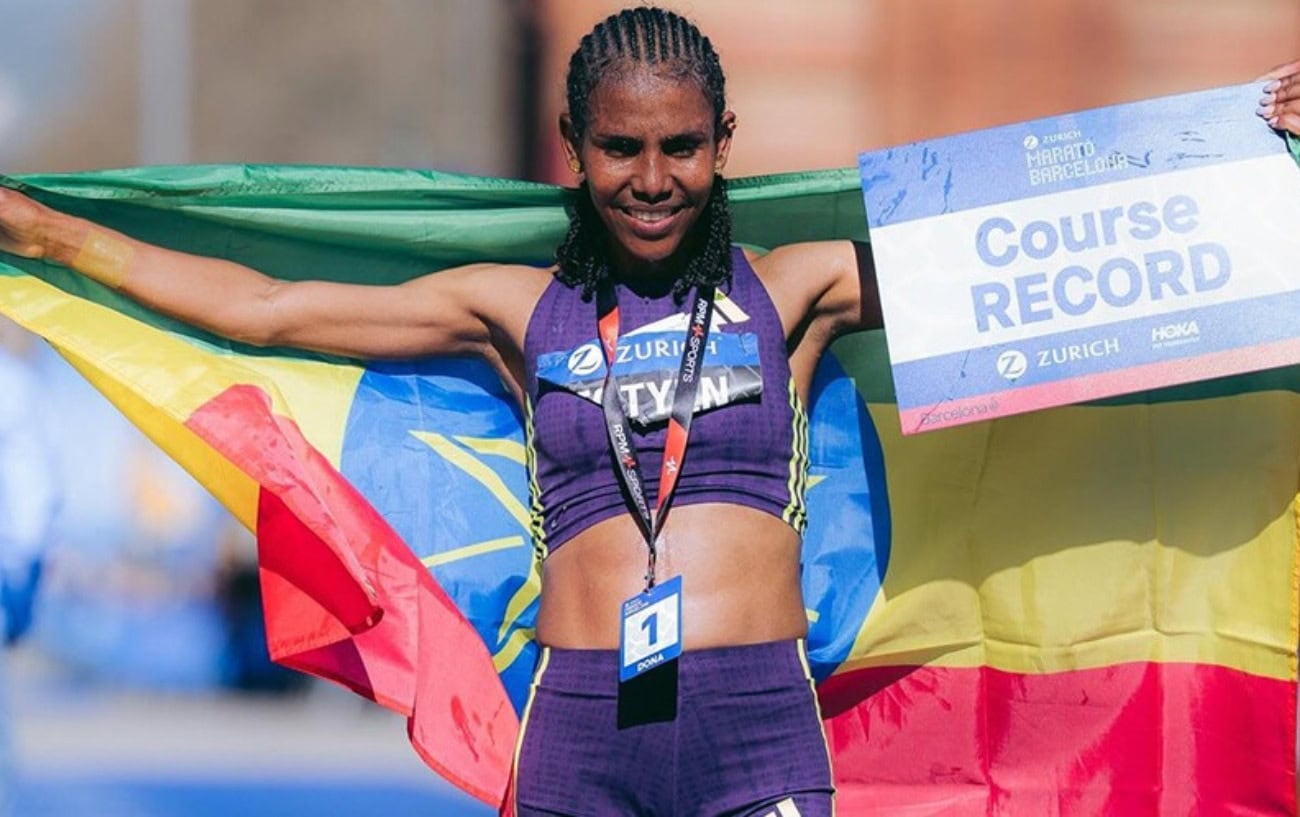
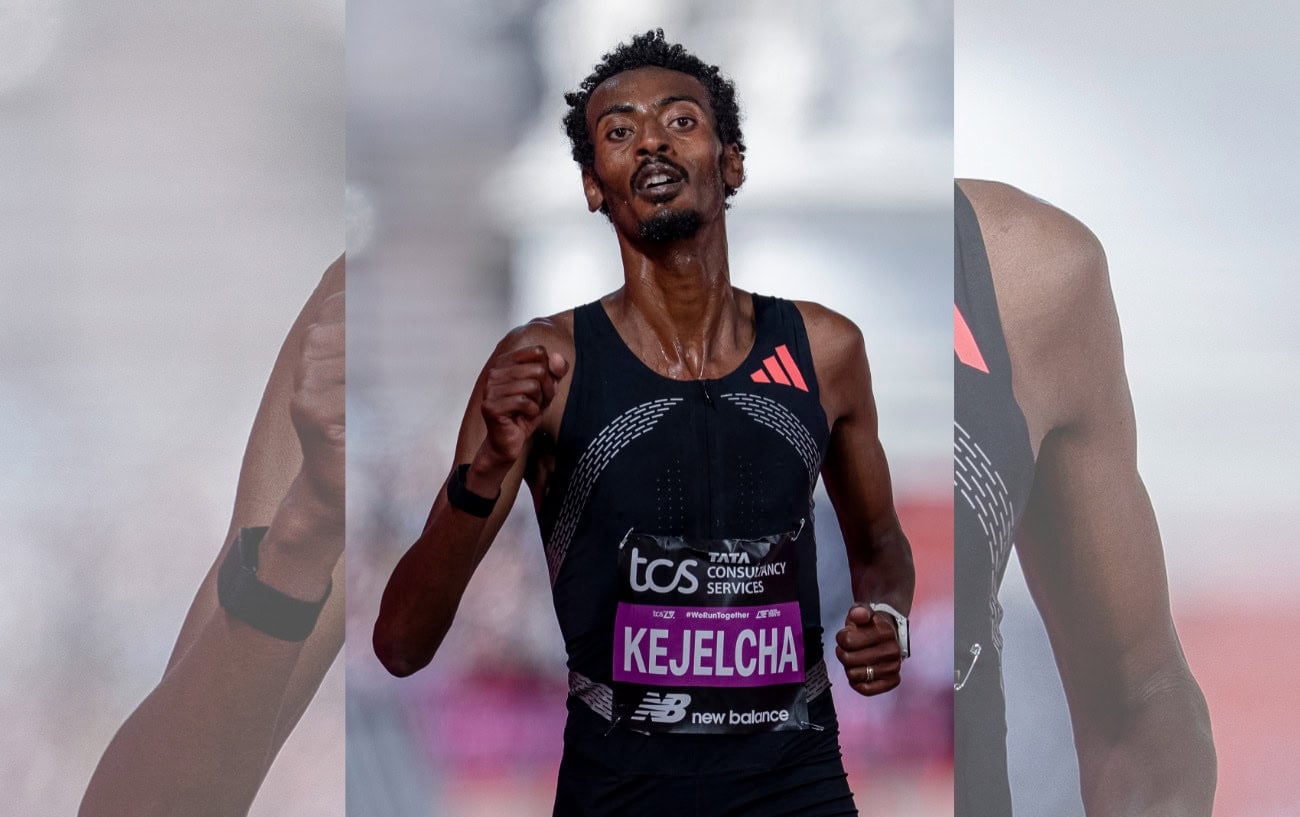
World Athletics closed out its 2025 season last Sunday night by naming Sydney McLaughlin-Levrone and Mondo Duplantis as the Women’s and Men’s World Athletes of the Year during a ceremony in the tax-haven of Monaco.
For Duplantis, the recognition came at the end of a spotless season.
The 26-year-old went undefeated across 16 competitions, winning world titles both indoors and outdoors and extending his streak of consecutive wins to two full years. He raised his own pole vault world record four times, 6.27m in Clermont-Ferrand, 6.28m in Stockholm, 6.29m in Budapest, before clearing 6.30m in Tokyo to defend his world crown.
He finished the year with a fifth straight Diamond League trophy.

McLaughlin-Levrone’s season was defined by another shift in her already remarkable career.
After years of dominating the 400m hurdles, she committed fully to the flat 400m and delivered a year that rewarded the gamble. You know what they say, high risk, high reward.
She won the world title in Tokyo in 47.78, the fastest championship run in 42 years, and the second fastest women’s 400m ever recorded. She closed her year undefeated in both the 400m flat and the 400m hurdles, growing a win streak that now spans 24 races, and also anchored the United States to gold in the 4x400m relay.

The ceremony also recognized six athletes across the track, field, and road categories.
Emmanuel Wanyonyi won Men’s Track Athlete of the Year after taking world and Diamond League titles in the 800m. Nicola Olyslagers swept world indoor, world outdoor, and Diamond League titles in the high jump to earn Women’s Field Athlete of the Year. Maria Pérez won Women’s Out of Stadium Athlete of the Year following her double world titles in the 20km and 35km race walk, while Sabastian Sawe earned the men’s equivalent after winning both the London and Berlin Marathons.
Sebastian Coe opened the night by describing the ceremony as “for the athletes, by the athletes,” a line that landed neatly in a room full of world champions and record-breakers.
Yet as the winners were announced, a familiar debate resurfaced, one that always follows a season where brilliance is spread across very different corners of the sport.
This year, that debate feels just a bit harder to ignore.
The Case World Athletics Didn’t Make
Awards like these tend to drift toward athletes who are already central characters in the sport. Duplantis and McLaughlin-Levrone are easy to celebrate: they win often, they win by a lot, and they provide a highlight every time a broadcast camera finds them. Simply put; they’re popular.
None of that is undeserved, though.
The trouble is that 2025 produced a handful of performances that were not just dominant but transformative… and they didn’t come from the athletes holding the trophies.
What follows isn’t a dismissal of the winners. It’s an attempt to widen the frame, because viewed across the full season, some athletes carried the sport in ways that statistics alone can’t capture.
Sabastian Sawe Gave Us Something To Believe In
On the men’s side, the strongest challenge to Duplantis comes from a marathoner whose season barely fits inside the usual categories.
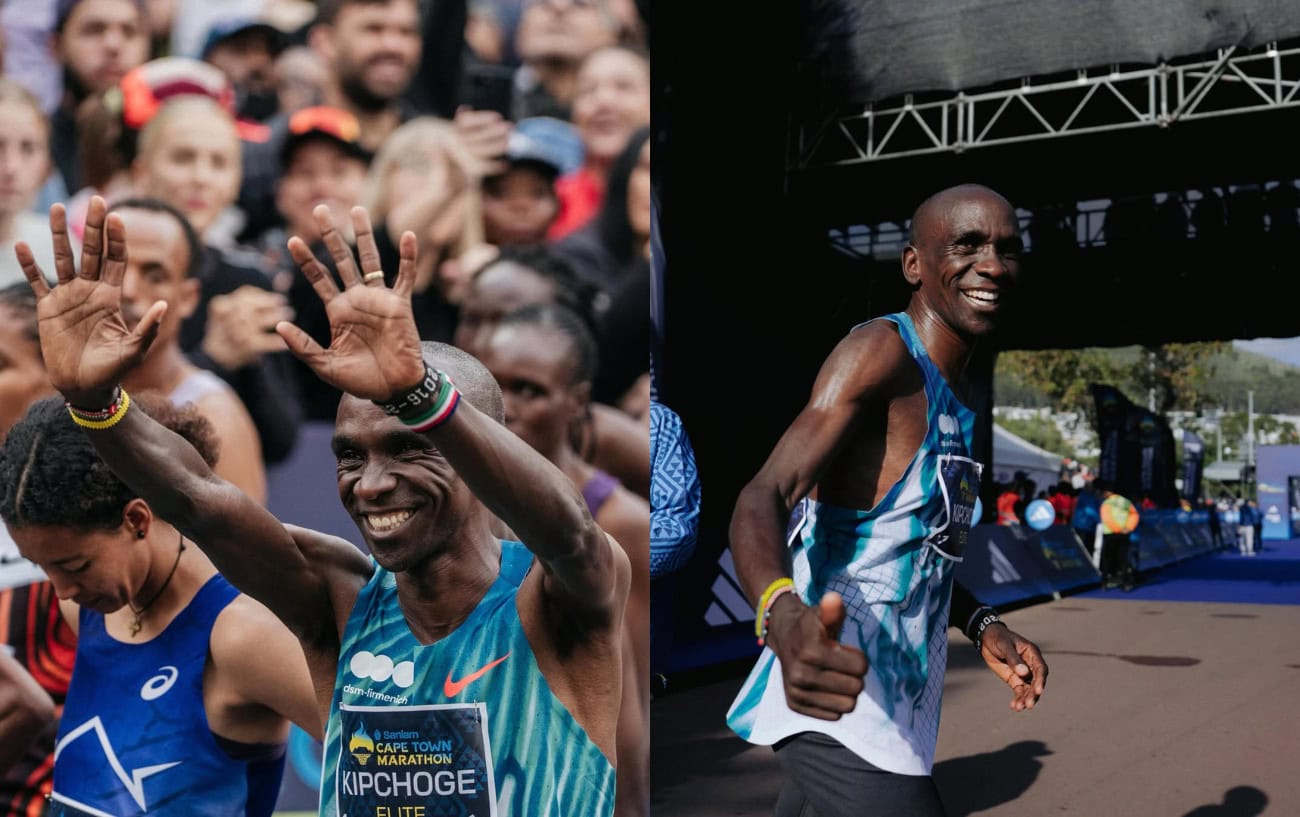
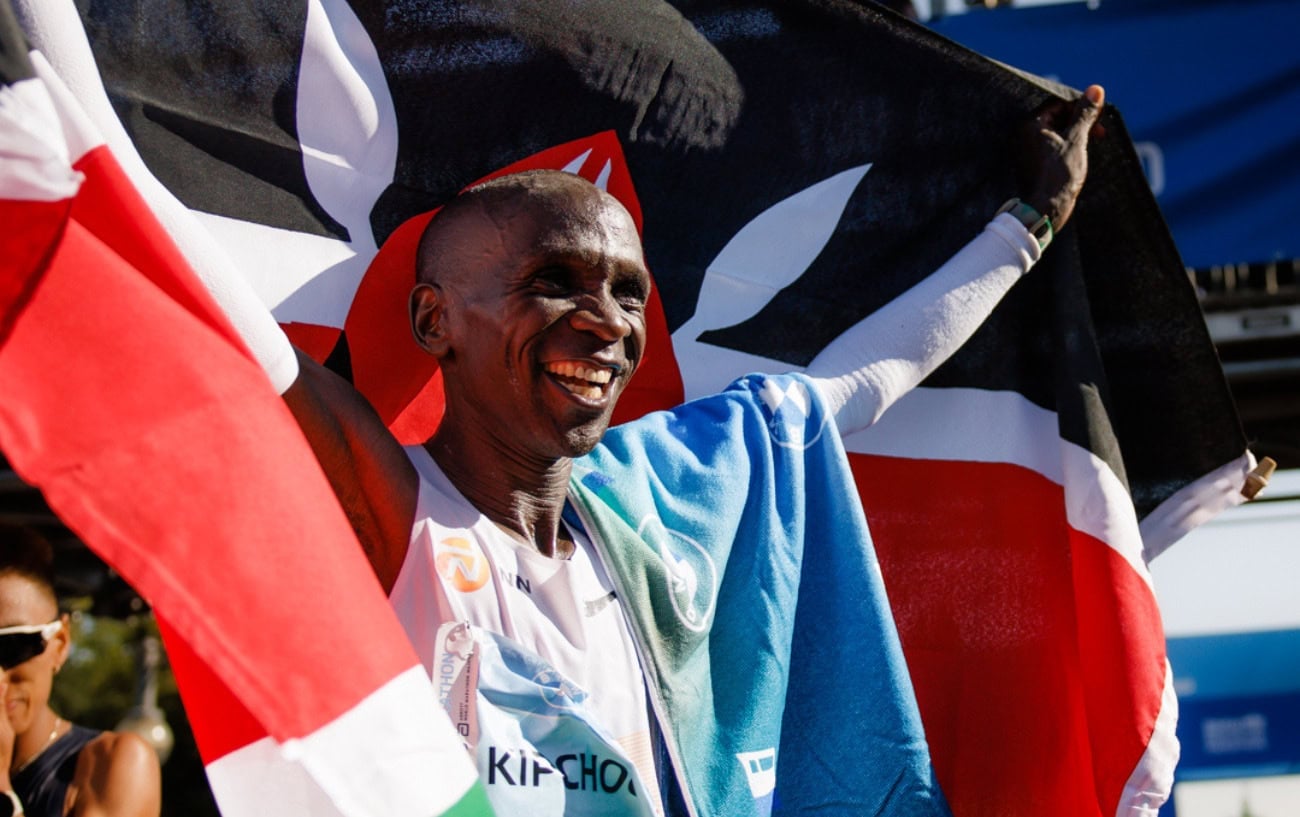
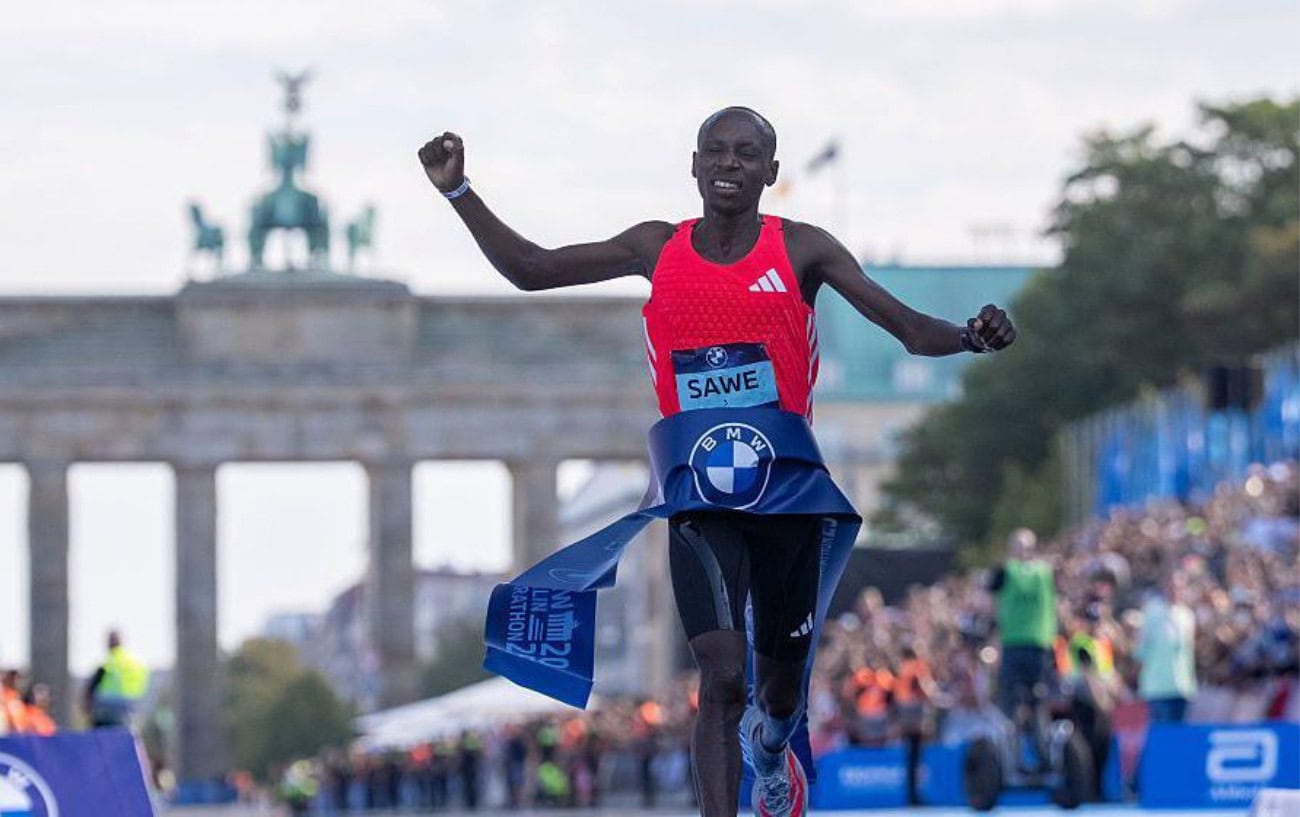
Sabastian Sawe didn’t just win London and Berlin. He won them in ways that left us scrambling for words.
In London, he ripped through the 5km split between 30km and 35km in 13:56, the kind of time you expect from a pretty elite runner racing a one-off 5K, not the back half of a marathon. He pushed alone, crossed in 2:02:27, and looked more relieved than exhausted (rightfully so).
Berlin was another level entirely.
Sawe again ran most of the race on his own, but this time in brutally warm conditions, pulling away early and closing in 2:02:16, the fastest marathon time in the world this year. He won by nearly four minutes, the sort of margin that used to appear only in black-and-white photos from the 1960s.
Marathon fields are not small. They are not shallow. They draw highly decorated athletes from dozens of countries and demand perfection across fueling, pacing, weather, and sheer nerve. And Sawe tore through two of the biggest marathon stages in the world with the casual confidence of someone doing threshold intervals.
Duplantis competes in a discipline where the gap between him and the rest of the world is now almost philosophical. That is extraordinary in its own right, but it creates an odd imbalance. He can miss an attempt or two, settle in, and still win handily.
Sawe, by contrast, races on a tightrope. One mistimed surge, one missed move, and the race detonates.
The out-of-stadium award felt like an acknowledgment of that brilliance. But for many in the sport, myself included, it also felt like a ceiling. For a season with this kind of amplitude, the top award wouldn’t have been a stretch, it would have made complete sense.
But beyond his performances on paper, her gave the running world something even more brilliant and rare: hope. For the first time since the late Kelvin Kiptum, we are seeing a runner consistently creep ever closer to that world record, and, even more elusive, the sub-2-hour barrier, for the first time in what feels like forever.
That in itself creates excitement among athletes and fans in the sport, and the belief that we are on the verge of potentially seeing something truly historic.

Chebet’s Empire
On the women’s side, the picture is even more complicated because Beatrice Chebet stitched together one of the most complete stretches the world of distance running has ever seen.
The numbers alone tell a story most awards panels dream of.
To begin with, Chebet owns the world records in the 5000m (13:58.06), 10,000m (28:54.14), and road 5km (13:54).
She won Olympic titles in both the 5000m and 10,000m in Paris last year, then repeated the double at the Tokyo World Championships this summer. In the 10,000m final in Tokyo, she handled brutal humidity with an authority that made the race feel almost routine. A week later, she outkicked Faith Kipyegon in the 5000m, becoming one of only three women in history to sweep both distance events at a single Worlds.
But the highlight of it all has to be her 5000m world record from the Prefontaine Classic earlier this year, becoming the first woman to clock under 14 minutes in the event. That performance not only rewrote the history books, but it opened our eyes to what women’s distance track running is becoming.
So, you can look across every surface in the sport, track, road, cross-country, and Chebet has stood on top of all of them recently. Few athletes in recent memory have had this kind of gravitational pull across disciplines.
McLaughlin-Levrone’s 47.78 was breathtaking, don’t get me wrong. So was her extended win streak. But her season was contained to one event and a relay. Chebet spent the year defending an entire sport.
The argument here isn’t that McLaughlin-Levrone didn’t deserve her award. It’s that Chebet’s season was every bit as compelling, and arguably more complete, than any other athlete in 2025.
The Mile That “Doesn’t Count”
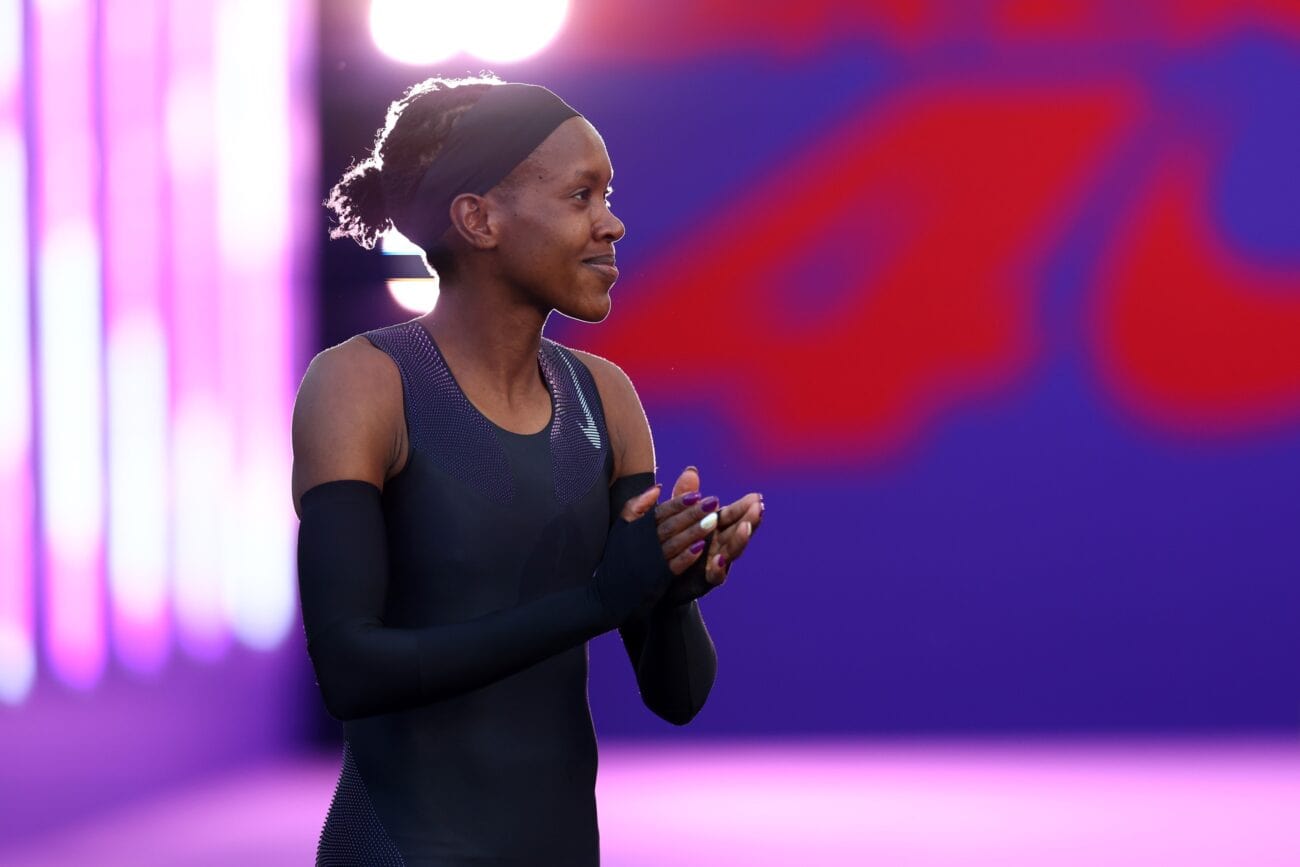
And then there is Faith Kipyegon, who has become so consistently brilliant that even her historic season somehow got folded into the background.
She won her fourth world 1500m title in Tokyo, something no woman has ever done, and added a silver in the 5000m behind Chebet. Those results alone would place her in the conversation every single year.
But the moment that defined her season didn’t happen in Tokyo. It happened in Paris a month earlier, under lights set not by World Athletics but by Nike.
Breaking4 was designed as a scientific spectacle, but Kipyegon’s run cut through the choreography. She went after a sub-four-minute mile, a barrier with the same sort of cultural weight the sub-two marathon carried for Kipchoge.
She had Wavelight pacing and male pacemakers, which disqualifies the time from ratification, but the ambition of the attempt was unmistakable. She crossed in 4:06.42, more than a second inside her own world record, and the stadium watched a woman do something never before seen, even if it will never appear in the official books.
World Athletics treated it as an exhibition. Yet when Kipchoge broke two hours in Vienna under almost identical exhibition conditions, using rotating male pacers and a bespoke course, the run became central to his Athlete of the Year campaign.
That inconsistency is hard to ignore. Kipyegon’s Breaking4 mile was discussed globally, replayed endlessly, and for many casual fans, it was the first time they had ever watched a mile live. It mattered in a way that numbers alone can’t capture.
If Athlete of the Year is supposed to acknowledge the moments that shift the weight of the sport, this was absolutely one of them.
World Athletics just didn’t seem to know what to do with it.

A Bigger Issue Than Just This Year
This is where the awards begin to feel narrow.
The selection process blends expert votes, council votes, and social-media engagement. In practice, that structure pushes attention toward athletes who already dominate the federation’s promotional channels. A U.S. sprint star and a Swedish pole vault phenom sit right at the centre of that spotlight.
Distance athletes, especially marathoners and runners who compete outside Diamond League broadcasts, rarely enjoy the same visibility. The result is an awards night that often looks less like a reflection of the season and more like a popularity contest.
And that is the real missed opportunity. Sawe’s marathons, Chebet’s sweep, and Kipyegon’s mile all pulled the sport into new territory this year. They brought in viewers who don’t normally watch track. They challenged long-standing assumptions about what is possible. They created conversations that lasted weeks instead of hours.
The sport moves forward because of these moments. Awards don’t need to be perfect, but they should be able to recognise where the centre of gravity is shifting.
This year, World Athletics stayed with the familiar choices, they played it safe. The athletes who pushed the boundaries will keep doing it anyway. But it would have been something to see the federation follow them a little more bravely.