


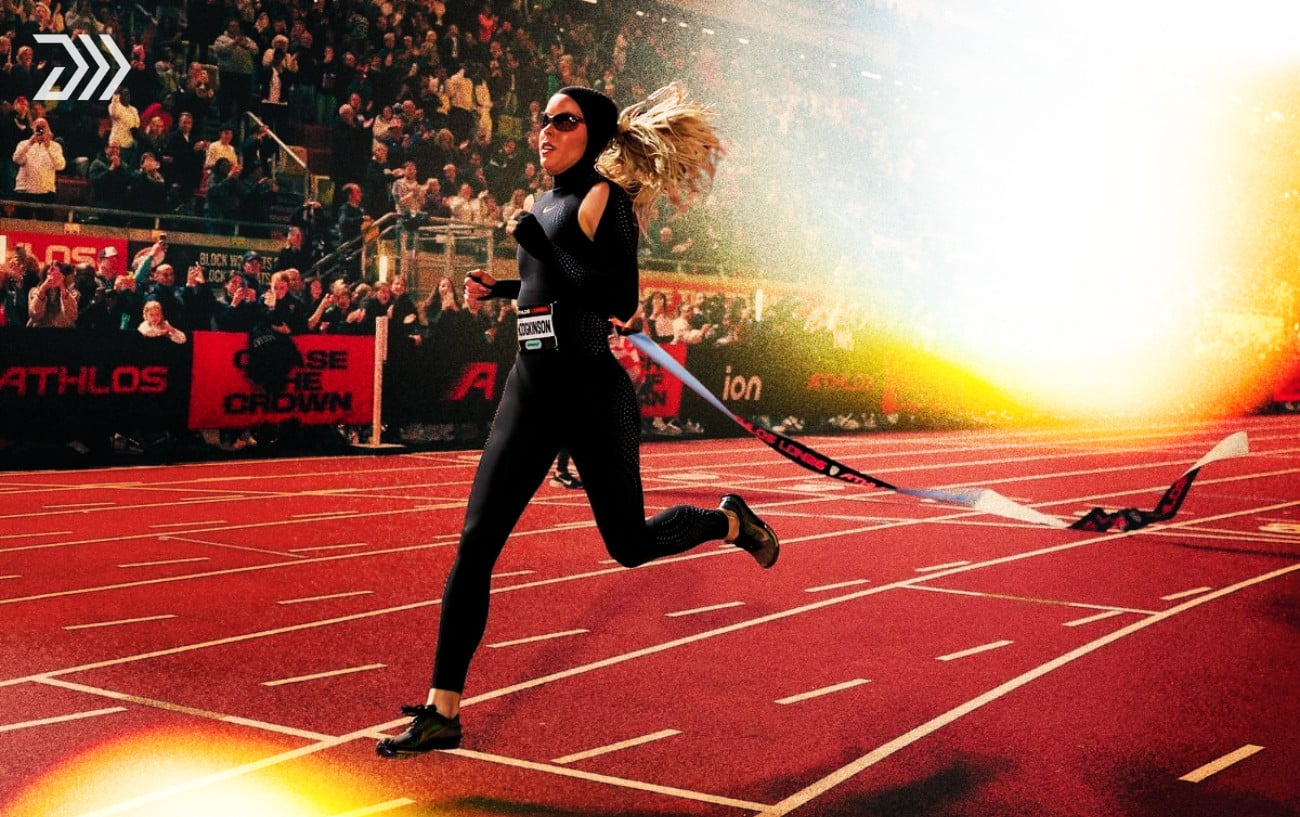
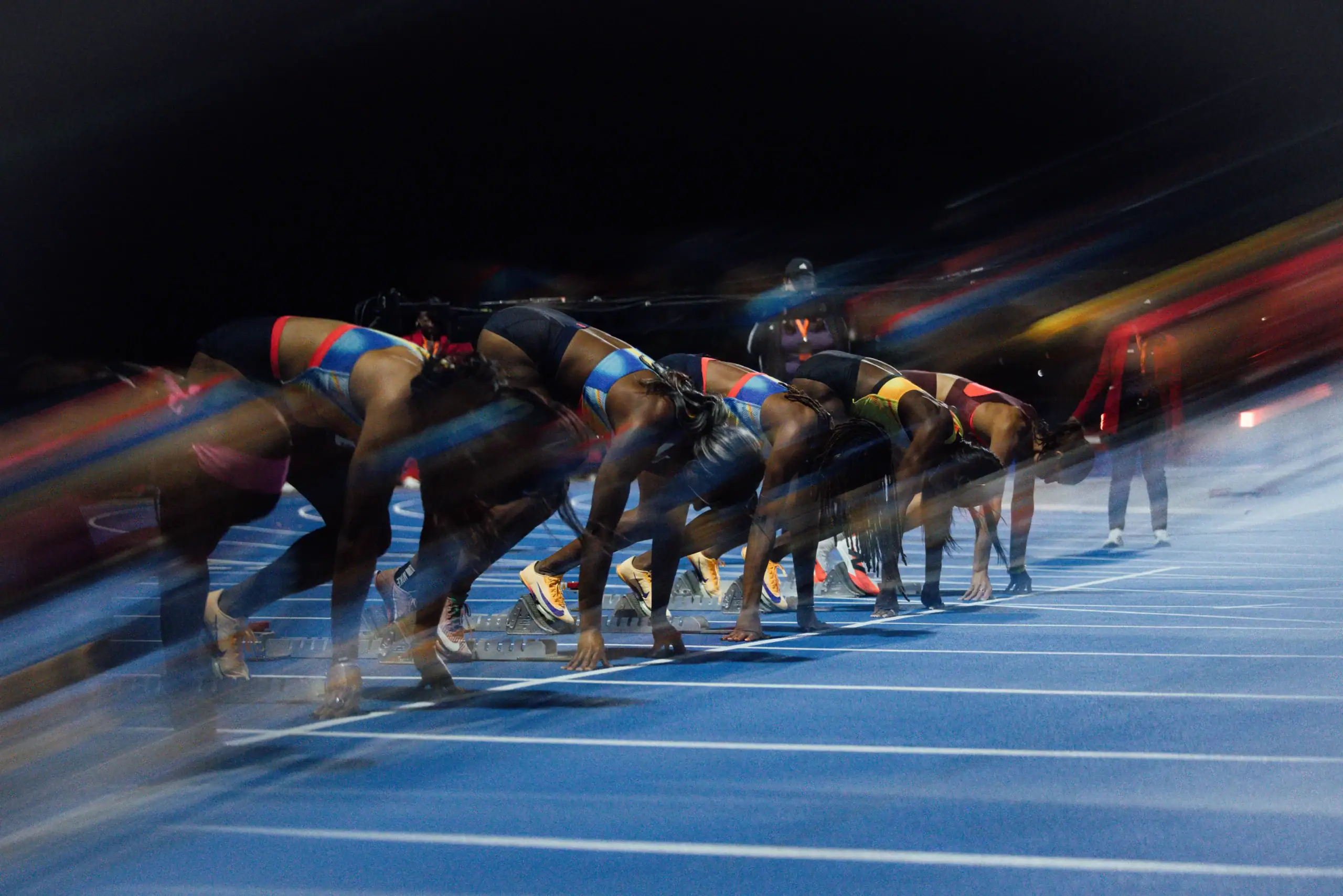
On Thursday, Nike began selling the first signature collection of Keely Hodgkinson’s career: four shoes in black and gold, an AeroSwift crop top, and a pair of tight 5-inch shorts, the racing silhouette she has made her uniform. The same day, LetsRun.com published an argument that Raising the Bar, the European Broadcasting Union’s new guidelines for filming women’s athletics, treats the visibility of a woman’s body as a problem in itself. The sport spent the week celebrating one image of a woman in a crop top and arguing about whether cameras should be allowed to produce another. It is worth working out why both reactions can feel right.
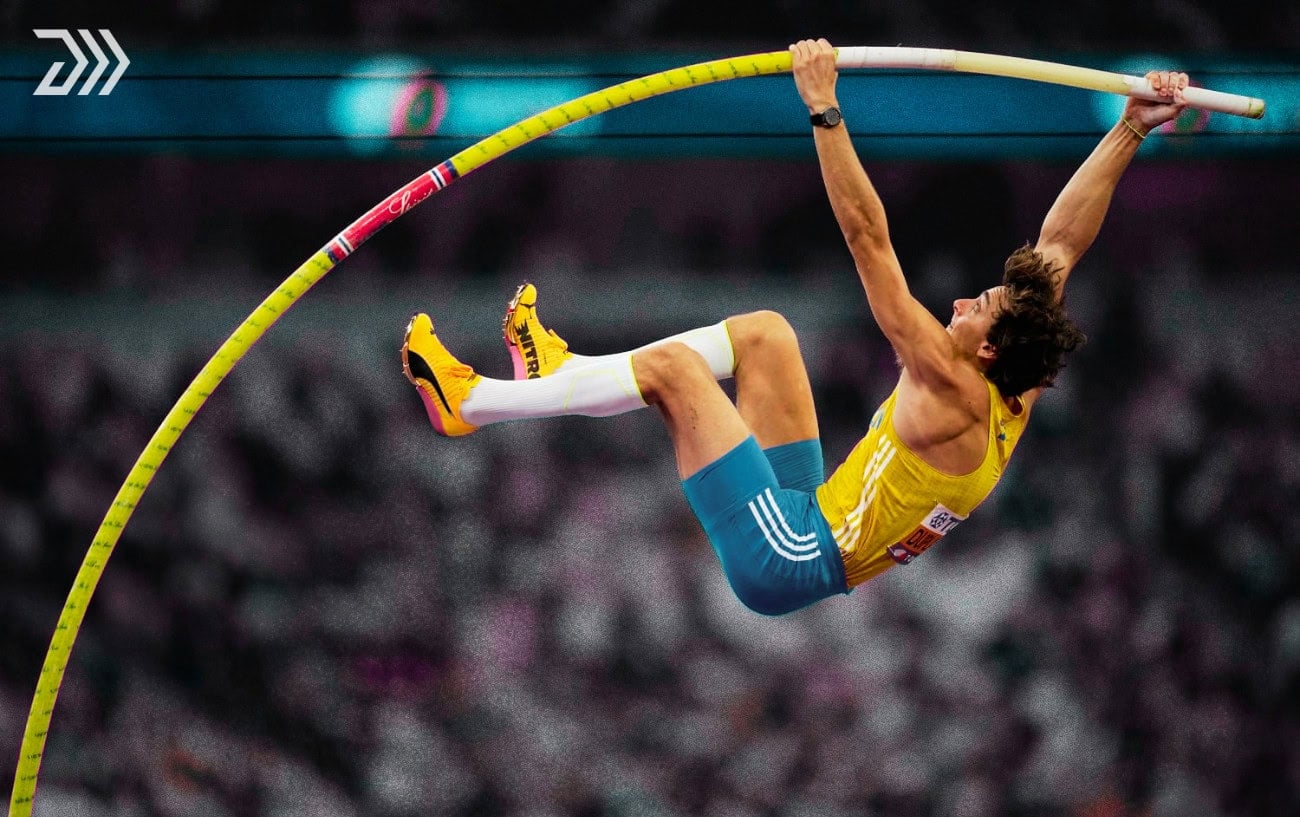
The LetsRun case, made by co-founder Robert Johnson, deserves to be taken at full strength. He proposes a single standard in place of the EBU’s 23 pages: “Film women’s athletics the same way you’d film men’s.” To make the point, he lays screenshots of broadcast close-ups of Mondo Duplantis’s world record vaults beside the images the EBU flags as unacceptable, and asks why nobody considers the men’s footage a scandal. Some of the document’s examples give his case real footing; it is hard to see what is compromising about an athlete in conversation with her coach. He also concedes that the underlying problem is real, and that a director who lingers on a revealing shot should be fired. On its own terms the argument is coherent, but the terms leave out what happens to the footage after the broadcast ends.
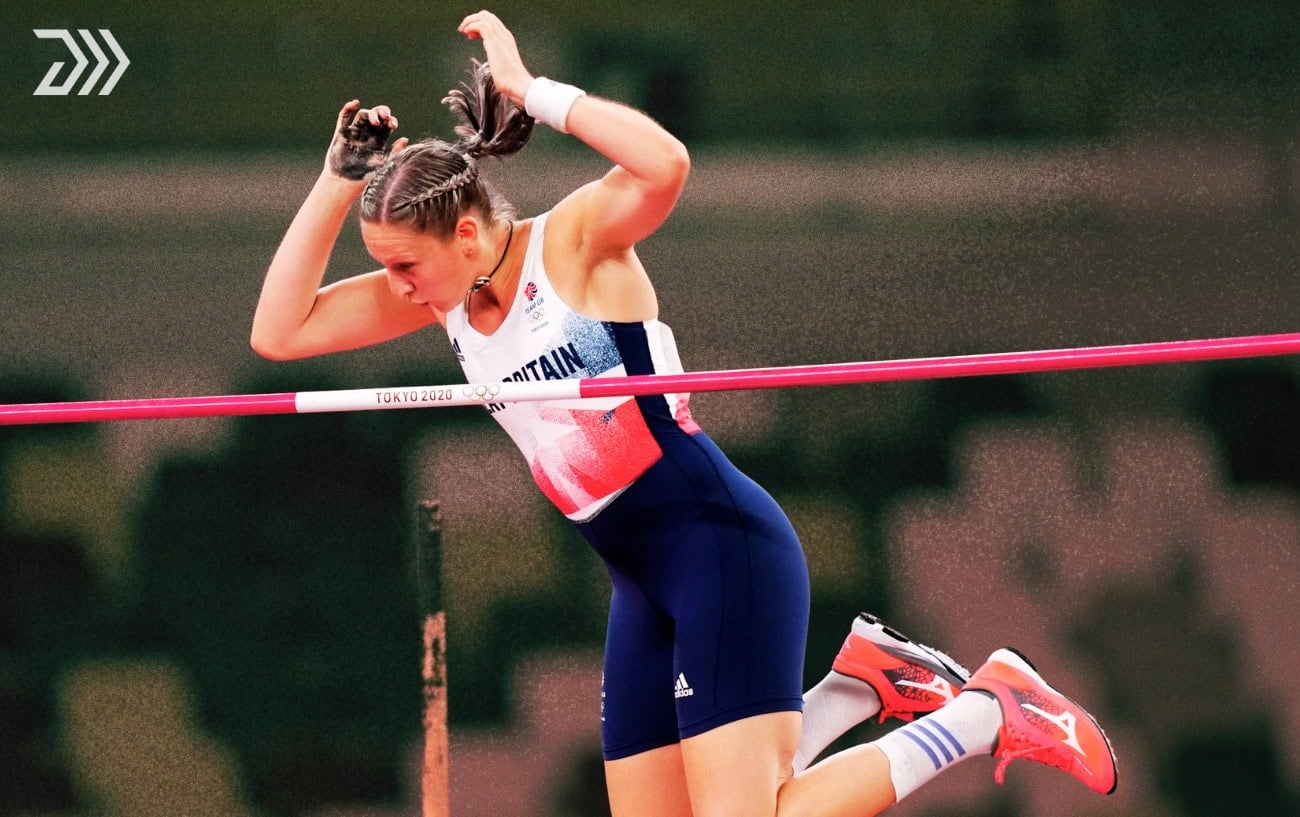
Equal treatment by the camera assumes the footage leads an equal life once it leaves the stadium. When we covered the guidelines on Wednesday, the detail that stood out was not any camera diagram but the testimony of pole vaulter Holly Bradshaw: “I first-hand have received social media abuse and witnessed inappropriate videos online of myself and colleagues when slow-motion content of us competing is captured.” She described athletes arriving at major championships “more focused on the cameras instead of their own performance.” No male vaulter has described competing under that weight. A slow-motion clip of Duplantis and one of Bradshaw may be interchangeable on air; they stop being equivalent the moment the broadcast ends.
The data says the asymmetry is specific. World Athletics tracked the accounts of 1,917 athletes on four platforms during the Paris Olympics and verified 809 abusive posts. Male athletes drew substantial abuse too, most of it racist. The single largest category overall, at 30 percent, was sexualized abuse, and it landed overwhelmingly on women. The raw material for that category is broadcast footage. A guideline that trims a pointless slow-motion replay of a landing is a supply-side intervention, a narrower and more defensible project than the one Johnson describes.
It is also a smaller imposition than the pileup suggests. Aggregators have framed the document as Europe setting rules for how women may be shown. The EBU is a broadcaster. It holds the European Athletics rights through 2031, and Raising the Bar is a voluntary style guide for its own productions, the second it has issued in a year on the coverage of women in sport. Nobody banned an angle: a broadcaster told its own camera operators what its own productions should look like, which broadcasters do as a matter of course.
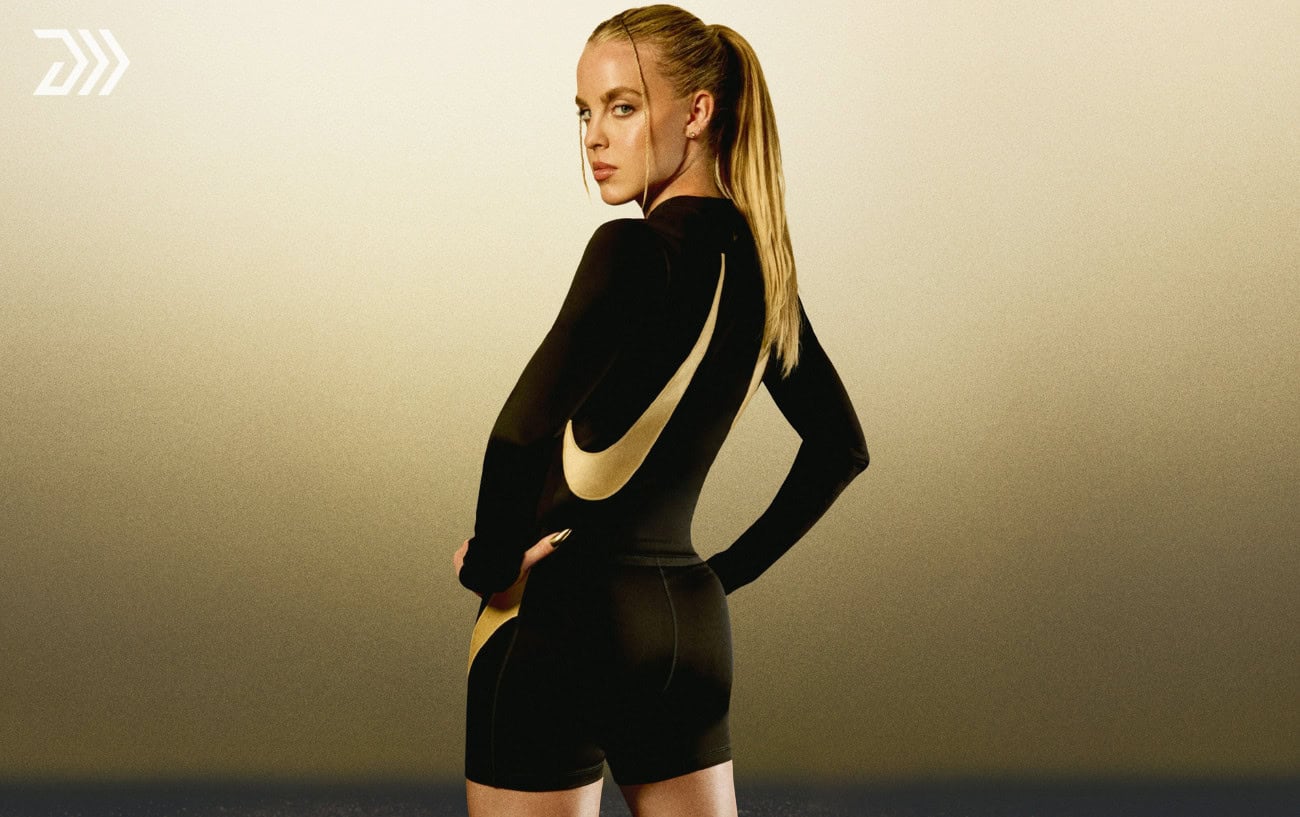
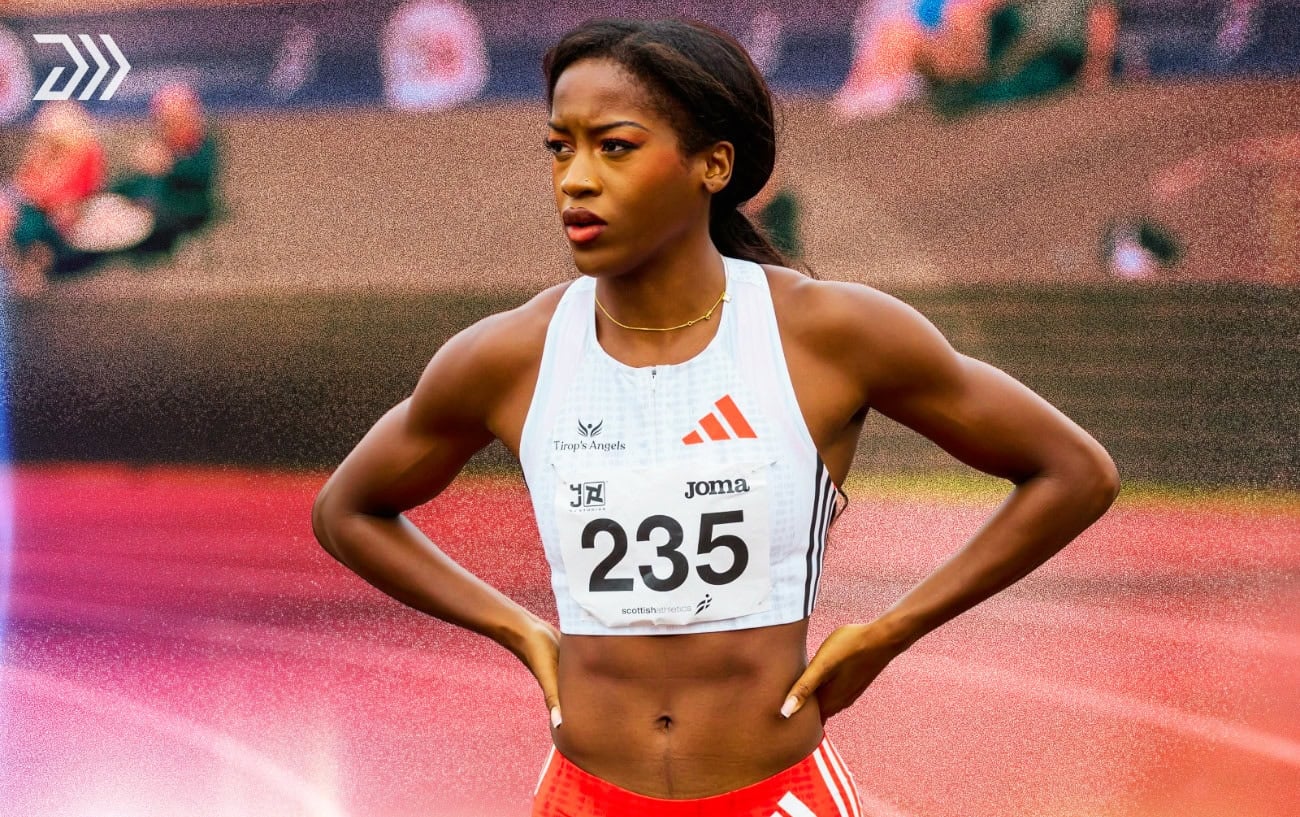
Which returns us to the crop top. Hodgkinson’s collection is built on precisely the images the guidelines are accused of suppressing: her body, in racing kit, in slow motion, shot from every angle Nike’s art directors could buy. “Having my own Nike collection is a dream come true,” she said at the launch. Set beside Bradshaw’s testimony, the campaign reads less like a contradiction than like a control group. Hodgkinson approved the shots, shaped the kit, and owns the upside, and the sport has responded to her visibility with a product launch. Women in this sport have long been scrutinized for how they look while they perform; the collection shows what the same visibility looks like when the athlete directs it. What changed between those two kinds of image is only the person deciding how it would be seen.
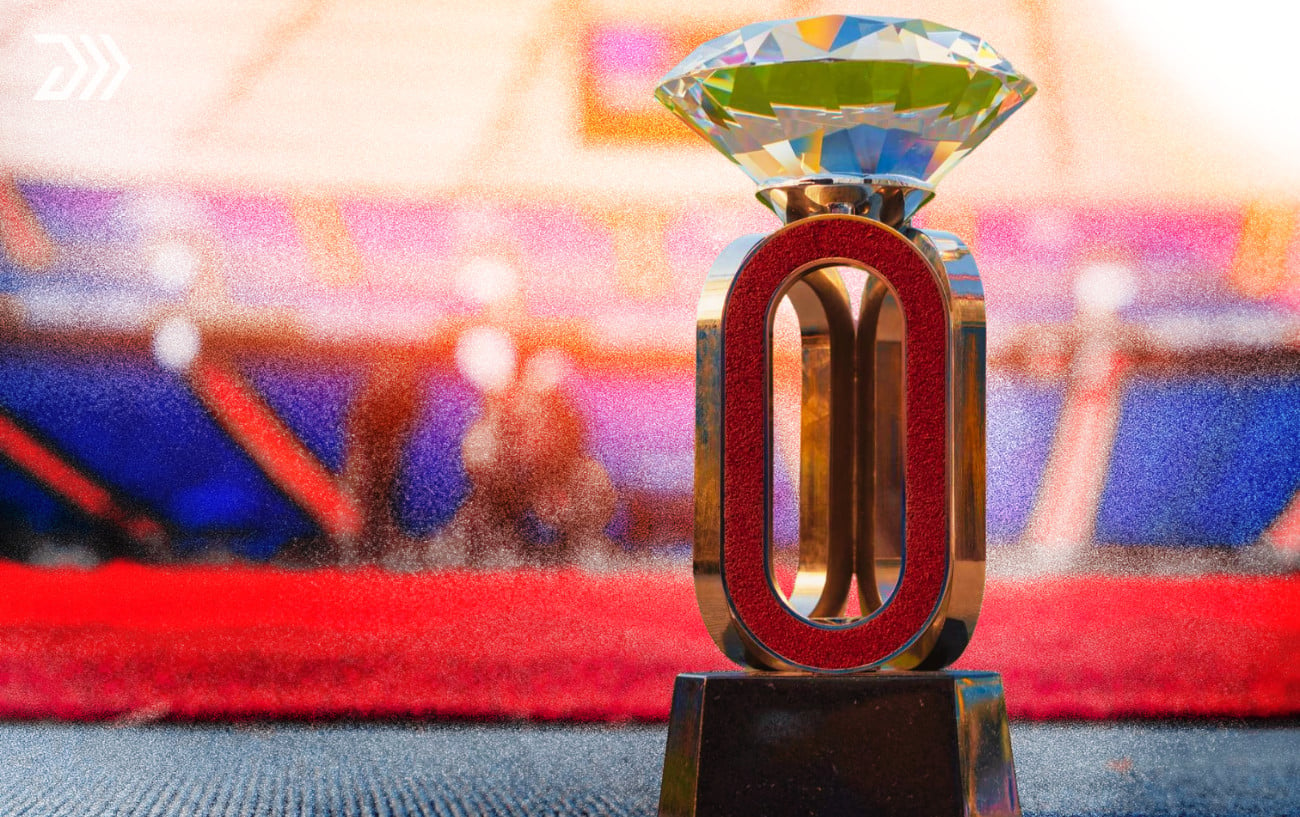
On Saturday, Hodgkinson will close the London Diamond League, the meet where Josh Kerr attacks the mile world record, with a record bid of her own in the 800m against Femke Broeders-Bol, the 400m hurdler who has run 1:55.60 since moving up. She will race in her own black and gold, on the kind of broadcast the guidelines were written to improve. Every frame of it will be a test of whether the sport can film a woman the way she has asked to be filmed.
RunClub
Get more running stories — join RunClub
Daily running news, a community of 300,000+ runners, free training plans for every distance, and a daily running game. Free to join — no card.
Already a member? Log in →


Join the conversation
Athletes have great physiques both males and females. If they choose to wear clothes that show that off and that befit their performance then there should be no issue. Likewise both male and female athletes benefit from brand sponsorships which most likely pay better for elite athletes that are good looking to sell their products. I would be in greater favor to limit the amount of skin shown for non adult athletes who can similarly be overly sexualized based on athletic attire. Adults can choose what they wear and how they wear it and cameras and networks are not dumb they know what sells and entertains.