


For years, women in athletics have said the same thing about how their events are televised: the lingering close-ups, the low-angle cameras, the pointless slow-motion replays are not just uncomfortable, they actively distract from the sport. Now the organization behind much of Europe’s athletics coverage has written that concern into formal guidance.
The European Broadcasting Union, working with European Athletics, has published Raising the Bar, a set of guidelines for respectful media coverage of women’s athletics aimed squarely at the sexualization of female athletes on screen. It’s backed by three Olympians who lived the problem: British pole vaulter Holly Bradshaw, Serbian long jumper Ivana Španović, and Croatian high jumper Blanka Vlašić.
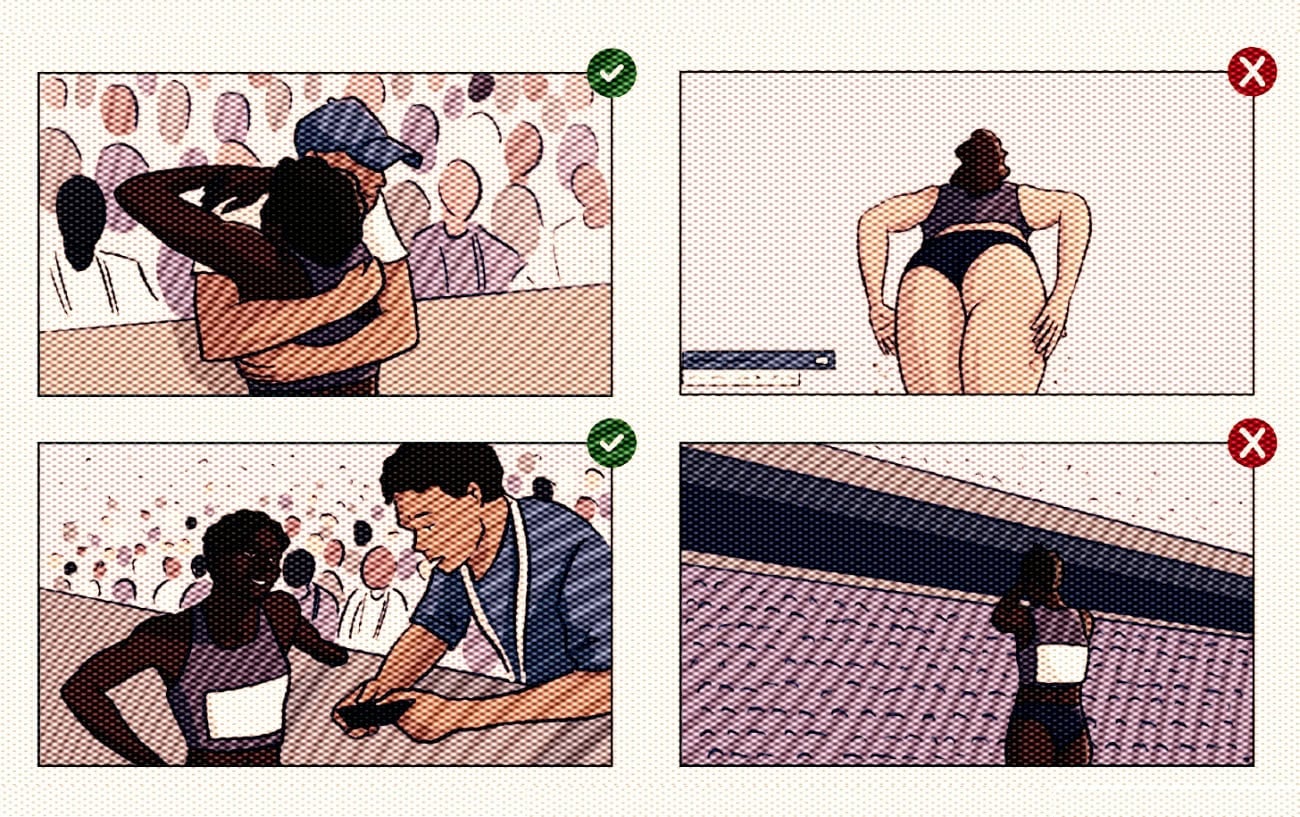
What The Guidelines Actually Target
Rather than vague principles, the document names specific practices. It flags low camera angles positioned beneath athletes, tight shots that linger on bodies rather than technique, and slow-motion replays that serve no storytelling or technical purpose, particularly at moments like a high jumper landing on the mat or a vaulter bending to lift the pole. Using real broadcast footage, it walks through event by event which angles work and which cross the line, even recommending small fixes like cutting a replay before an athlete touches down, or moving a camera to the side.
The Athletes Describe The Real Cost
The most powerful parts come from the athletes. Bradshaw was blunt about the consequences of careless coverage. “I first-hand have received social media abuse and witnessed inappropriate videos online of myself and colleagues when slow-motion content of us competing is captured,” she said. She described athletes arriving at major competitions “more focused on the cameras instead of their own performance.”
Španović framed it as both a wellbeing and a fairness issue. “Certain camera angles, combined with gender stereotypes, not only cause discomfort for athletes and unnecessary distractions during competition,” she said, but “can also have serious long-term effects on athletes’ mental health.” It’s a reminder that this sits within a wider pattern of how women’s achievements in the sport are scrutinized and undermined.
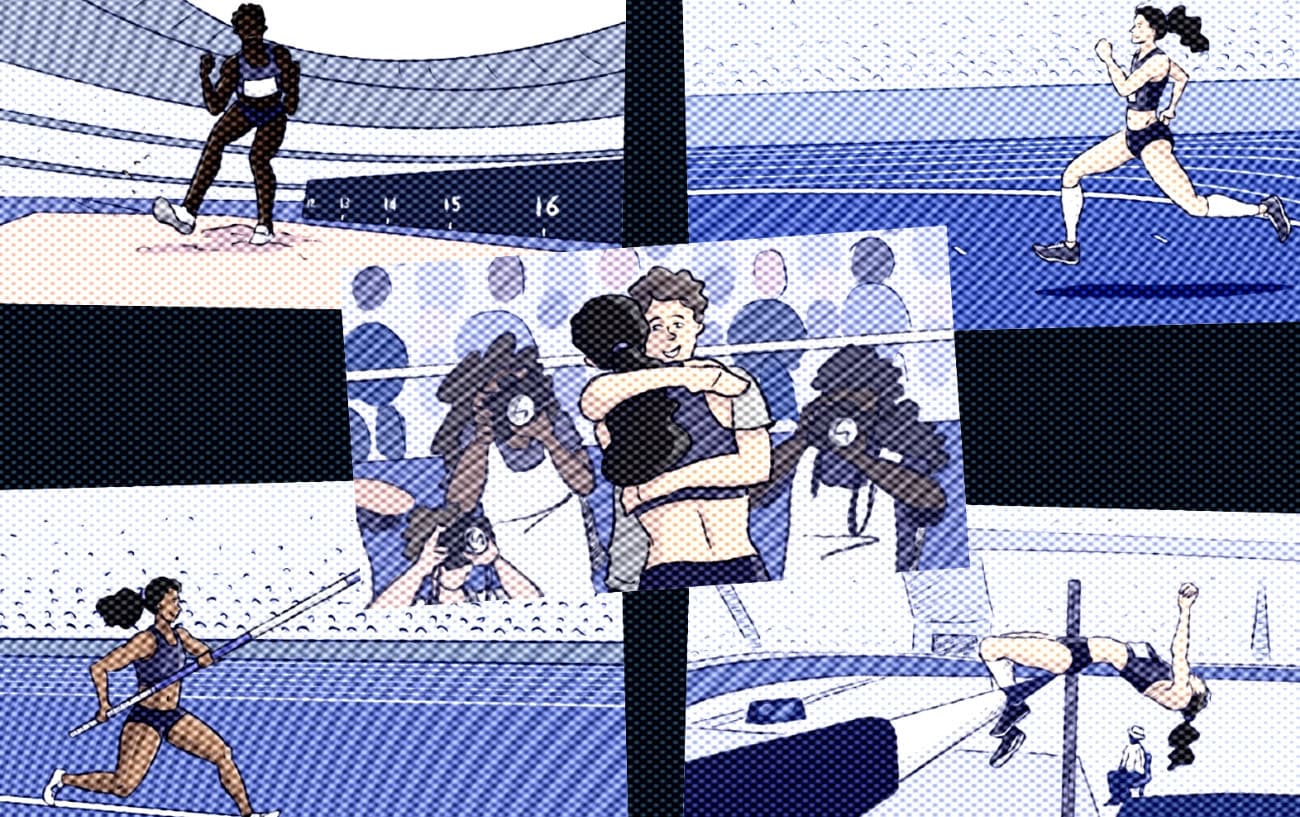
The Smart Part: Better For Dignity And For The Sport
The guidance makes an argument that should disarm any “political correctness” pushback: the angles that respect athletes are usually the same ones that best show off their skill. As Bradshaw notes, in the pole vault the technical story is in “those crucial last 6 steps, the penultimate stride speed, and the position at take off,” roughly 90% of the jump, not the bar clearance and landing where compromising images tend to occur. Focus the coverage on the technique, in other words, and the objectifying shots largely disappear on their own.
The EBU is careful to frame this as a starting point, not a rulebook, and stresses it applies to small crews as much as big productions. “Women’s sport deserves to be seen, covered, and valued on equal terms,” said EBU Sport executive director Glen Killane. European Athletics president Dobromir Karamarinov tied it to the governing body’s “Race for Respect” initiative, calling better filming standards “a crucial step toward eliminating harmful portrayals of women in our sport.”
Guidelines alone won’t change every broadcast overnight; that depends on directors and camera operators actually applying them. But putting the problem, and the fix, in writing, with the athletes’ names attached, is the kind of concrete step the sport has long been asked for.
This piece touches on online abuse and its effect on athletes’ wellbeing. If it resonates personally, it’s worth reaching out to someone you trust or a qualified professional.
RunClub
Get more running stories — join RunClub
Daily running news, a community of 300,000+ runners, free training plans for every distance, and a daily running game. Free to join — no card.
Already a member? Log in →




Start the conversation