


Wearable tech company Whoop is refusing to back down after a rare and public warning from the U.S. Food and Drug Administration, declining to disable its new blood pressure tracking feature despite being told the tool violates federal medical device regulations.
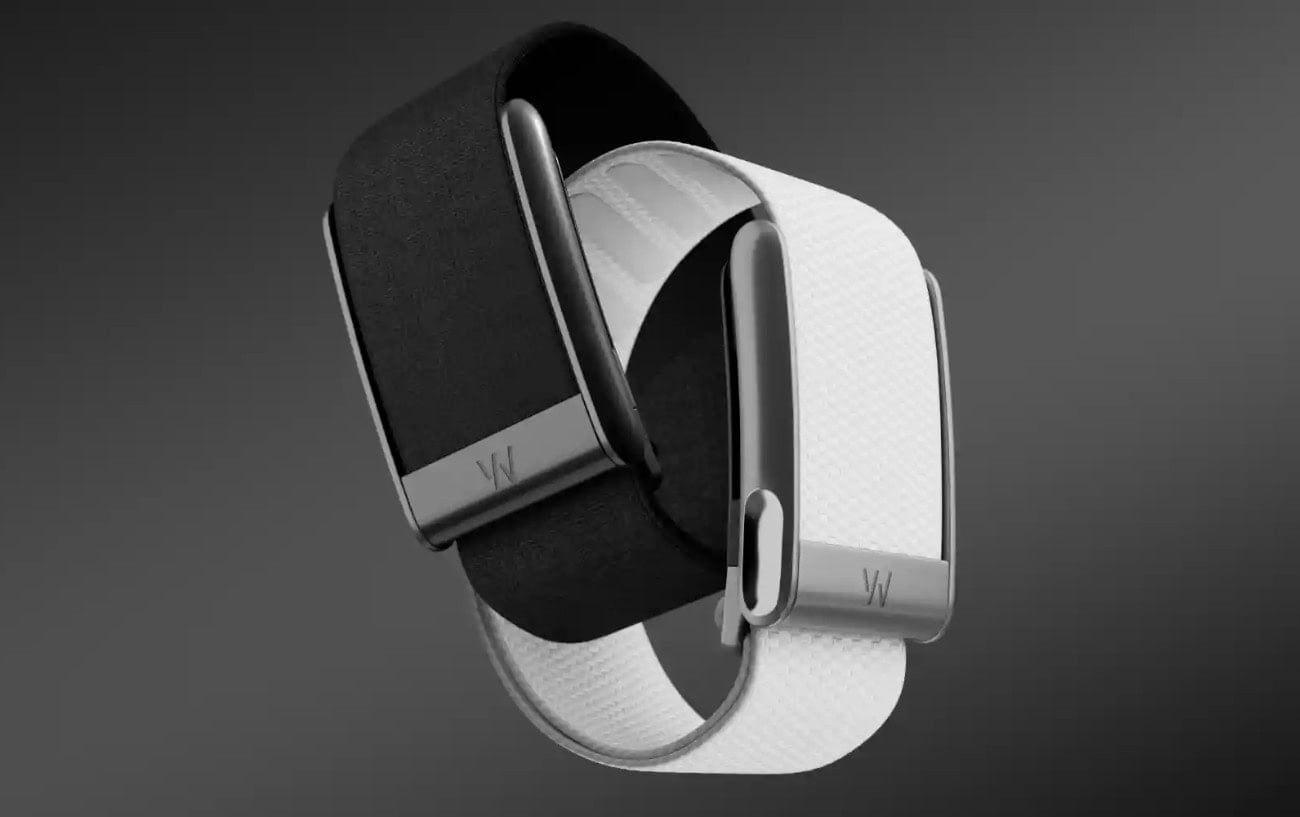
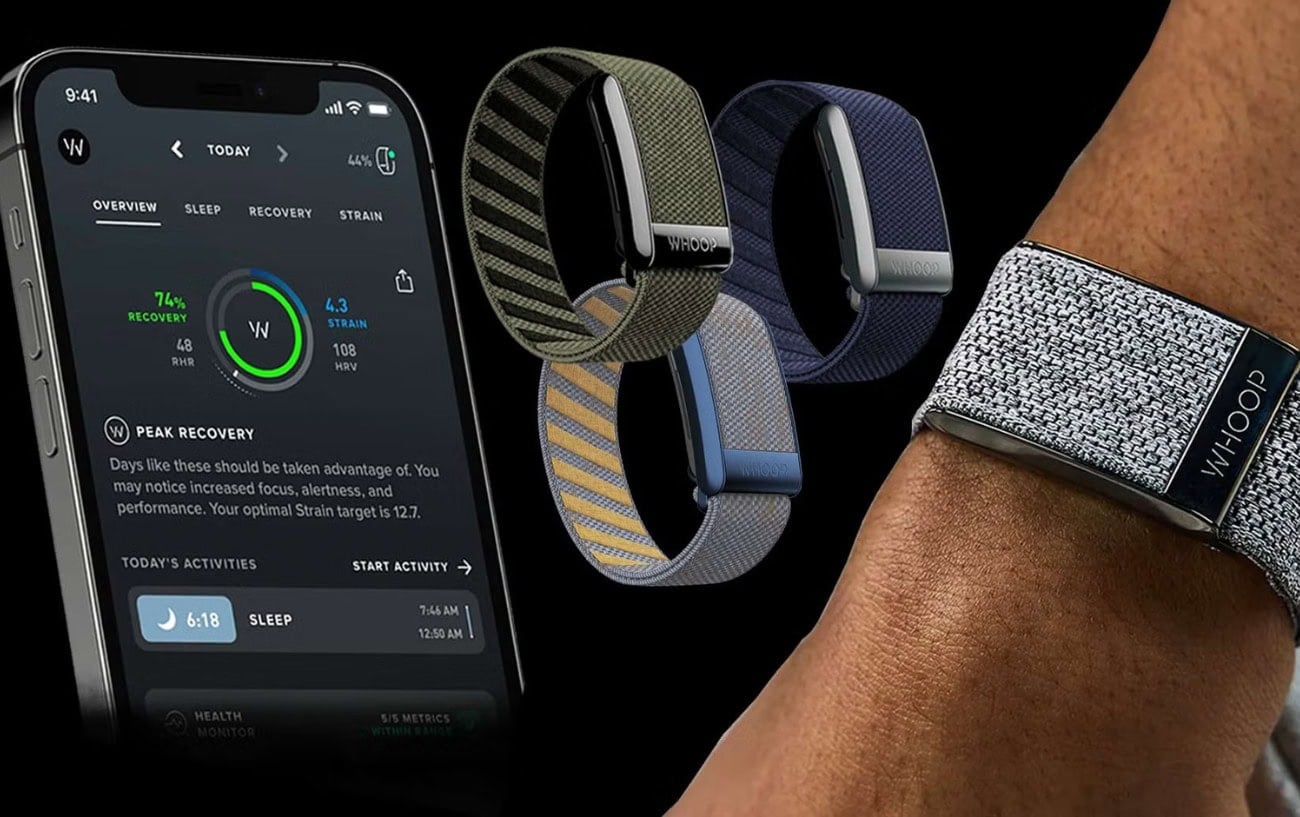
At the center of the dispute is Blood Pressure Insights (BPI), a feature introduced in May alongside Whoop’s newest wristband, the Whoop MG. The tool provides users with a daily estimate of their blood pressure range, designed to help optimize sleep, recovery, and performance.
It’s available only to those enrolled in the company’s $359-per-year “Whoop Life” subscription and must be calibrated using a standard blood pressure cuff.
But the FDA says Whoop has crossed a line.
In a July warning letter, the agency said BPI effectively functions as an unauthorized medical device, because it delivers numerical blood pressure data that could be used to detect or manage conditions like hypertension.
“An erroneously low or high blood pressure reading can have significant consequences for the user,” the FDA wrote.
The agency warned of possible civil penalties, injunctions, and seizures if Whoop didn’t take “prompt action.”
Whoop responded with open defiance. In an online post, the Boston-based startup said the FDA is “overstepping its authority,” and insisted the feature is clearly labeled for non-medical use.
“We believe it is not within the FDA’s authority to regulate the product,” the company wrote. “We therefore do not intend to remove the app.”
Whoop CEO Will Ahmed echoed that stance in a detailed LinkedIn post, defending BPI as a “wellness tool” akin to other non-clinical features like heart rate and respiratory tracking.
“That’s like saying your wearable shouldn’t show your heart rate because someone might think they have tachycardia if it’s too high,” Ahmed said.
He pointed to the 21st Century Cures Act, which allows certain wellness-focused tools to avoid medical classification if they don’t diagnose or treat disease.
Whoop says BPI falls under that exemption.
The app includes repeated disclaimers, and users must acknowledge that the feature is not for medical use during onboarding. The blood pressure estimate is based on overnight biometrics, not real-time or clinical readings.
The FDA, however, insists that blood pressure data is fundamentally different from metrics like heart rate. Because blood pressure is closely tied to life-threatening conditions, regulators say even passive or estimated readings carry too much risk to be considered low-stakes wellness data.
The agency wrote that disclaimers, no matter how prominent, “do not change this conclusion.”
Most companies in similar positions choose a quieter route, either modifying features or pursuing FDA clearance. Whoop’s public stance is notable in part because of its defiance. It’s also raising broader questions about where to draw the line as consumer wearables become more medical in nature.
Other companies have taken more cautious steps.
Garmin and Omron offer FDA-cleared blood pressure monitors, and Samsung has developed a blood pressure feature that is not available in the U.S. market. Apple, meanwhile, has teased a blood pressure tool for years, but hasn’t delivered. In 2024, it received FDA clearance for a separate sleep apnea detection feature.

Medical professionals are watching the situation closely.
Dr. Ian Kronish, co-director of Columbia University’s Hypertension Center, told CNBC that wearables like Whoop represent a “big opportunity” for consumers to take control of their health, but that accuracy remains a concern.
“If patients don’t get accurate blood pressure readings, they can’t make informed decisions,” Kronish said. He added that it’s encouraging to see the FDA stepping in to help guide consumers.
For now, the disagreement remains U.S.-specific. According to Ahmed, the BPI feature is currently available in more than 50 countries without regulatory issues. But the FDA has given Whoop a deadline of 15 business days from the July letter to formally respond and lay out a plan for compliance.
Whether Whoop stands firm or seeks compromise could help define how future biometric features in wearables are treated—and how far companies can go in offering quasi-medical tools without crossing regulatory lines.
As wearables continue to blur the boundaries between consumer health insights and clinical-grade tools, the outcome of this standoff could shape the future of digital health innovation in the U.S.











0 Comments