


Jimmy Gressier wants the one-hour world record, and he plans to take it from Mo Farah on the track where Farah set it.
The Frenchman will attempt to break the 21.330 km mark at the Brussels Diamond League Final on Friday 4 September, according to an announcement reported by Chris Broadbent for the Diamond League.
The bid will take place at King Baudouin Stadium, the home of the Allianz Memorial Van Damme, where Farah set the current men’s record in 2020 and Sifan Hassan covered 18.930 km the same day for the women’s mark.
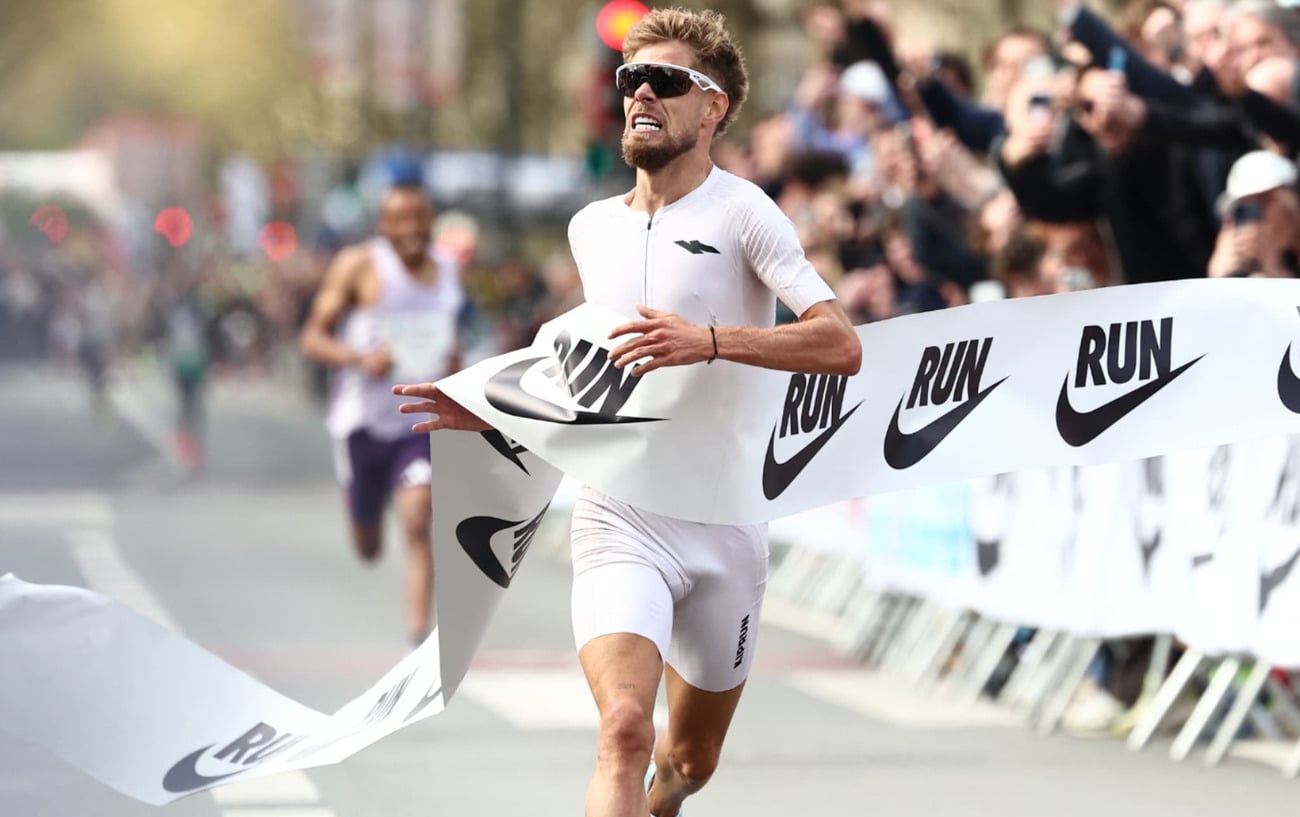
A simple format with no margin for error
The one-hour record strips distance running to its simplest math. An athlete runs around a 400-metre track for sixty minutes. There is no finish line. When the clock hits zero, officials measure exactly how far the runner has travelled. Farah completed 53.3 laps with the help of Belgian pacemaker Bashir Abdi, who finished close behind to set a Belgian national best of 21.322 km. Abdi went on to take marathon bronze at Tokyo 2020.
For Gressier, the difficulty is not the distance. It is the pacing. Run too hard in the first twenty minutes and the wheels come off. Run too cautiously, and the record stays out of reach. With no fixed finish line, the runner has to manage every lap by feel and split.

Why the pace math works for Gressier
Gressier will arrive in Brussels with a season’s worth of evidence that he can hold the required tempo.
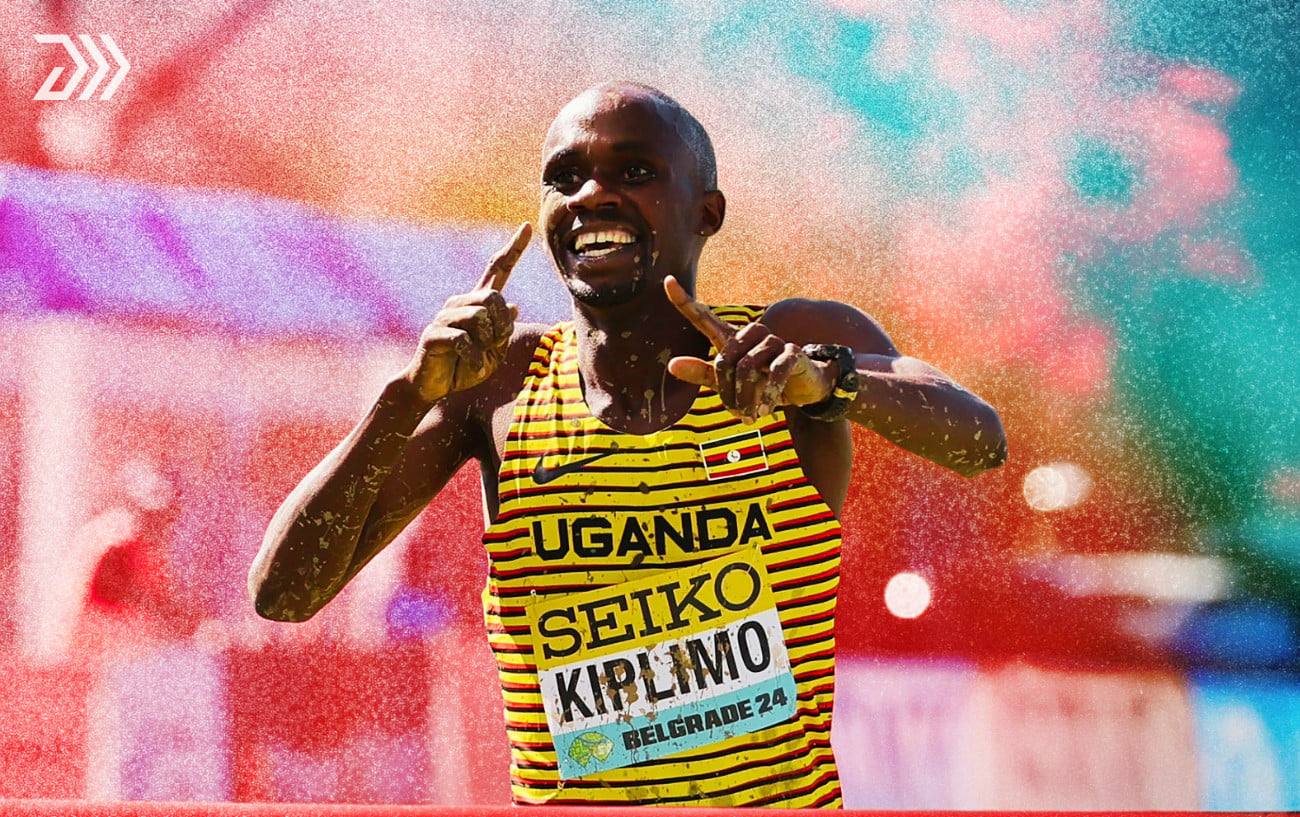
The Frenchman clocked 12:51 at the Urban Trail de Lille last month, a European 5km record that fell two seconds short of the world mark. He took the world 10,000m title in Tokyo last year in 28:55.77, an average of 2:53.6 per kilometre.
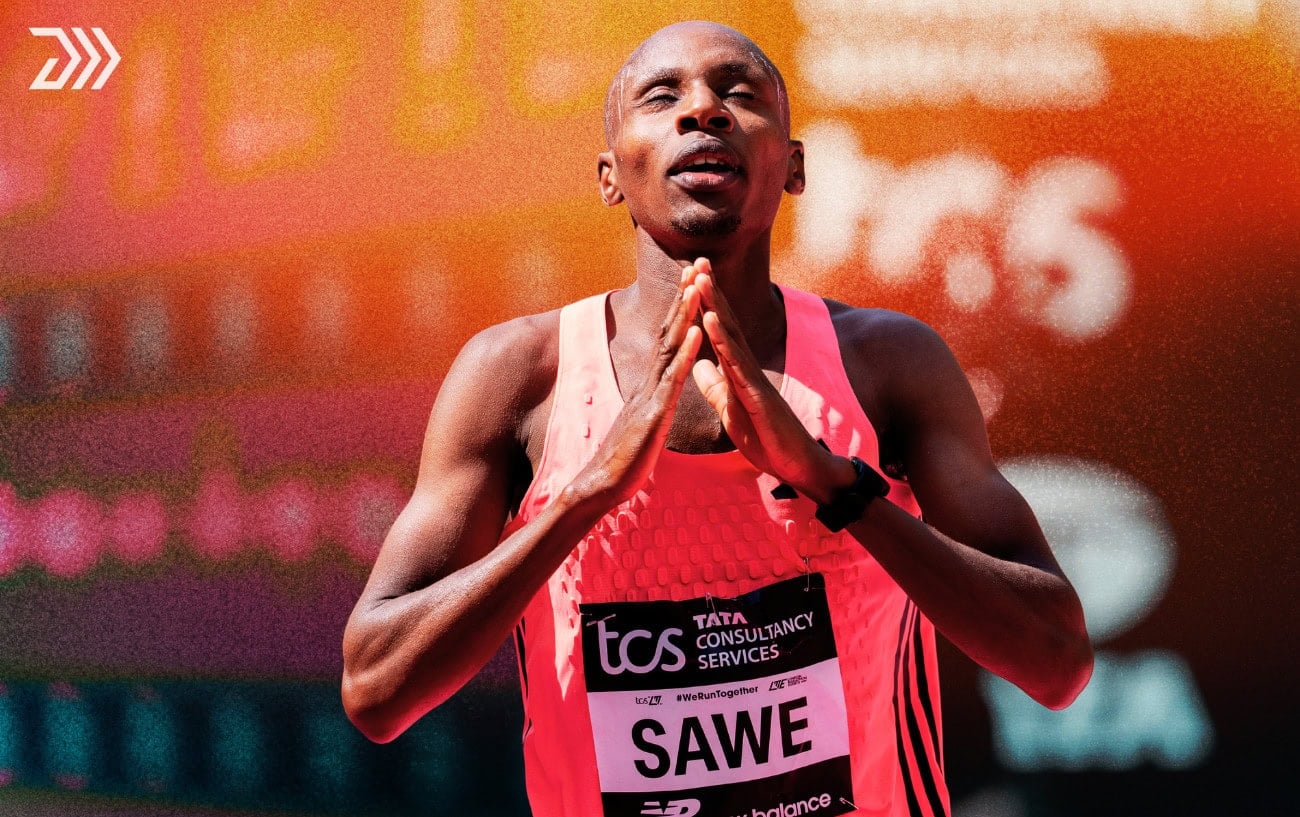
The most telling number came at the European Running Championships half marathon in Brussels-Leuven, where he won in 59:45, averaging 2:50 per kilometre. This is around the same pace Sabastian Sawe held during his world-record run at the 2026 London Marathon, and only two seconds per kilometre slower than the rate Farah maintained for his one-hour record.
Translated to a track, 2:50 per kilometre over sixty minutes works out to roughly 21.18 km, just under Farah’s mark. Two seconds faster per kilometre is the gap Gressier has to find.
Gressier also won the Diamond League 5000m title last year, becoming only the third European to do it after Jakob Ingebrigtsen and Farah himself.
His race calendar before September is heavy. The European 10,000m Cup in La Spezia comes on 23 May, followed by the 1500m at the Stockholm Diamond League on 7 June and the 5000m at the Paris Diamond League on 28 June. He will need to build the speed without sacrificing the strength that the one-hour effort demands.
No other athletes have been announced for the record bid in Brussels. That means Gressier may end up running solo for stretches of it, a tactical complication that did not face Farah, who had Abdi on his shoulder for most of the attempt.
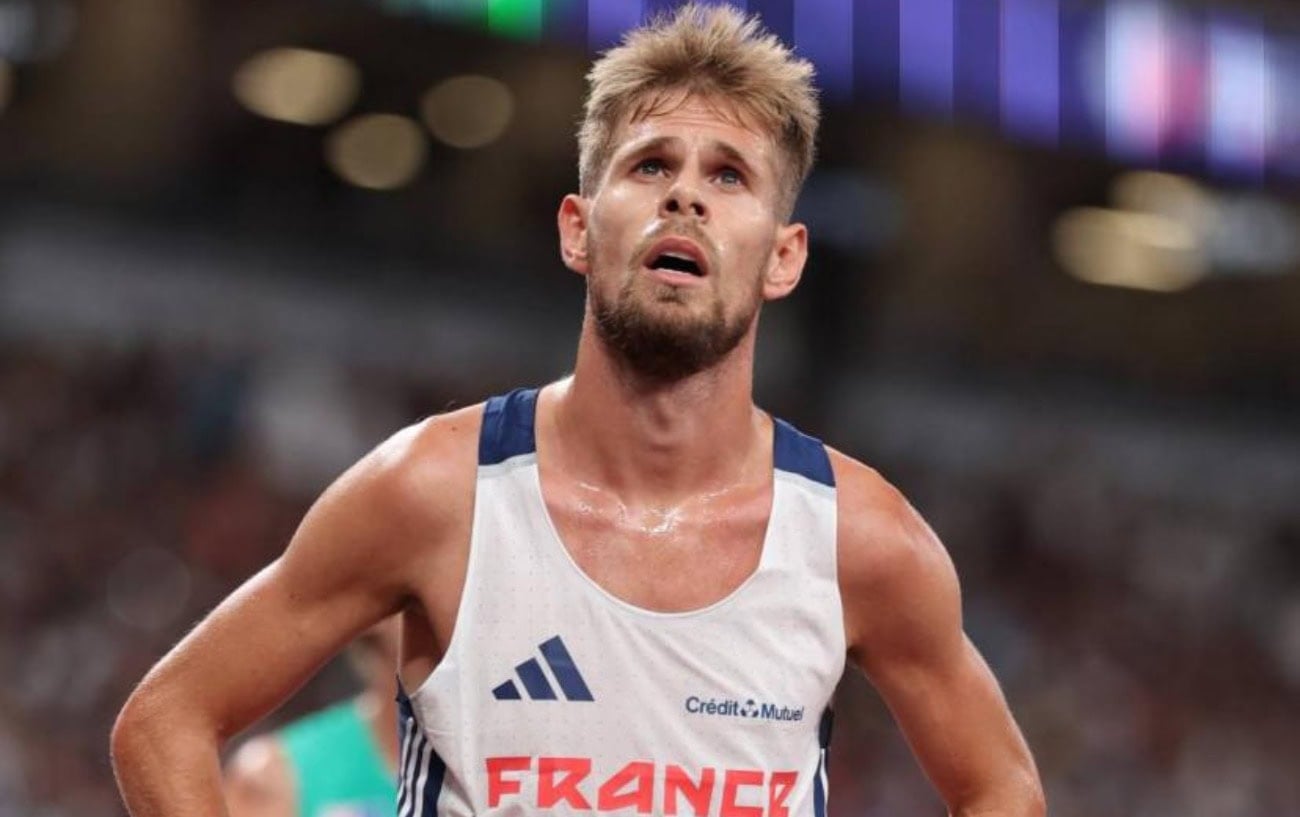
What it would take
Whether Gressier can stretch the record further than Farah did is something we will have to wait and see. The half marathon time and the European 5km record point one way. The Tokyo gold medal points the same way. But running a flat sixty minutes on a track without a fixed finish line is a different kind of test, one that long-distance track racing rarely puts on display these days, and the absence of confirmed pacers raises the stakes.
If he gets it right, the new mark will likely not look much different from 21.330 km. A one-hour record bid does not produce headlines through dramatic margins. It produces them through the steady, uncomfortable work of holding 67 seconds a lap, lap after lap, until the clock runs out.
RunClub
Get more running stories — join RunClub
Daily running news, a community of 300,000+ runners, free training plans for every distance, and a daily running game. Free to join — no card.
Already a member? Log in →






Start the conversation