


Before the LA Marathon even started on March 8, the running internet had already made up its mind. The race’s decision to let runners stop at mile 18 and still collect a medal was either a compassionate response to dangerous heat conditions or an affront to everything the marathon stands for, depending on which corner of social media you wandered into.
Now the data is in. And it turns out, most runners just ran the race.
According to official timing data shared by LA Marathon officials with Runner’s World, 985 runners chose to stop at the mile 18 turnoff. That’s 4.5 percent of the field — meaningful, but hardly the mass exodus some predicted.
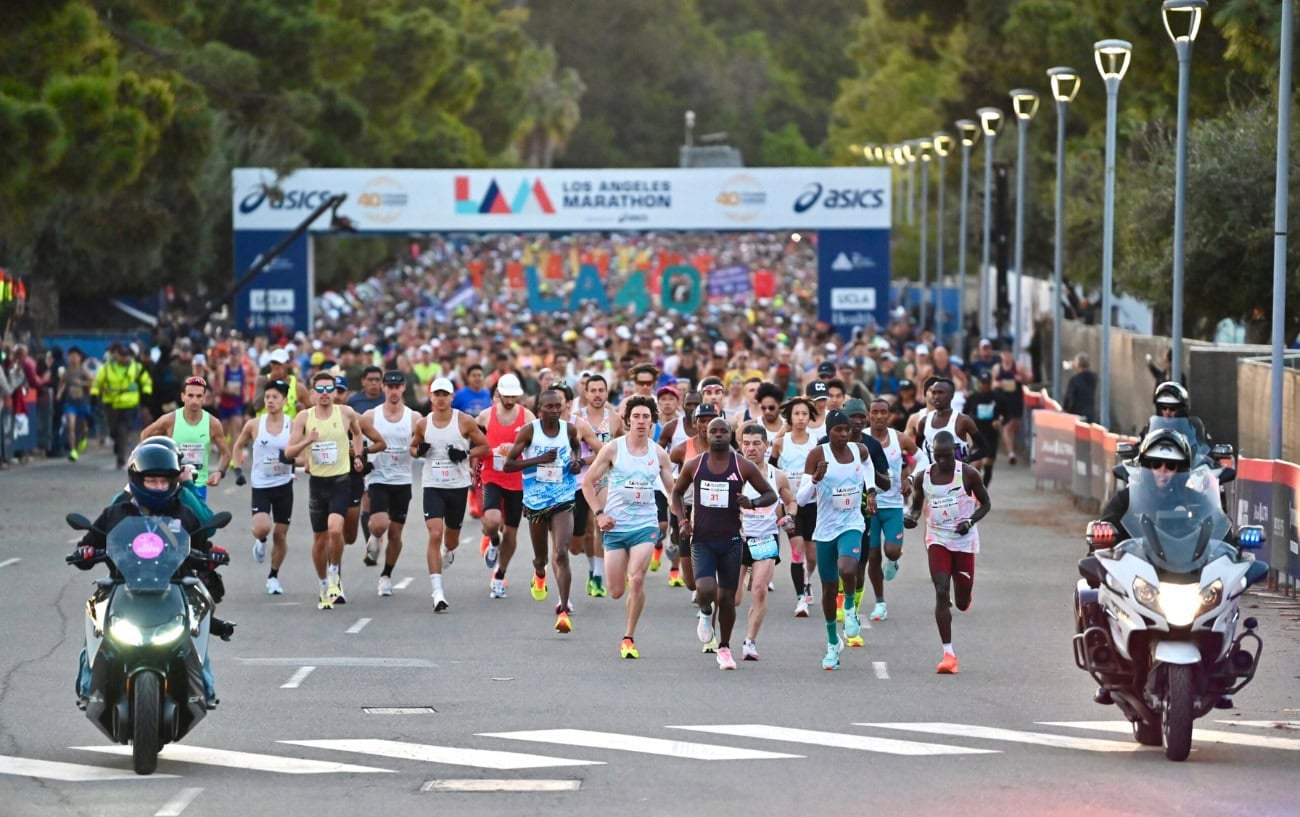
Most people went the distance
Of 23,374 starters, 22,979 crossed the full 26.2-mile finish line. The 985 who stopped early had the option to collect a medal, though they didn’t receive finisher certificates, and their results were recorded as 18-mile finishes.
The turnoff itself wasn’t some hastily spray-painted arrow pointing runners toward the nearest car park. It was built into an existing course split already used by charity half-marathon runners — a designated exit that race organisers had the foresight to prepare ahead of a warm forecast. If you’ve ever bonked hard in the wrong temperatures, you’ll understand why having a defined out matters.
Only 395 runners failed to cross the full finish mat before it was removed — a number that captures DNFs and may overlap with some 18-mile finishers depending on how results were finalised. Just 11 registered runners never made it to the start line — down from 27 in 2025. For context on what DNS vs DNF actually means in race results, we’ve covered that here.
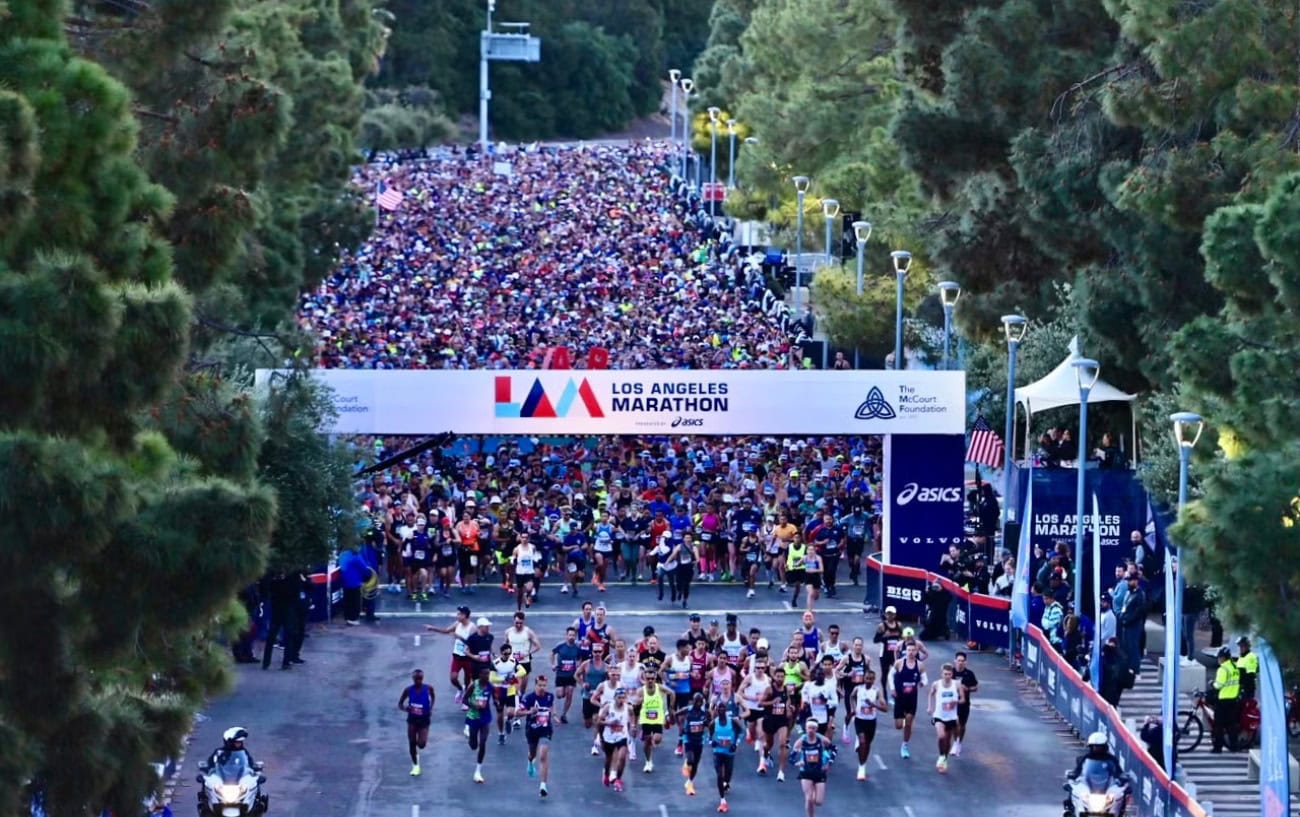
On the medical side
The race’s RaceSafe report logged 652 total incidents of illness or injury. Cramps, nausea, lightheadedness, fatigue — the usual mile-20 companions showing up a little early. Anyone who’s ever pushed through a hot race knows that list all too well.
There were 16 medical transports in total, including two spectators. Everyone was discharged, and there were zero fatalities. For a warm-weather urban marathon with over 23,000 runners on course, that’s a result most race directors would take.
For practical advice on staying safe when race day heats up, our guide on running in the heat is worth a read before your next warm-weather event.
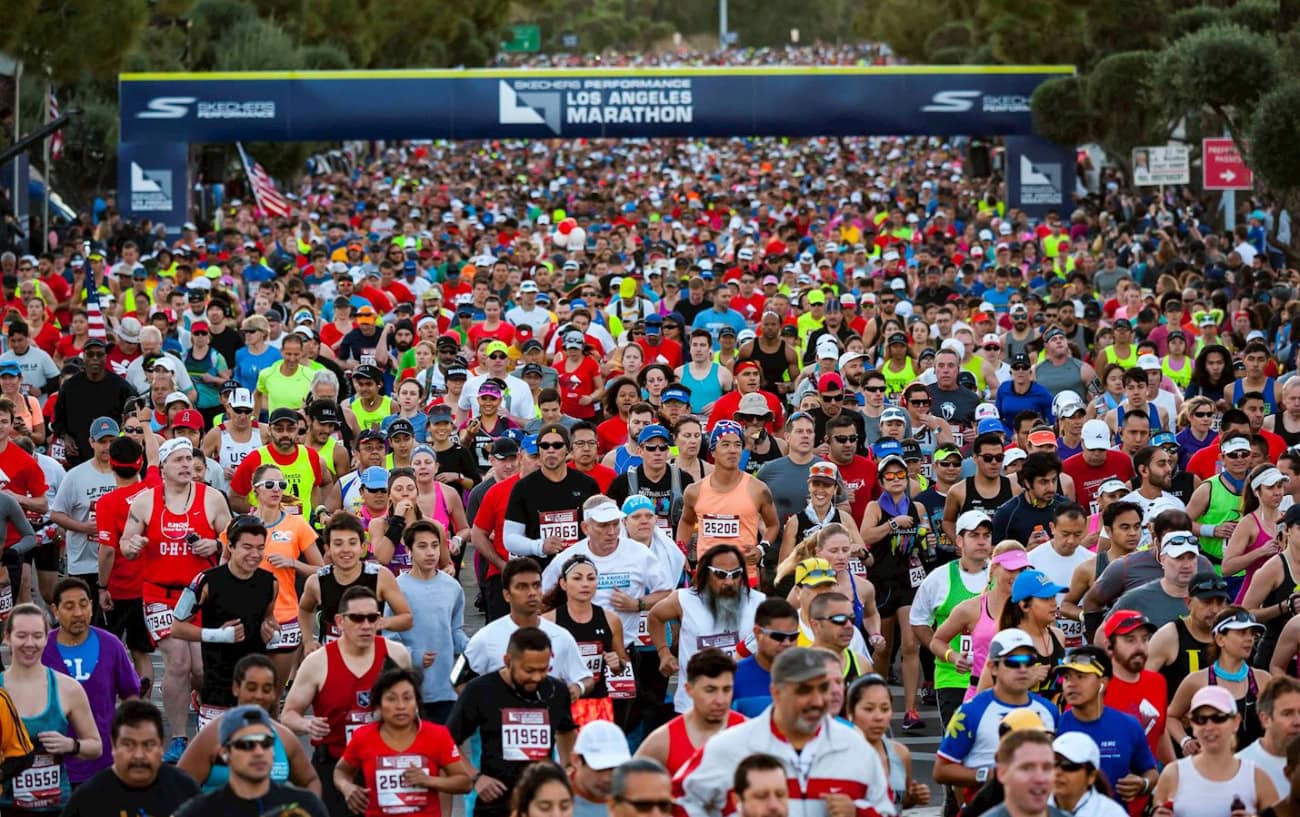
So was the policy worth it?
Race organisers framed it from the start as a safety valve, not a shortcut. The 4.5 percent figure is small enough that critics can argue the policy was largely unnecessary — but it’s also large enough that nearly 1,000 people had a safer day than they might otherwise have had.
If you’re preparing for your own 26.2 and want to make sure you’re ready for whatever race day throws at you, our marathon pace chart is a good place to start. And if you’re still deciding whether to push through or step off when things get tough out there, that’s a call only you can make.
Whether the medal should come with an early exit is still a debate worth having. But that one was never really about the numbers.
RunClub
Get more running stories — join RunClub
Daily running news, a community of 300,000+ runners, free training plans for every distance, and a daily running game. Free to join — no card.
Already a member? Log in →










Join the conversation
Great, great, great. I am an old marathoner who caught the surge during the Frank Shorter era. 50 states and 7 continent marathons later I’m still an avid runner. Albeit my marathon distance is ending, I can now read about them. Thanks.