


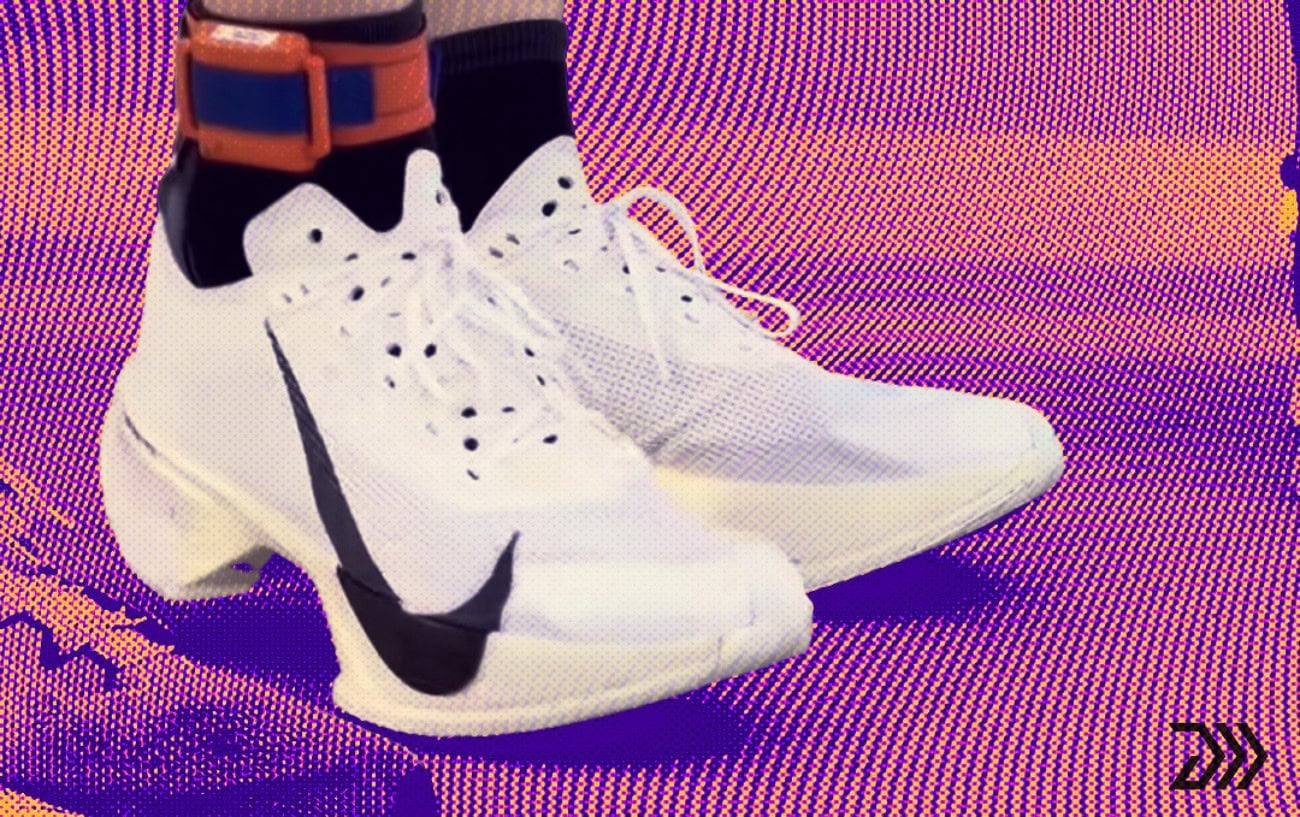
The second half of 2026 is shaping up to be the most consequential super shoe release window the sport has seen. We have already tested some of these shoes; others exist only in regulatory filings and grainy start-line photographs. Here is everything we expect to arrive before the year is out, ranked by how certain we are that it is real, and by how much it stands to change the market.
Saucony released the Endorphin Elite 3 on June 1. Adidas put a $500 Adios Pro Evo 3 on start lines in April, and Hoka’s Cielo X1 3.0 arrived back in the winter. In an ordinary year, that would constitute a full cycle of race-day news, and yet it amounts to the quieter half of 2026, because nearly everything the super shoe industry has been building toward will land between now and the New York City Marathon.
It helps to understand that the fall majors have become the industry’s launch calendar. Sydney on Aug. 30, Berlin on Sept. 27 and Chicago on Oct. 11 each function as a home game for a different brand, and the releases that follow are timed to those start lines with increasing precision. What follows is our forecast for every marathon race-day shoe we expect, or half-expect, to see before January.
A note on method, because the credibility of a forecast depends on it. This piece runs on two kinds of information, and we will always tell you which kind you are reading. The facts are sourced from brand announcements, World Athletics filings and, in the top tier, our own testing. The takes are ours: release probabilities and market predictions that represent editorial judgment, labeled as such, which we will revisit and grade in December.
Tier 1: We Have Already Run in Them
The strongest form of certainty in this business is a shoe we have already put miles on.
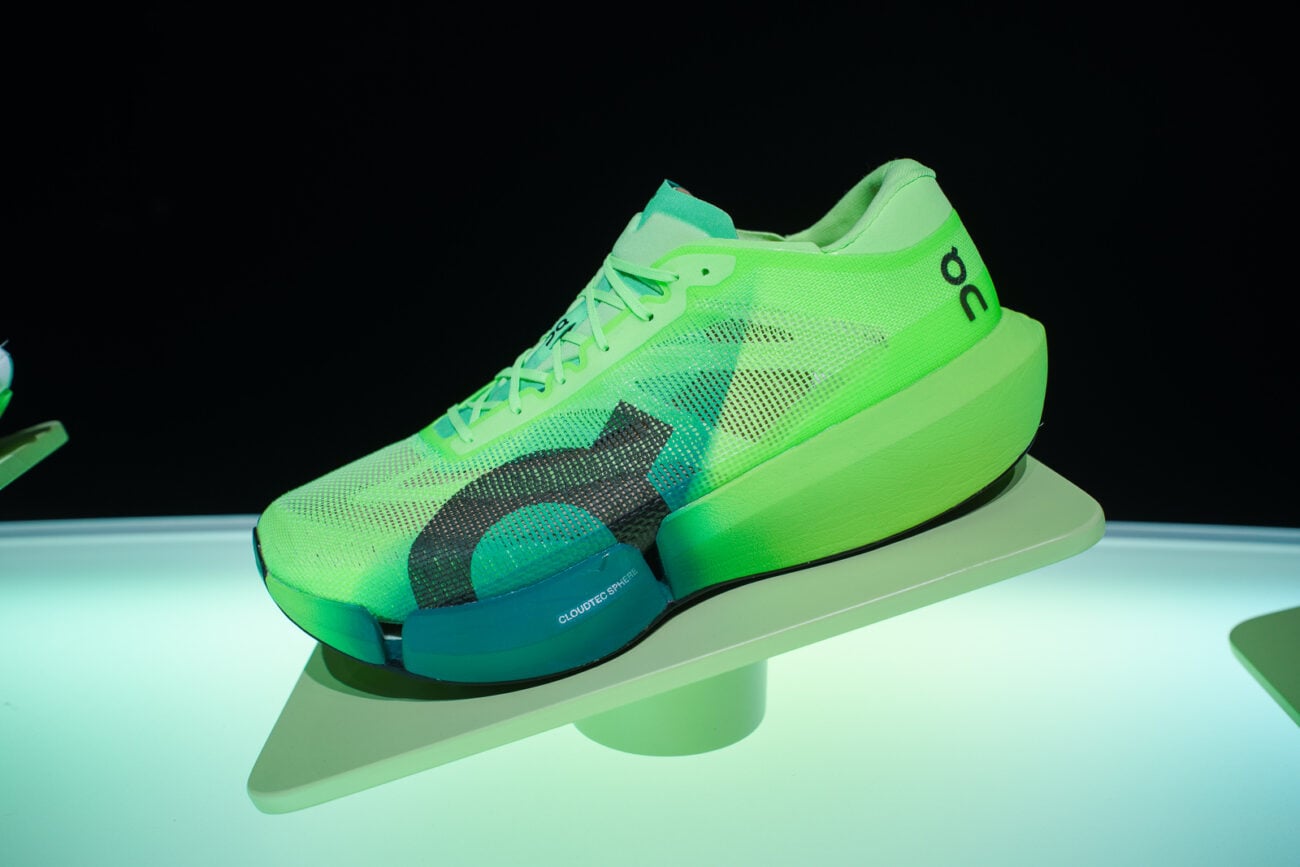
On Cloudboom Strike 2 (July 30, $250)
The facts: Confirmed by On for July 30. The shoe is roughly 10 grams lighter than the original Strike, carries slightly more forefoot foam (the drop moves from 4 mm to 5 mm), and sits on what amounts to an all-new midsole: reworked CloudTec Sphere cushioning that On says is 15 percent lighter, beneath a redesigned curved carbon Speedboard. A more structured heel collar completes the update.
Release probability: 100 percent. The shoe exists, we have handled it, and it ships July 30.
The take: The original Cloudboom Strike arrived to prove that On could build a credible racer. The Strike 2 arrives with a different assignment, because On no longer needs its flagship to test better than the field; it needs the shoe to be good enough that the brand’s considerable cultural momentum can do the rest. Our prediction is that it becomes a top-5 super shoe by fall market share regardless of where it lands in anyone’s efficiency testing, an outcome that would say as much about the current state of the market as about the shoe itself.
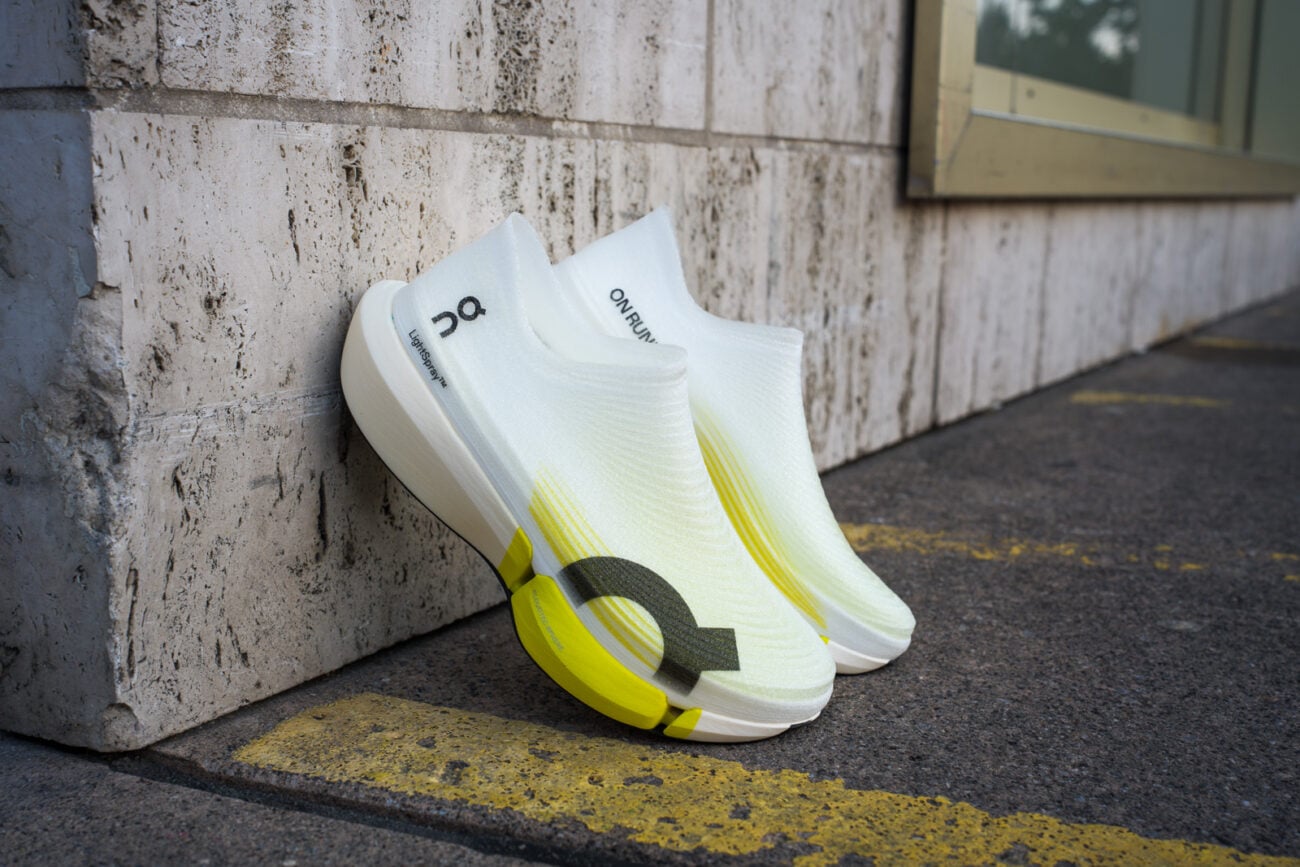
On LightSpray Cloudboom Strike 2 (July 30, $310)
The facts: This is the headline act. It weighs 158 grams, 33 less than the standard Strike 2, and the difference is the upper: a robot arm lays down 1.5 kilometers of filament to form a seamless, sprayed one-piece upper in under four minutes, with no stitching or knitting anywhere in the process. The upper has been redone for this generation and is considerably more forgiving to get on and off than the original LightSpray, while still fitting the foot like a sock. Underneath sits the same all-new platform as the standard Strike 2, including the redesigned carbon Speedboard. We tested a prototype at On’s Zurich headquarters in late June, logging about 80 kilometers over five days, and the $60 premium over the standard model buys the lightest wide-release marathon shoe on the market.
Release probability: 100 percent. We have already run in it at length.
The take: This is the most strategically important shoe in this piece. Every previous escalation in the super shoe wars has been a materials story, whether better foam, a stiffer plate or a thinner mesh; LightSpray is a manufacturing story, and that opens a new front. Our prediction is that the first run sells through, that at least one competitor announces an automated-upper project of its own within 12 months, and that production method becomes the next battleground in the way that materials defined the last five years. If we are wrong about this shoe, the larger argument of this piece falls with it.
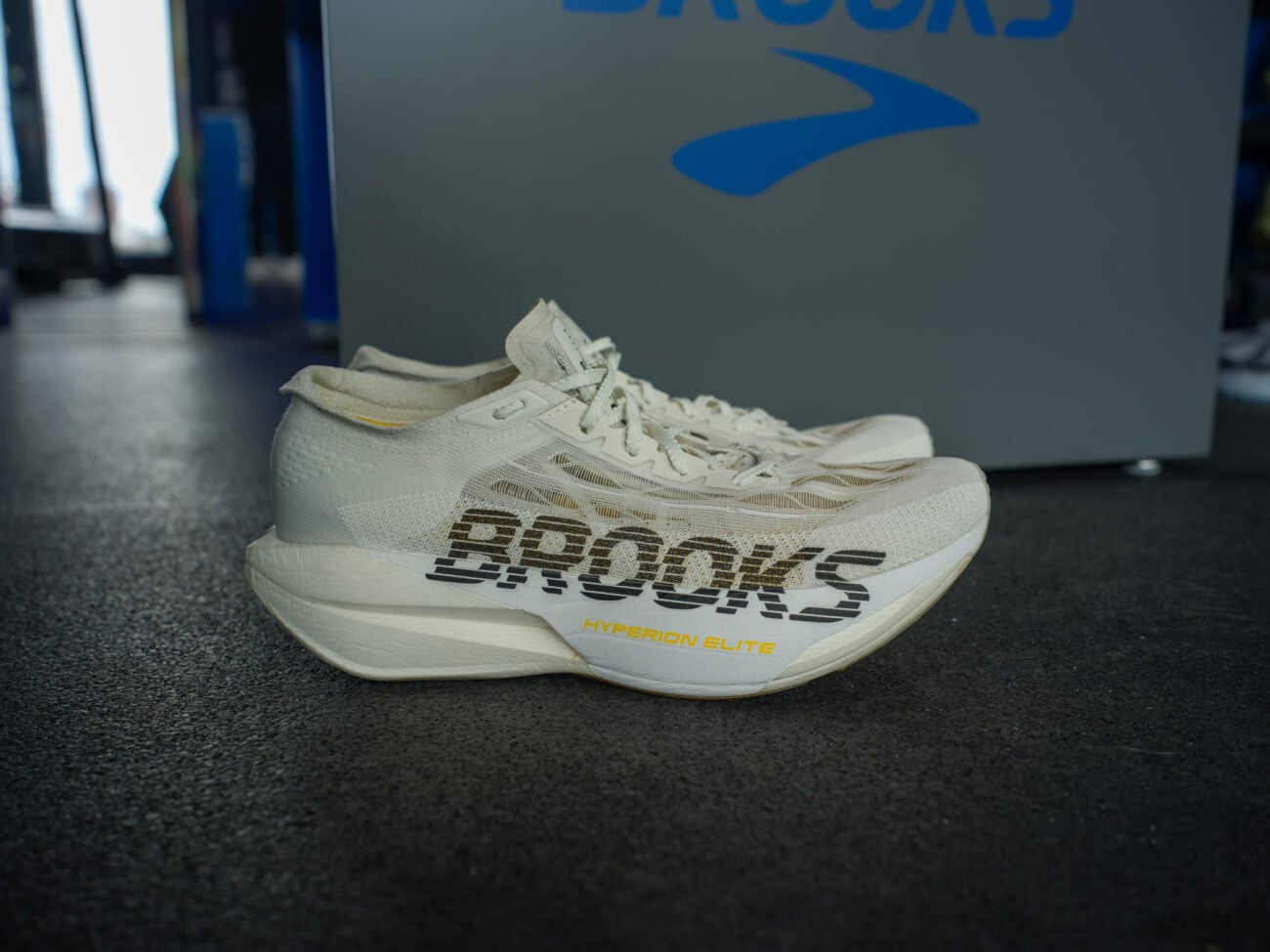
Brooks Hyperion Elite 6 (Aug. 1, $275)
The facts: Announced in London in April, and in our hands since. The shoe already carries a signature moment: Jess McClain wore it to break the American course record at Boston this spring, running 2:20:49. It gets a softer, PEBA-based DNA Gold midsole, a steeper toe spring, and revised plate and rocker geometry for a more propulsive toe-off. Brooks’ product page is live for an Aug. 1 release.
Release probability: 100 percent. In hand since spring.
The take: After five generations of the Hyperion Elite running quietly in the middle of the pack, this is the first version that reads as a real contender, a clear step beyond the 5 and the first Elite that does not require a loyalty explanation. The price is worth noticing: at $275, Brooks is asking $25 more than the field’s longstanding standard, which suggests the company finally believes the shoe can carry a premium. Our prediction is that McClain’s Boston proves a beginning rather than a one-off, and that the HE6 finishes the year as the sleeper pick among serious observers of the category, though Brooks will need a major podium before the broader market comes around.
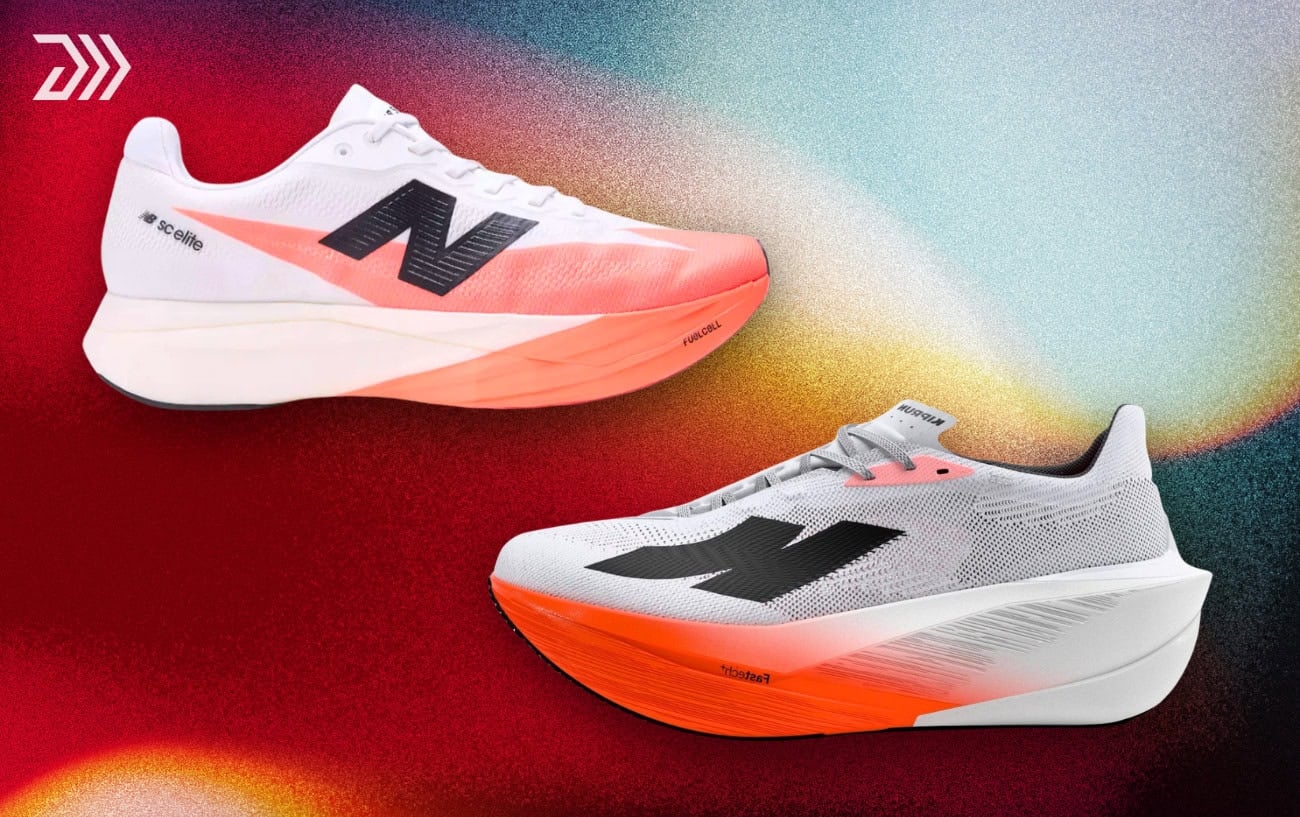
New Balance SuperComp Elite v6 (Aug. 6, $275)
The facts: Confirmed by New Balance on Tuesday, while this piece was in edits. The v6 weighs 190 grams in a men’s 9.5 and drops the FuelCell platform for Infinion, a foam New Balance calls its lightest, beneath a redesigned carbon plate and a translucent FANTOMFIT upper. It arrives alongside a new SuperComp Rebel trainer at $190. New Balance says summer; retail reporting points to Aug. 6. Alex Yee, who ran his 2:06:38 personal best in the v5 at Valencia, and Emily Sisson are credited on development.
Release probability: 100 percent, and our first graded call. This entry sat in the rumor tier at 60 percent, with a New York launch call, until Tuesday’s announcement moved it up the board. We had the year right and the stage wrong.
The take: The interesting decision is what New Balance passed up. The New York City Marathon is a New Balance race, and this year’s edition, on Nov. 1, marks the 50th anniversary of the five-borough course; a golden-anniversary hometown re-launch was there for the taking, and the company chose August instead. Our reading is that an August release puts the v6 on feet through the entire fall marathon build and on shelves ahead of every rival launch in this piece, which suggests New Balance would rather win the training block than the press cycle. The FuelCell name is gone from the racing line with the foam that carried it, and whether the v6 amounts to a reinvention or a v5 with new foam is a question for our testing, which we will answer well before New York.
Tier 2: All but Official
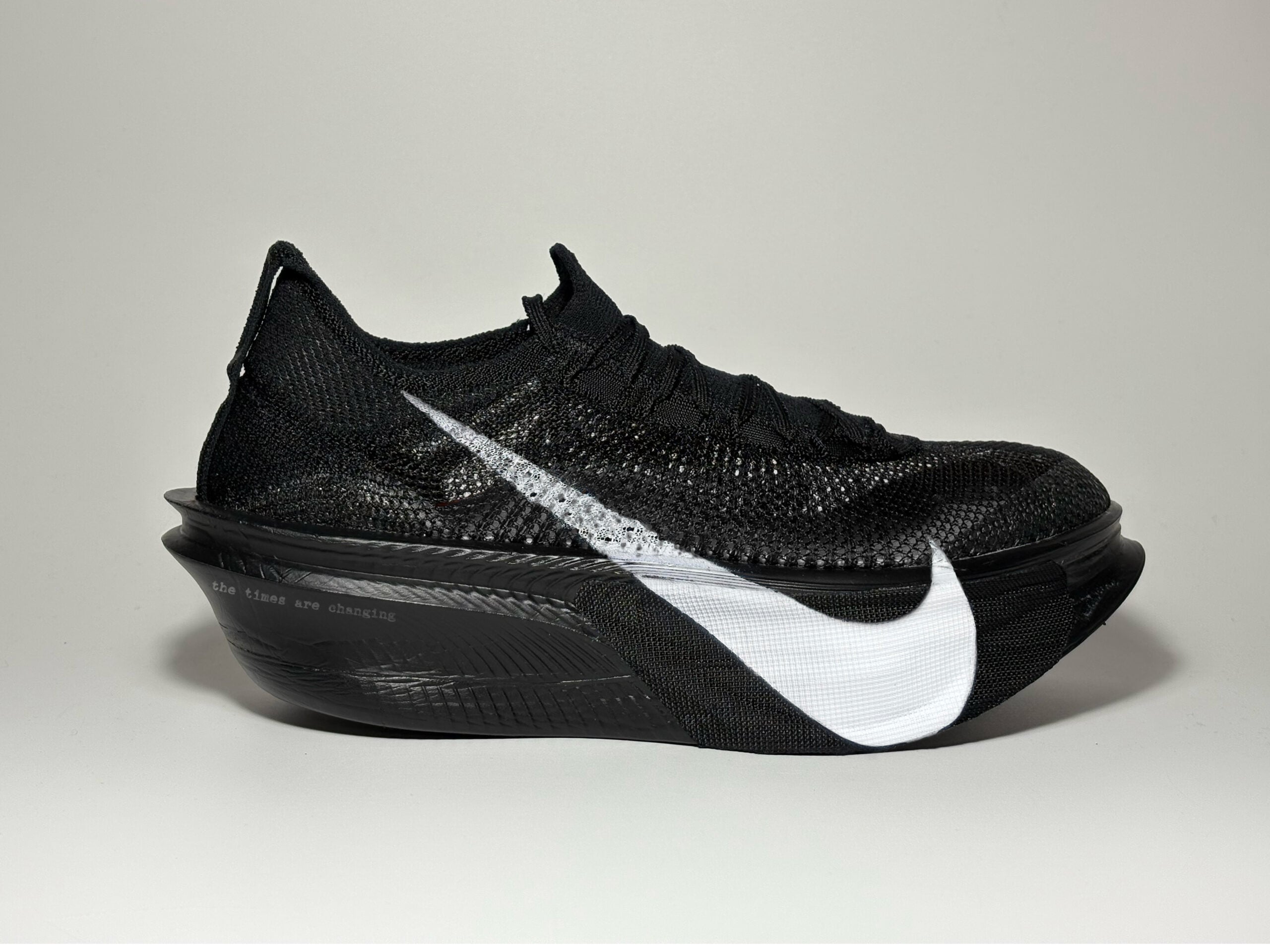
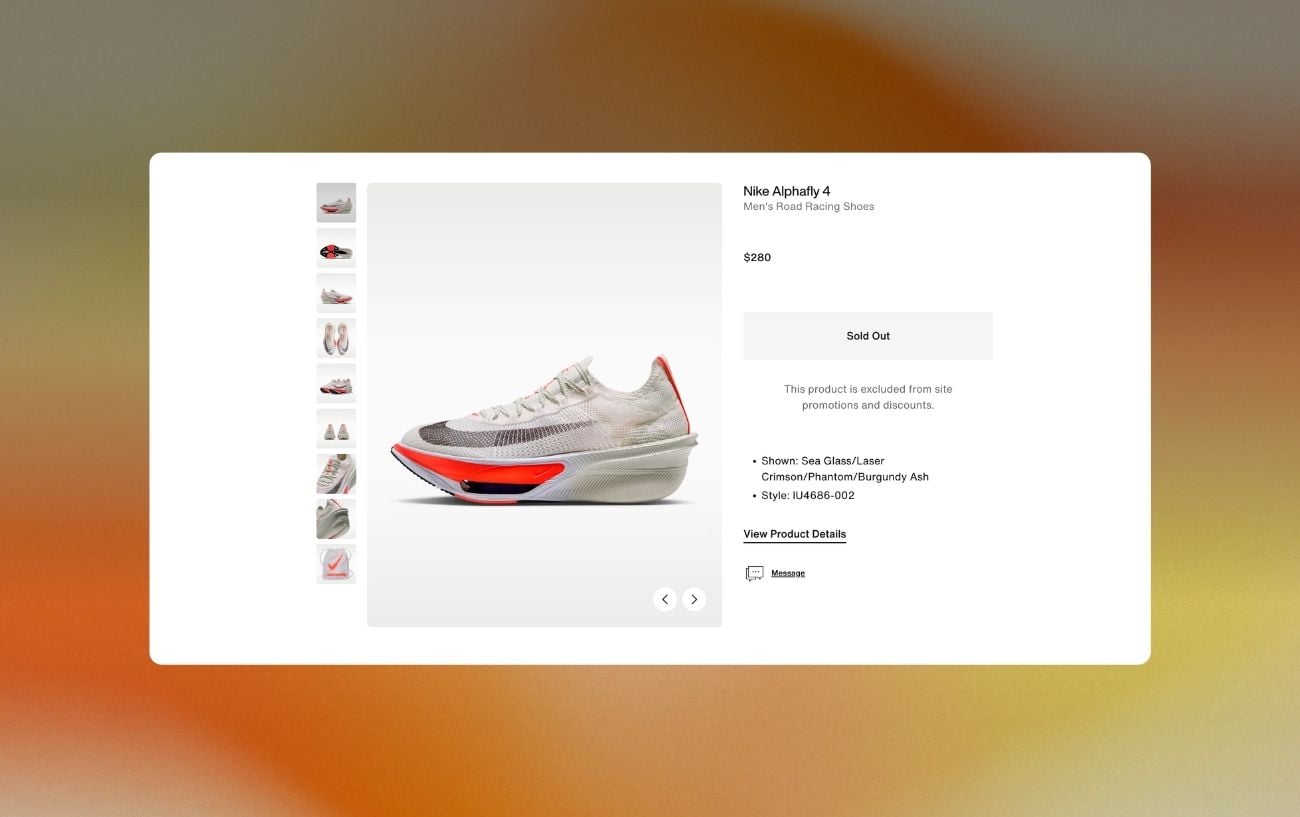
Nike Alphafly 4 (Our Call: Chicago Weekend, Oct. 11)
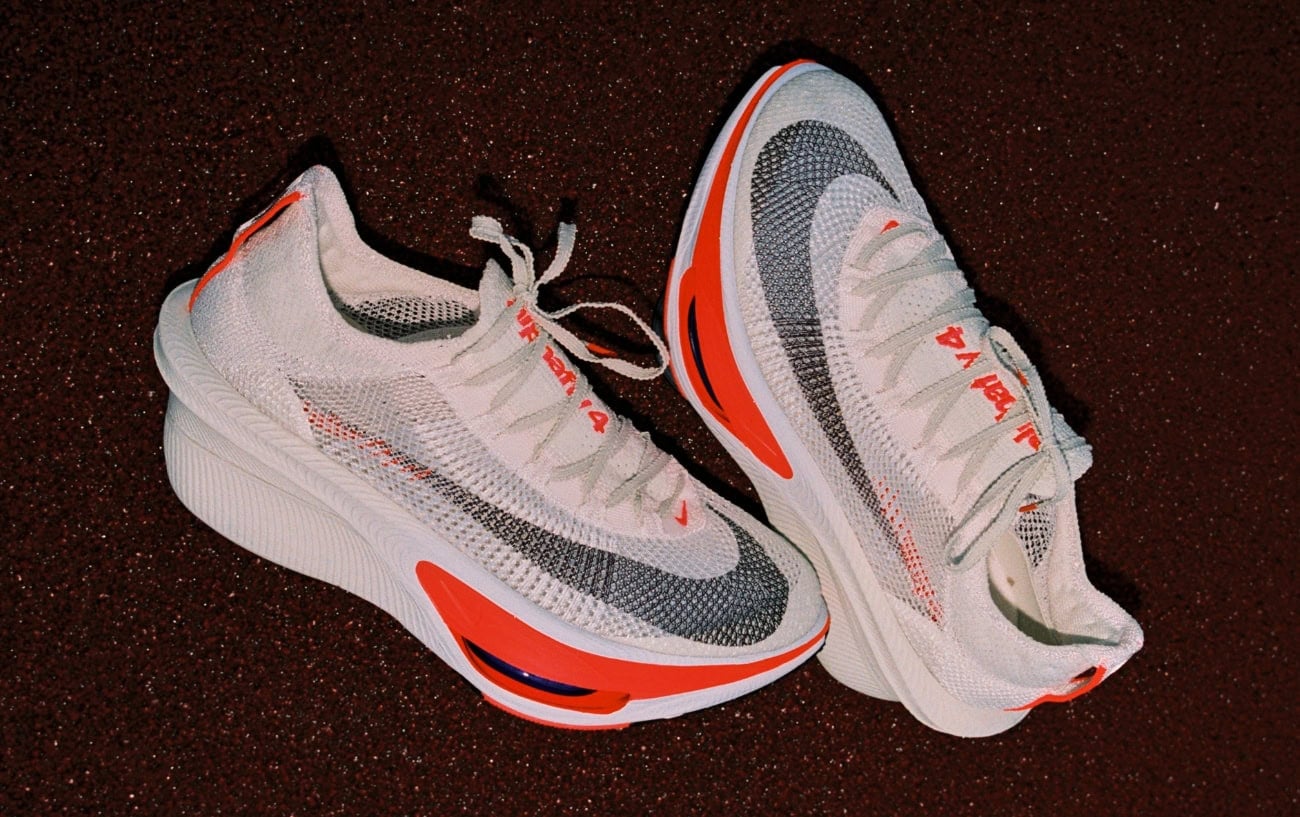
The facts: Nike teased the shoe in April. A World Athletics-approved prototype has been photographed, showing no visible Zoom Air unit, a lighter upper and revised outsole geometry, and it has appeared on the feet of Faith Kipyegon, Grant Fisher and Mary Ngugi-Cooper. We got a long look at it ourselves at The Running Event last November. Nike has offered no date, no price and no specifications.
Release probability: 85 percent this year, and we are calling Chicago. The reasoning is simple. Chicago is a Nike race; the Alphafly 3, dating to January 2024, is now the oldest flagship racer on the market; and Nike is in the middle of a public campaign to win back the running specialty channel. Launching its comeback flagship at its own major, two weeks after Adidas has Berlin to itself, fits every pattern in the company’s history.
The take: This is the most consequential storyline of the fall. The Alphafly 3 is at once the most recognizable and among the heaviest flagship super shoes on shelves, and the design of its successor suggests Nike understands the problem, since removing the visible Air unit, the company’s signature technology, indicates how much it is prepared to give up in pursuit of weight. Our prediction, offered as opinion: if the Alphafly 4 does not come in under 200 grams, Nike loses this flagship cycle regardless of how well the shoe performs, because two years of comeback narrative have left the company very little room for a qualified success.
Adidas Adizero Adios Pro 5 (Our Call: Berlin Weekend, Sept. 27)
The facts: Officially teased by Adidas. Preview reporting points to a revised Lightstrike Pro compound, carbon-infused rods set within a dual-density foam stack, a new perimeter cradle intended to stabilize the softer foam, and an outsole reworked for durability. Date reports have conflicted all year, so the month should be treated as soft.
Release probability: 90 percent this year, with Berlin as the obvious stage. Berlin is Adidas’ home major and the race where the Adios Pro 4 was unveiled two years ago; precedent and geography together are as close to confirmation as this tier allows.
The take: Adidas is running the only two-tier race-day strategy in the sport, with the $500 Evo serving as the halo product and the Pro 5 as the volume racer, and the arrangement has worked well enough that it rarely gets remarked upon. Our prediction is that the Pro 5 quietly outsells every other shoe in this piece, carried by the strongest marathon résumé in the field. There is a telling detail in the pricing: $250 now reads as the reasonable option in Adidas’ lineup, when three years ago the same figure was treated as the scandal of the industry.
Tier 3: The Paper Trail
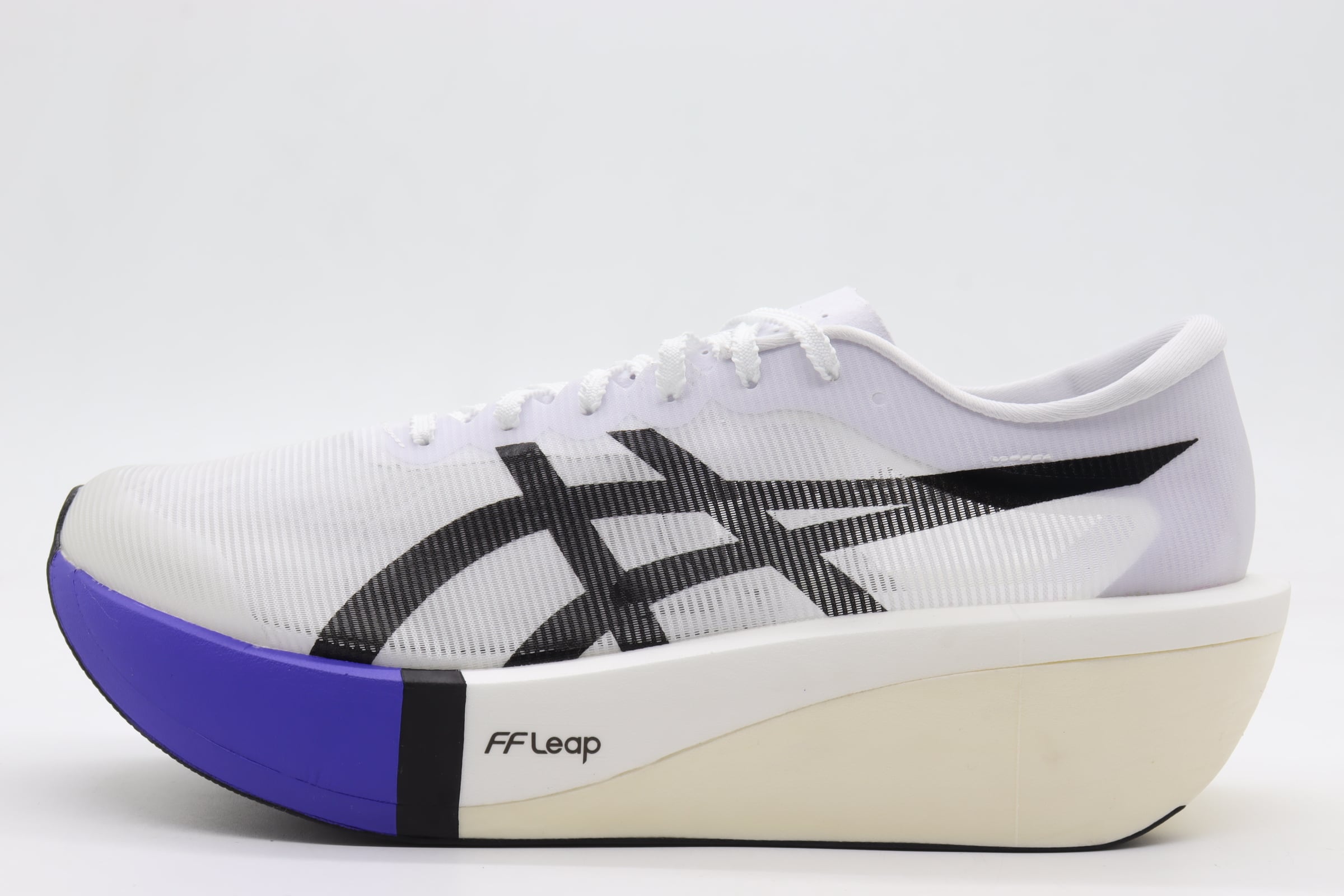
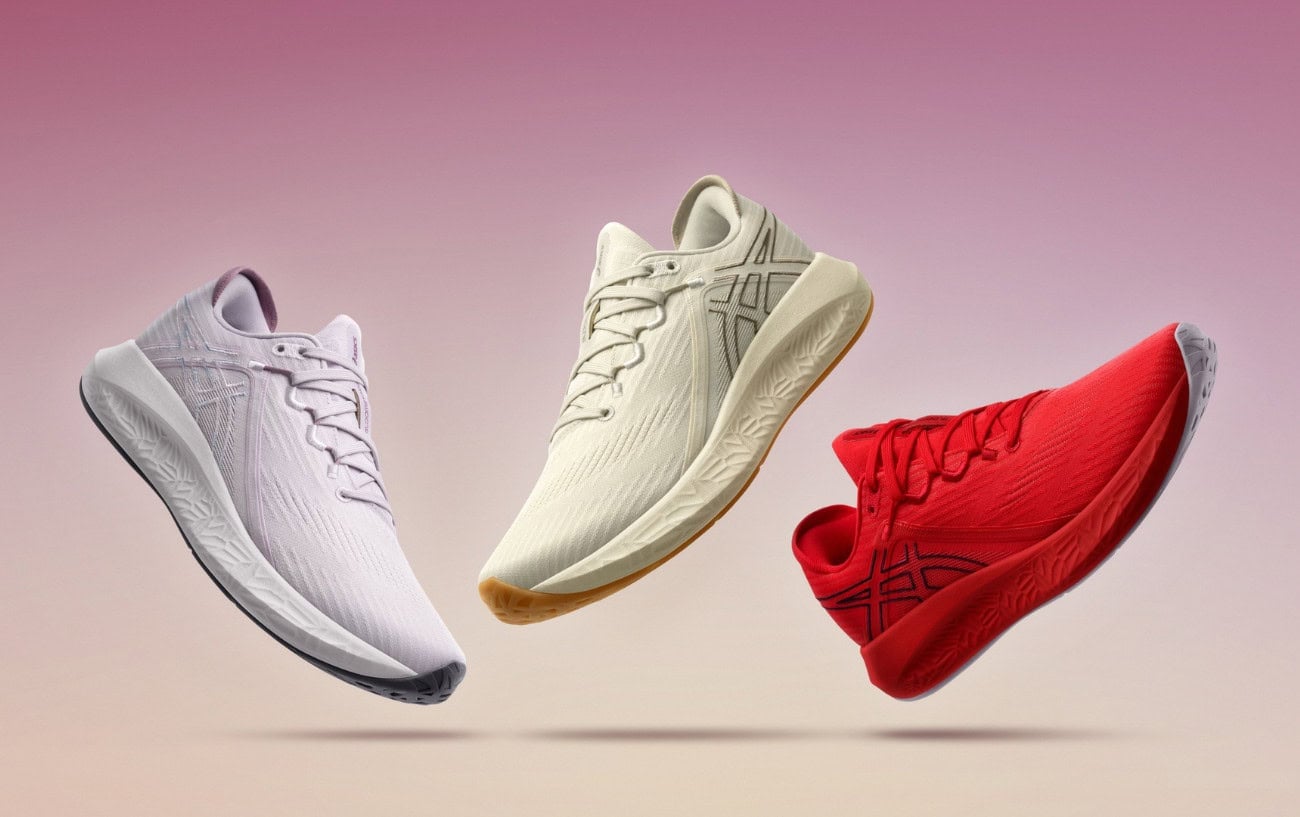
Asics Metaspeed Sky, Edge and Ray, Next Generation (Our Call: Sydney Weekend, Aug. 30)
The facts: Three development codes, MS5 TYPE-1, ME5 TYPE-1 and MR2 TYPE-1, have been on the World Athletics approved-shoe list since last October, with approval windows that expire this October. They map cleanly onto next-generation versions of the Metaspeed Sky, Edge and Ray, and prototypes have appeared on Asics elites. The company has announced nothing.
Release probability: 70 percent that at least one arrives by year-end. What follows is informed speculation, flagged as exactly that, since we have no inside information. The Sydney Marathon, which carries Asics’ name as presenting sponsor, runs Aug. 30, and it is difficult to imagine a brand attaching its name to a World Marathon Major only to sit out its own event during the biggest product cycle in its history. We would watch for an unveiling in Sydney with a retail rollout into October, which happens to be where the filing timelines already point.
The take: A World Athletics filing represents a commitment of time and money that brands rarely waste, even though it stops short of an announcement. The larger story is what Asics is assembling: the only three-shoe race-day family in the sport, with the Sky for stride-extenders, the Edge for cadence runners and the Ray for featherweight speed, now joined by the 129-gram Metasleek as a training companion. Our prediction is that this segmentation is the future of the category, that the one-shoe-fits-all flagship disappears within two product cycles, and that the rest of the industry ends up following the map Asics is drawing.
Tier 4: Sources Say
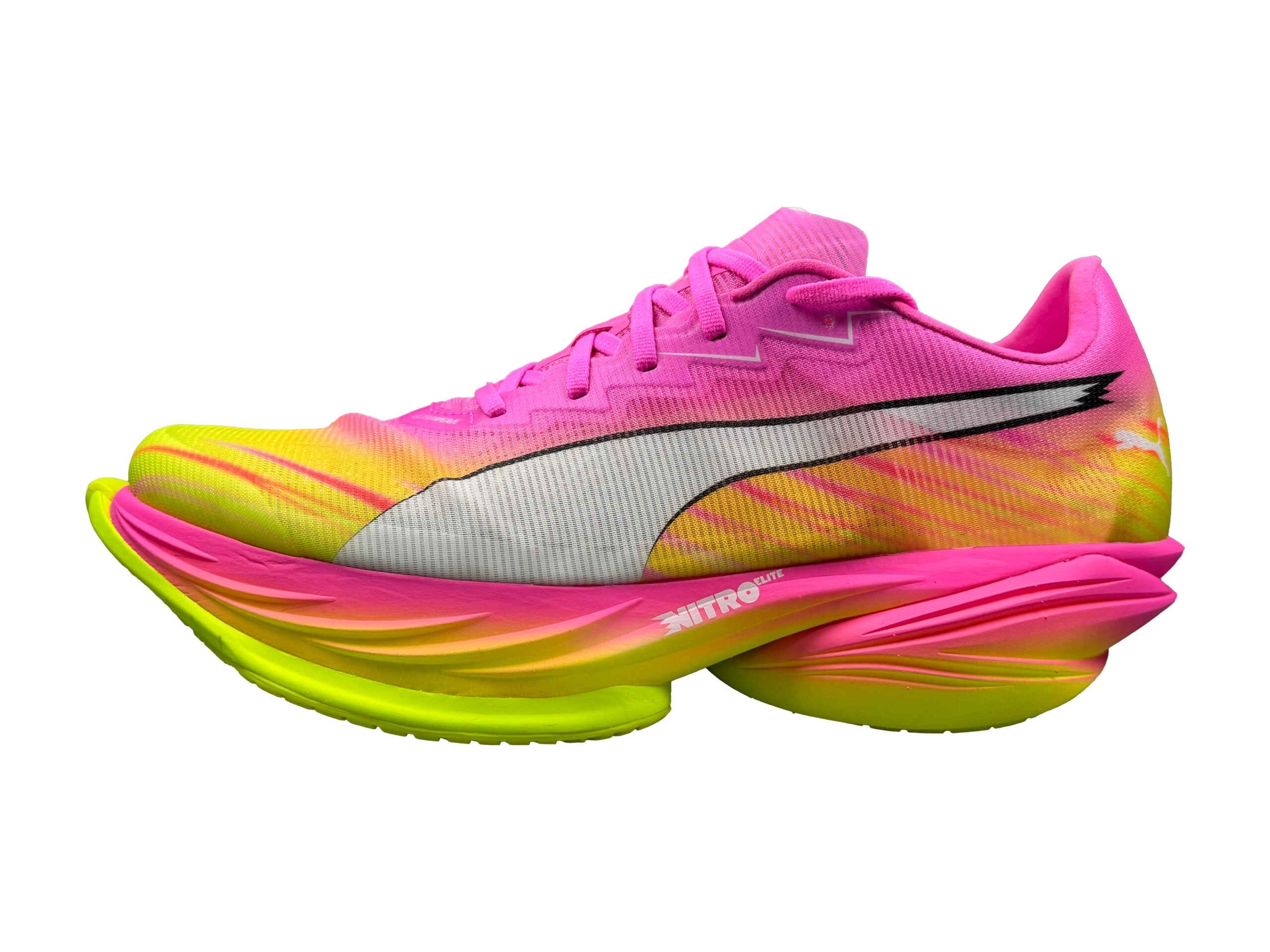
Puma Fast-R Nitro Elite 4 (Rumored: September, $325)
The facts: Prototypes were on Puma elites at London this spring, which we reported at the time. There has been no announcement, no date and no confirmed price, though the figure circulating is $325, which would make it the most expensive non-Evo racer ever sold. Puma does not sponsor a major marathon.
Release probability: 50 percent this year. Puma has shown it will borrow a stage when it needs one, having dropped the Fast-R 3 at Boston in 2025, a race with which it has no formal ties. Our prediction is that Puma attempts something similar in Chicago, arriving uninvited to Nike’s weekend.
The take: The Fast-R 3 posted the strongest laboratory running-economy numbers of its generation in University of Massachusetts testing, and Puma’s difficulty has never been the shoe itself; it has been the shelf space and mindshare the brand commands. If the 4 ships at $325, the price should be read as a statement of intent, a signal that Puma would rather operate as a low-volume premium performance brand than contest Nike and Adidas for the mass market. Offered as the boldest call in this piece: the strategy works, because the runners who buy on laboratory data were never especially price-sensitive in the first place.
The Mystery Nike, Possibly the Vaporfly 5
The facts: We saw, and reported on, another unreleased Nike racer alongside the Alphafly 4, possibly a Vaporfly 5. That is the extent of the record. It remains unconfirmed that the shoe is real in any commercial sense; prototypes die in development regularly, and Nike has been known to seed decoys.
Release probability: 25 percent this year.
The take: If the shoe is real, the logic is easy enough to follow, since re-arming both flagships in a single fall would be Nike’s most forceful answer yet to two years of stories about its decline. We keep it on the board because this tier exists precisely for the shoes we cannot verify, and because December will settle the question either way.
Conspicuously Absent: Hoka
Hoka played its race-day card early, releasing the Cielo X1 3.0 back in the winter, and nothing in the World Athletics filings or the rumor mill points to a fall racer.
In the most crowded release window the category has seen, sitting out the fall might reflect discipline, or it might reflect a brand that has concluded its war is fought at the trainer wall rather than the start line. We lean toward the latter reading, which is a story in its own right.
What the Fall Tells Us About the Market
Three predictions for the market itself, offered under the same rules and graded in December.
- The $250 ceiling is gone. Brooks and New Balance are at $275, LightSpray is at $310, Puma is rumored at $325 and the Evo family sits at $500. Our prediction is that by 2028 the standard flagship racer costs $300 and the market accepts it without much protest; the open question is which brand normalizes the number.
- Manufacturing becomes the next battleground. Every major brand now fields a PEBA-class foam and a carbon plate, and the materials war has gone stale through parity. LightSpray’s automated upper is the first move in what looks like a manufacturing war, and Nike, which has had little to say about production innovation since Flyknit, has both the most to prove and the most factories with which to prove it.
- The lineup replaces the flagship. Asics’ three-shoe race-day family and Adidas’ pairing of the Evo and the Pro reflect the same underlying insight, which is that no single shoe wins every runner anymore. The brands still betting a full season on one silhouette, among them Brooks, New Balance and On, are working with the narrowest path forward.
Every shoe in this piece is aimed at a start line in Sydney, Berlin, Chicago or New York. The brands have made their bets, and we have now made ours, on the record and with percentages attached. We will grade the whole board in December.
RunClub
Get more running stories — join RunClub
Daily running news, a community of 300,000+ runners, free training plans for every distance, and a daily running game. Free to join — no card.
Already a member? Log in →


Start the conversation