


The International Olympic Committee lifted its suspension of the Russian Olympic Committee on Tuesday, removing one of the biggest barriers that has kept Russia on the edge of world sport since the invasion of Ukraine. The move also scraps the special conditions that forced Russian athletes to compete as neutrals, without their flag or anthem, for more than three years.
The suspension had been in place since 12 October 2023. The IOC said it acted after its Legal Affairs Commission found that the Russian committee no longer counts as members any regional sports organisations in territories that fall under the authority of Ukraine’s National Olympic Committee. Russia’s committee also confirmed it does not, and will not, run activities in those territories. The decision is provisional, and the IOC said it “reserves the right to take any further measures if deemed necessary.”

What changed
The IOC had recommended since early in the war that international federations either bar Russian athletes or admit them only as Individual Neutral Athletes. Those recommendations, issued on 28 February 2022 and updated on 28 March 2023, are now “no longer applicable,” the IOC said.
The timing matters. Qualifying has already begun for the Los Angeles 2028 Summer Games and the Dolomiti Valtellina 2028 Winter Youth Olympic Games, and the IOC said it wanted every athlete to have equal access before those fields filled up. In the United States, the road to those Games runs through the 2028 Olympic Marathon Trials in St. Louis. Reinstatement is not a blank cheque. Under the Olympic Charter, the Russian committee must still pick a team based “not only on their sports performance, but also on their ability to serve as role models who respect, uphold and promote a peaceful society through sport.”
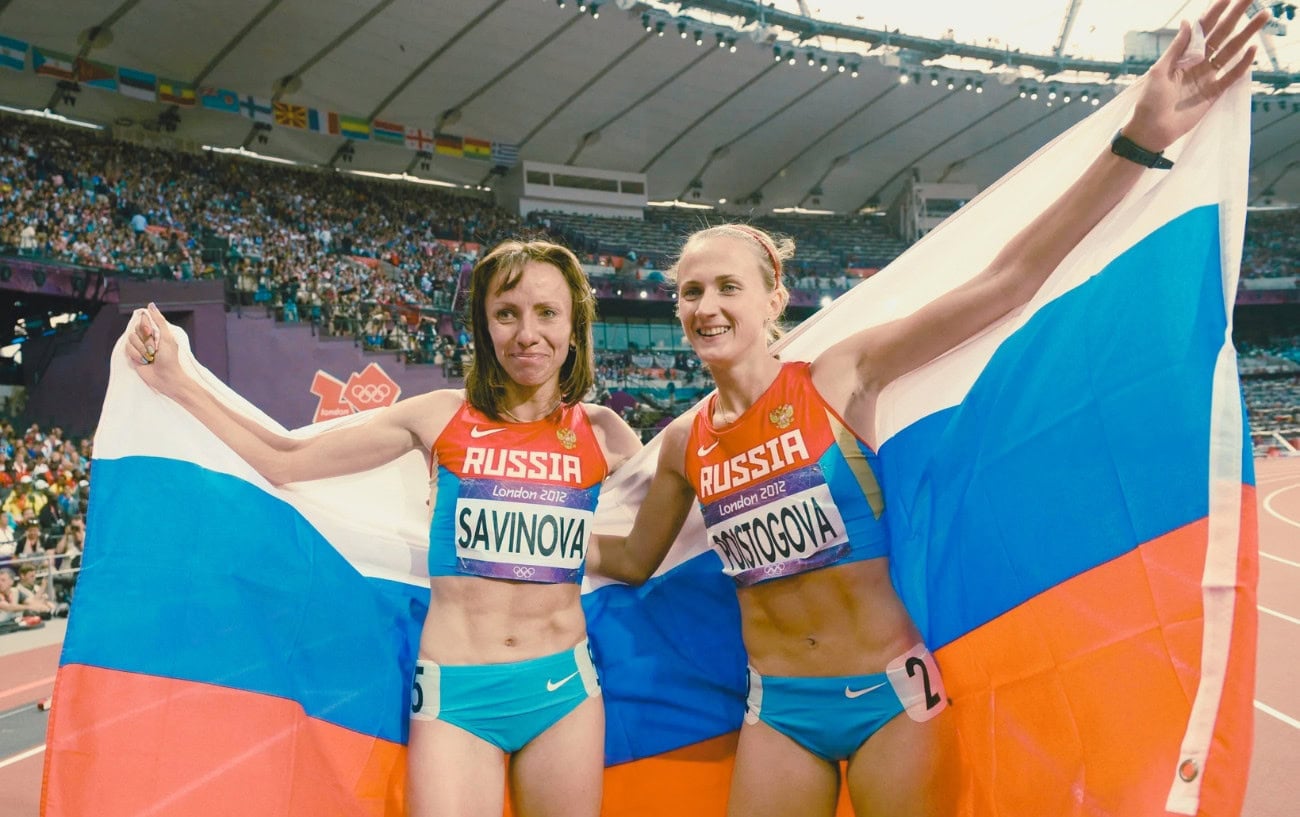
Doping checks come first
Before any Russian athlete competes again, they face a set of anti-doping requirements. The IOC cited a “lack of confidence in the global sporting community” about the return, plus recent allegations about how the Russian Anti-Doping Agency, RUSADA, is being run.
Until RUSADA’s compliance with the World Anti-Doping Code is confirmed, returning athletes must sit inside a national testing programme handed to the International Testing Agency, and newcomers must be tested several times before they come back. The federations, not Russia, set the testing window. And if RUSADA is still non-compliant in 2028 ahead of Los Angeles, the IOC said it will order independent testing of every qualified Russian athlete. Russia has long sat near the top of the sport’s anti-doping caseload.
For runners, the door Likely stays shut
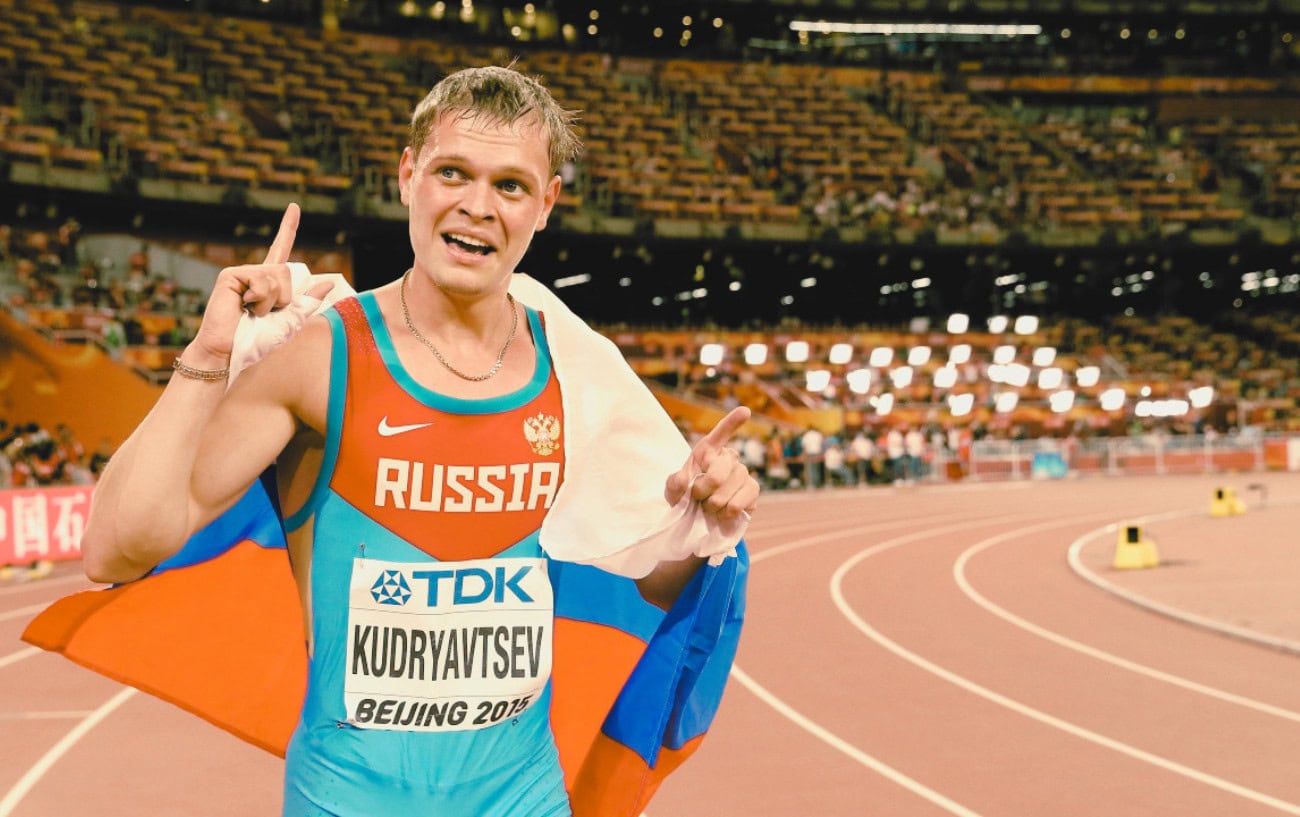
Anyone following track, road and distance running should read the IOC move with caution. Four days earlier, on 3 July 2026, the World Athletics Council reaffirmed its own blanket ban on Russian and Belarusian athletes, officials and support staff, keeping them out of all competition run by the sport’s governing body.
World Athletics President Sebastian Coe pointed to the war, not to Russian sport. “The original decision remains on the sanctions that protect the integrity and fairness of our competitions, with no tangible movement towards peace negotiations having materialised,” he said. The Council also cited damage to athletics facilities inside Ukraine. The Russian Athletics Federation called the ruling “discriminatory.”
Two separate bans are worth keeping straight. World Athletics ended its long-running doping suspension of the Russian federation in 2023. The ban tied to the invasion is a different matter, and that is the one the Council just extended. So the IOC’s reinstatement does not, on its own, put Russian athletes back on a World Athletics start line. The federation held its ban even after the IOC urged it in May to let Belarus back, which makes it likely that track and field keeps sitting apart from the IOC’s softer line. Runners hoping to see Russians return will probably be waiting on the war, not on the IOC.
Belarus, and the stance on the war
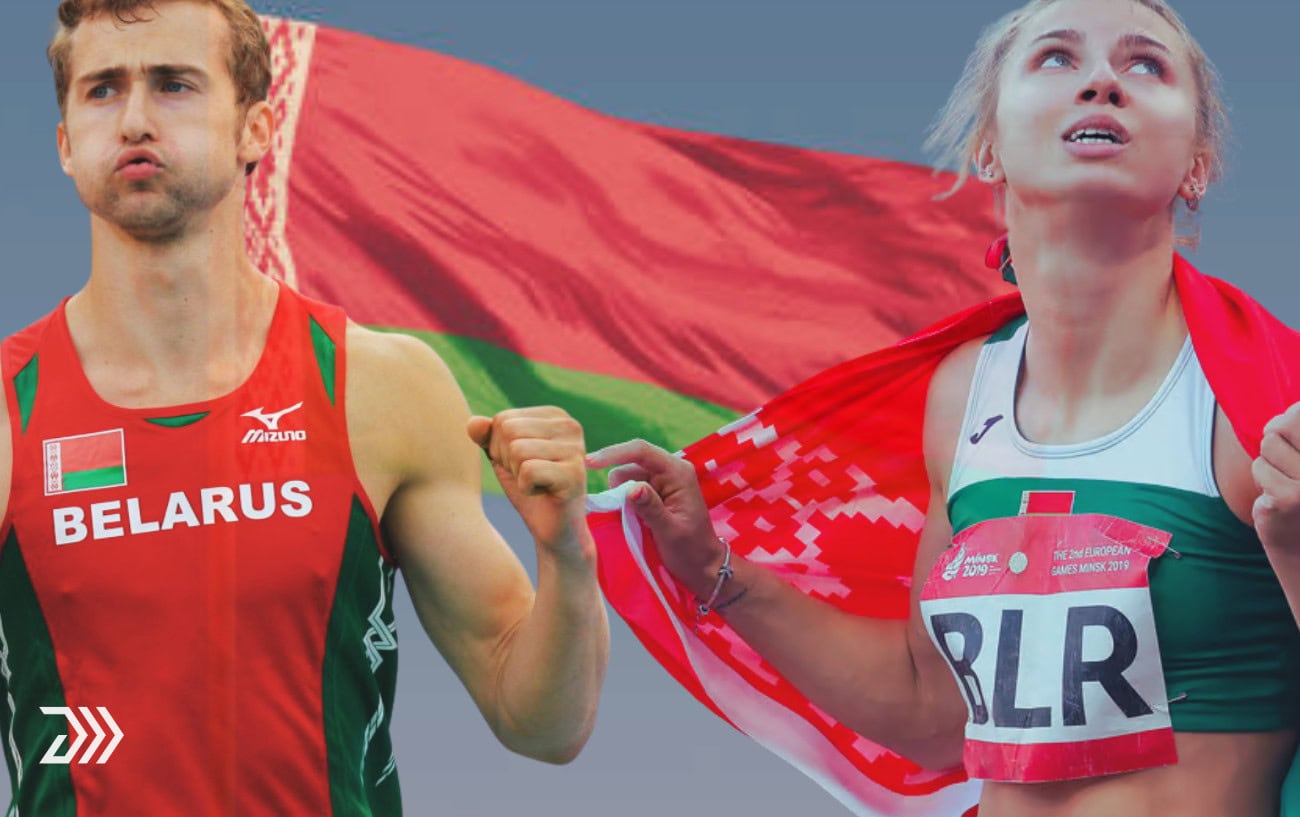
The IOC decided on 7 May 2026 that it no longer recommends restrictions on Belarusian athletes, and in December 2025 it had already cleared Russian and Belarusian youth athletes to compete.
Asked whether it had softened its view of the invasion, the IOC gave a one-word answer: “No.” It said it strongly condemned the invasion and that the position stands. The organisation also restated support for Ukraine’s athletes through a Solidarity Fund that has covered travel, training, accommodation and equipment, help it says allowed Ukrainians to compete at the Paris 2024 and Milano Cortina 2026 Games.
RunClub — Free
Join 300,000+ runners in RunClub
Free training plans for every distance, a daily running game, exclusive coaching content, and a real community of runners. Create your free account in 20 seconds — no card.
Already a member? Log in →





Start the conversation