


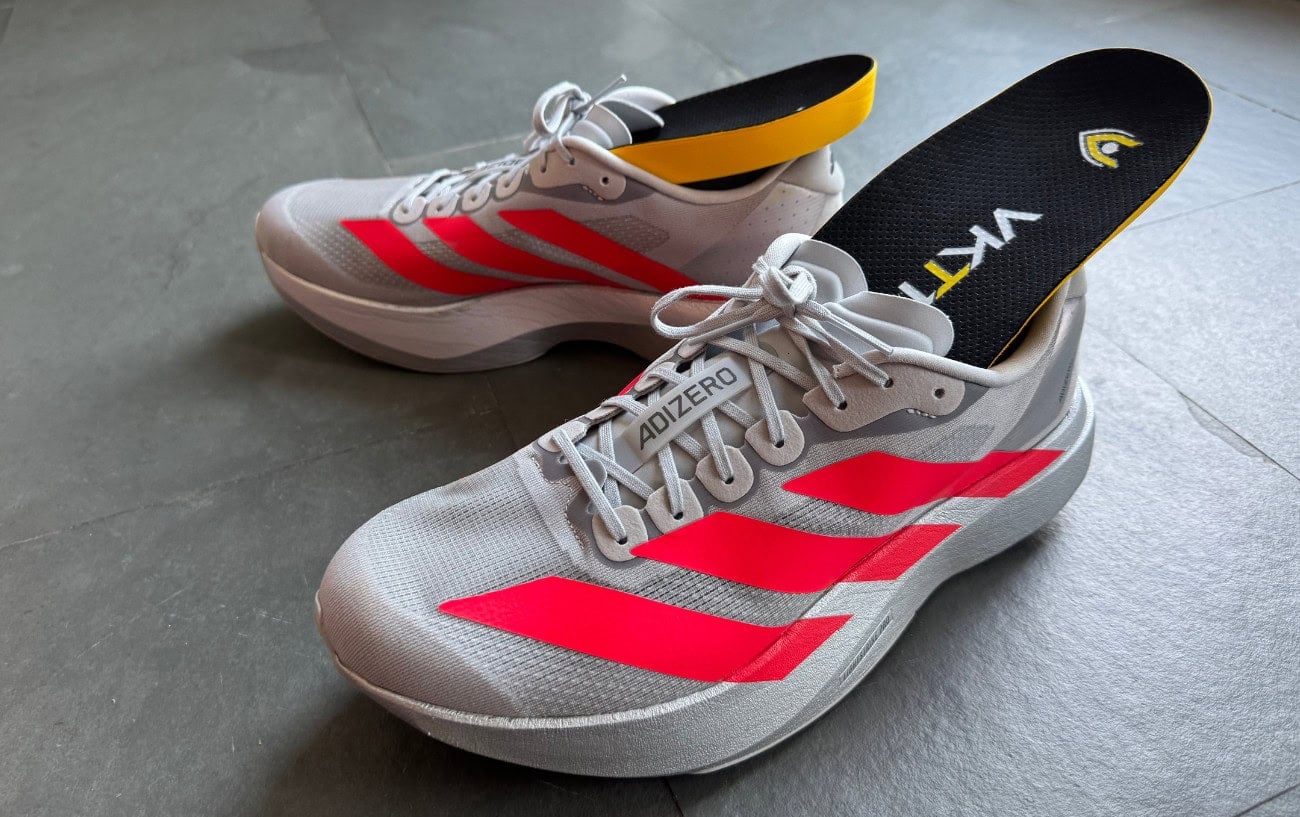
Carbon plates changed racing shoes forever. VKTRY’s pitch is simple: what if you could get that same springy, energy-returning carbon feeling in any shoe you already own – just by swapping the insole?
At an RRP of $149 a pair, they’re not cheap, but the idea is that you can use them to turn daily runners into supershoes that last longer – so you don’t have to buy so many $299+ supershoes, that can wear out quickly.
The internet is loud with both die-hard fans and people who say they gave them blisters. So I got a pair, spent months running, walking, and training in them, and I’m going to answer the only question that matters: are VKTRY insoles worth it?
Here’s the short version, then everything I learned.
Quick Verdict
VKTRY insoles are the real deal in terms of turning a regular pair of daily runners into a carbon plated shoe with extra propulsion. The nuance is in how you should use them, and how they can potentially save you money you’d have spent on several pairs of supershoes.
They genuinely add a springy, propulsive feel and noticeably dampen impact, which makes them excellent for speed sessions, tempo efforts, shorter races, and runners managing plantar fasciitis or shin splints. They’re a harder sell if you want one pair to do everything, if you run mostly easy long miles, or if you’re on a tight budget.
If you fit that first group, the 90-day money-back guarantee makes trying them close to risk-free.
What Are VKTRY Insoles?
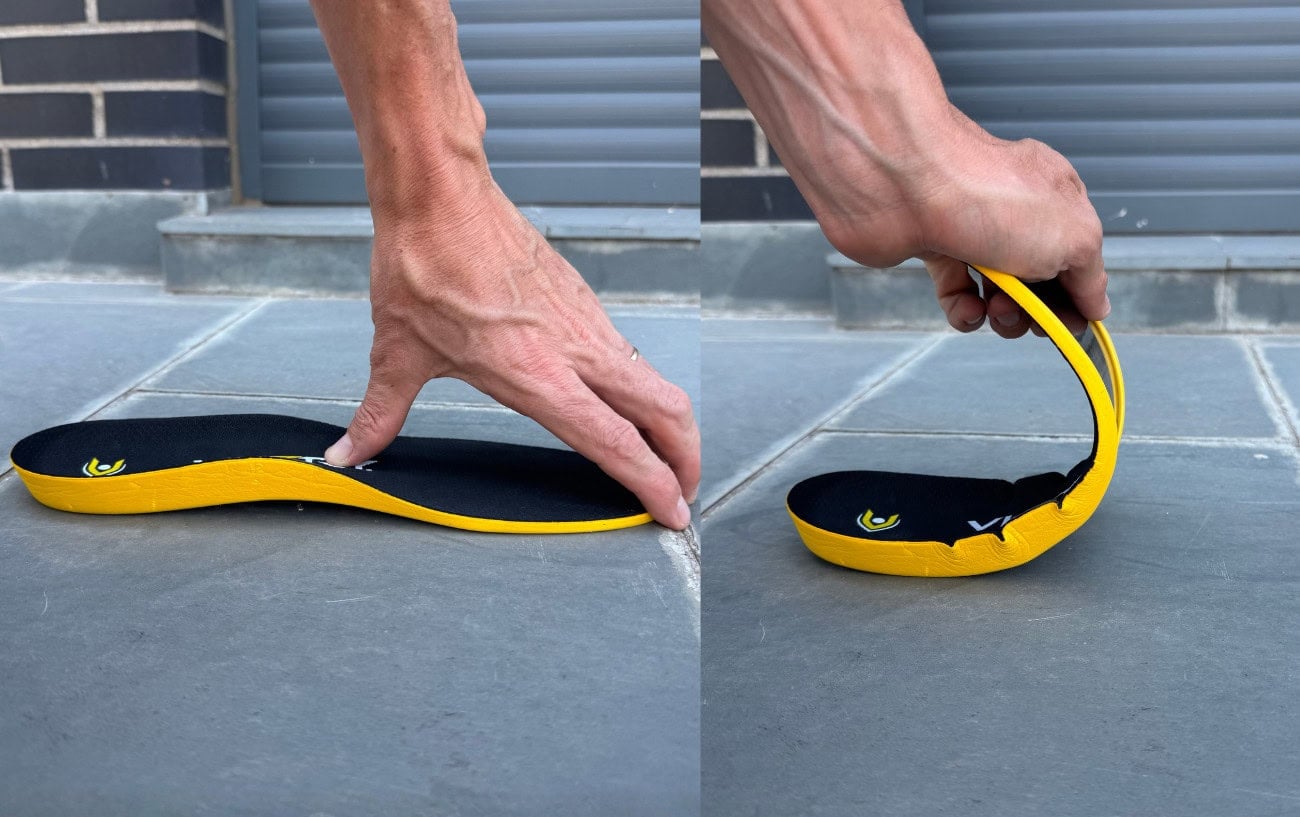
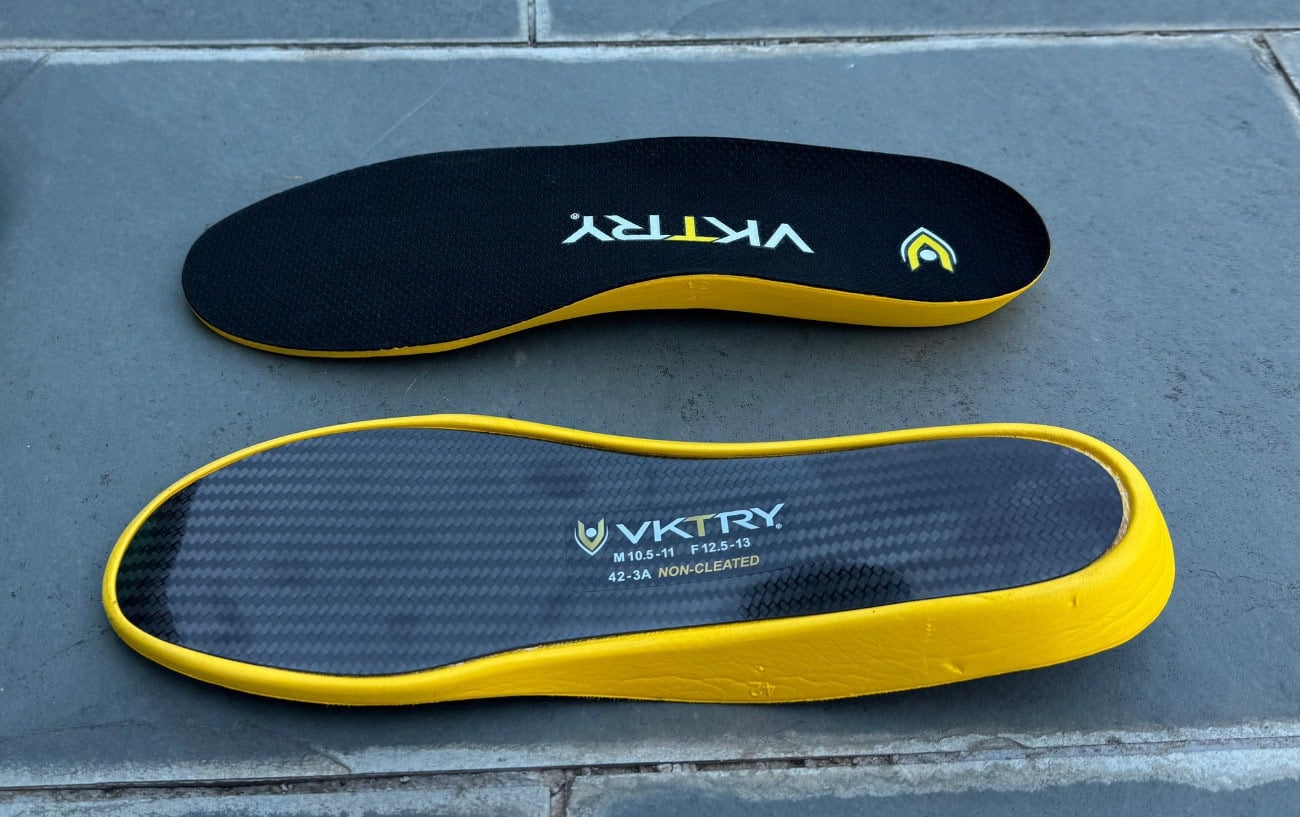
VKTRY (“Victory”) insoles are performance insoles built around a patented carbon fiber baseplate that sits under a couple of foam layers. The idea borrows straight from super-shoe technology: the carbon plate flexes and stores energy as your foot loads on impact, then springs back to return some of that energy during push-off. Foam alone tends to compress and dissipate that energy; carbon is engineered to give it back.
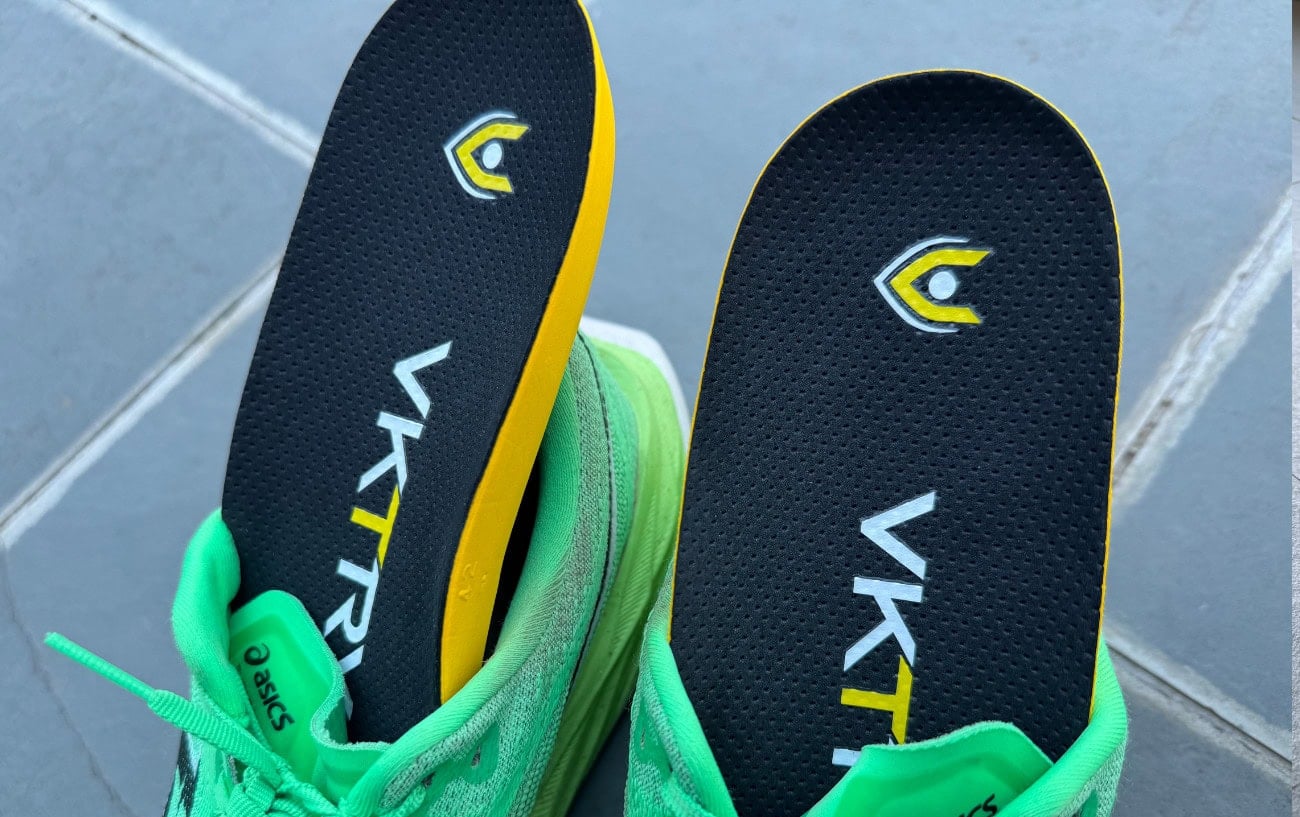
Each insole is a three-layer sandwich — a high-density closed-cell foam top cover for durability and comfort, a low-density foam middle layer for cushioning, and the carbon fiber baseplate on the bottom doing the real work.
What sets VKTRY apart from a generic carbon insole is the customization. When you order, you enter your gender, age, weight, shoe size, and sport, and VKTRY matches you to one of five “Pro Levels” of baseplate stiffness. A heavier or more explosive athlete generates more force and gets a stiffer plate; a lighter runner gets a more flexible one so they can actually bend it. The company says it has sold over 850,000 pairs and holds a 4.5-star average across roughly 4,600+ reviews.
VKTRY Gold vs Silver vs Platinum
| Silver | Gold | Platinum | |
|---|---|---|---|
| Baseplate | Carbon fiber composite | 100% aerospace-grade carbon fiber | Custom orthotic |
| Customization | Standard, less tailored | Tailored by age, gender, weight, sport | Fully custom |
| Best for | Trying carbon on a budget, training | Serious performance & most runners | Specific medical/orthotic needs |
| Price (at time of writing) | ~$99 | $149 (often on sale ~$99) | Highest |
For most runners, Gold is the one to get — especially when it’s discounted to Silver money, which it frequently is. Silver is a fair entry point if you just want to test the concept.
Prices and promotions change constantly on VKTRY’s site, so check the live page before buying.
How I Tested Them
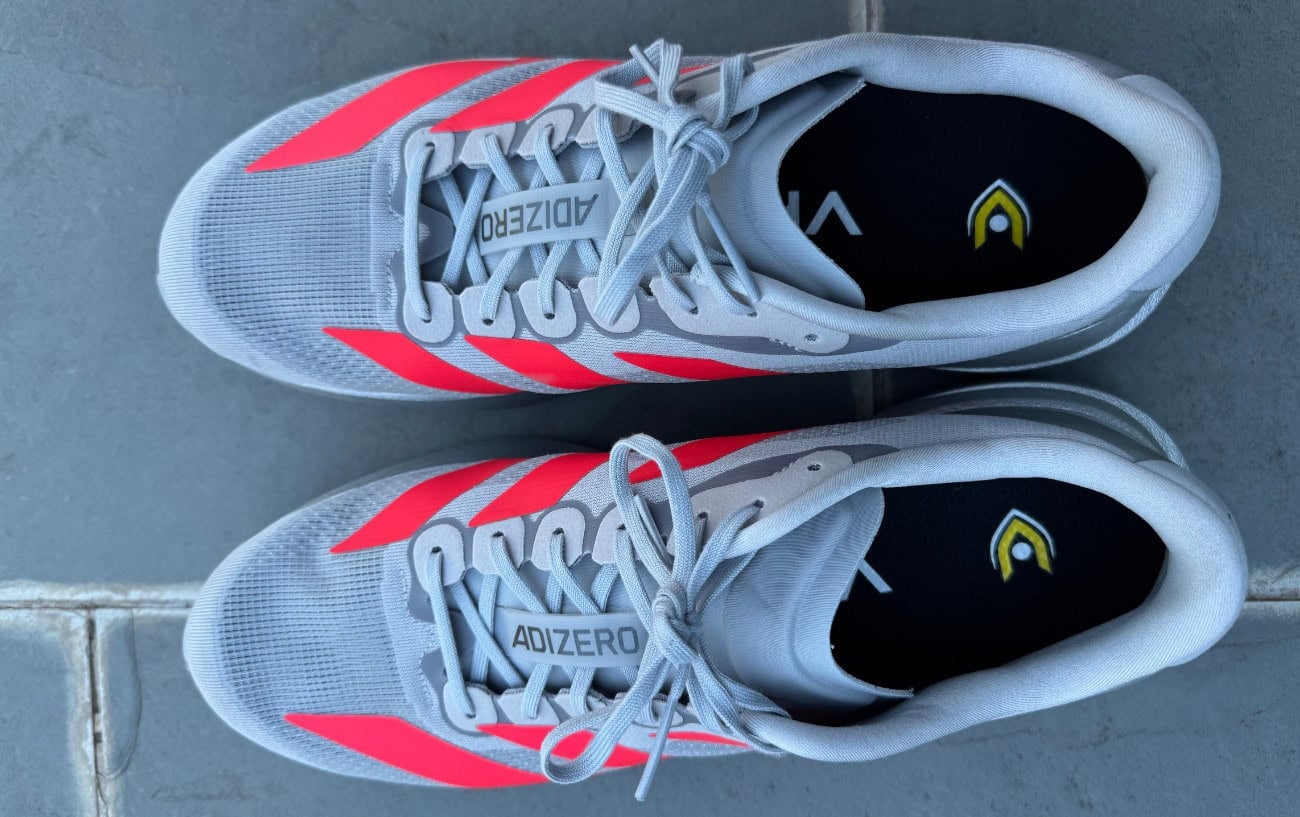
I ordered the Gold insoles for distance running, removed the factory insoles from my daily trainers (you have to — there isn’t room for both), and slid the VKs in.
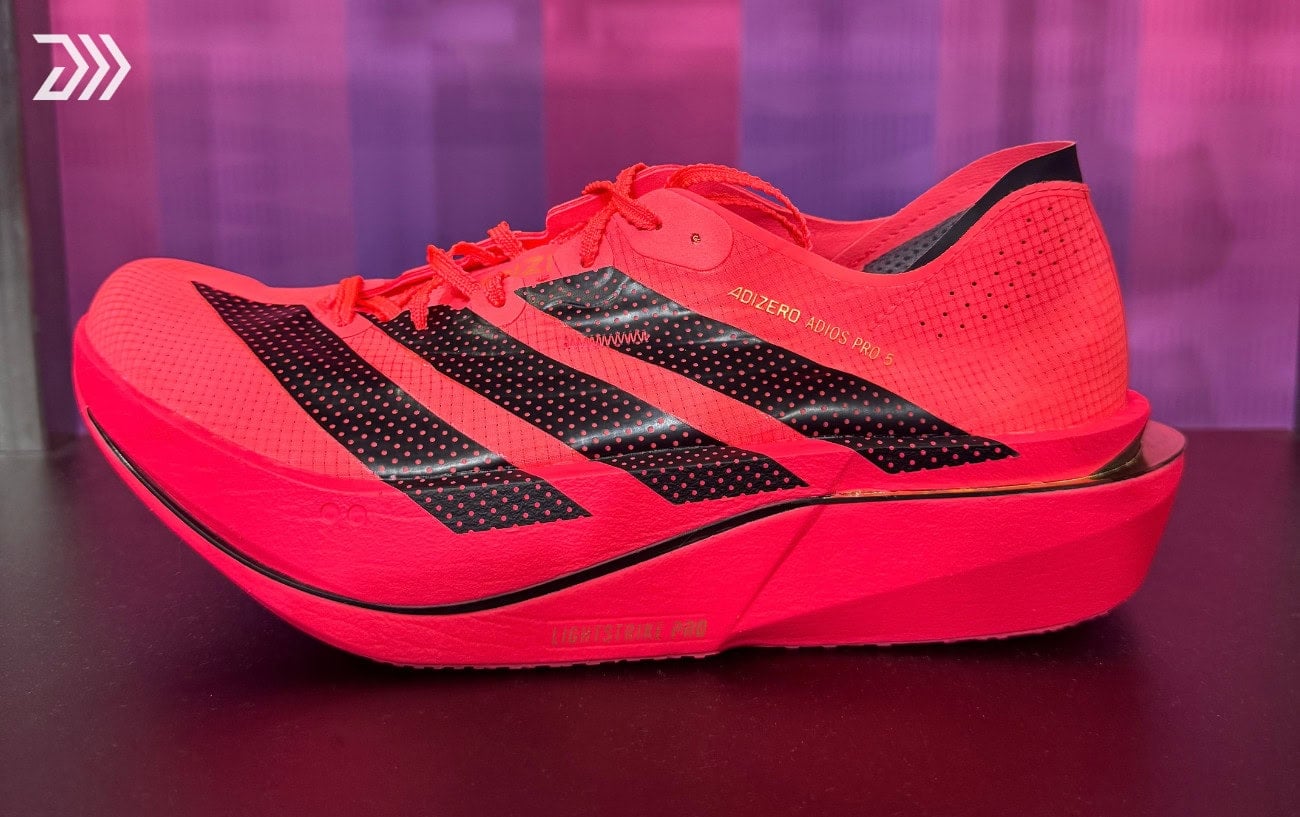
Over the past 3 months, I’ve tested VKTRY insoles in my adidas Adios Pro Evo SLs, Brooks Ghost 17s, and Saucony Rides – a mix of go-to, trustworthy, daily mile-busters.
VKTRY includes a transition sheet in the box, and I’d strongly advise following it rather than doing what I did on day one, which was head straight out for a normal run.
Over the test period I ran easy miles, tempo runs, and a handful of interval sessions in them, and wore them for everyday walking to break them in. Below is what actually stood out.
The Good: What VKTRY Insoles Get Right
The energy return is real – and you feel it most when you’re moving fast.
On easy jogs the effect is subtle, but the first time I did strides and a tempo run in them, the propulsive “pop” off my forefoot was obvious. It’s not a placebo; independent research backs the sensation up. Studies including one from Southern Connecticut State University measured an average 9.3% increase in rate of force development (explosiveness) and a vertical jump gain of about 1.63 inches for athletes wearing VKTRY.
Impact protection is excellent. You can feel this while you run in them. Testing has shown roughly a 10% reduction in ground reaction force, meaning your legs absorb less pounding. A six-month study from the Korey Stringer Institute at UConn found VKTRY improved lower-body biomechanics, ankle and knee stability during running, and shock absorption during landing. In practice, my legs felt fresher after harder sessions — this is the reason a lot of runners with plantar fasciitis or shin splints swear by them.
The custom fit is a genuine differentiator. Because the plate stiffness is matched to your weight and sport, they don’t feel like a one-size-fits-all board. They’re arch-agnostic and cut generously wide, so they fit a broad range of foot shapes.
The guarantee is unusually generous. You get 90 days to feel the difference or send them back for a full refund, plus free exchanges in the US if the size or stiffness isn’t right (VKTRY says 5–10% of orders need an adjustment). They’re also HSA/FSA eligible, which softens the cost. That safety net is a big part of why they’re worth trying.
The Not-So-Good: What to Know Before You Buy
There’s a real break-in period, don’t skip it. The shoe feels noticeably stiffer underfoot at first, and your calves and Achilles take on more load because your foot isn’t flexing as naturally. Some runners report blisters and hot spots during the adjustment, especially if they skip the transition plan. Ease in over a couple of weeks – don’t put them in for your first long run.
They add stiffness and a little weight. If you love a soft, flexible, natural-feeling ride, a carbon plate under your foot is the opposite of that. Some distance runners genuinely don’t get along with them and find them awkward for long, slow miles.
They’re not a “run every day” product. VKTRY’s own guidance and most experienced users point the same direction: use them for speedwork, tempo runs, and shorter races rather than every single run — unless you’re specifically using them to manage an injury like plantar fasciitis. Your feet and lower legs need to adapt to the changed mechanics.
They don’t feel quite as natural as the best pair of supershoes. Don’t get me wrong, they’re very comfortable – and gel surprisingly well with the shoes I tested them in. But don’t think that these are a replacement for your race-day shoes – you still want something dialed for your fastest efforts. These are an innovative way to get carbon-powered performance in your training out of a pair of off-the-shelf daily runners.
So, Are VKTRY Insoles Worth It?
Here’s my honest take after living with them.
Yes, they’re worth it if you:
- Struggle to justify the expense of multiple pairs of supershoes, yet want carbon-plated power in your training
- Are dealing with plantar fasciitis, shin splints, or general impact-related aches
- Want something flexible you can incorporate into any trainer
- Like the idea of a near-risk-free trial thanks to the 90-day guarantee
They’re probably not worth it if you:
- Run almost entirely easy, slow, long miles and love a soft, flexible ride
- Don’t mind spending on multiple pairs of carbon-plated super-shoes for your hard sessions
- Aren’t willing to commit to a proper break-in period
- Are shopping on a tight budget where $99–$149 is a stretch
For me, the value verdict comes down to how you’ll use them. Consider them a compliment to your quiver that can turbo-charge your more regular shoes, rather than a supershoe replacement.
VKTRY Insoles: Quick Specs
| Feature | Detail |
|---|---|
| Technology | Patented carbon fiber baseplate + dual foam layers |
| Customization | Gender, age, weight, shoe size, sport (5 stiffness levels) |
| Top cover thickness | 3mm, 5mm, or 7mm depending on shoe/sport (5mm suits most non-cleated shoes) |
| Sizing | True to size, arch-agnostic, generously wide (no width/arch options) |
| Guarantee | 90-day money-back; free US exchanges |
| Price | ~$99 (Silver) to $149 (Gold), promotions common |
| Extras | HSA/FSA eligible; permitted in competition |
Tips to Get the Most From VKTRY Insoles
Break them in gradually — follow the included transition sheet and start with easy, shorter efforts. Order for the shoe you’ll wear them in most, and if you’re between weight levels, VKTRY recommends sizing down in stiffness so you can still flex the plate. Remove your factory insoles first, never trim the carbon, and if the edges curl up, they’re too big — use the free exchange. Save them for your hard sessions and races rather than every run, and consider a second pair if you want them in more than one shoe.
More Running Gear & Shoe Guides From Marathon Handbook
- Best Carbon Plate Running Shoes
- Best Marathon Running Shoes
- Best Daily Running Shoes
- Best Running Shoes for Beginners
RunClub — Free
Join 300,000+ runners in RunClub
Free training plans for every distance, a daily running game, exclusive coaching content, and a real community of runners. Create your free account in 20 seconds — no card.
Already a member? Log in →








Start the conversation