


A group of 16 sports scientists has named Usain Bolt of Jamaica and Faith Kipyegon of Kenya the greatest runners of all time, using a custom points system that weighs Olympic medals, world championship titles and world records.
The study, published in the journal Sports Medicine, scored every runner who has won a medal at the Olympics or a major World Athletics championship since 1896, or set a world record since 1912. The sample included 1,294 men and 824 women.
The research team was led by Brian Hanley of Leeds Beckett University and Carl Foster of the University of Wisconsin-La Crosse, with co-authors including Andrew Jones of the University of Exeter, Norwegian sport scientist Stephen Seiler, and Thomas Haugen of Kristiania University of Applied Sciences.
The Top of the Men’s List
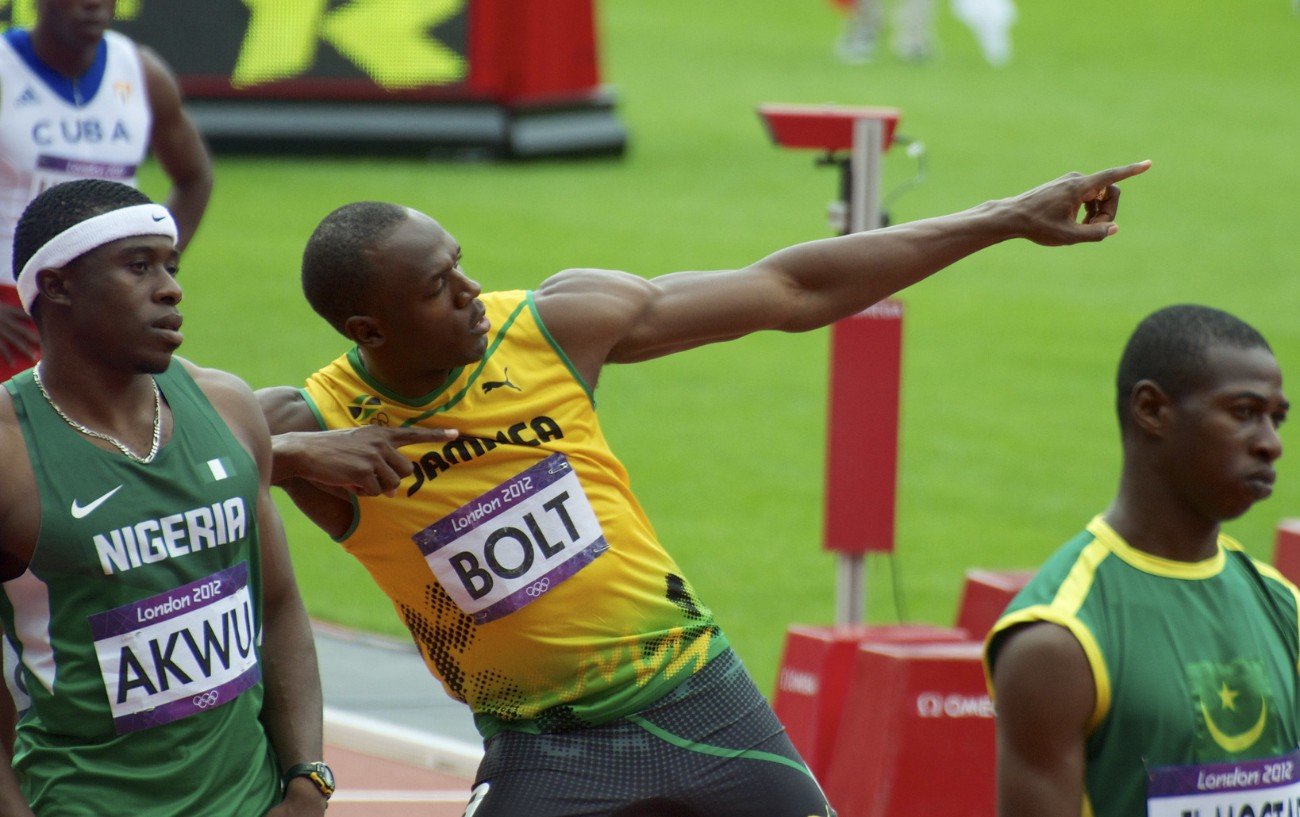
Bolt topped the men’s rankings with 1,425 points, well ahead of the field. He won six individual Olympic golds and seven individual World Championship golds. His 100-meter and 200-meter world records have stood since 2009, and no one ranked above him on the world record subtotal is still an active record holder.
The top five men:
- Usain Bolt (Jamaica) — 1,425 points
- Kenenisa Bekele (Ethiopia) — 1,206
- Haile Gebrselassie (Ethiopia) — 1,078
- Michael Johnson (USA) — 981
- Paavo Nurmi (Finland) — 962
The Top of the Women’s List
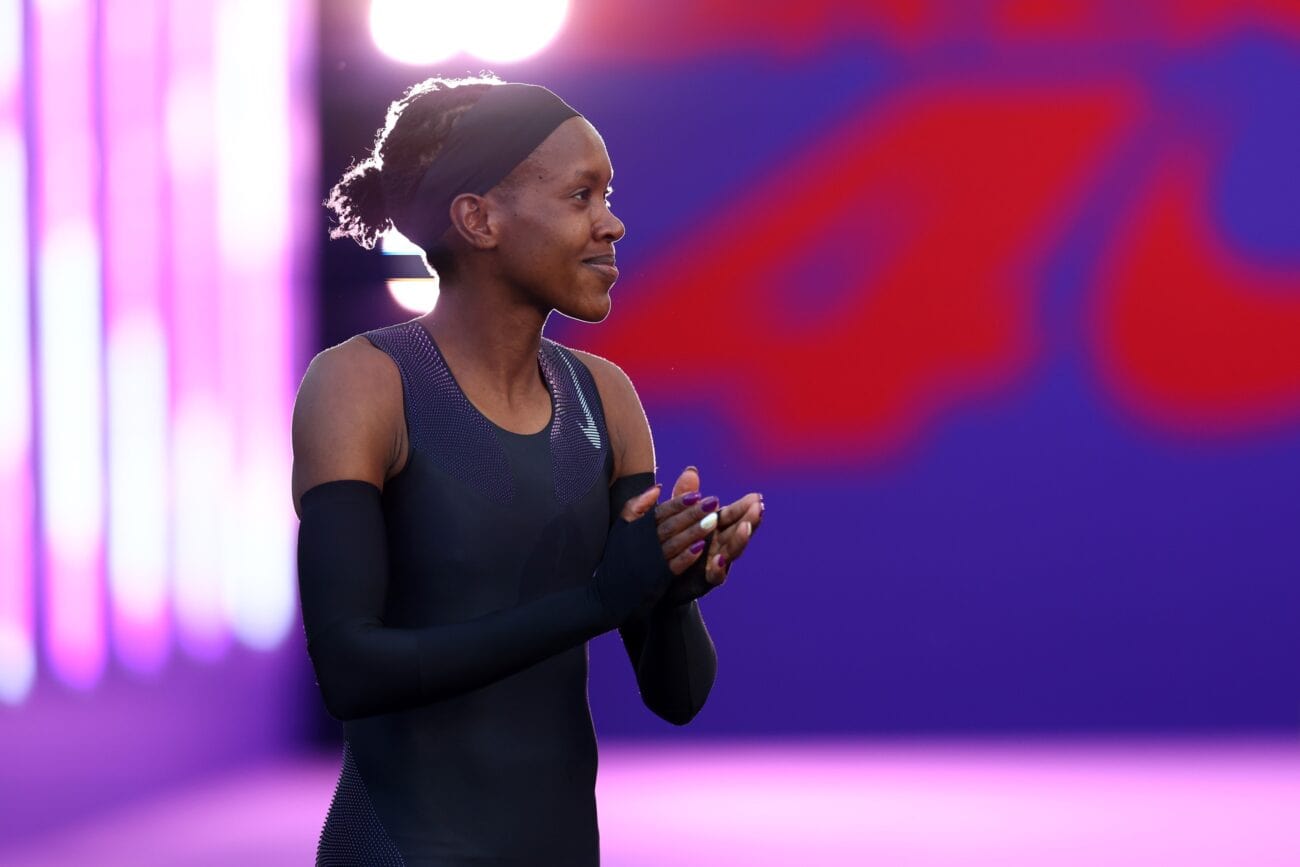
Kipyegon led the women’s rankings with 1,009 points. The Kenyan middle-distance runner has won three Olympic golds and five World Championship golds. She holds the women’s 1500-meter world record and previously held the 5000-meter mark.
The top five women:
- Faith Kipyegon (Kenya) — 1,009 points
- Tirunesh Dibaba (Ethiopia) — 1,007
- Shelly-Ann Fraser-Pryce (Jamaica) — 848
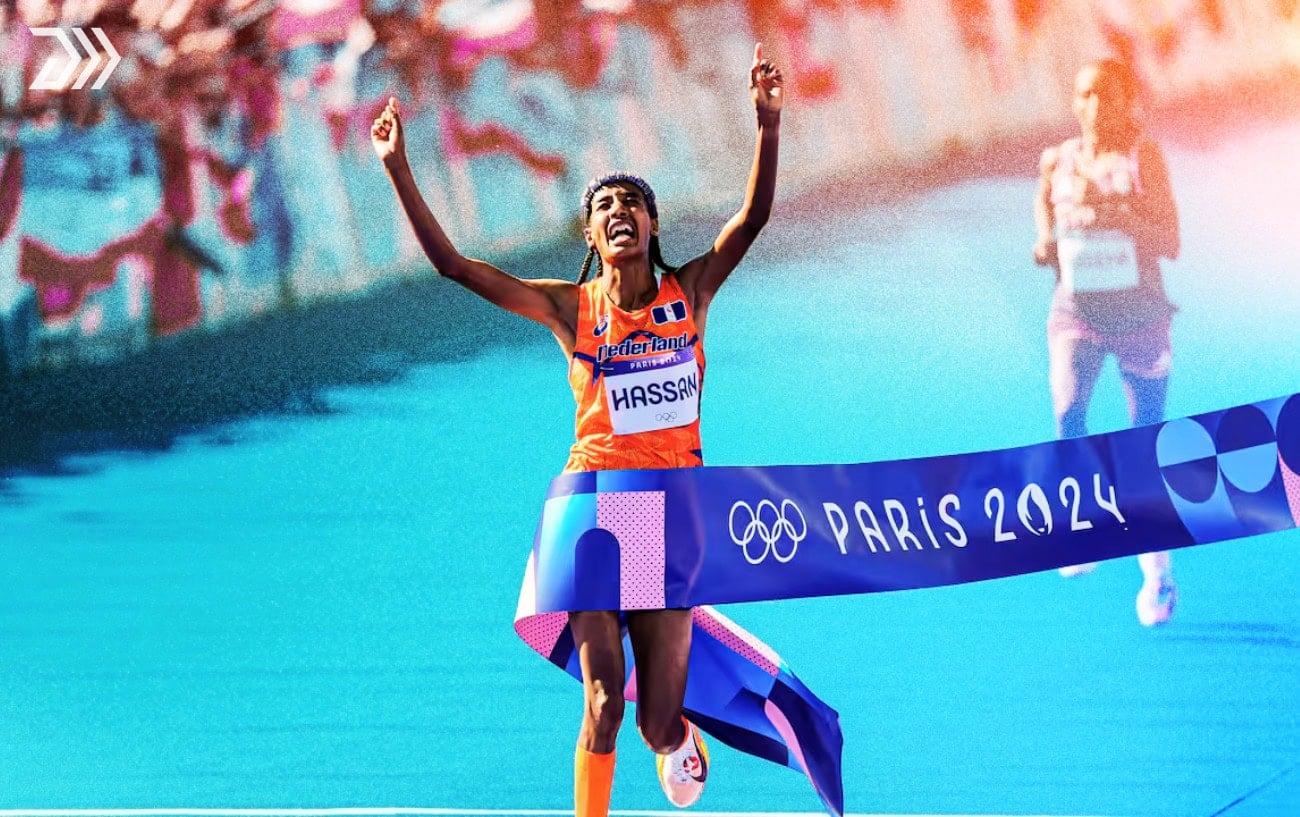
- Sifan Hassan (Netherlands) — 804
- Merlene Ottey (Jamaica/Slovenia) — 790
If men and women were ranked together, Kipyegon would slot in fourth, behind Bolt, Bekele and Gebrselassie. The authors note that a combined top 25 would include 11 men and 14 women.

How the Points Worked
The scoring was tied to current World Athletics prize money. Here is how the values broke down for gold medals and records:
- Olympic gold: 100 points
- World Record: 100 points
- World Championship gold: 70 points
- World Indoor Championship gold: 40 points
- World Cross Country Championship gold: 30 points
Two bonuses sweetened the math for record holders. Setting a world record during an Olympic final added 5 points. Each year a record stayed unbroken added another 2 points.

Doubling Up Was the Real Secret
The authors found that runners who could double up on physiologically similar events had a much better shot at the top. “Athletes who successfully competed over physiologically and tactically similar events (‘doubles’), such as Bolt and Kipyegon, had a greater opportunity to become the GOAT,” they wrote.
Bolt completed the 100m/200m double at three straight Olympics and three straight World Championships. Kipyegon is the only woman to medal in both the 1500m and 5000m at a major championship. Kenenisa Bekele, Gebrselassie and Tirunesh Dibaba built their scores by winning across the 5000m and 10,000m.
Marathon specialists fared less well in the overall rankings, since they competed in only one event. The marathon category winners:
- Men: Abebe Bikila, with Eliud Kipchoge a close second
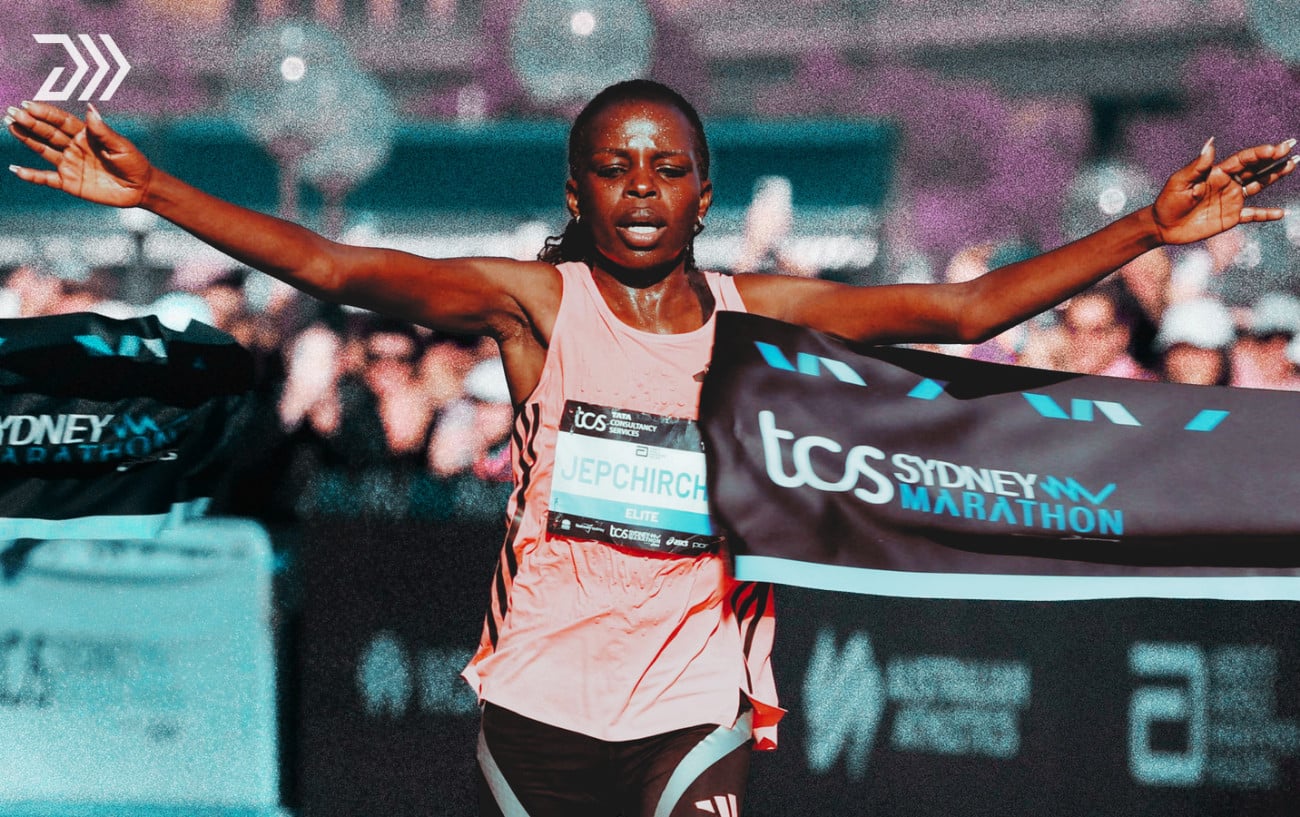
- Women: Catherine Ndereba, followed by Peres Jepchirchir and Grete Waitz
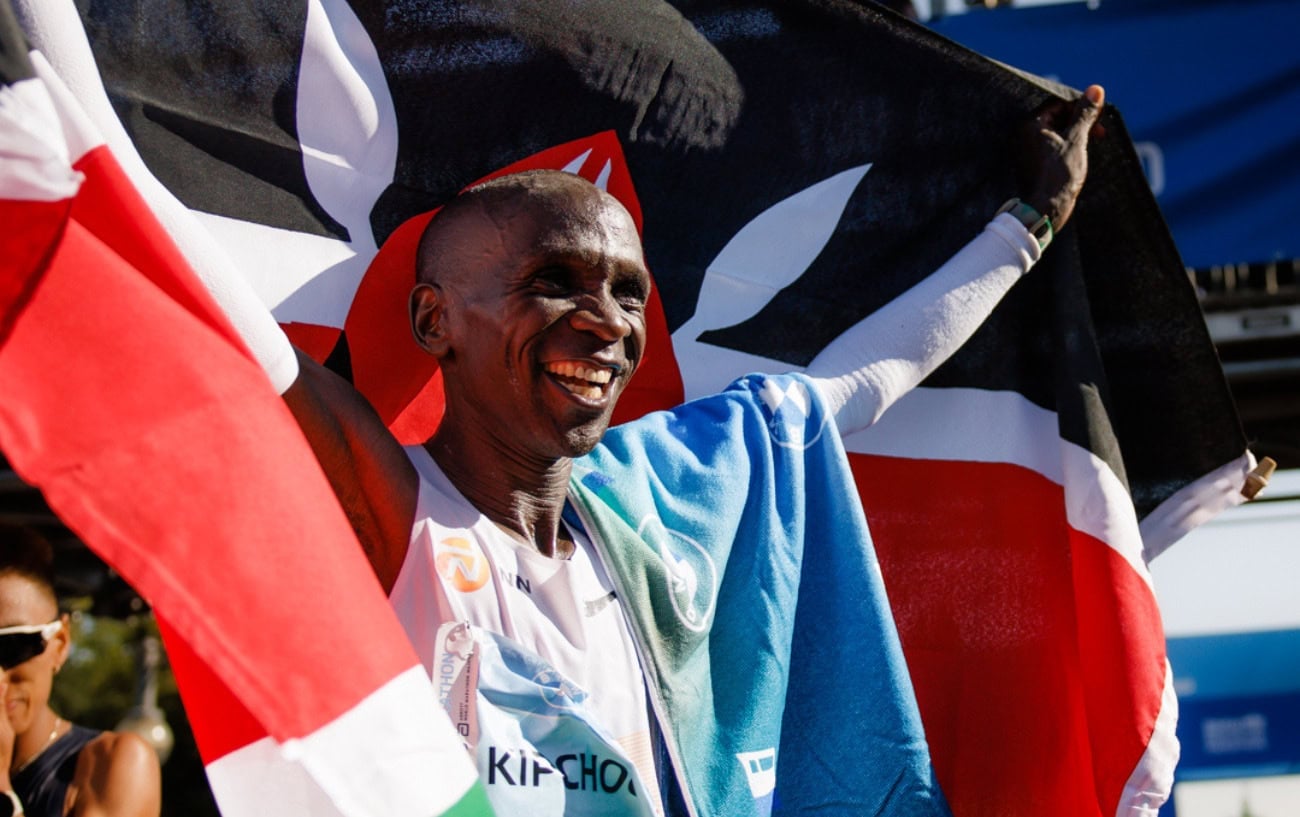
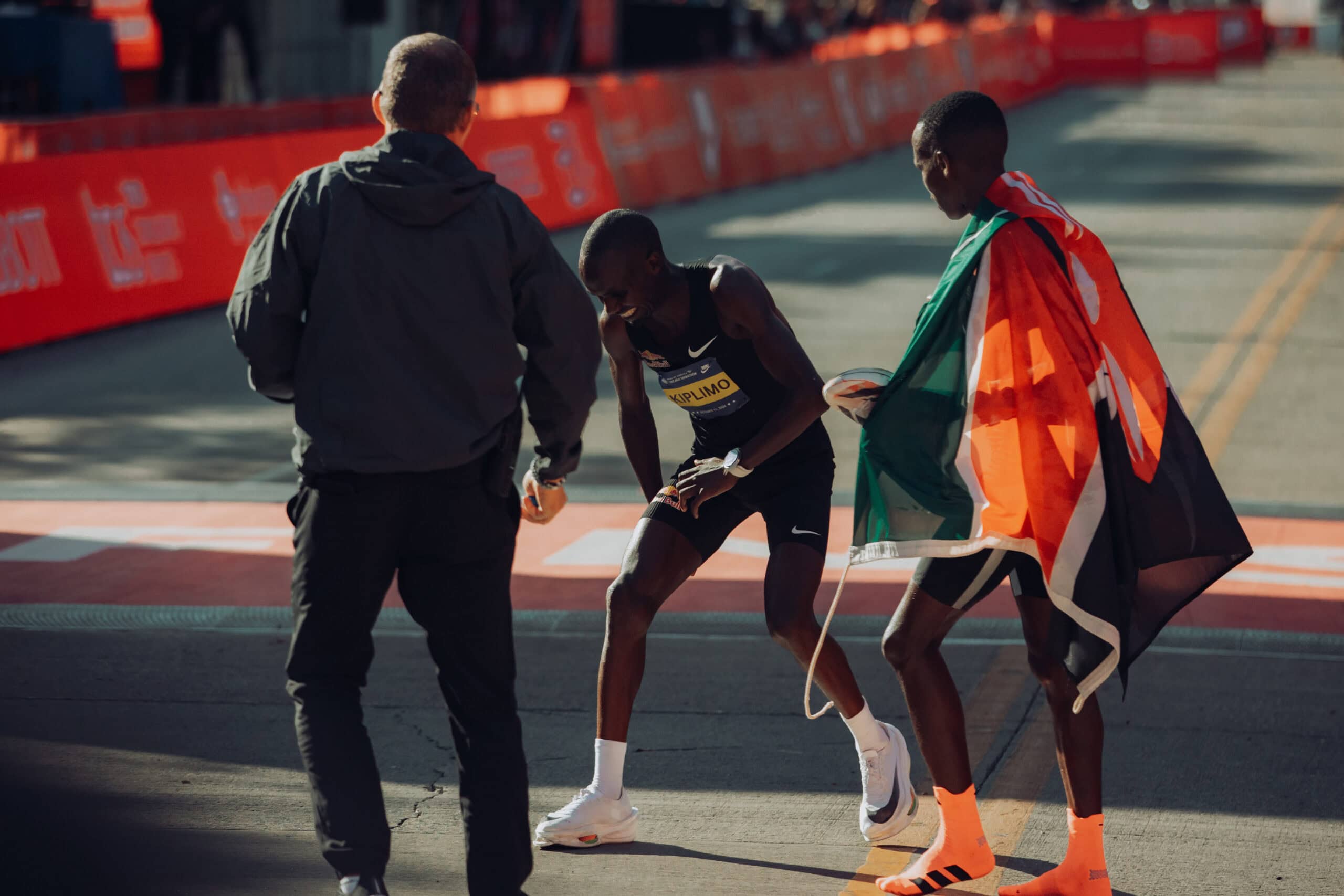
Kipchoge appeared on the overall men’s list at number 24 with 506 points.
Five Eras, Five Different Worlds
The study broke results into five historical eras to account for the changing size of the sport. Two figures stood out from the older eras.
Paavo Nurmi of Finland topped the interwar era of 1920 to 1936 and finished fifth overall, with 962 points earned solely from Olympic medals and world records. World Championships did not yet exist when he ran.
Czech distance legend Emil Zátopek led the post-war amateur era. He remains the only runner ever to win the 5000m, 10,000m and marathon at the same Olympics, which he did at Helsinki in 1952. According to the paper, Zátopek only entered the marathon a few days before the race, an opportunity that would not be possible under today’s qualification rules.
Among women, the analysis highlights how restricted competition was in earlier decades. Few events were open to women at the Olympics before 1972, and many of the longest-standing women’s records date from the 1980s, before systematic out-of-competition drug testing became routine. Ten of the top 25 women scored zero points for world records.
Doping, Drama and the Limits of the Model
The authors took a clear position on doping. Performances ratified despite later doping sanctions were included. Athletes whose medals or records were officially rescinded did not earn points for those results.
A sensitivity analysis tested whether tweaking the formula would shake up the rankings. The team tried five different scenarios:
- Doubling the value of Olympic medals over World Championship medals
- Removing the Olympic-final world record bonus
- Removing the world record longevity bonus
- Stripping out cross-country titles
- Stripping out indoor titles
Bolt and Kipyegon stayed on top under every single scenario.
The authors are upfront about what their model misses. They did not include road races outside the Olympics and World Championships, which means major marathon victories at events like New York, London or Berlin do not factor in. That excluded a long list of celebrated wins:
- Eliud Kipchoge’s 11 World Marathon Majors victories
- Grete Waitz’s 11 New York titles
- Paula Radcliffe’s 8 majors wins
The researchers also did not adjust for the rise of advanced footwear technology since 2016.
“No manner of performing such a ranking task can be perfect or completely objective,” the authors wrote, “but we believe that both the GOATs chosen and the way they were chosen will stimulate interest in those working in the field to develop more robust methods or validate our findings.”
RunClub
Get more running stories — join RunClub
Daily running news, a community of 300,000+ runners, free training plans for every distance, and a daily running game. Free to join — no card.
Already a member? Log in →





Start the conversation