


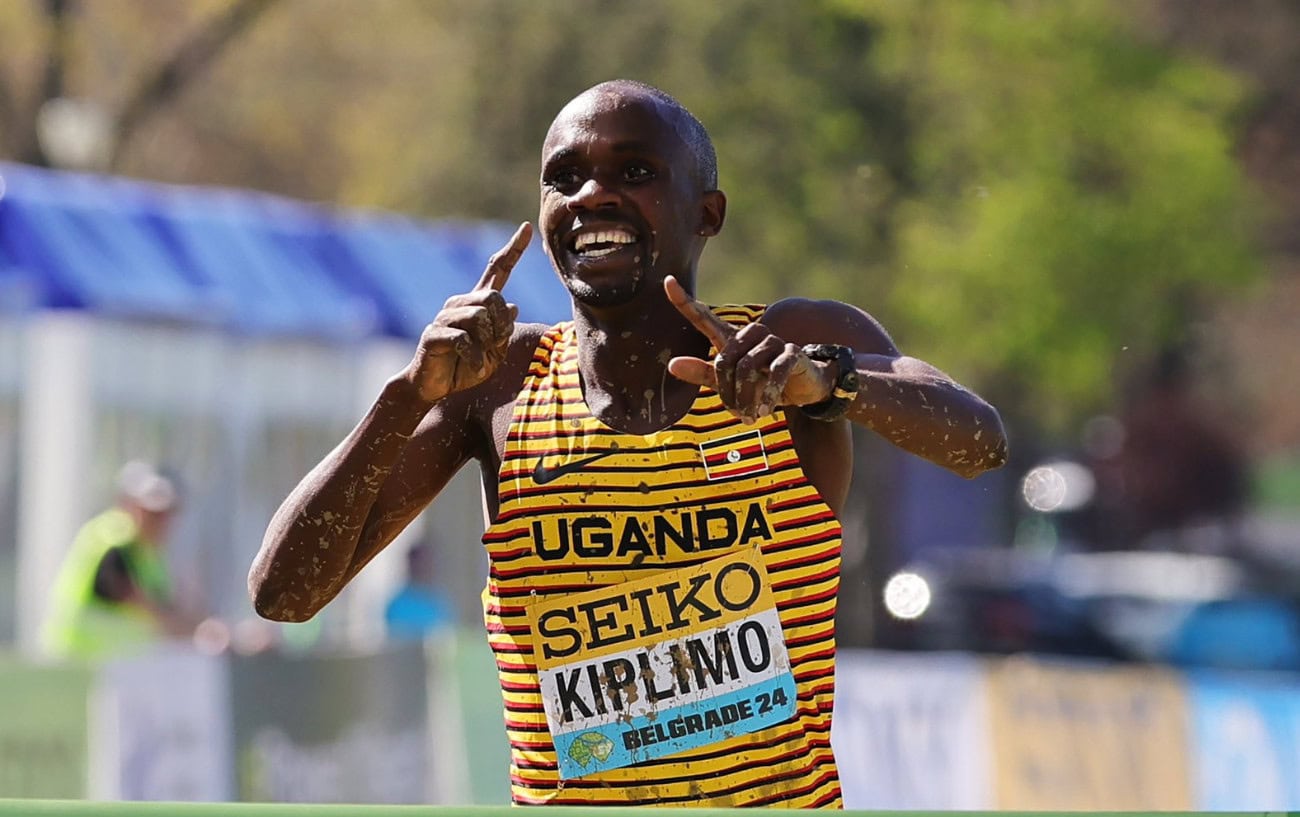
The debate over what belongs in the Winter Olympics resurfaced this week after the federations that govern traditional snow and ice sports dismissed proposals to add XC running to the 2030 program in the French Alps.
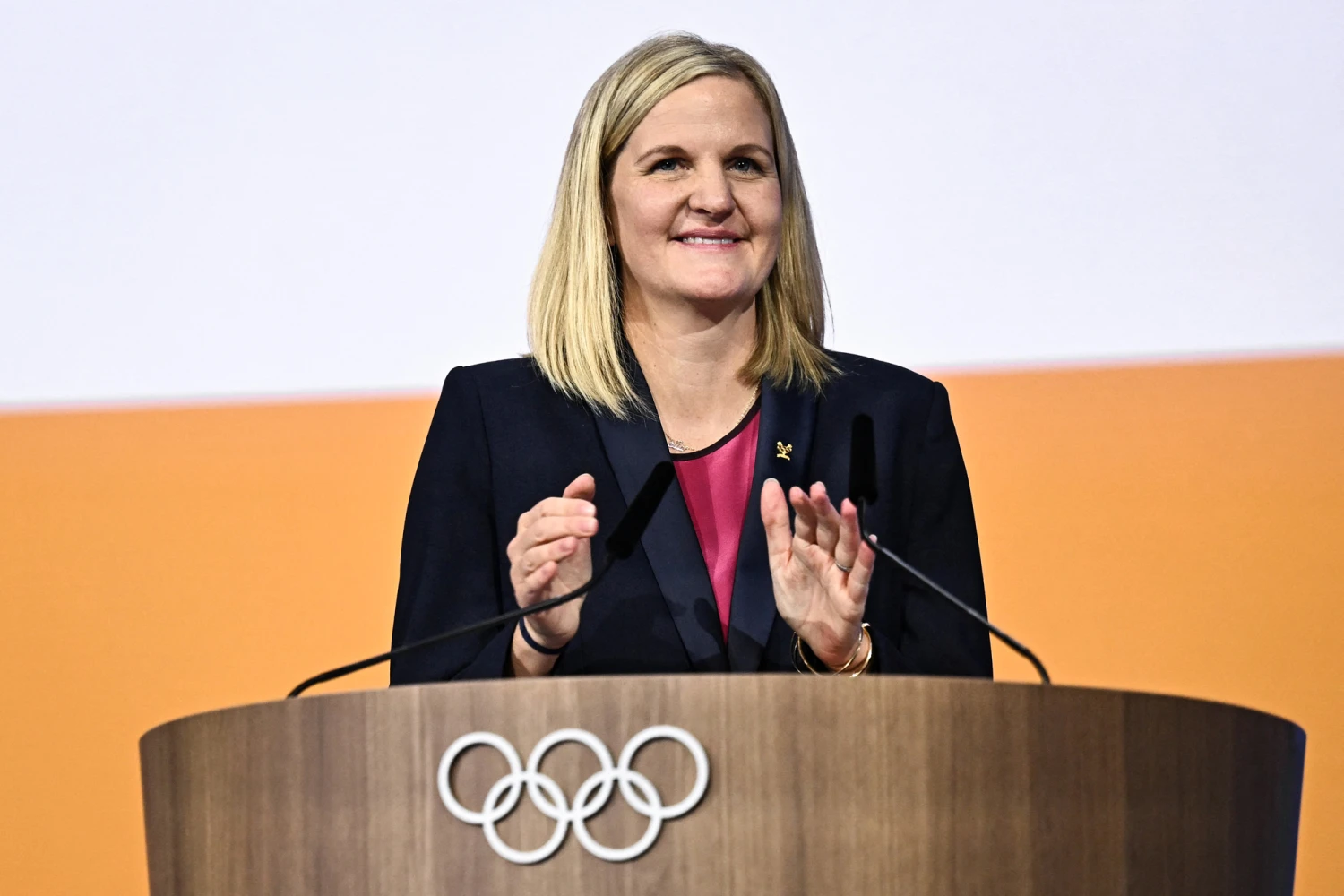
The push to add XC running to the winter Olympics has had strong backing in recent months, especially from World Athletics president Sebastian Coe. It was also part of a broader review of both the summer and winter Olympic programmes under the IOC’s new president, Kristy Coventry.
However, winter sports leaders made their position clear in a statement on Wednesday, arguing that new events should come from “sports practiced on snow and ice” and warning that adding disciplines from summer federations would blur the identity of the Winter Games.
Their pushback comes at a time when the IOC is facing pressure to modernize the Winter Olympics to help reduce the financial strain on host cities.

What even is a “Winter Sport”?
On the surface, the disagreement looks philosophical.
Winter sports leaders argue that XC running simply doesn’t meet the existing definition of a Winter Olympic event. IOC rules currently require Winter Games sports to be practiced on snow or ice.
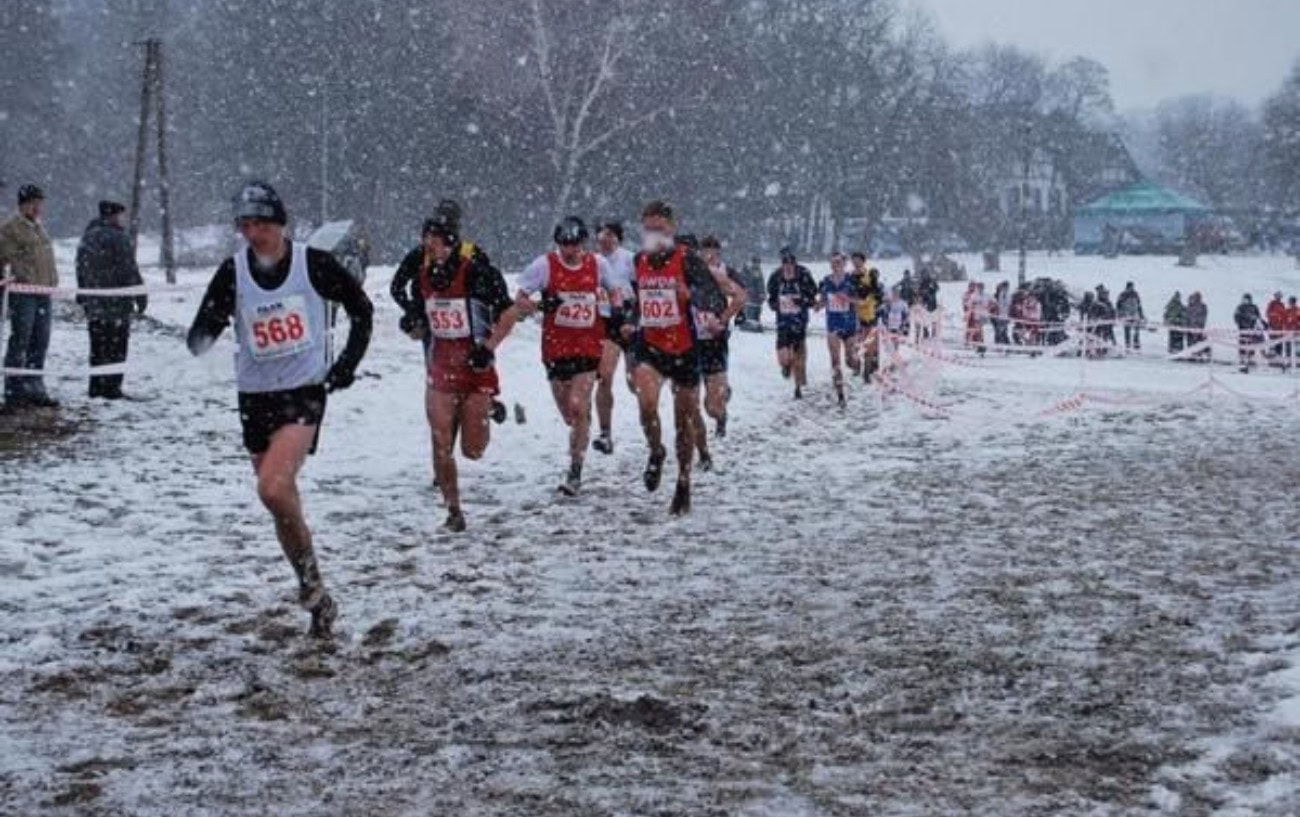
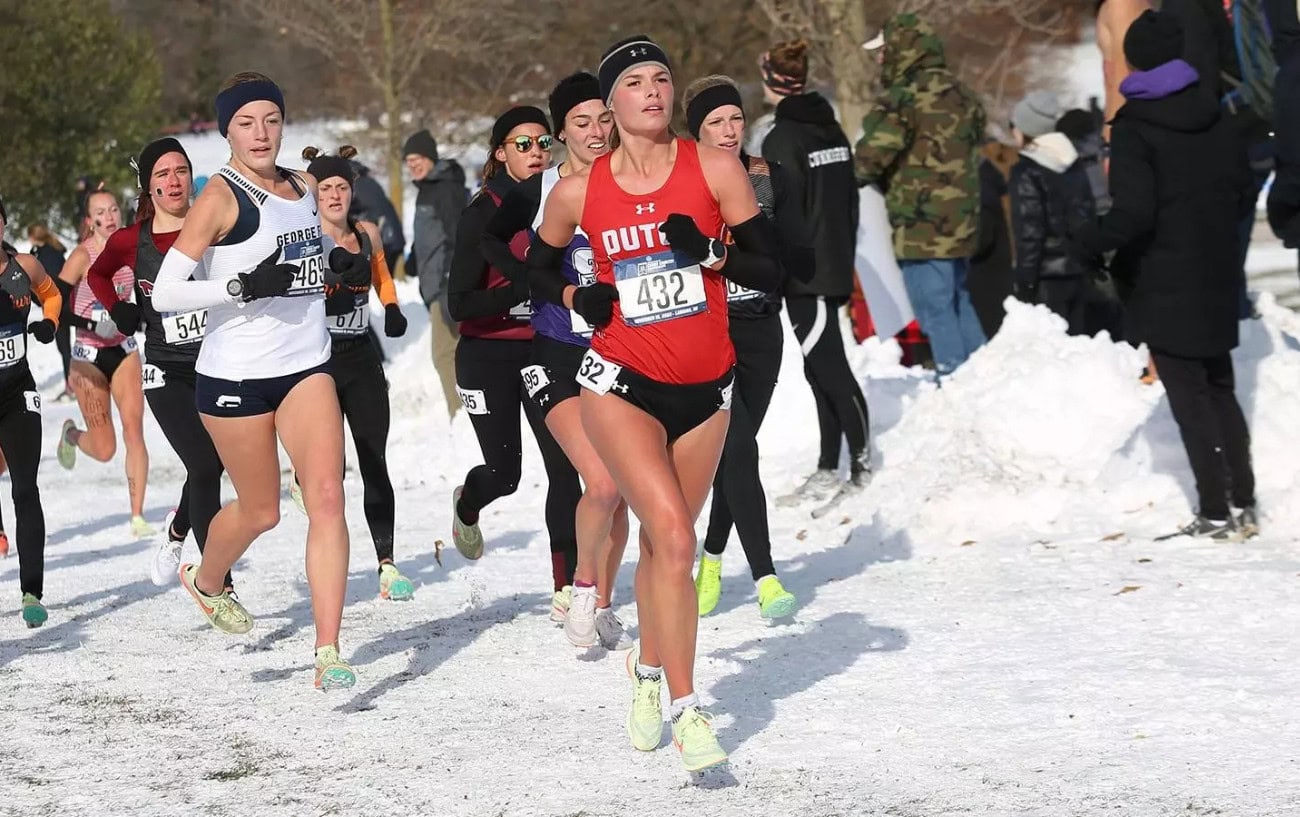
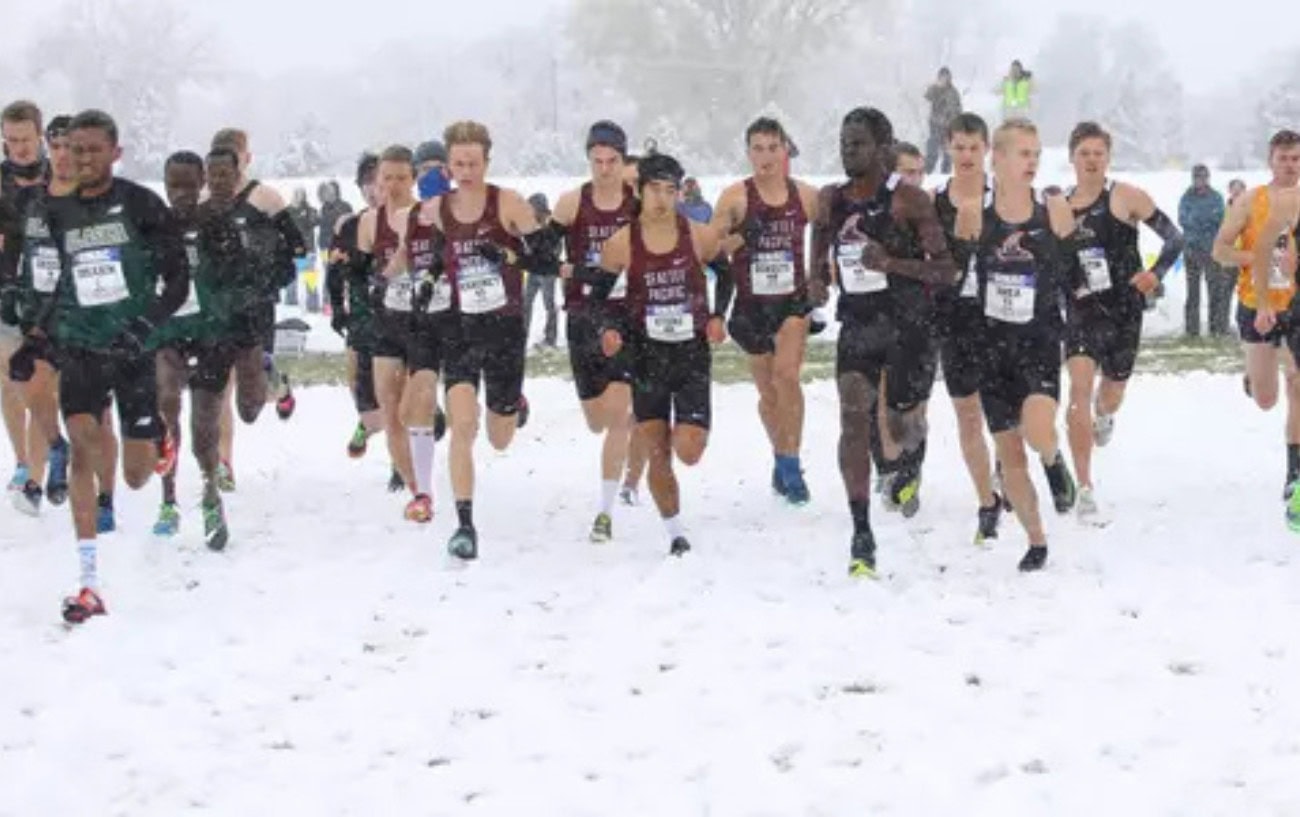
Although both disciplines can be adapted to cold-weather courses, they’re historically and technically mud-based (though we’ve seen plenty of snow-covered courses in the past).
Max Cobb, secretary general of the International Biathlon Union, was quite frank: “If they were super popular sports, they would already be in the Summer Games, and they’re not.”
But the underlying tension is more practical and far more political.
The money problem
Money talks, and every decision about adding new Olympic events comes with financial considerations, and these may be the most decisive factor of all.
Winter Games are expensive to stage, often dramatically more so than the Summer Olympics due to venue requirements for sports like alpine skiing, sliding sports, and skating.
Cities have increasingly been reluctant to bid, and those that do face ballooning budgets. Milan-Cortina 2026, for instance, is already grappling with venue delays and rising construction costs.
The IOC has been trying to solve that problem by making the Winter Games more affordable to host and more appealing to a broader range of countries. Adding sports that require minimal infrastructure, like running loops in a field or farmland, could, in theory, help.
But for the existing winter federations, the fear is the opposite: that every new event increases pressure on already-strained schedules, splits broadcast revenue further, and complicates venue planning.
Winter sport federations rely heavily on Olympic revenue-sharing to sustain their World Cup circuits; anything that redistributes those funds threatens their financial stability.
The Political Side
There is also a clear political angle.
Coe ran for IOC president against Coventry before her eventual election. So, this push comes at a moment when leadership roles inside the Olympic movement have changed, and the balance of influence between summer and winter federations is being quietly renegotiated.
Coe’s support for adding XC running to the Winter Games reflects a broader effort to give their federations more year-round visibility. That alone makes traditional winter sports uneasy.
For decades, winter federations have controlled a tightly defined Olympic programme, and they are protective of the space and funding that come with it.
There’s also the matter of representation.
World Athletics has been open in saying that XC running could bring stronger participation from countries that rarely appear on the Winter Olympic podium.
That argument appeals to parts of the IOC, which has long wanted the Winter Games to feel less Euro-centric. But it’s far less appealing to winter federations whose influence is rooted in sports historically dominated by Europe, North America and Japan.
None of this means Coe is trying to seize control of the Winter Games, but it does help explain why the winter federations reacted as forcefully as they did.
From their perspective, allowing summer-based sports onto the Winter programme isn’t just a rule change. In their eyes, it completely changes the competitive balance, redistributes attention, and will eventually reshape how money flows between federations.

The Influence Of Climate Change
The IOC has been clear: the Winter Games are becoming harder to stage.
A study commissioned by the IOC showed that only a small handful of cities globally will reliably have winter conditions suitable for hosting by mid-century.
Against that backdrop, disciplines like XC running offer a kind of insurance.
They require less natural snow, can operate on nearly any type of terrain, really, and appeal to nations with limited winter sports traditions. In turn, that could also expand the Winter Games athlete pool, boosting media and sponsorship opportunities.
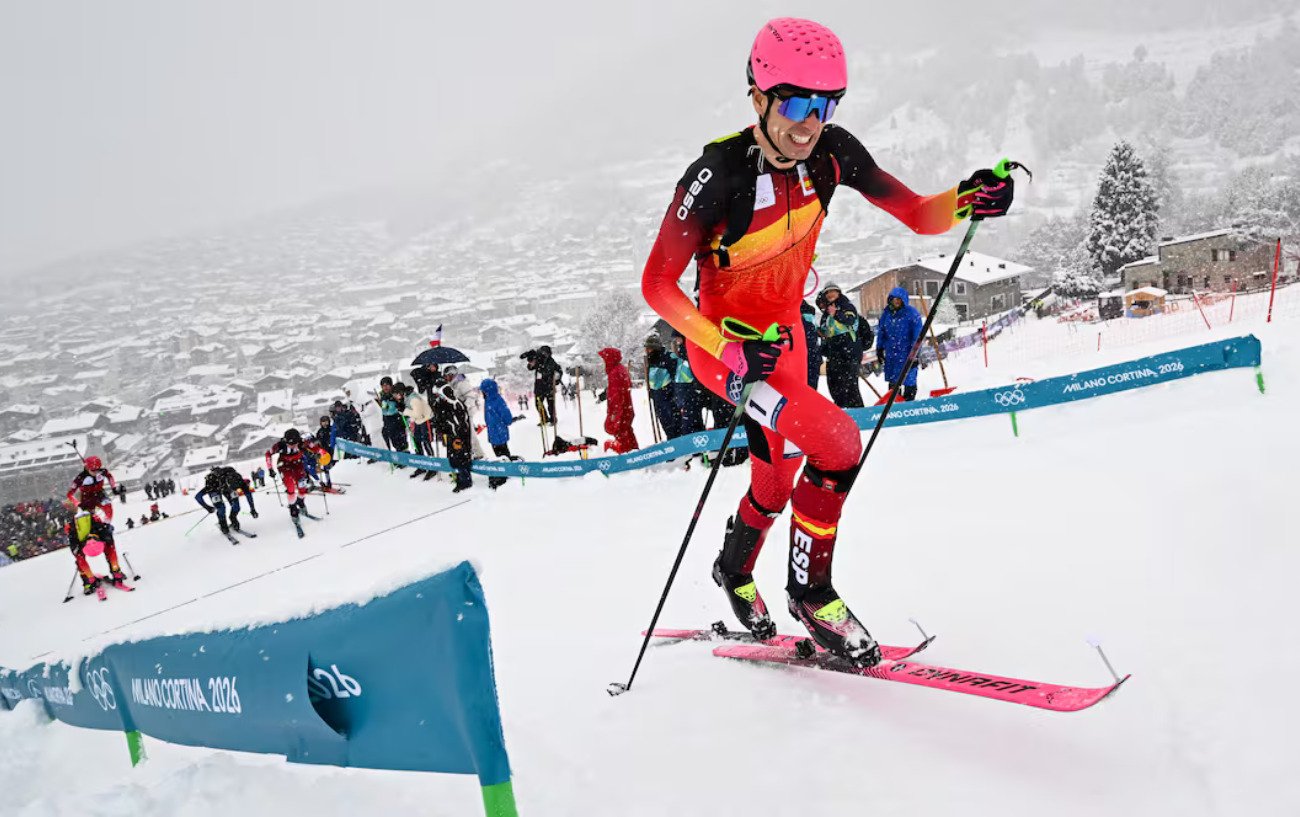
Ski mountaineering, which makes its Olympic debut at Milan-Cortina, was promoted with similar arguments: low cost, high youth interest, and mountain-based identity.
But unlike XC running, skimo is rooted firmly in winter environments, which is why winter federations embraced it while rejecting other event proposals.
So, Will XC Become An Olympic Sport?
The IOC’s programme review is ongoing, and Coventry is expected to make recommendations ahead of the 2030 qualification cycle.
Though the winter federations have pushed back forcefully, nothing is final.
But this week’s statement suggests the winter federations are drawing a line: any evolution of the Winter Games should come from within existing snow-and-ice sports, not from summer sports looking for a second Olympic platform.
The larger question of whether the Winter Olympics can remain financially viable, geographically feasible, and globally relevant without broadening their identity remains unanswered.
RunClub
Get more running stories — join RunClub
Daily running news, a community of 300,000+ runners, free training plans for every distance, and a daily running game. Free to join — no card.
Already a member? Log in →





Start the conversation