


When Grand Slam Track filed for Chapter 11 bankruptcy last week, the filing quietly answered the question athletes had been asking for months: how much money is actually missing?
The answer, laid out in newly filed court documents, is sobering. Some of the biggest names in track and field are among the league’s largest unsecured creditors, still owed hundreds of thousands of dollars each after GST’s collapse.
According to documents submitted to the U.S. Bankruptcy Court in Delaware, a laundry list of Olympic champions and world medalists are listed alongside production companies and service providers in GST’s top 20 unsecured claims.
The combined total owed to those top 20 creditors is close to $10 million, part of a much larger debt picture that includes between 200 and 999 creditors and total liabilities estimated between $10 million and $50 million.

Among the athletes still waiting on payments:
- Sydney McLaughlin-Levrone is owed $356,250, the single largest athlete claim listed.
- Gabby Thomas is owed $249,375.
- Kenny Bednarek is owed $225,000.
- Josh Kerr is still waiting on $218,750.
- Marileidy Paulino is owed $211,875.
- Alison dos Santos and Melissa Jefferson-Wooden are each owed $190,625.
Those figures represent the remaining balance after GST arranged financing in October to pay athletes roughly 50 percent of what they were owed for competing at the three meets that actually took place in Kingston, Miami, and Philadelphia.
That partial payment was framed at the time as a temporary step while the league searched for additional funding.
Now, with GST officially in bankruptcy, even those partial payments come with a major caveat.

Because athletes are unsecured creditors and rank low in the repayment hierarchy, they are unlikely to recover the full amounts owed. And for the handful who did receive partial payouts earlier this fall, bankruptcy rules mean those funds could potentially be clawed back as higher-priority creditors, including vendors and service providers, are paid first.
The court filing now shows us just how deep GST finds itself. The largest single creditor listed is Momentum-CHP Partnership, a broadcast production venture, which is owed more than $3 million.
Other major claims include event infrastructure firm PMY USA ($1.27 million) and design company Girraphic (over $690,000). Even media outlets appear on the list, with Citius Magazine named as a top-10 creditor for nearly $273,000 in unpaid promotional work.
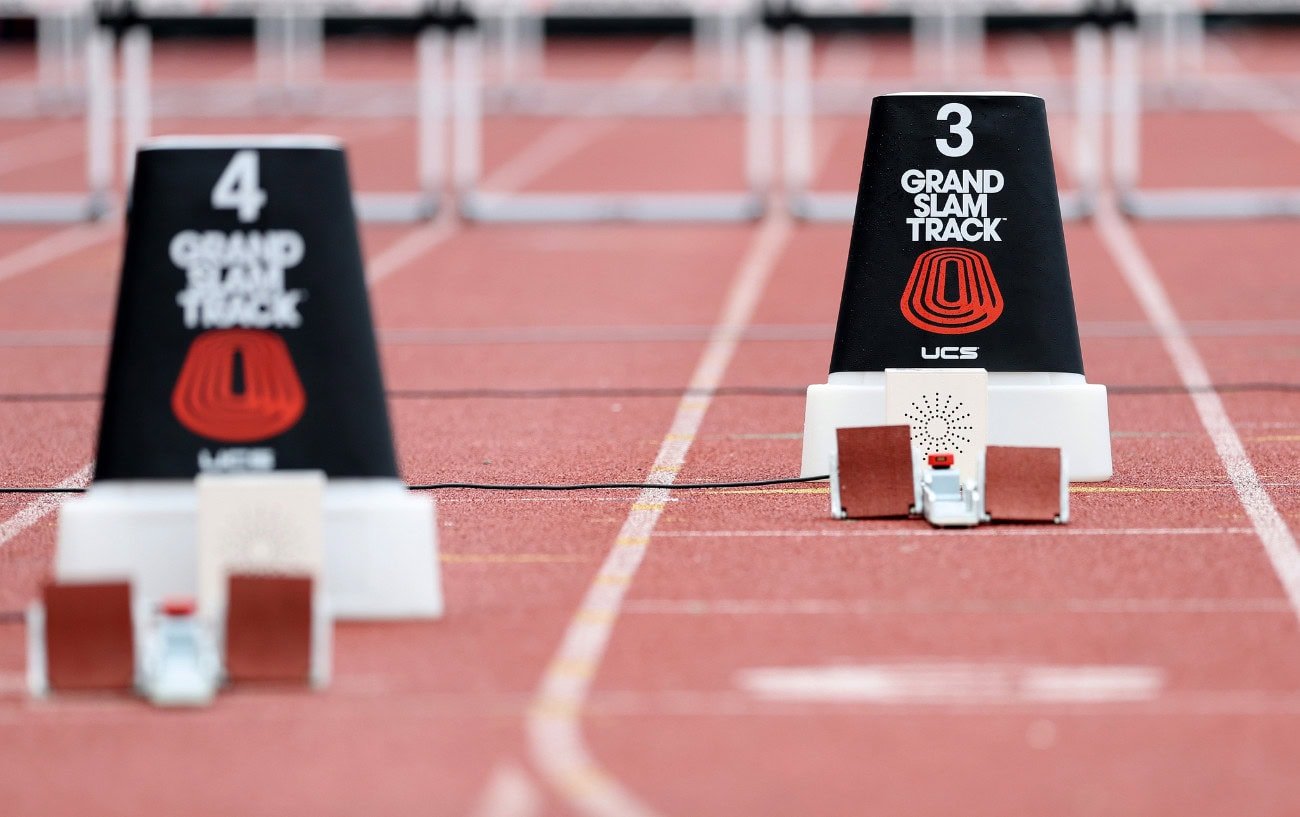
While the league launched in April with promises of unprecedented prize money and professional treatment, including a total prize pool of $12.6 million across four events, funding problems emerged right from the get-go. A key investor pulled back after the opening meet in Kingston, and the league never came back from that.
By August, GST finally acknowledged it had failed to pay athletes on time. An investigation later found that the $3.2 million prize purse from the first meet in Kingston had not been distributed at all, despite promotional fees being paid to some competitors. Athletes continued racing in Miami and Philadelphia without being told how deep the hole had been dug.
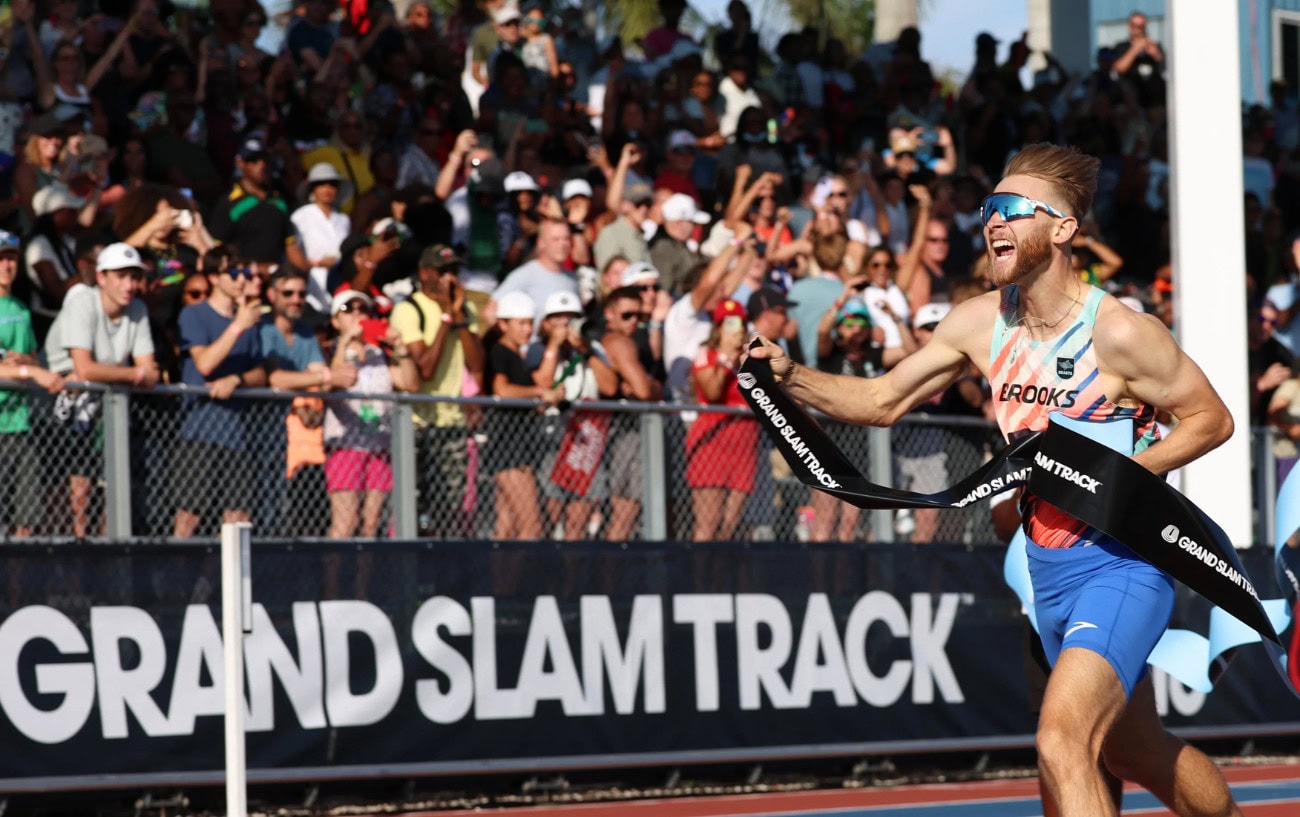
In bankruptcy filings signed by founder Michael Johnson, GST listed assets between $1 million and $10 million against liabilities that could reach $50 million. The documents also confirm that Johnson controls all Series A voting shares, while Winners Alliance holds the preferred shares.
GST has said it intends to use the Chapter 11 process to “reposition the league” and pursue future investment. On paper, that keeps the door open for a return. In reality, the numbers now attached to athlete claims alone tell a harsher story.
For many competitors, Grand Slam Track was pitched as a rare opportunity to earn life-changing money in a sport that rarely offers it. But now, those same athletes find themselves standing in line with dozens of vendors, hoping the bankruptcy process yields at least more than a fraction of what they were promised.
RunClub — Free
Join 300,000+ runners in RunClub
Free training plans for every distance, a daily running game, exclusive coaching content, and a real community of runners. Create your free account in 20 seconds — no card.
Already a member? Log in →









Start the conversation