


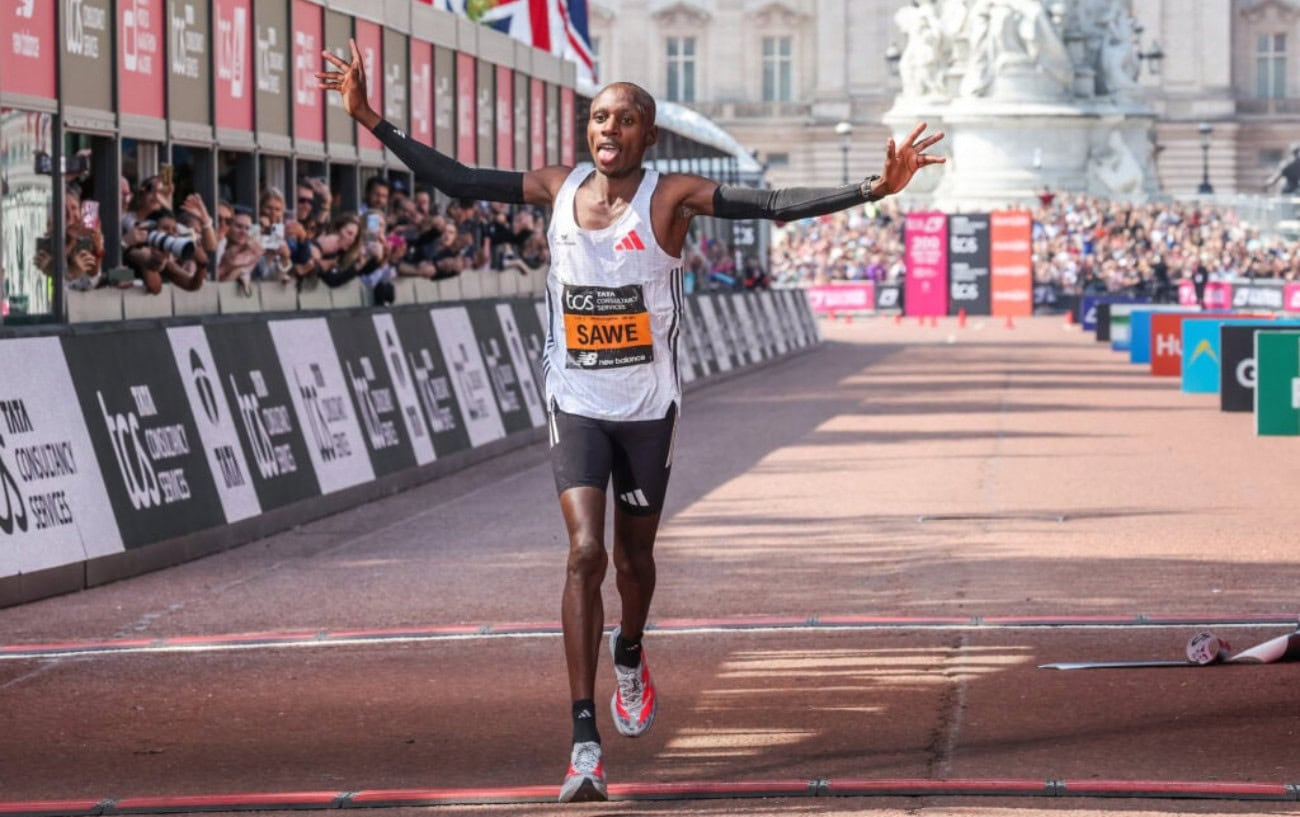
Update — 27 April 2026: Since this article was published, Sabastian Sawe became the first man to officially run a marathon under two hours, clocking 1:59:30 at the 2026 London Marathon to break Kelvin Kiptum’s previous men’s world record (2:00:35) by 65 seconds.
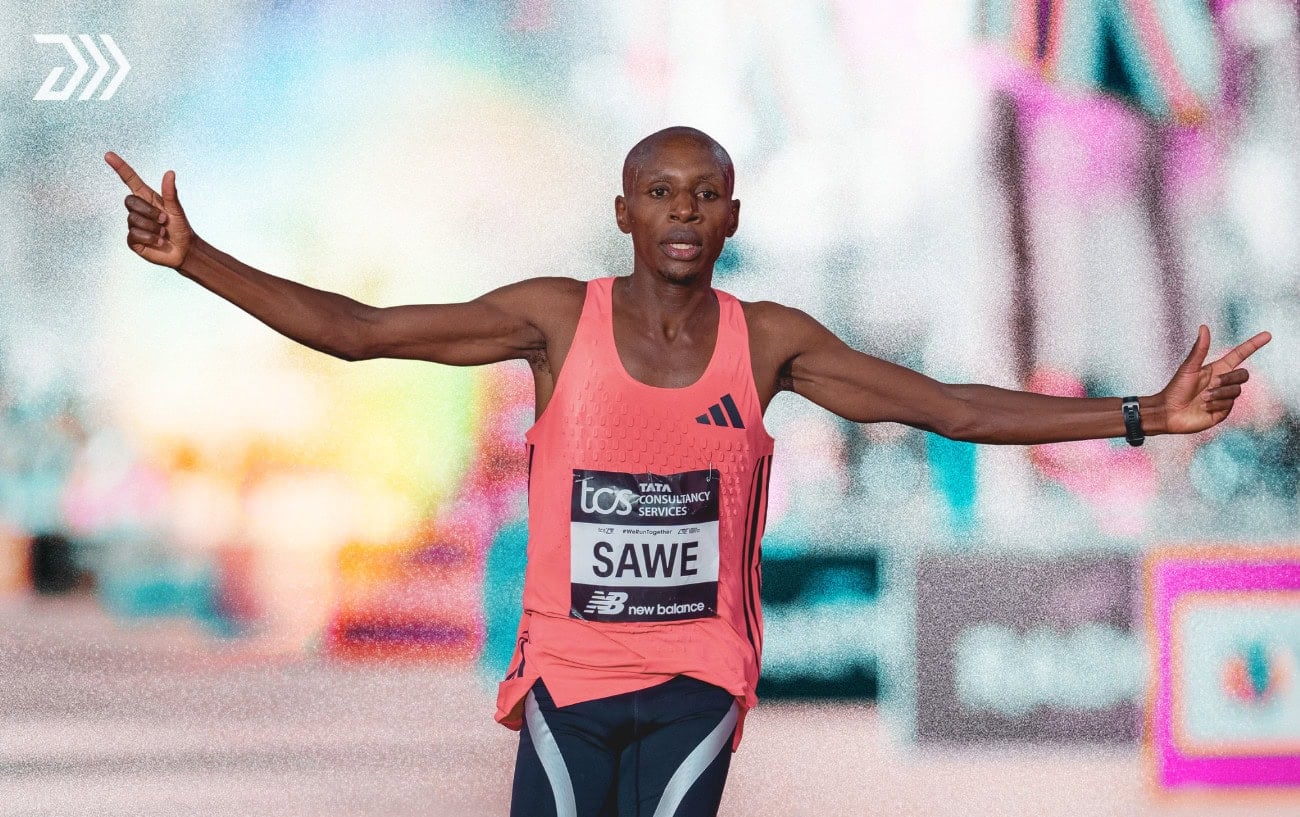
When Sabastian Sawe bursts out laughing at the idea that he could have broken the marathon world record in Berlin if not for the weather, it’s the laugh of someone who knows how close he really was.
A month has passed since the Kenyan crossed under the Brandenburg Gate in 2:02:16, gritting through punishing late-summer heat to win the Berlin Marathon. His coach, Claudio Berardelli, called the run “courageous,” and it’s hard to disagree. Sawe went through halfway in 60:16, right on world record pace, before the 25°C conditions began to take their toll.
“Berlin was really tough,” Sawe told The Independent in an interview. “I just kept in my mind how well prepared I was, but yes, the weather made a huge difference.”
It’s the third straight time Sawe has run 2:02-something, following his debut in Valencia (2:02:05) and his win in London earlier this year (2:02:27). The consistency is startling, and infuriating, if you’re chasing a record as absurdly fast as Kelvin Kiptum’s 2:00:35 from Chicago in 2023.
“I think the world record is really fast, but sub-two? It’ll come by itself. It’s just a matter of time.”

The impossible moment to run very fast
That belief might sound bold, but Berardelli insists his athlete has the tools to do it, if the circumstances ever cooperate. And yet, he also acknowledges that they couldn’t have chosen a worse moment to chase a world record.
“We realised before Berlin that Sabastian is, with respect for my other athletes, a bit different, special,” Berardelli told The Independent. “But in light of what happened in Chicago with Chepngetich, I remember telling [agent] Eric Lilot, this might be the worst moment ever to try to run very fast, people will not believe us.”
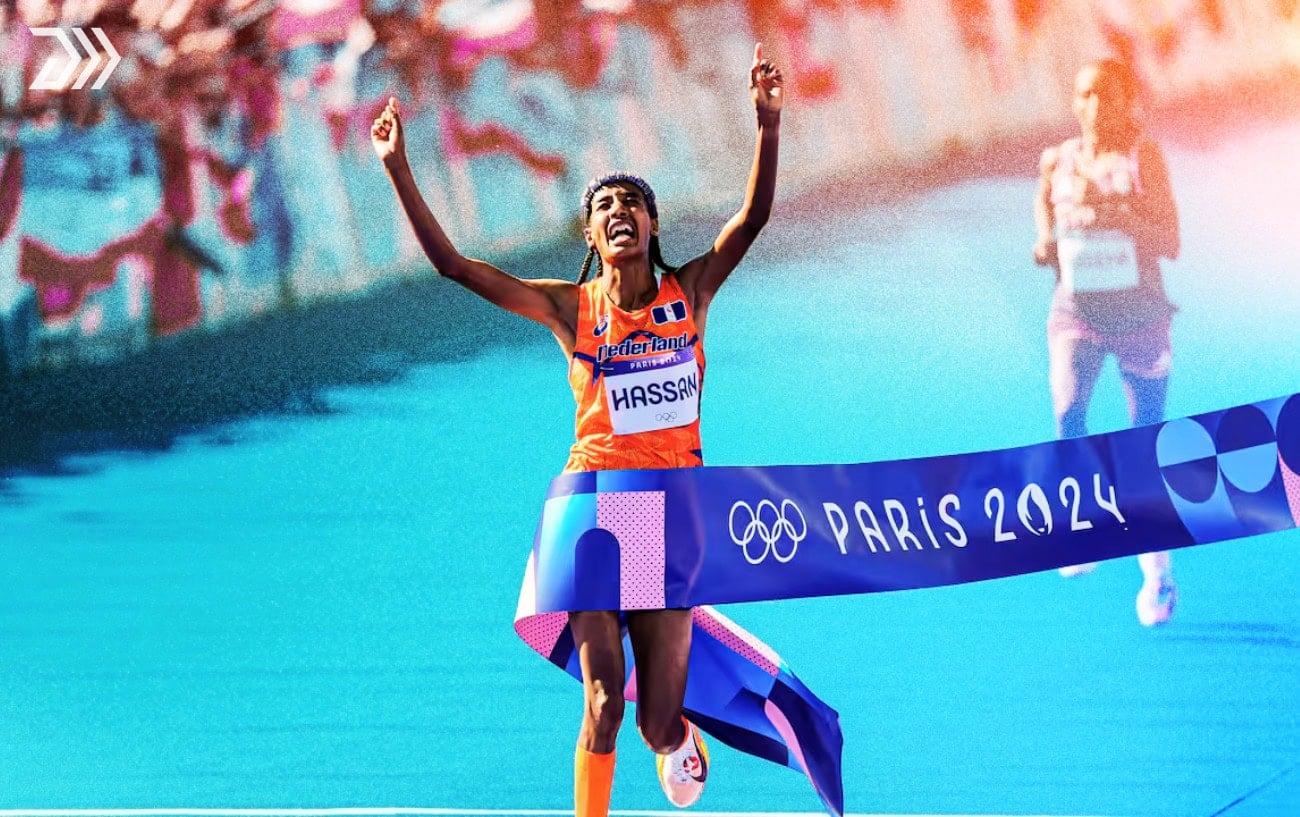
He’s referring to Ruth Chepngetich, who became the first woman to break 2:10 in 2024, only for the Athletics Integrity Unit to reveal a positive doping test for a banned diuretic six months later. The fallout left the sport reeling and every breakthrough performance under suspicion.
For Sawe and Berardelli, it meant that even a legitimate, clean world record might be greeted not with celebration, but skepticism.

Fighting back with transparency
Rather than retreat from that reality, they confronted it. In the lead-up to Berlin, Sawe entered one of the most rigorous voluntary anti-doping programs in marathon history, agreeing to 25 unannounced tests between July and race day in September.
“Kenya has a big doping problem, but it doesn’t mean every group is doing it or that it’s systematic,” Berardelli said. “Sabastian agreed straight away. The impact is more mental, it’s about showing who you are.”
Sawe himself has been vocal about the need for transparency. “It’s good to run clean,” he said. “We need a lot of tests to show this and protect athletics. It’s necessary for the longevity of the sport, and also for a good career.”
For a country still reeling from doping scandals that have tarnished its distance-running legacy, Sawe’s stance is striking. It’s also a reminder that the next world record may not just belong to the fastest runner, but to the one who earns the most trust.
What comes next
With a world lead in Berlin and victories in London and Valencia already under his belt, Sawe is now the top men’s marathoner in the world. But he isn’t done chasing Kiptum’s mark, or the mythical sub-two-hour barrier that Eliud Kipchoge first brushed in his 2019 INEOS 1:59 Challenge.
“Yes, I’m happy and ready to try it again for my next marathon,” he said with a smile. “We are ready for it and we’ll get it next time.”
Exactly where that attempt comes is still open. Sawe and his coach have hinted at a shorter race, maybe a half marathon or 10K, as part of the buildup.
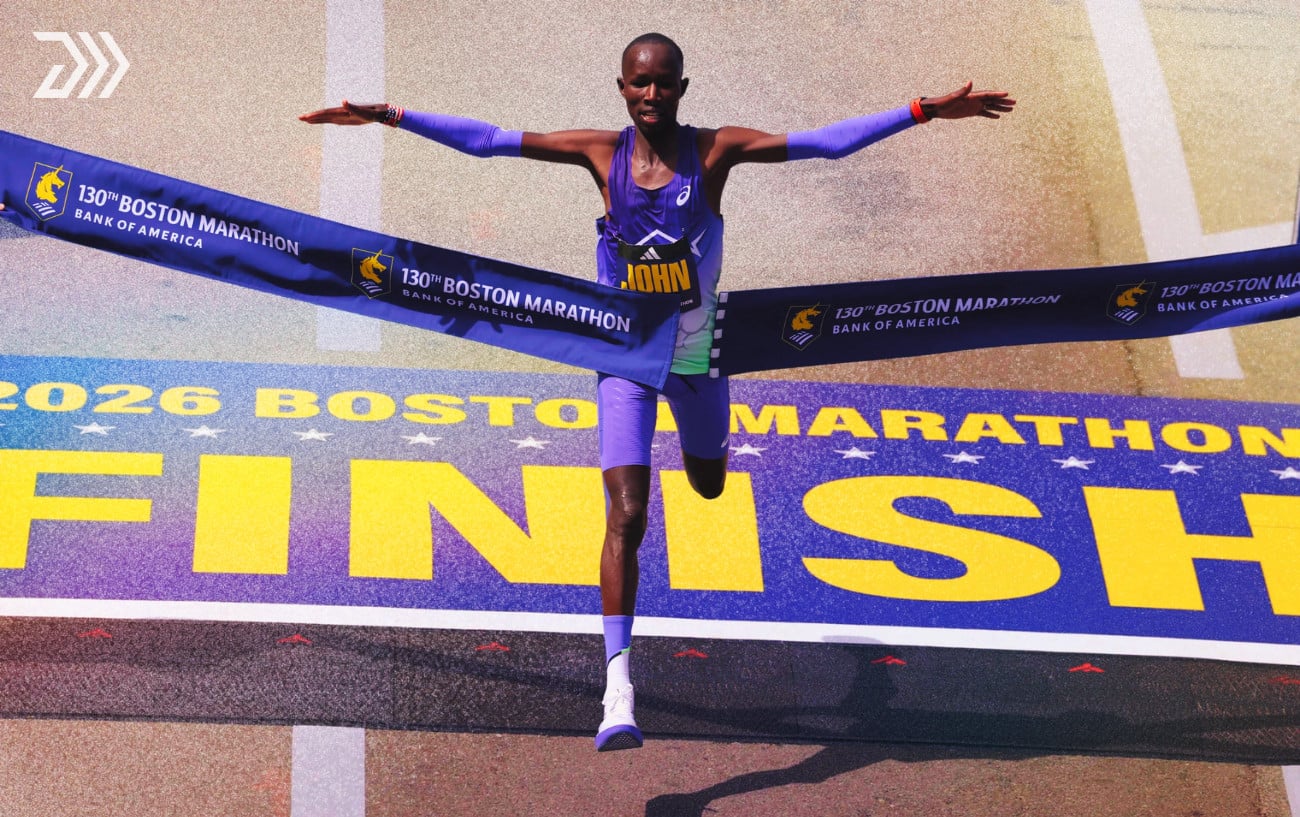
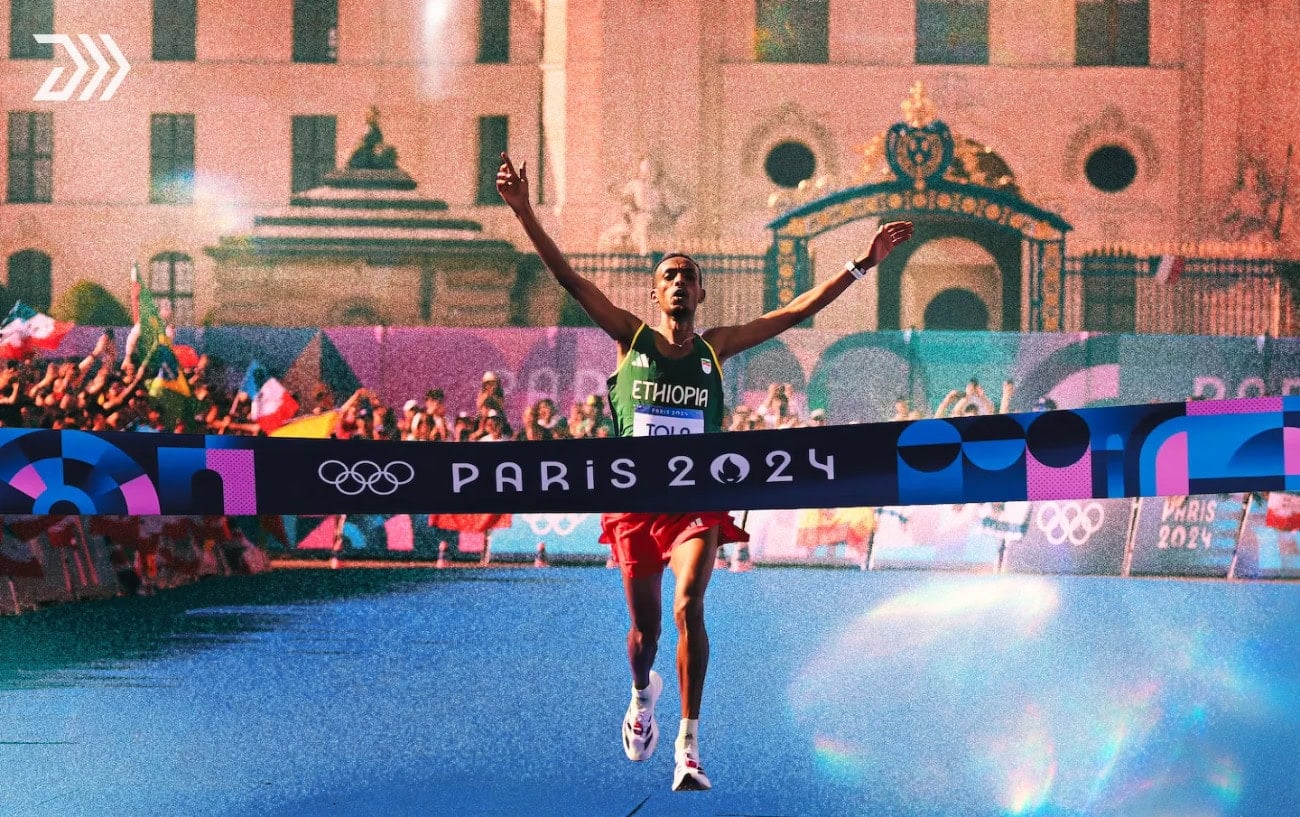
A London title defense also remains on the table. And with rivals like Jacob Kiplimo (2:02:13 in Chicago), John Korir, and Olympic champion Tamirat Tola all closing in, the next twelve months could see one of the fiercest arms races in marathon history.
But if Berlin taught Sawe anything, it’s that running the fastest marathon ever isn’t only about pace or shoes or splits. It’s about timing, trust, and conditions, both on and off the course.
And for now, as Berardelli put it, it might still be “the worst moment ever to run very fast.” But sooner or later, Sabastian Sawe intends to make it the right one.
RunClub
Get more running stories — join RunClub
Daily running news, a community of 300,000+ runners, free training plans for every distance, and a daily running game. Free to join — no card.
Already a member? Log in →







Start the conversation